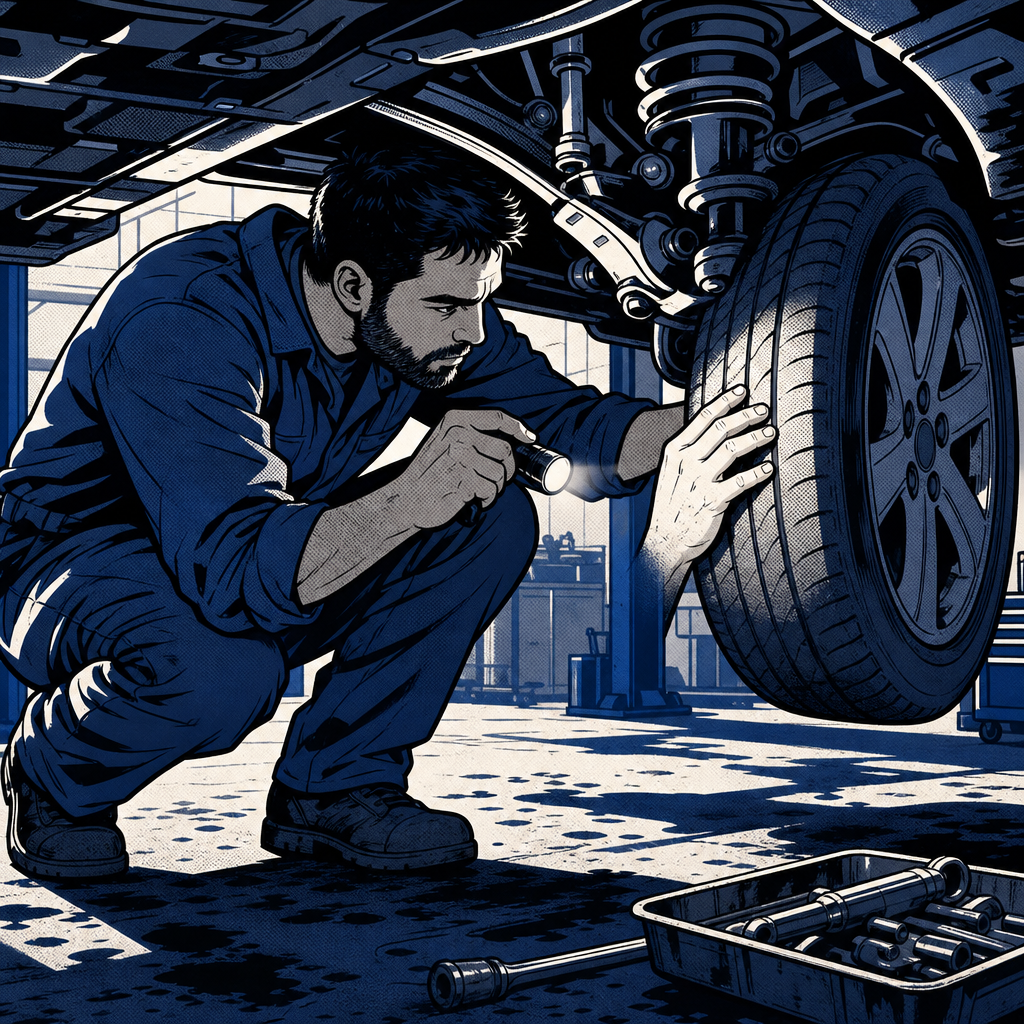
Ask ten people in a shop to define the difference between a “mechanic” and a “technician” and you’ll get ten different answers — but almost everyone in the trade agrees on one thing: a cert on the wall doesn’t guarantee competence, and a title doesn’t build diagnostic skill. The real shortage in this industry isn’t bodies on a lift, it’s trained hands who can read a repair order correctly, verify before they wrench, and think through a problem instead of reaching for the parts cannon. That gap shows up as comebacks, wasted labor hours, and customers who no longer trust what’s written on their invoice. Below is a practical framework for tightening up RO communication, building diagnostic habits in newer techs, and protecting quality when the shop is pushing efficiency numbers that don’t leave room for mistakes.
Why “Certified” Doesn’t Always Mean Competent
Manufacturer certifications, state inspection licenses, and ASE credentials all verify that someone passed a test — they don’t verify that someone can walk up to a running vehicle and figure out what’s actually wrong with it. A shop can have one genuinely certified tech signing off on work that three under-trained hands actually performed, and from the outside the paperwork looks identical to a shop where every tech on the floor is solid. Customers can’t tell the difference by looking at a sign that says “ASE Certified Technicians,” and neither can a service advisor who’s just trying to get cars through the bay.
The practical fix isn’t more paper — it’s tracking outcomes. Shops that take quality seriously track comeback rates, recheck frequency, and diagnostic accuracy per technician, not just flat-rate hours billed. If a tech consistently needs rework on jobs they signed off as complete, that’s a training gap, not a bad day. Treat it as a coaching opportunity before it becomes a pattern that costs the shop a customer.
Stop the Comebacks: Reading (and Fixing) a Bad Repair Order
A huge share of comebacks trace back to a breakdown between what the customer said, what the service writer wrote, and what the technician assumed. A customer says “my spare tire is leaking,” meaning the tire that’s currently mounted as a spare because their regular tire went flat — not the donut in the trunk. If the advisor writes it exactly as heard without clarifying, and the tech takes the RO at face value without using basic context clues, the car gets lifted, the mounted tire gets inspected, and the actual flat sits untouched in the trunk the entire time.
That failure has three points where it could have been caught: the advisor asking one clarifying question at write-up, the tech noticing a full-size wheel mounted where a factory tire should be, and either party applying five seconds of context (a car in for a tire leak, riding on a spare, means the real problem is somewhere else on that vehicle). None of those steps require special training — they require treating the RO as a starting point for investigation, not a script to follow literally.
Build a habit of restating ambiguous complaints back to the customer in writing before the car ever reaches the bay, and train techs to flag any RO that doesn’t match what they see on the vehicle instead of guessing at intent.
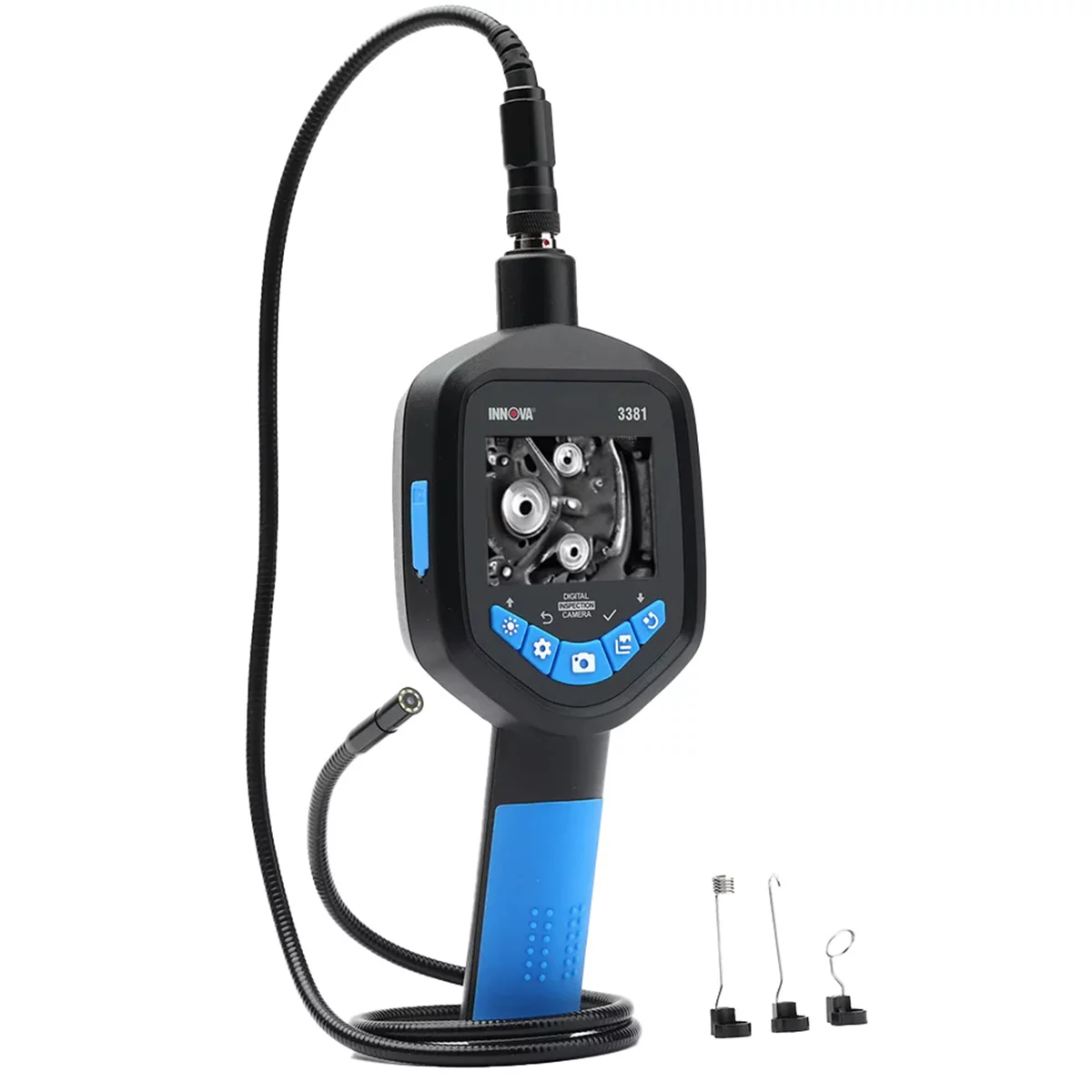
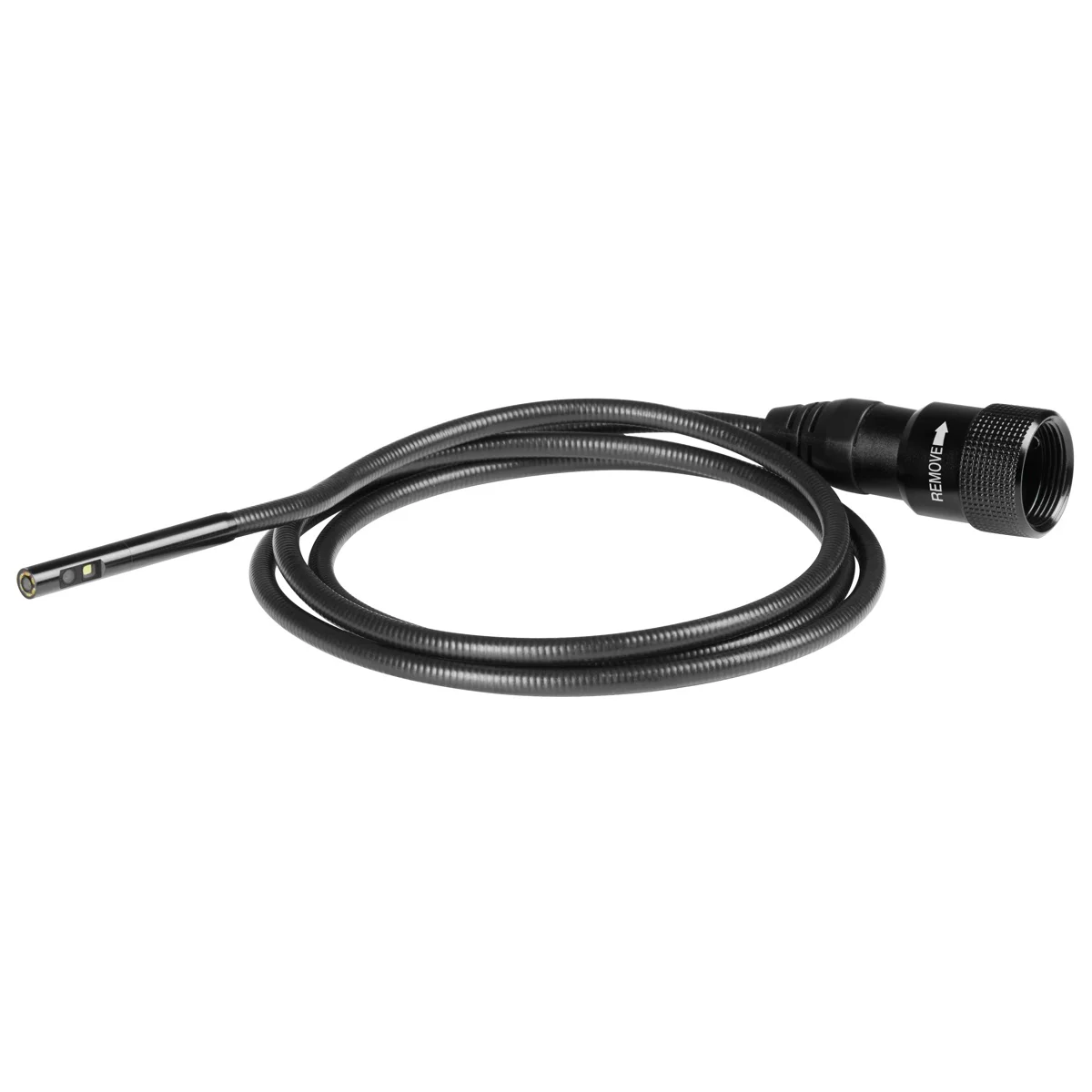
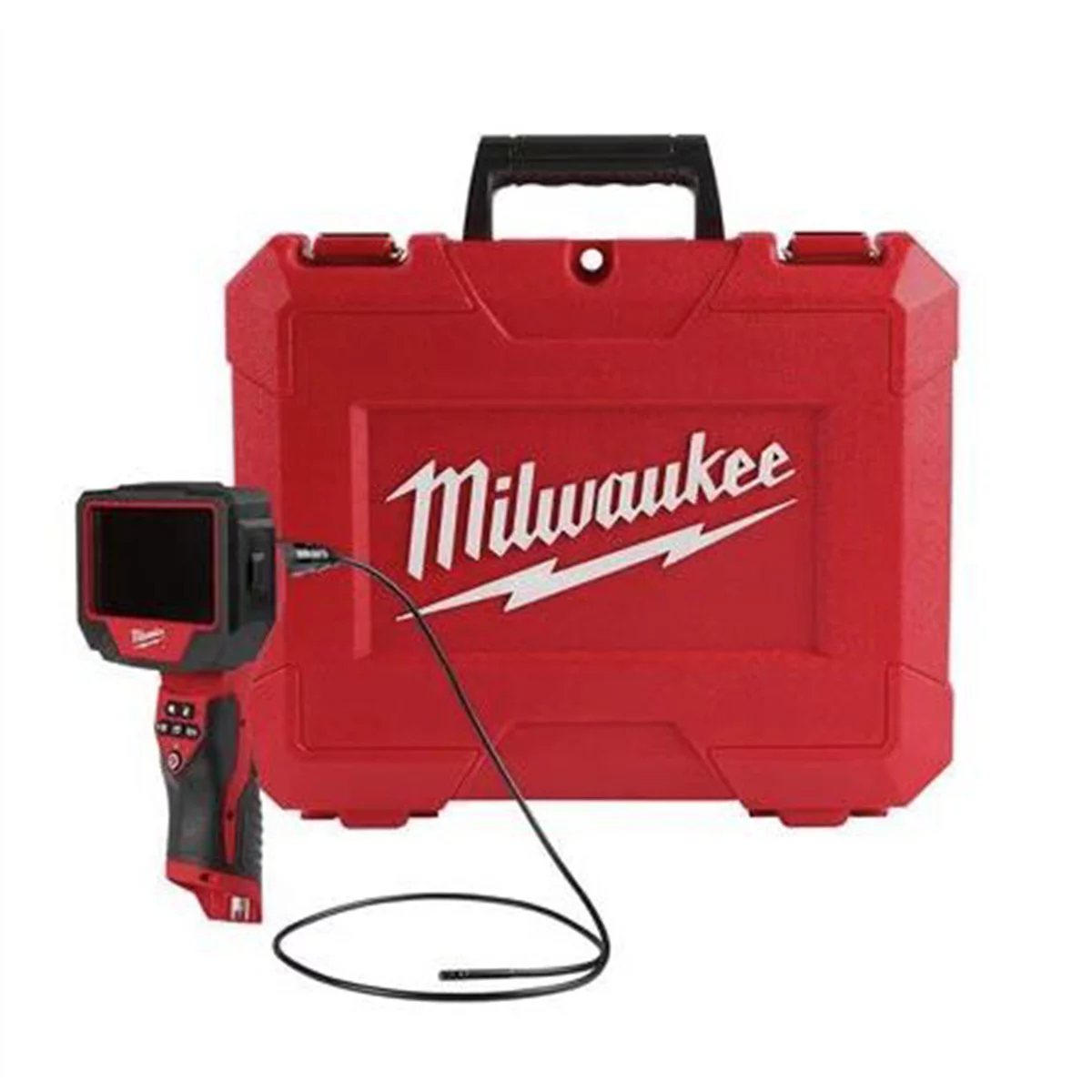
Milwaukee Tool M12 Auto Technician Borescope with 2.0 Starter Ki
Mfg: Milwaukee Electric Tools
Part #: TECHBORESCOPEKIT
Diagnostic Discipline: Verify Before You Wrench
The technicians who get called “mechanics replace parts, technicians diagnose problems” earned that distinction by developing a specific habit: they confirm the actual fault before touching anything, every time, even when they’re sure they already know the answer. That means physically locating the component in question, confirming the symptom reproduces, and checking for the obvious before chasing the exotic.
This is where a lot of newer techs lose time and credibility — not because they lack intelligence, but because they haven’t built the reflex of slowing down for thirty seconds before committing to a repair path. A tech who’s spent real time on electrical diagnosis, for example, learns to verify power and ground at the component before replacing it, because skipping that step is how a thirty-dollar part turns into a comeback and a burned customer relationship. The same discipline applies to tire leaks, noise complaints, and intermittent electrical gremlins: locate it, confirm it, then fix it.
Mentoring Apprentices Without Losing Your Mind
Senior techs training apprentices consistently report the same frustration: repeating the same instruction multiple times with no retention, and watching basic critical-thinking steps get skipped even after they’ve been demonstrated. Some of that is a genuine mismatch between the person and the trade. But a lot of it is a training structure problem — apprentices are often handed vague instructions (“fix the tire leak”) without being walked through the reasoning process that gets a seasoned tech to the right answer.
Practical steps that actually move the needle:
- Narrate your diagnostic reasoning out loud while the apprentice shadows you, not just the physical steps.
- Have them explain their plan back to you before they start a job, so gaps in logic surface before a wrench turns.
- Debrief every mistake the same way: what was assumed, what should have been checked, what to do differently next time — no excuses, no lecture, just the correction.
- Give them low-stakes jobs to build the verify-before-you-wrench habit before putting them on diagnostic-heavy work.
If retention still isn’t happening after consistent, structured coaching, that’s useful information too — not every apprentice is suited to diagnostic work, and some are better long-term fits for specialized, repetitive tasks like tire and lube service.
When Shop Pressure Undercuts Quality
A tech with three decades of experience pointing out that half their team is under 25 with minimal experience, while management demands high efficiency and low rechecks, describes a structural problem that no amount of individual effort fixes. You cannot run a shop on inexperienced labor and simultaneously expect veteran-level accuracy without building in supervision time. Something has to give — either the efficiency target, the recheck tolerance, or the quality of the work going out the door.
If you’re a shop owner or service manager, the fix is structural: pair newer techs with a senior tech for spot-checks on diagnostic calls, build review time into the flat-rate structure instead of treating it as lost labor, and resist the urge to staff purely on headcount (“warm bodies in the shop”) when the real bottleneck is qualified hands. If you’re the tech absorbing that pressure, document your diagnostic steps on every RO — it protects you when a comeback happens and the root cause was a rushed assignment, not your work.
Documentation Habits That Prevent Miscommunication
Most of the failures above come down to information loss somewhere between the customer, the service writer, and the bay. Closing that gap doesn’t require new software — it requires consistent habits. Write complaints in specific, location-based language (“tire currently mounted on left rear is losing air, spare is in trunk”) instead of shorthand. Photograph or note the as-found condition of the vehicle before starting work, especially tire position, warning lights, and prior damage, so there’s a record if something’s disputed later. And require a verification note on every RO — a one-line confirmation that the tech located and reproduced the actual complaint before starting the repair.
These habits take seconds per job and eliminate the single biggest source of wasted labor hours: fixing the wrong thing because nobody confirmed what the right thing was.
Quick Pre-Repair Verification Checklist
- Restate the customer’s complaint in specific, unambiguous language before the car reaches the bay
- Walk the vehicle and confirm the complaint location matches the RO before touching a tool
- Reproduce the symptom yourself — don’t assume the write-up is complete or accurate
- Check the obvious (spare in trunk, loose connector, low fluid) before chasing a complex diagnosis
- For electrical and intermittent issues, verify power/ground/signal at the component before replacing it
- Note your verification step on the RO so there’s a record of what was confirmed and when
- Flag ambiguous or incomplete ROs back to the service advisor instead of guessing at intent
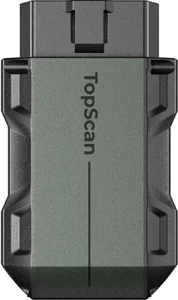
Pocket-Size Bluetooth Scan Tool w/Bi-Directional Controls
Mfg: TOPDON
Part #: TOPSCANPRO

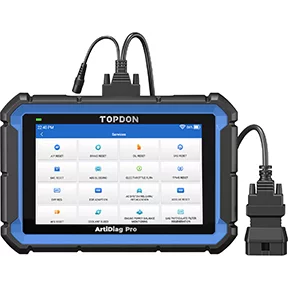
ArtiDiag Pro - 7" Scan Tool w/Service Functions & Bi-Directional
Mfg: TOPDON
Part #: ADPRO
Frequently Asked Questions
What’s the real difference between a “mechanic” and a “technician”?
In practice, the distinction people in the trade draw is between someone who replaces parts based on a guess or a pattern, and someone who diagnoses the actual root cause before repairing anything. It’s not about the job title on a business card — it’s about whether the person verifies before they wrench.
Why do comebacks keep happening even with certified technicians on staff?
Certification tests knowledge at a point in time; it doesn’t guarantee consistent diagnostic discipline on every job, especially under time pressure. Comebacks are more reliably prevented by verification habits and documentation than by credentials alone.
How can a service advisor reduce miscommunication with the shop?
Restate ambiguous complaints back to the customer in specific terms before writing the RO, and note exact locations (which tire, which side, which component) rather than relying on shorthand that a technician has to interpret later.
What should a shop do if an apprentice isn’t retaining training?
Switch from giving instructions to narrating reasoning, have the apprentice explain their plan back before starting work, and debrief every mistake with a specific correction. If retention still doesn’t improve after consistent structured coaching, consider whether the apprentice is better suited to a non-diagnostic role.
How do efficiency quotas affect repair quality?
Pushing high efficiency and low recheck rates on a team heavy with inexperienced techs forces a tradeoff — something gives, whether it’s thoroughness, documentation, or eventually customer trust. Shops that protect quality build supervision and review time into the schedule rather than treating it as lost labor.
What’s the fastest way to cut diagnostic errors on the floor?
Make “verify before you wrench” a non-negotiable step on every job, no matter how routine the complaint sounds. The single highest-leverage habit is confirming the actual fault matches the written complaint before any repair begins.
Equip Your Shop with Diagnostic Tools
Verification and diagnosis require the right equipment on hand. Our Automotive Diagnostic Tools category includes multimeters, code readers, pressure testers, and specialized equipment that help technicians locate and confirm faults before committing to a repair.
- Digital multimeters and electrical testers for power and ground verification
- OBD-II code readers and scanner tools for engine and electrical diagnostics
- Pressure and vacuum testers for fuel system and intake diagnostics

The Toolsource Technical Team blends decades of real-world automotive service experience with up-to-date technical research. Our writers collaborate with professional mechanics, shop owners, and diagnostic specialists to deliver practical, workshop-ready guidance you can trust.


Follow us on social media