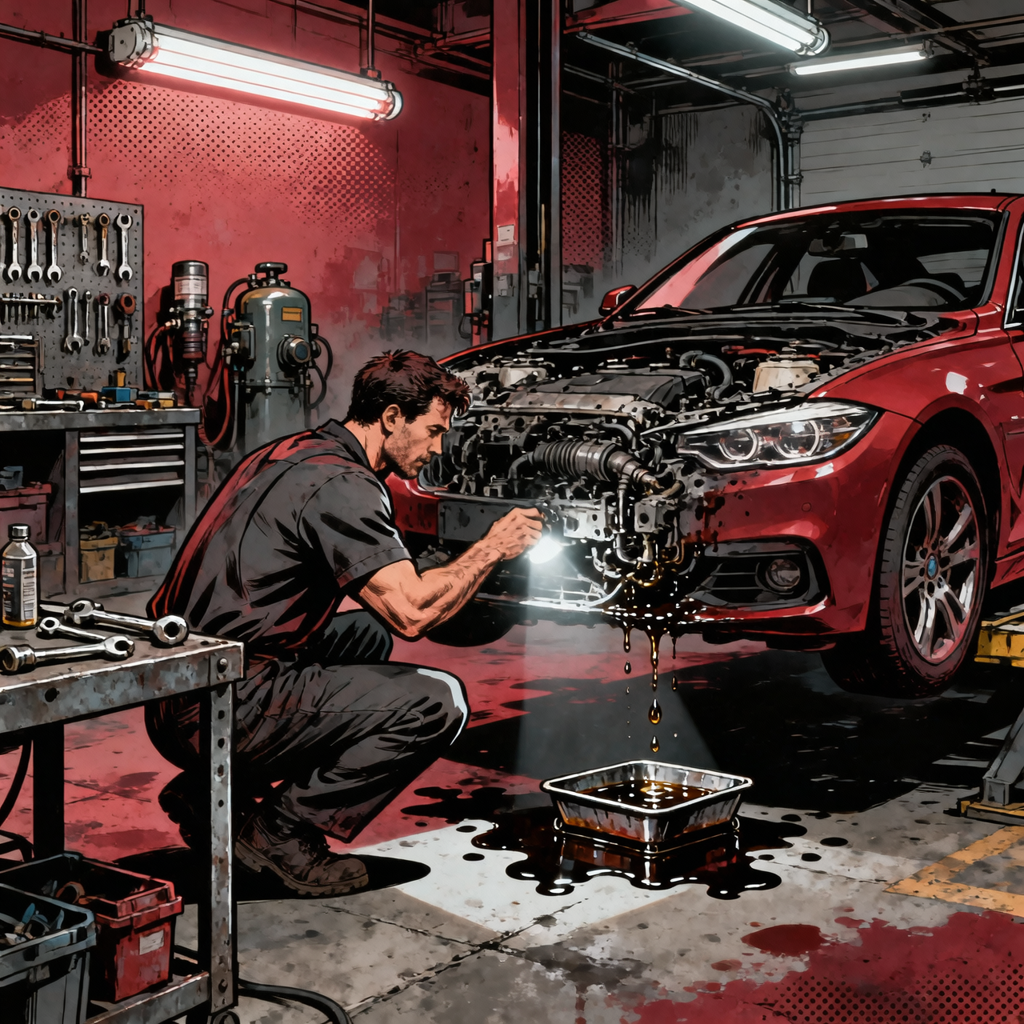
Oil leaks are common on high-mileage vehicles. This guide helps you identify the source, assess severity, decide whether to repair it, and manage it cost-effectively.
Identifying Your Oil Leak Source
Most oil leaks come from failed gaskets, worn seals, or loose drain hardware. The most common sources: oil pan gasket (35%), valve cover gaskets (25%), rear main seal (15%), front crankshaft seal (10%), oil filter housing (8%), and drain plug/washer (7%). Valve cover gaskets are usually cheap and easy to fix. Rear main seals cost $800-1,500 in labor alone. Always check the drain plug and filter first—these account for nearly 10% of leaks and are cheapest to fix.
DIY leak detection
Place cardboard under your vehicle overnight to see the leak pattern. Clean the engine with brake cleaner, then run it for 10-15 minutes. Oil runs downward, so trace fresh oil upward to find the source. Sprinkle talcum powder on suspected areas; fresh oil will darken it within minutes. Take photos relative to engine landmarks to help mechanics or order parts.
Severity assessment
“Minor weeps” lose less than 1/4 quart between oil changes. “Slow drips” use 1/2-1 quart per 1,000 miles. “Active leaks” lose 1 quart per 500 miles or faster. Check your dipstick every 3-4 days for active leaks, weekly for slow drips, monthly for minor weeps. If you’re adding more than 1 quart between changes, the leak deserves attention.
Cost-Benefit Analysis: When to Repair
Repair costs by leak type
| Leak Location | Parts Cost | Labor Hours | Total Cost Range |
|---|---|---|---|
| Drain Plug/Washer | $3-$8 | 0.2 | $5-$25 |
| Oil Filter/Adapter | $8-$45 | 0.3-0.8 | $40-$120 |
| Valve Cover Gasket | $25-$150 | 1.5-3.5 | $200-$550 |
| Oil Pan Gasket | $30-$85 | 2.5-6.0 | $350-$850 |
| Front Crank Seal | $15-$45 | 2.0-4.5 | $280-$650 |
| Rear Main Seal | $35-$95 | 4.5-9.0 | $650-$1,500 |
Labor rates run $100-$150/hour. Dealerships cost more than independent shops. Older cars (15+ years) add 20-40% due to seized bolts and corrosion.
Break-even calculation
Repair Cost ÷ Monthly Oil Cost = Break-Even Months. If a $1,200 repair costs $20/month in oil top-ups, break-even is 60 months. If you’ll keep the car 18-24 months, repair doesn’t make financial sense. If repair costs more than 50% of your car’s market value, consider skipping it unless it’s the only problem. A replacement car often has hidden issues you’ll discover later.
Managing Leaks Through Regular Maintenance
Oil monitoring and top-ups
Check dipstick every 3-4 days for active leaks, weekly for slow drips, monthly for minor weeps. Never let oil drop below the “add” mark. Buy 5-quart bottles instead of individual quarts—saves 40-50% per quart. Track consumption (date, odometer, amount added) to spot worsening leaks. Set phone reminders. Keep spare oil and a funnel in your trunk.
Seal conditioners
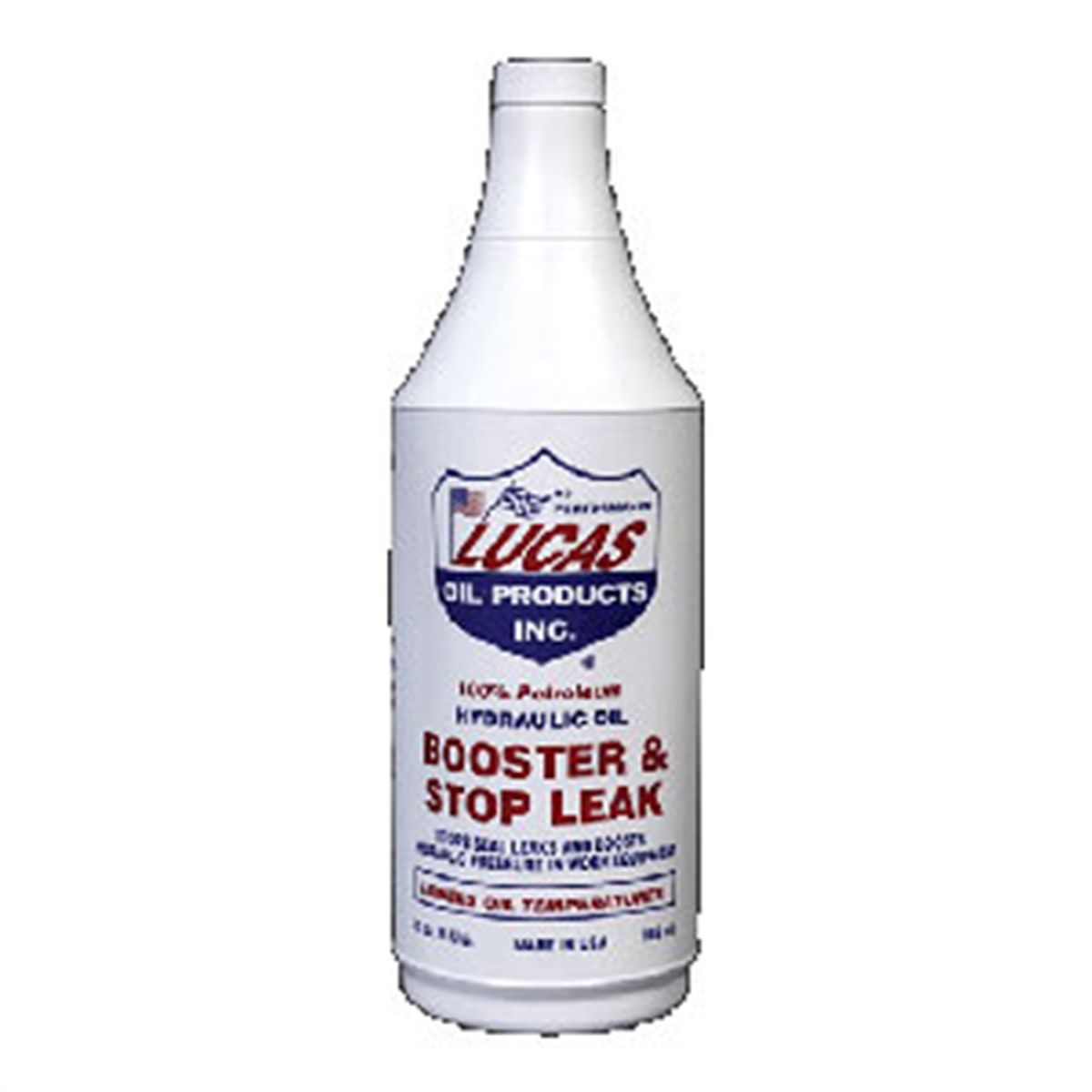
Products like ATP AT-205 Re-Seal work on about 70% of minor-to-moderate leaks by softening hardened seals. Add one 8-oz bottle at oil change; effects last 6-8 months. Avoid “stop leak” products that just thicken oil—they hurt engine protection. Never mix different seal conditioner brands. These work best for preventing major repairs on cars you’ll keep under 3-4 more years.
Environmental and safety
Place a drain pan under leaks and empty it weekly. Most auto parts stores recycle used oil free. Never pour oil down drains or on ground—one quart contaminates 250,000 gallons of groundwater. Use absorbent pads or cat litter for garage spots. Some cities fine residents for street leaks; check local rules. Keep oil buildup off hot exhaust components to prevent fire hazards.

Synthetic Oil and Older Seals: Myths vs. Reality
Why synthetic doesn’t cause leaks
Synthetic oil doesn’t damage seals. Modern synthetics pass the same seal compatibility tests as conventional oil. If your engine starts leaking after switching to synthetic, the seals were already failing—synthetic just exposed what was there. Full synthetic is safe in any car made after 1990.
Oil viscosity and leak rates
Thicker oil flows slower through worn seals, potentially cutting minor leaks by 25-40%. Switching from 5W-30 to 10W-40 may help, but only if your owner’s manual permits it. Wrong weights hurt fuel economy and engine timing. High-mileage oils (10W-30 or 10W-40) offer a safer balance with extra seal conditioners. In cold climates, oil that’s too thick won’t reach engine parts quickly on cold starts, causing extra wear.
Sludge buildup after switching
High-mileage engines build varnish and sludge that plugs worn seals. Synthetic’s better detergents clean these deposits over 3,000-5,000 miles, exposing existing seal wear. This looks like synthetic caused the leak—it didn’t. For non-leaking, high-mileage engines, consider synthetic blends first to avoid rapid sludge removal that might increase leaks.
Step-by-Step Leak Pinpointing
Tools needed
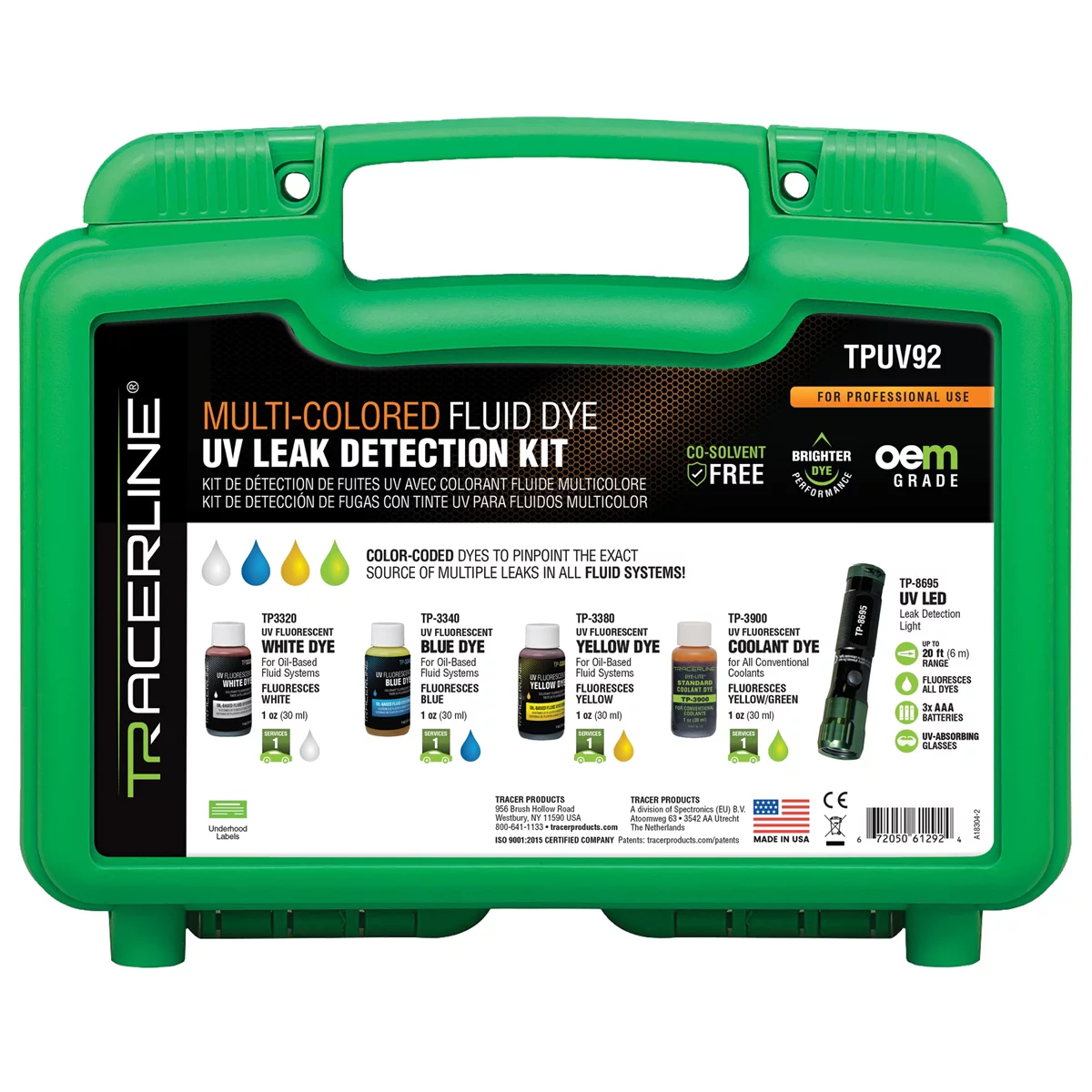
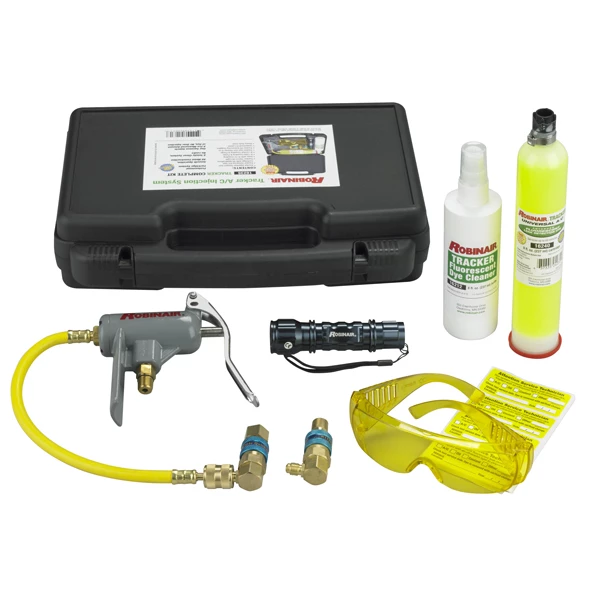
Mechanic’s mirror ($8-15), LED flashlight ($15-25), brake cleaner ($4-6), UV dye kit ($25-35), jack stands, safety glasses, and wheel chocks. Total: $50-80 if buying everything. UV dye is most reliable—add it to oil, drive 50-100 miles, then use UV light to find escape points. Talcum powder works as a budget option.
Inspection procedure
Start at the lowest point and work up. Check drain plug torque (25-30 ft-lbs) and crush washer. Verify only one oil filter gasket. For the pan, clean edges, apply powder, run engine 10 minutes. Check pan back edge first—that’s where leaks happen. For main seals, look at the lowest crankshaft point. Valve cover leaks run down the engine side. Use time-lapse photos for tricky leaks. YouTube channels like ChrisFix have visual walkthroughs for specific models.
Documentation for mechanics
Take clear photos showing leak location relative to engine parts. Include scale (ruler or coin). Write notes: leak location, severity (drips per minute), oil consumption rate, recent changes, maintenance history, and what you’ve already tried. This saves diagnostic fees ($80-120) and ensures they check the right spot.

Frequently Asked Questions
Can I keep driving with an oil leak?
Yes, if you check dipstick every 3-7 days and top up before it gets low. Slow leaks under 1 quart per 1,000 miles are manageable with regular checks. Active leaks need more attention but are still safe if monitored. Risks: environmental pollution, fire (rare—engine oil needs 400-450°F), and engine seizure if you forget to check. Set reminders and keep spare oil in your car.
What’s the cheapest way to manage a leak?
Combine regular dipstick checks, seal conditioner treatment ($12-18), and bulk oil purchases (5-quart jugs). One bottle helps 6-8 months and fixes about 70% of minor leaks. If adding 12 quarts yearly at $4/quart bulk price, that’s $48 annually versus $600-1,200 repairs. Management makes sense if you’ll keep the car under 3-4 more years.
Why did the leak start after an oil change?
Four common causes: incorrect filter installation, missing/damaged drain plug crush washer, over-tightened drain plug (cracked pan), or double gasket on filter. Check filter torque (hand-tight plus 3/4 turn) and verify only one gasket. Inspect drain plug; it should be snug but not over-torqued (25-30 ft-lbs). Stripped threads need HeliCoil kits ($15-25) or oversized plugs ($8-12). Sometimes fresh oil stirs up sludge plugging worn seals, exposing seal wear within 200-500 miles. Return to the shop if the leak started after their work—good shops fix installation mistakes free.
Will thicker oil slow my leak?
Heavier oil can cut minor leak rates 20-40%, but only switch if your manual approves. High-mileage oils (10W-30 or 10W-40) are safer—they include seal conditioners and meet manufacturer specs for most cars. Wrong weights hurt fuel economy and engine timing. Check your manual before changing viscosity.
How much does repair cost?
Drain plug washers: $5-25. Oil filter: $40-120. Valve cover: $200-550. Oil pan: $350-850. Front seal: $280-650. Rear main seal: $650-1,500. Labor: $100-150/hour. Older cars cost 20-40% more. Get 2-3 quotes and ask if diagnostic fees are included. Independent shops usually cost less than dealerships. RepairPal’s cost estimator shows regional averages.
Are stop-leak additives safe?
Seal conditioner products (ATP AT-205) are safe and effective on 70% of minor-to-moderate leaks. Avoid aggressive “stop leak” products that thicken oil—they change viscosity, clog passages, reduce protection, and damage pumps. Good products list seal conditioning agents or petroleum distillates. Follow label directions (usually one 8-oz bottle per change). They slow leaks but won’t fix torn gaskets or mechanical problems. Don’t mix different brands—they can create sludge.
Oil Leak Diagnosis and Management Checklist
- ☐ Place cardboard under vehicle overnight to identify leak pattern
- ☐ Clean leak area with brake cleaner and inspect with strong light
- ☐ Check oil filter installation—verify no double-gasket
- ☐ Inspect drain plug torque (25-30 ft-lbs) and crush washer
- ☐ Apply talcum powder to suspected areas; run engine to reveal leak points
- ☐ Take photos documenting leak location relative to engine parts
- ☐ Establish dipstick checking schedule by leak severity
- ☐ Calculate oil consumption rate (quarts per 1,000 miles)
- ☐ Get repair quotes from 2-3 shops for comparison
- ☐ Perform break-even calculation: repair cost ÷ monthly oil cost
- ☐ Evaluate total vehicle condition to determine repair worthiness
- ☐ Set up oil catch system for home parking
- ☐ Purchase oil in bulk (5-quart jugs) to minimize costs
- ☐ Try seal conditioner before expensive repairs
- ☐ Verify viscosity changes comply with manufacturer specs
- ☐ Monitor leak progression monthly for worsening
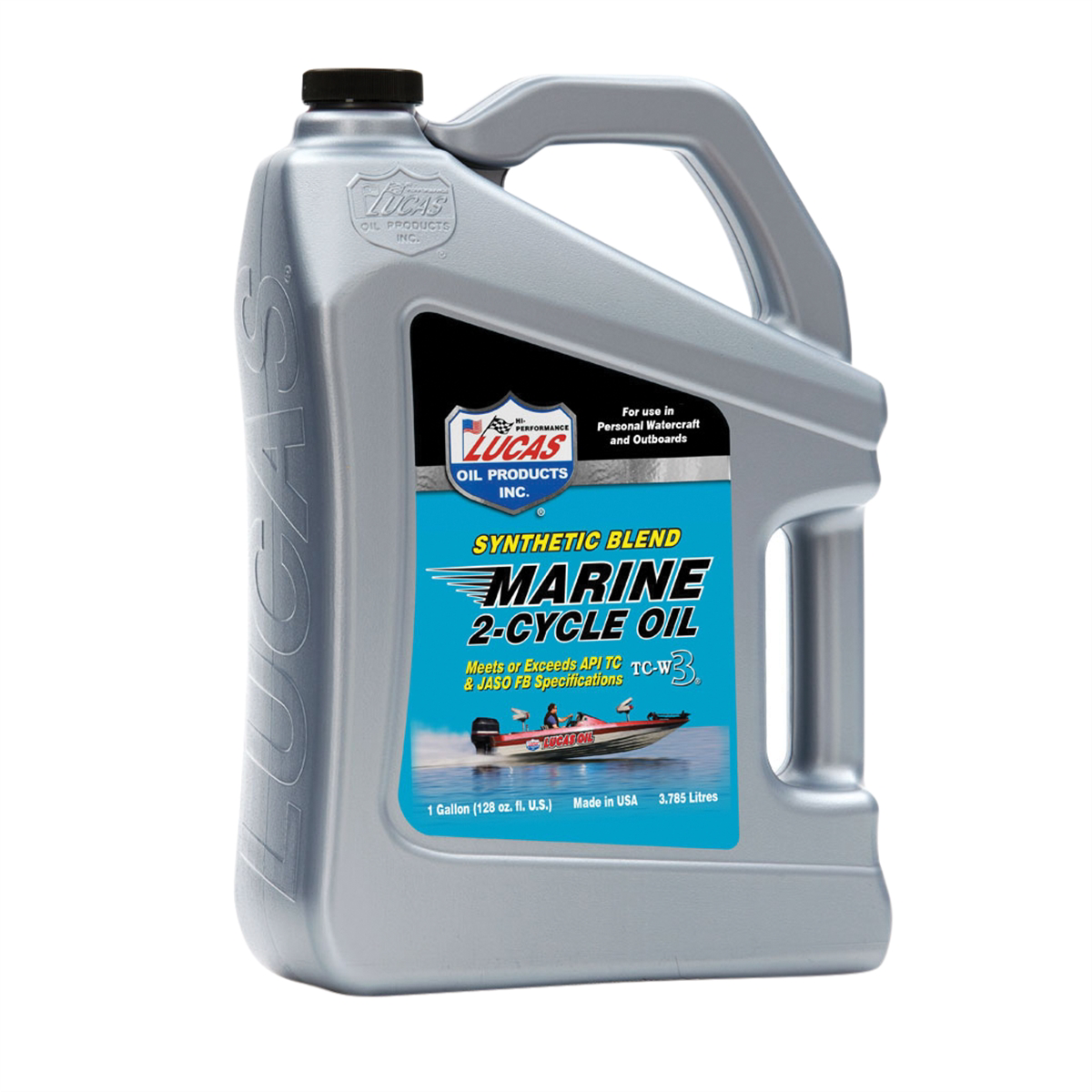
For the tools in this guide, browse Engine Leak Detectors at Tool Source.

The Toolsource Technical Team blends decades of real-world automotive service experience with up-to-date technical research. Our writers collaborate with professional mechanics, shop owners, and diagnostic specialists to deliver practical, workshop-ready guidance you can trust.


Follow us on social media