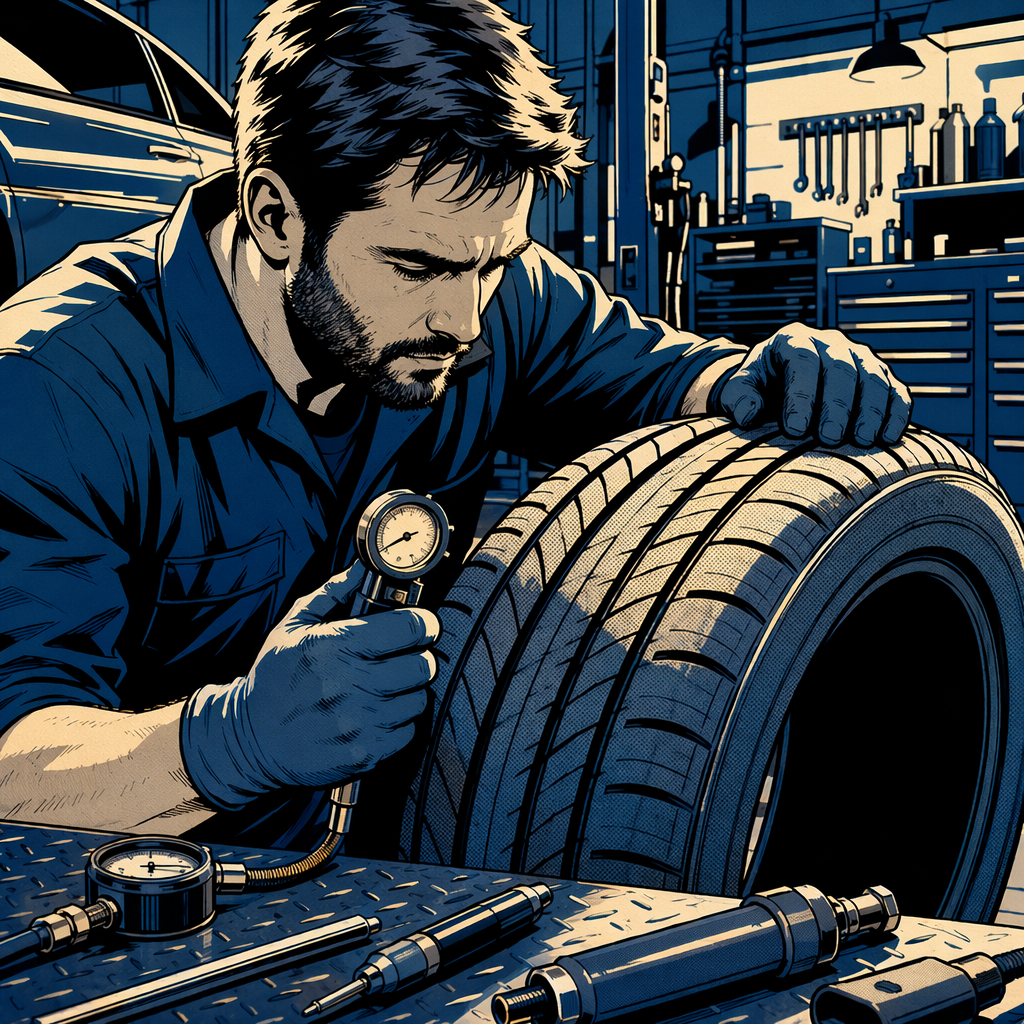
Every tire sold in North America has a standardized code on its sidewall that reveals dimensions, manufacturing date, and critical safety specs. For technicians and DIYers, reading tire codes is essential for safety and proper vehicle performance. This guide covers each component, explains real-world implications, and addresses common mistakes that cause mismatches, premature wear, or blowouts.
Understanding Tire Sidewall Format
Breaking Down the Basic Code (205/65R15)
A standard tire code like 205/65R15 breaks down as: 205 = width in millimeters, 65 = aspect ratio (sidewall height as % of width), R = radial construction, 15 = wheel diameter in inches. A 205/65R15 is 205mm wide with a sidewall height of 133.25mm, using radial construction for a 15-inch wheel. The mixed metric/imperial system exists for historical manufacturing reasons, but understanding this structure is essential for any tire selection.
Width, Aspect Ratio, and Construction Type
Width affects traction and fuel consumption—wider tires improve contact patch but increase rolling resistance. Aspect ratio impacts ride quality: lower ratios (45-50) provide sharper handling but harsher rides, while higher ratios (65-75) offer smoother rides and pothole protection. Changing aspect ratio by more than 5 percentage points alters speedometer accuracy and handling.
Construction type is almost always R (radial), where internal ply cords run perpendicular to travel direction. Occasionally you’ll see D (bias-ply) on vintage vehicles or B (belted bias) on specialty applications. Radial construction offers better fuel economy, tread life, and heat management. Never mix radial and bias-ply tires—it’s a safety hazard.
Load Index and Speed Rating
Load Index and Weight Capacity
The two- or three-digit number after tire size is the load index, indicating maximum safe weight per tire. For example, index 95 = 1,521 lbs, index 100 = 1,764 lbs. This is critical for trucks, vans, and SUVs. Insufficient load index risks structural failure and blowouts. Always verify replacement tires meet or exceed original equipment specs—dropping load index cuts safety margins and may void insurance.
Speed Rating
The letter following load index is the speed rating: S (112 mph), T (118 mph), H (130 mph), V (149 mph), W (168 mph). While most drivers won’t reach these speeds, ratings reflect tire construction quality, heat dissipation, and handling performance. Higher-rated tires use better materials and tighter tolerances, improving stability and braking at any speed. Installing a lower speed rating compromises vehicle dynamics and safety systems like ABS and electronic stability control.
Impact on Vehicle Systems
Tire specs directly affect suspension geometry, braking, and electronic safety systems. Significant deviations cause premature drivetrain wear, warning lights, and altered crash performance. Changing tire diameter by more than 3% affects speedometer accuracy and acceleration. Stay within 3% of original diameter when selecting replacements.
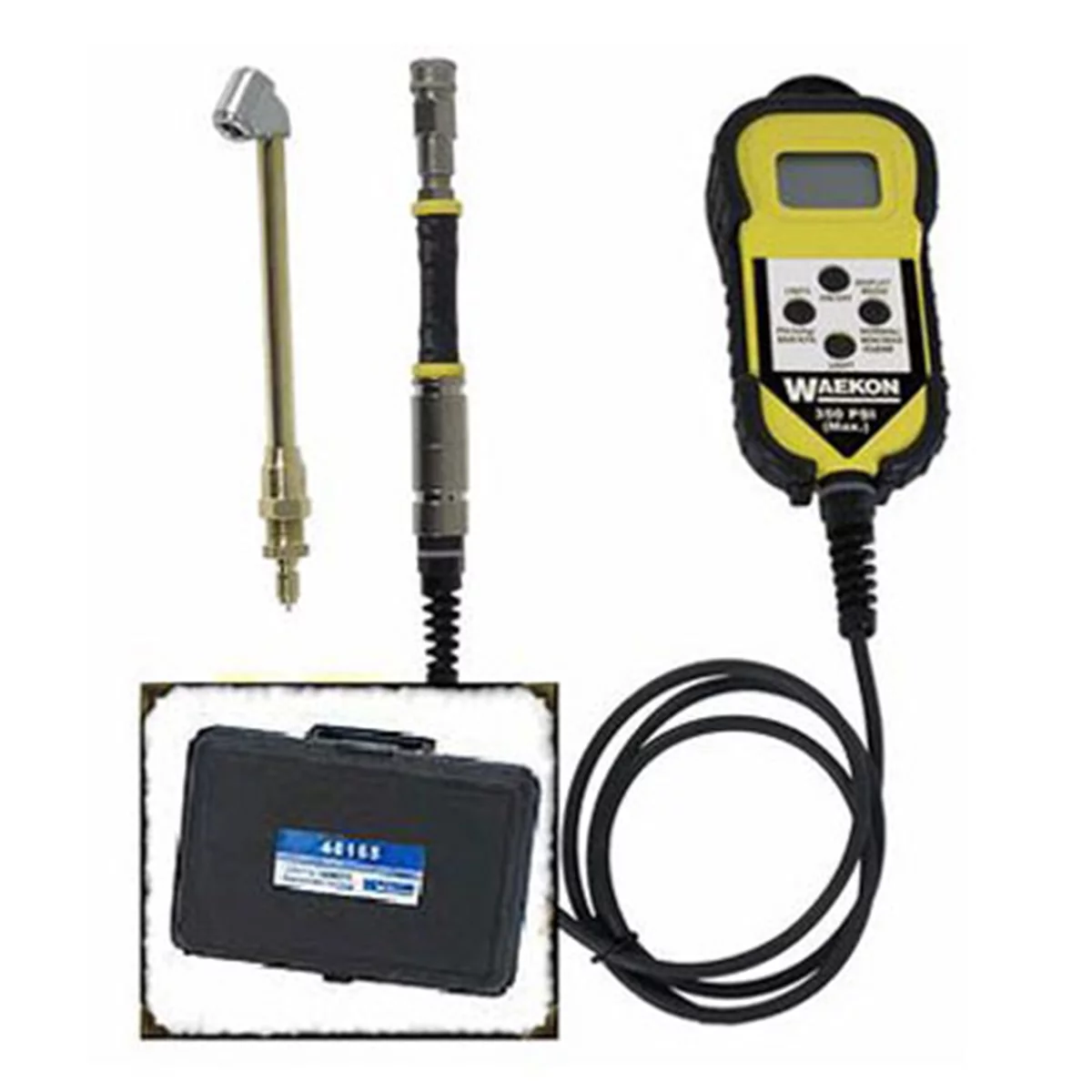
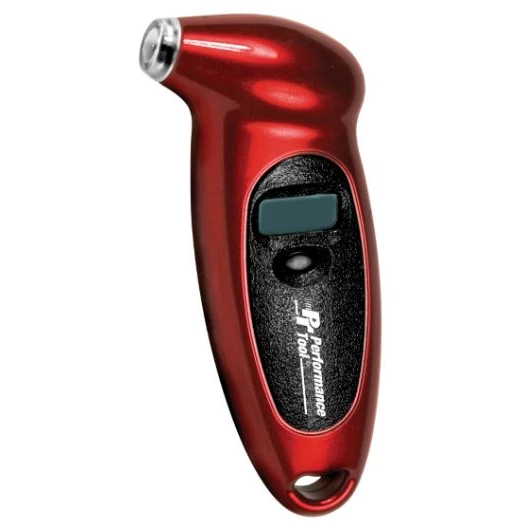
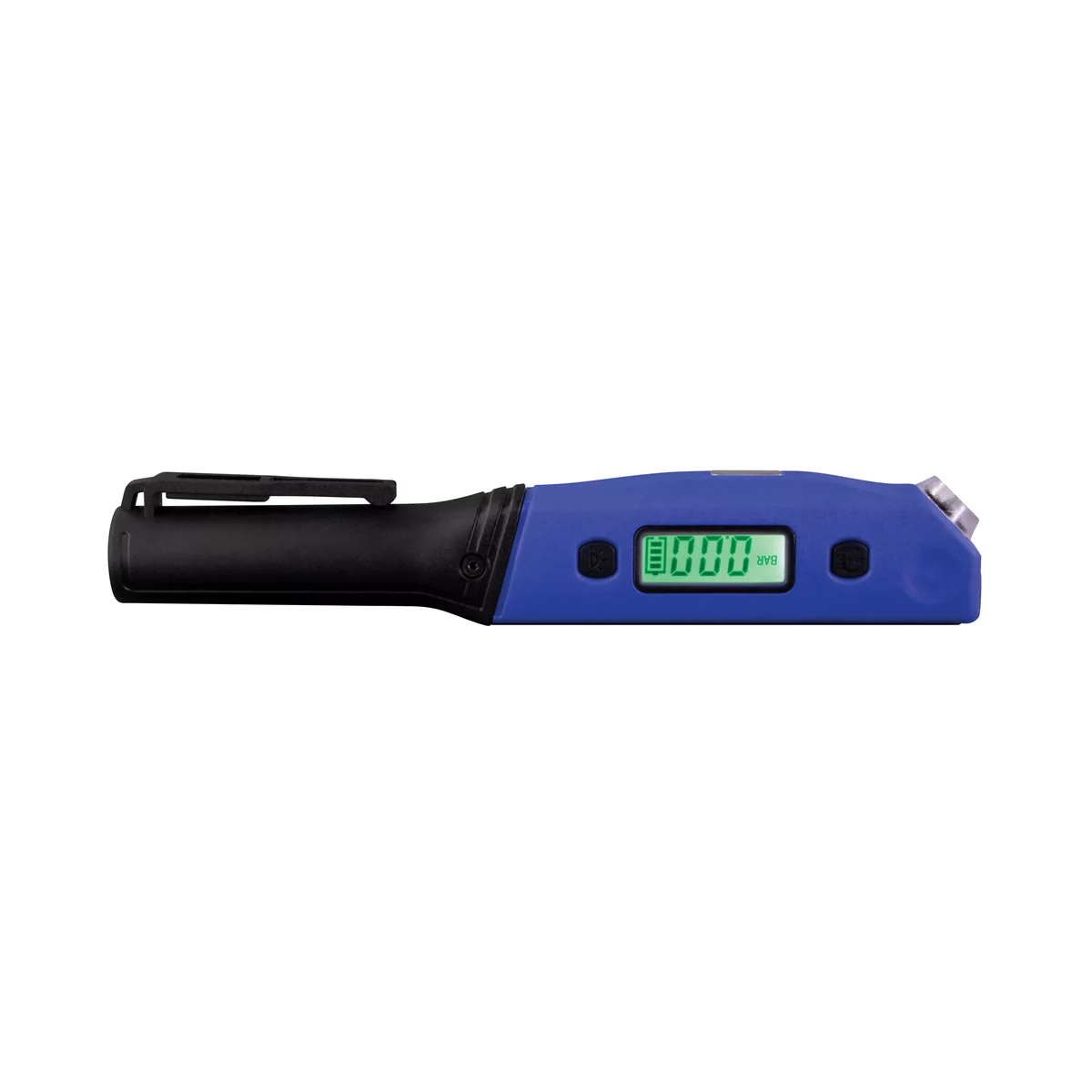
2 in 1 Digital Tire Pressure Gauge with Pen Light
Mfg: Cal-van Tools
Part #: 85110
ID: 387408
DOT Date Code: Manufacturing Date and Age
Locating the DOT Code
Every U.S. tire has a DOT number on its sidewall starting with “DOT,” followed by identification letters and numbers. The last four digits show manufacturing week and year. The code is typically on the inner sidewall; some have partial codes on the outer sidewall, which is normal.
Reading WWYY Format and Tire Age
Date codes use WWYY format: first two digits = week (01-52), last two = year. Code 2218 = week 22 of 2018; 0422 = week 4 of 2022. This standard applies since 2000; three-digit codes from the 1990s are obsolete. Replace tires older than 9-10 years regardless of tread depth—rubber deteriorates from UV, ozone, temperature, and oxidation even without use. Many shops enforce stricter 6-year limits for RVs, trailers, and commercial vehicles.
Age-Related Risks
Old tires with good tread are unsafe; interior degradation causes tread separation, blowouts, and loss of wet traction. Spare tires are especially risky after years of storage. As a technician, you have legal and ethical responsibility to flag aged tires; document DOT codes and explain that tread depth alone doesn’t ensure safety. Liability falls on shops that miss age issues if tire failure causes accidents.
Air Pressure, Spares, and Safety
Vehicle PSI vs. Maximum Sidewall PSI
The sidewall marking “MAX PRESS 44 PSI” is the maximum tire pressure, not the recommended operating pressure. Over-inflating causes harsh rides, premature center wear, and reduced wet traction. Find correct pressure on the driver’s door jamb sticker (or fuel door/glove box)—typically 30-35 PSI for cars. Always use manufacturer specs, not tire maximums. The exception: heavier loads (trailers, cargo) use higher rear pressures listed on the door jamb, but never exceed tire maximum.
Spare Tire Compatibility
Full-size spares should match regular tire dimensions and speed ratings. Many vehicles have temporary “donut” spares labeled with “T” (e.g., T125/70D16), which are narrower with different load ratings. These are emergency-only for 50-70 miles at ≤50 mph (80 km/h). Using a temporary spare with three full-size tires creates diameter mismatch risking all-wheel-drive damage and handling issues. Educate customers: temporary spares aren’t long-term solutions.

Common Mistakes When Buying Tires
Metric and Imperial Confusion
Mixed measurement systems cause frequent errors. A 31×10.50R15 light truck tire and 265/75R15 metric tire appear similar but have different load capacities. European conventions sometimes list rim diameter in millimeters (e.g., 205/65R380 = 380mm rim ≈ 15 inches). Always verify tire size against the vehicle’s door jamb sticker or owner’s manual before ordering.
Load Index for Trucks and SUVs
Truck owners often prioritize appearance over load capacity. Using passenger car tires (P-metric) on trucks is dangerous; light truck tires (LT-metric) have reinforced construction and higher indexes. A P265/70R17 might be 115 (2,679 lbs), while LT265/70R17 could be 121+ (3,197+ lbs). Always match or beat original load index, especially with heavy aftermarket equipment like campers or plows.
Tire Mismatch on AWD/4WD
All-wheel-drive vehicles are sensitive to diameter mismatches. Even 1/4-inch differences force continuous differential slip, creating heat and wear. Manufacturers often require all four tires within 2/32″ of tread depth. Mismatched brands or tread patterns cause uneven traction—mixing tires pulls the vehicle in hard braking. Match all four to the same brand/model; at minimum, match pairs per axle and place newest tires on the rear to reduce oversteer.
| Tire Size Component | Example | Meaning | Safety Critical? |
|---|---|---|---|
| Section Width | 205 (mm) | Tire width sidewall to sidewall | Moderate |
| Aspect Ratio | 65 (%) | Sidewall height as % of width | Moderate |
| Construction Type | R (Radial) | Internal ply arrangement | Critical |
| Wheel Diameter | 15 (inches) | Rim size the tire fits | Critical |
| Load Index | 95 (1,521 lbs) | Maximum weight per tire | Critical |
| Speed Rating | H (130 mph) | Maximum sustained speed | Important |
| DOT Date Code | 2218 (Week 22, 2018) | Manufacturing week/year | Critical |
Tire Selection Checklist
Before ordering or installing replacements, verify:
- Tire size from door jamb sticker, not the old tire
- Load index meets or exceeds original specs (critical for trucks/towing)
- Speed rating matches or exceeds original specs
- DOT date codes on new inventory (reject tires >18 months old)
- Tread depth on all four tires; AWD may require all four replaced if variance exceeds 2/32″
- Spare compatibility and confirm customer understands speed/distance limits
- NHTSA recalls using the tire’s DOT number
- Tire type (P-metric vs LT-metric) matches vehicle classification
- Seasonal needs (all-season, winter, or summer)
- Document everything on repair orders including date codes and any OEM deviations
Frequently Asked Questions
Decoding Tire Sidewall Markings
Q: What does 205/65R15 95H mean?
A: 205 = width (mm), 65 = aspect ratio (sidewall height %), R = radial construction, 15 = wheel diameter (inches), 95 = load index (1,521 lbs), H = speed rating (130 mph). This spec ensures your replacement matches weight capacity and performance needs.
Identifying Old or Unsafe Tires
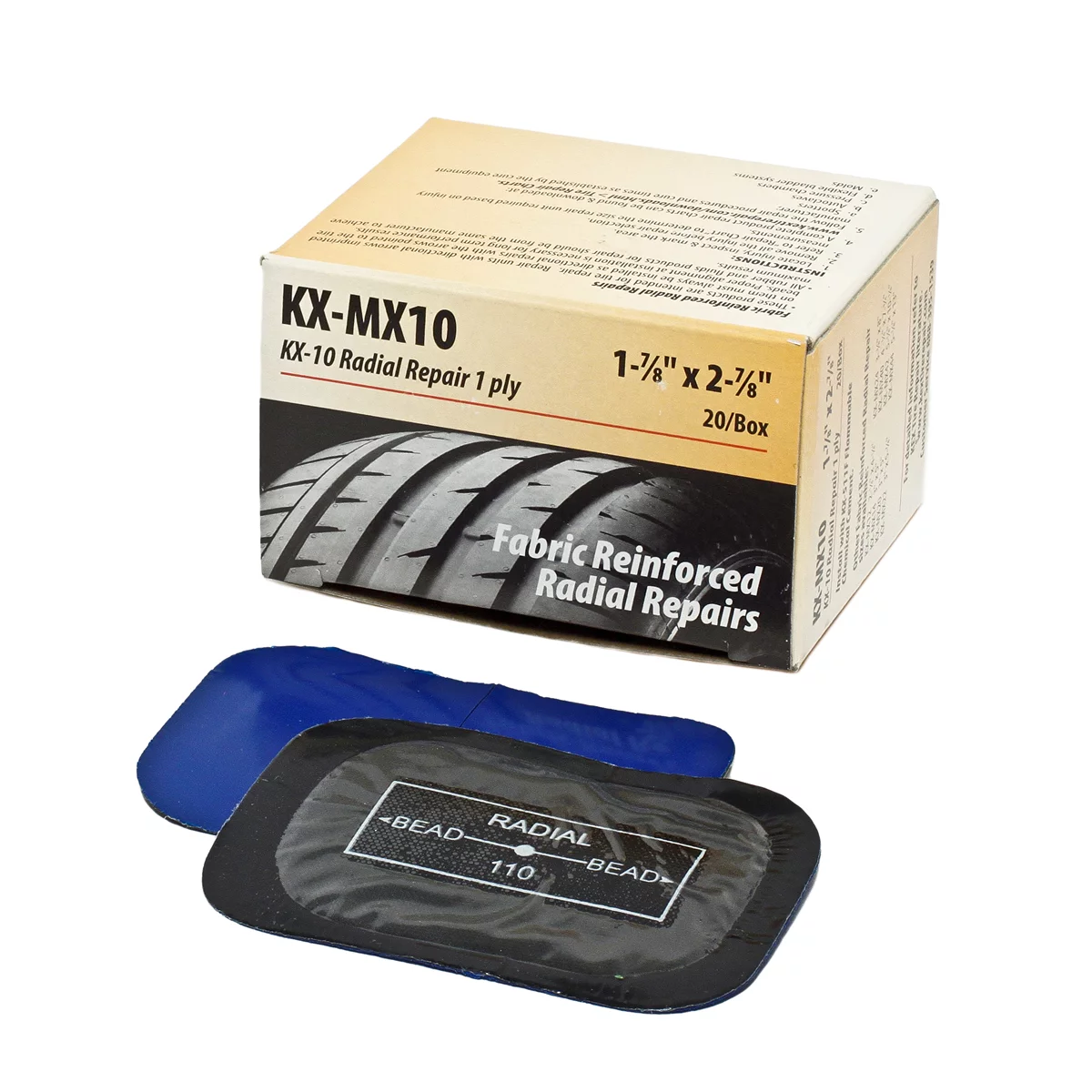
KEX Tire Repair COI MX Radial Repair Patch 1-7/8" x 2-7/8" (48mm
Mfg: KEX Tire Repair
Part #: KX-MX10
TC 755 TIRE CHANGER WITH EZ ASSIST ARM
Mfg: Atlas Automotive
Part #: Atlas TC755EZ Tire Change
Q: My tire shows “DOT U6LL LMLR 2816.” Is it safe?
A: The “2816” indicates week 28 of 2016—over 9 years old. Replace immediately. Rubber deteriorates with age regardless of tread depth, risking blowouts and traction loss.
Professional Installation vs. Online Savings
Q: Why not just buy tires online and have them mounted?
A: Shops inspect suspension, brakes, and bearings during installation—catching problems before failures. They torque lug nuts correctly, verify tread direction, and test TPMS. They warranty work and fix leaks/balance issues free. Proper disposal of old tires is included. The price difference covers expert service preventing costly mistakes.
Mixing Tire Sizes
Q: Can I use 215/65R16 if I need 225/60R16?
A: No. These have different diameters (27.0″ vs 26.6″), causing mismatch problems. Front-wheel-drive cars experience handling and speedometer errors. All-wheel-drive vehicles suffer differential damage within hundreds of miles. Order the correct size for next-day delivery instead.
Tire Markings and Symbols
Q: What do “XL,” “M+S,” and the snowflake symbol mean?
A: “XL” = extra load capacity at higher pressure. “M+S” = basic all-season capability (not guaranteed winter performance). Snowflake symbol = certified for severe winter traction. “Run-Flat” (RFT) = continues operating temporarily after air loss. Arrows indicate directional tread requirements. These markings specify tire capabilities and installation requirements.
Tread Depth Replacement Guidelines
Q: When should I replace tires by tread depth?
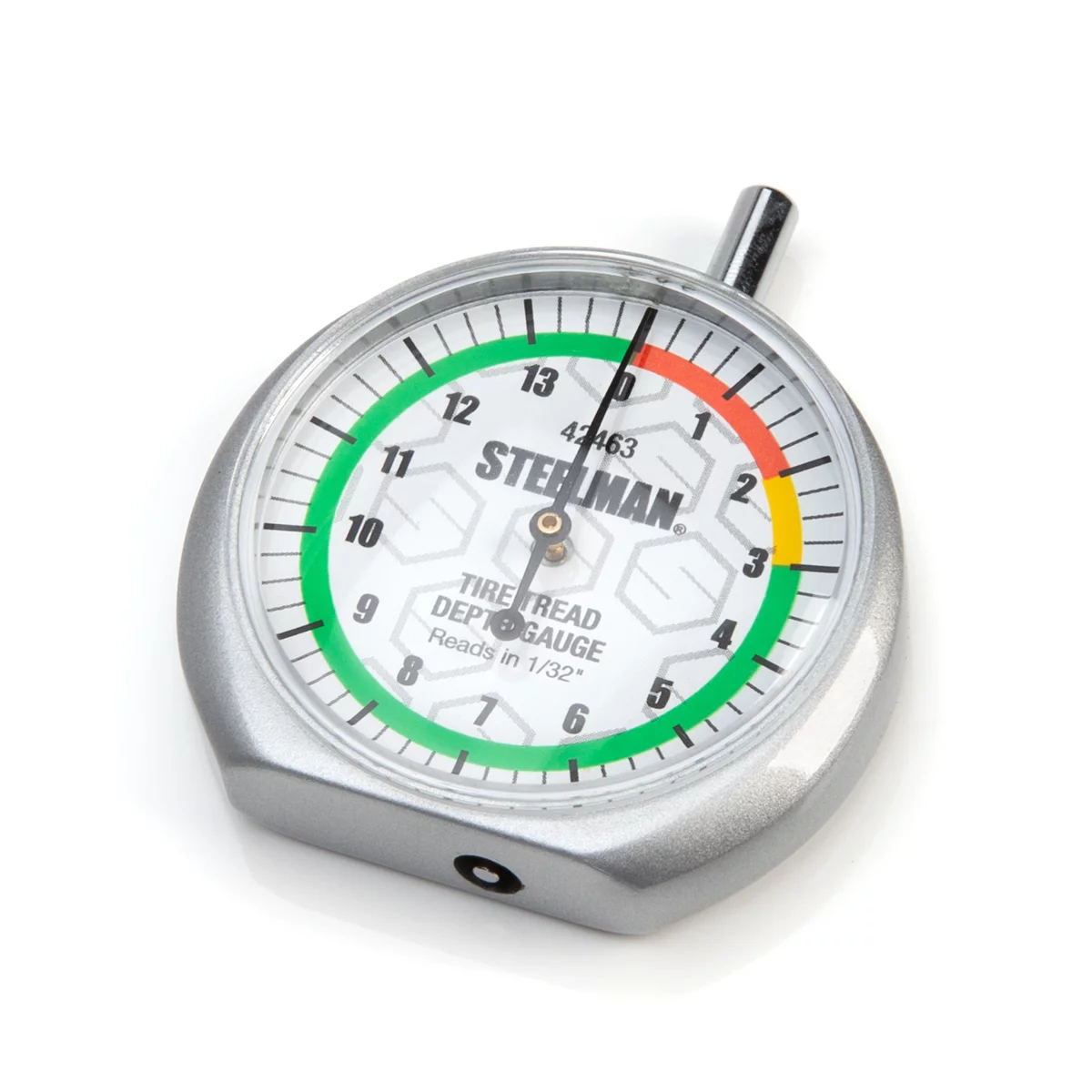
A: Legal minimum is 2/32″, but safety experts recommend 4/32″ for all-season and 5/32″ for winter tires. Use a penny test: insert Lincoln’s head into tread—if you see the top of his head, it’s at or below 2/32″. Professional gauges spot uneven wear indicating alignment, inflation, or suspension issues. Uneven wear requires replacement even with adequate tread depth in some spots, since the tire can’t maintain proper road contact.
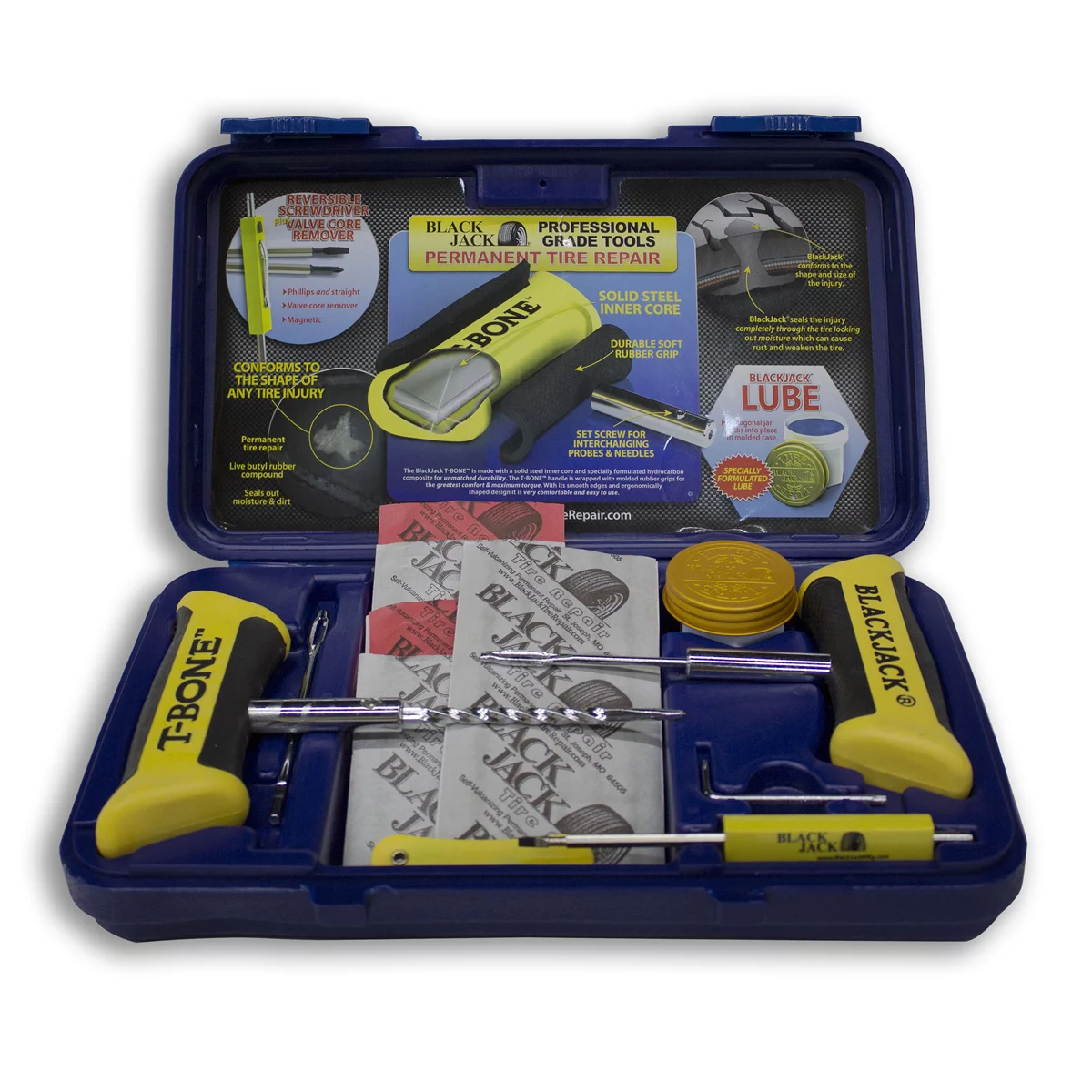
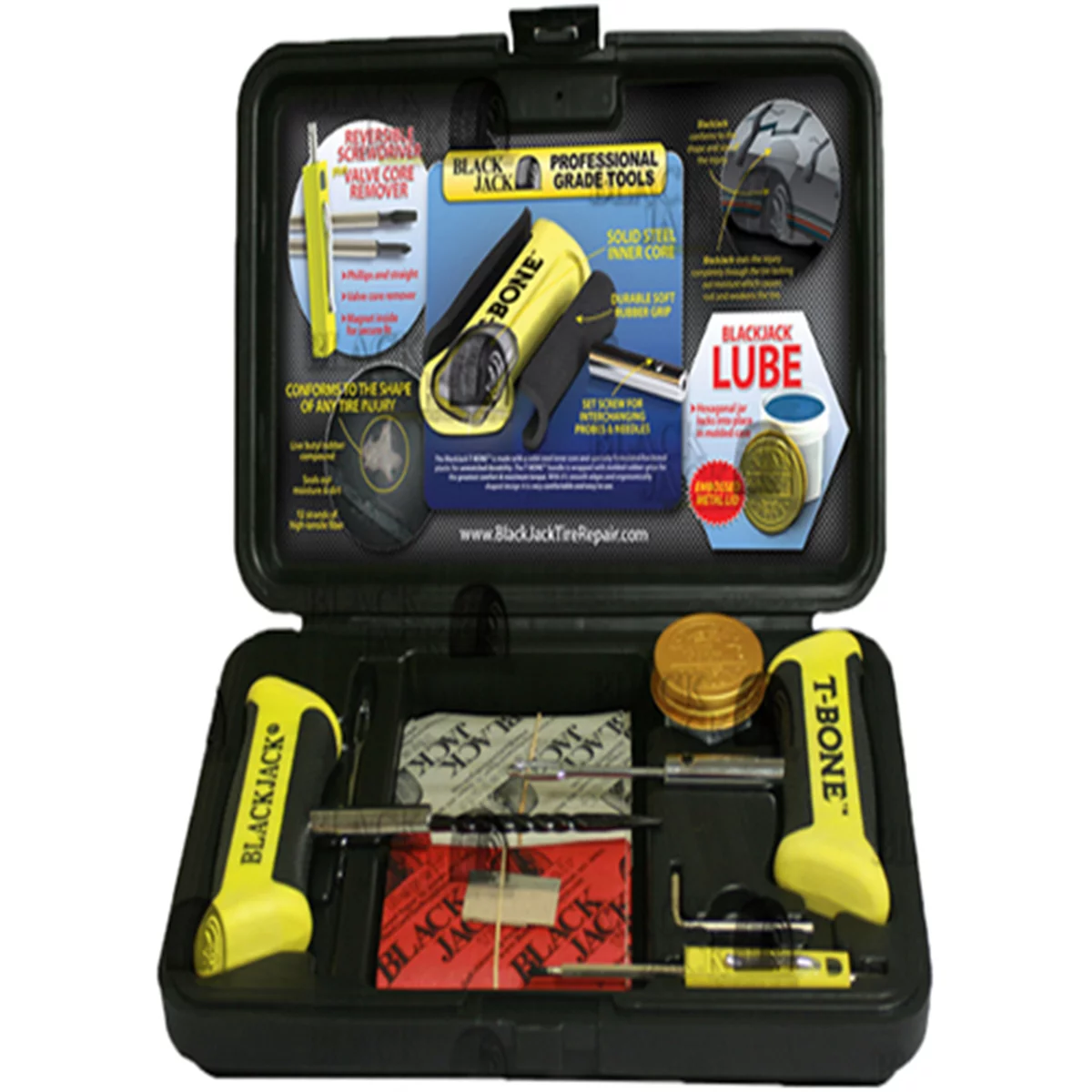

BlackJack Tire Supplies T-Bone Tire Repair Kit (30 Repairs), Sand Case
Mfg: Black Jack Tire Repair
Part #: KT-330S
ID: 406708
Explore More in Our Other Category
Now that you understand tire size codes, you’ll want to make sure you have the right tools on hand for tire maintenance and repairs. Our Other category features a curated selection of automotive tools and accessories that complement your tire knowledge.
Check out these essential items:
- Tire Pressure Gauges – Accurately measure and monitor your tire pressure for optimal performance and safety
- Tire Repair Kits – Emergency repair solutions for quick fixes when you’re on the road
- Wheel Balancing Tools – Professional-grade equipment for maintaining proper wheel alignment and balance
For the tools in this guide, browse Tire Patching at Tool Source.

The Toolsource Technical Team blends decades of real-world automotive service experience with up-to-date technical research. Our writers collaborate with professional mechanics, shop owners, and diagnostic specialists to deliver practical, workshop-ready guidance you can trust.


Follow us on social media