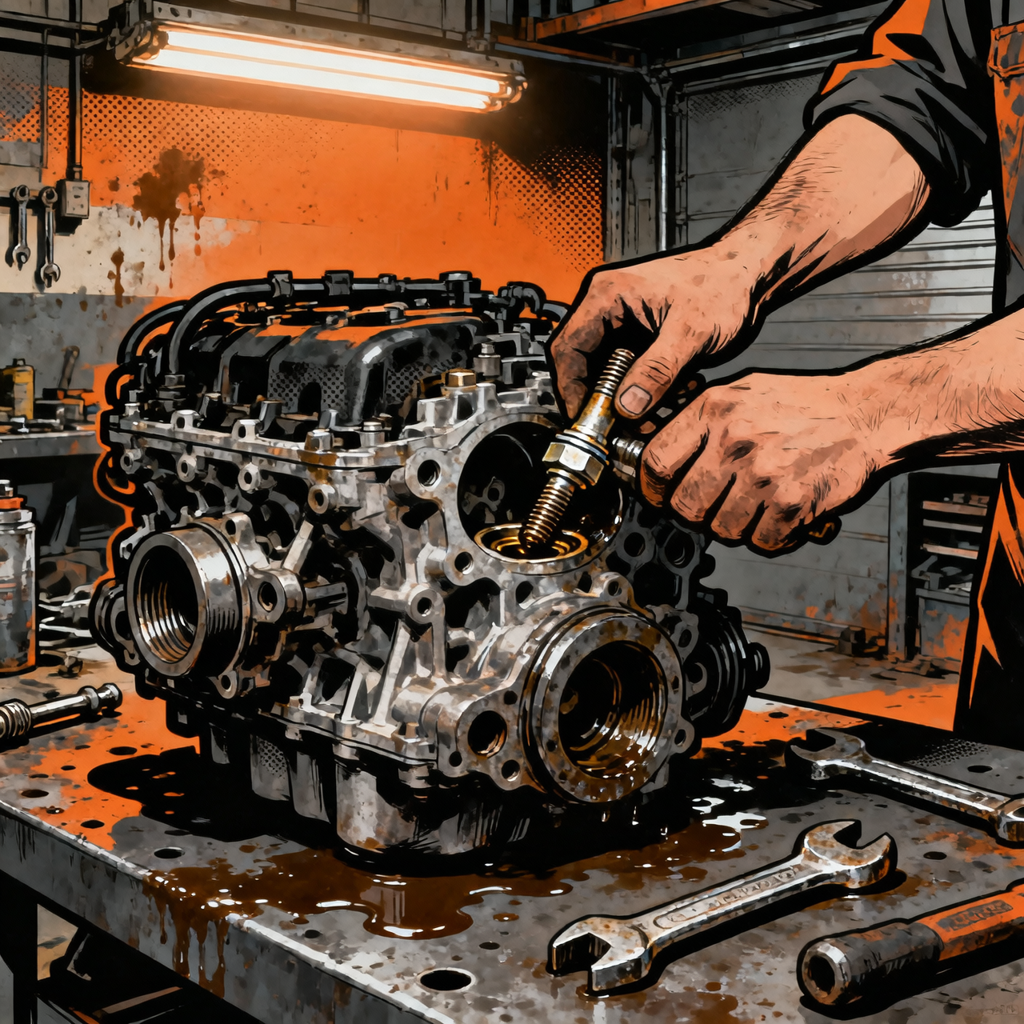
Spark plug replacement is one of the best DIY maintenance tasks—potentially saving $200-400 in labor. Professional shops charge $150-400 for this service, but plugs cost just $5-15 each. The catch: you need proper technique. Over-tighten and you can strip the aluminum cylinder head, costing $1,700+. This guide covers difficulty by vehicle type, tools you need, torque specs, and common mistakes.
Tools You Actually Need (Budget & Professional Options)
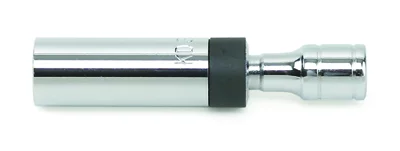
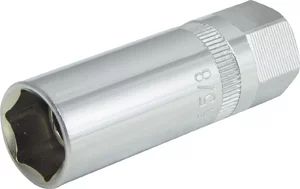
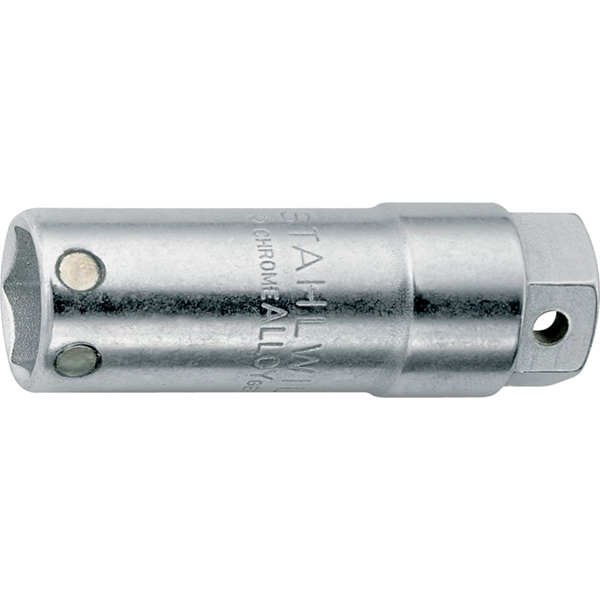
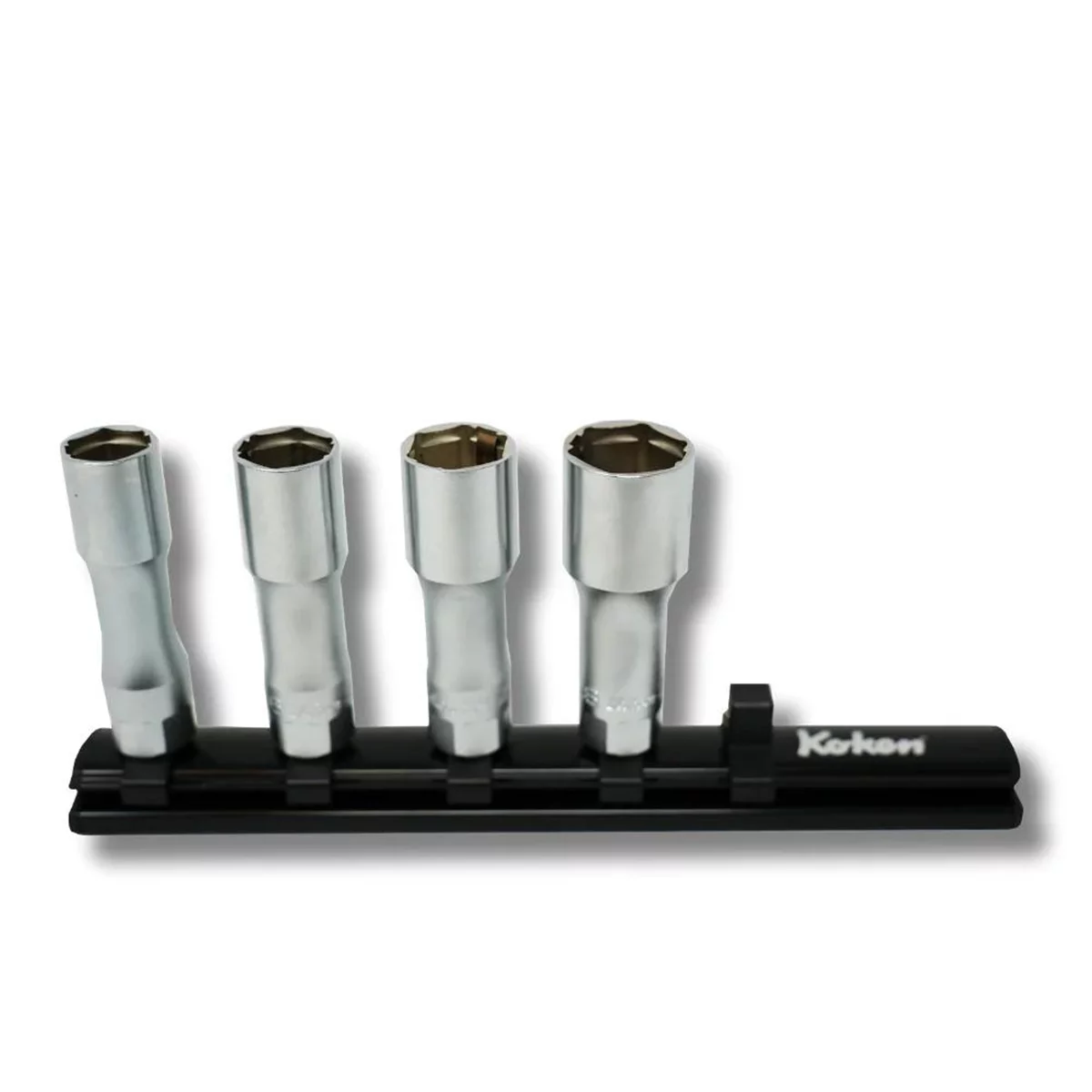
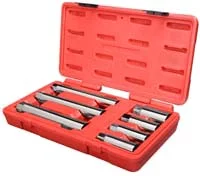
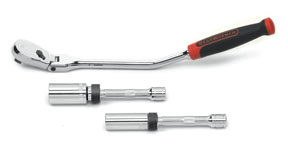
You’ll need a spark plug socket (5/8″ or 13/16″), a ratchet with extensions, and a gap tool. The spark plug socket has a rubber insert that prevents the plug from dropping into the cylinder. A torque wrench is essential for preventing over-torquing damage—click-type models work fine and cost $20-50, or rent one free from AutoZone, O’Reilly, or Advance Auto Parts.
Anti-seize compound: Apply a thin coat to threads (not the firing end) to prevent bonding to aluminum heads. Check the plug manufacturer’s instructions—some plugs come with factory anti-seize already applied.
Spark Plug Torque Specs: The Detail That Stops You From Blowing $1700
Over-tightening rips aluminum threads out of the cylinder head, requiring $200-400 HeliCoil repairs or a $1,700+ head replacement. Under-tightening causes combustion gas leaks, carbon buildup, and coil damage.
| Plug Thread Size | Gasket Seat | Tapered Seat | Common Applications |
|---|---|---|---|
| 10mm | 10-12 lb-ft | 7-15 lb-ft | Small 4-cylinder engines |
| 12mm | 15-20 lb-ft | 10-15 lb-ft | Most 4-cyl, some V6 |
| 14mm | 18-22 lb-ft | 7-15 lb-ft | Most V6 and V8 engines |
| 18mm | 28-32 lb-ft | 15-20 lb-ft | Heavy-duty trucks, diesels |
No torque wrench? Use the one-quarter turn method: hand-thread the plug until the gasket seats firmly, then turn exactly 90 degrees (1/4 turn) for new plugs or 1/16 turn for reinstalled plugs. For tapered-seat plugs without gaskets, hand-tighten until seated, then turn only 1/16 turn.
Vehicle-Specific Difficulty: Know Before You Start
Easy (4-cylinder engines): Inline four-cylinder engines like Honda Civic, Toyota Corolla, and Subaru models have plugs sitting right on top. A first-timer gets all four done in 30-60 minutes.
Moderate (V6 engines): V6 engines bury rear plugs under the intake manifold, especially in front-wheel-drive cars. Plan 2-4 hours and be ready to remove the upper intake plenum and throttle body. Take photos before disconnecting anything.
Call a pro: Mercedes, BMW, Audi, Chrysler 3.5L V6, and Ford’s 5.4L 3-valve V8 (2004-2008) require special tools or serious disassembly. If forum posts from professional mechanics complain about your vehicle, pay for the service.
Step-by-Step DIY Spark Plug Replacement Process
Safety first: Let the engine cool completely (2+ hours). Disconnect the negative battery terminal. Document the firing order by photographing plug wires or labeling coil connectors. Blow out debris from plug wells with compressed air or a shop vac.
Removal: Screw the spark plug socket onto the plug and pull counterclockwise with steady pressure. If it doesn’t turn after 1/4 turn, stop—forcing a stuck plug snaps the ceramic insulator. Spray penetrating oil and let soak 30 minutes. A heat gun around the plug well can help free it up.
Installation: Verify the new plug’s gap matches your vehicle’s spec. Put the plug in the socket and thread by hand into the head—if you feel any resistance, stop (cross-threading damages both plug and head). The plug should spin smoothly until the gasket bottoms out. Use your torque wrench and tighten in one smooth motion. Don’t pump the wrench back and forth.
Reconnect coils or plug wires in the correct firing order, reconnect the battery, and fire it up. Listen for smooth running. Any roughness or misfires means the firing order is wrong or a coil boot isn’t seated right.
Common Mistakes That Damage Engines
Cross-threading: Always thread plugs by hand first—if you can’t spin the plug 3-4 full turns with just your fingers, something’s wrong. Using the wrong socket (regular deep socket instead of a rubber-insert spark plug socket) damages the ceramic and can drop the plug into the cylinder.
Gaps between plugs and coil boots: Any gap kills the spark signal, causing misfires and coil damage. After installing plugs, push ignition coils down firmly until they click and seat all the way.
Skipping secondary repairs: While you’re in there, inspect ignition coils for cracks or oil. Replace worn coil boots. Check valve cover gaskets for oil leaks—pooling oil destroys coil boots and causes misfires.
DIY vs. Professional Service: Real Cost Breakdown
Parts: Copper plugs cost $2-5 each, platinum $5-10 each, and iridium $8-15 each. A 4-cylinder needs four plugs ($8-60 total), V6 needs six, V8 needs eight.
Shop labor: Professional shops charge $150-400 for this service ($80-150/hour), mostly labor. Complex engines needing intake manifold removal hit $400-600. For simple 4-cylinders, DIY saves $130-190 in pure labor costs.
Preventative replacement saves thousands: Worn plugs stress ignition coils ($100-300 per failure), dump unburned fuel into exhaust (destroying catalytic converters at $800-2,500), and can seize in the head (needing $1,000-3,000 extraction service). Replacing plugs on schedule prevents cascading damage.
Time investment: Easy 4-cylinder: 30-60 minutes (first-timer), 20-30 minutes (experienced). V6 with partial manifold removal: 1.5-3 hours. Complex transverse V6/V8: 3-5 hours.
DIY Spark Plug Replacement Checklist
- ☐ Allow engine to cool completely (2+ hours)
- ☐ Disconnect negative battery terminal
- ☐ Gather tools: spark plug socket, torque wrench, gap tool, ratchet, extensions
- ☐ Buy the right spark plugs (check your owner’s manual)
- ☐ Take photos of firing order before removing anything
- ☐ Clean debris from spark plug wells
- ☐ Verify new plug gaps match your vehicle’s spec
- ☐ Apply anti-seize to threads (if needed)
- ☐ Hand-thread each plug before using tools
- ☐ Torque plugs to spec or use the 1/4 turn method
- ☐ Reconnect coils/wires in correct firing order
- ☐ Reconnect battery and verify smooth running
- ☐ Scan for codes with an OBD2 scanner if you have one
- ☐ Write down mileage for next service interval

FAQ: Your Spark Plug Replacement Questions Answered
Can I replace spark plugs without a torque wrench?
Yes, the one-quarter turn method works fine. Hand-thread the plug until the gasket seats, then turn exactly 90 degrees (1/4 turn) for new plugs with fresh gaskets, or 1/16 turn for already-used gaskets. A torque wrench gives more consistent results and is strongly recommended for aluminum heads that strip easily. Most auto parts stores rent torque wrenches for free with a refundable deposit.
How tight should spark plugs be installed?
Typical specs: 10-12 lb-ft for 10mm plugs, 15-20 lb-ft for 12mm gasket-seat plugs, and 18-22 lb-ft for 14mm plugs in V6/V8 engines. Tapered-seat plugs without gaskets need less torque (7-15 lb-ft). Always check your vehicle’s service manual—over-torquing strips aluminum threads, while under-torquing lets combustion gases escape and carbon builds up.
What happens if spark plugs are over-tightened?
Over-tightening rips aluminum threads out of the cylinder head. The steel plug is harder than aluminum, so too much torque pulls the threads loose. The plug either spins freely or seizes up, requiring a HeliCoil repair ($200-400 per cylinder) or a new head ($1,500-3,000+). A torque wrench and following specs prevents this.
When should I replace spark plugs vs. waiting for symptoms?
Replace plugs on schedule, not when they start acting up. Modern iridium and platinum plugs last 60,000-100,000 miles. Waiting for rough idle, misfires, or poor fuel economy means the plugs are already causing damage—worn plugs stress coils, damage converters, and build up carbon that seizes them. Preventative replacement costs $20-120 in parts versus thousands in secondary damage.
Why is spark plug replacement so expensive at shops?
Labor costs drive the price, not parts. Shops charge $80-150 per hour and bill based on manufacturer time estimates, which beat actual job time. Complex engines needing intake manifold removal run 3-4 hours at $400-600. For simple engines, DIY ($20-60 in parts) versus a shop ($150-250) is nearly pure labor savings—this is exactly why spark plug changes are one of the best DIY jobs for people watching their budget.
What’s the difference between copper, platinum, and iridium spark plugs?
Copper plugs ($2-5 each) conduct best but wear fast—lasting 10,000-20,000 miles and best for high-performance or turbocharged engines. Platinum plugs ($5-10 each) last 60,000-80,000 miles with better wear resistance. Iridium plugs ($8-15 each) last 80,000-120,000 miles with an iridium tip six times harder than platinum. Iridium costs more upfront, but longer service life saves labor money and prevents stuck-plug problems that happen with old installations.
For the tools in this guide, browse Spark Plug Gappers at Tool Source.

The Toolsource Technical Team blends decades of real-world automotive service experience with up-to-date technical research. Our writers collaborate with professional mechanics, shop owners, and diagnostic specialists to deliver practical, workshop-ready guidance you can trust.


Follow us on social media