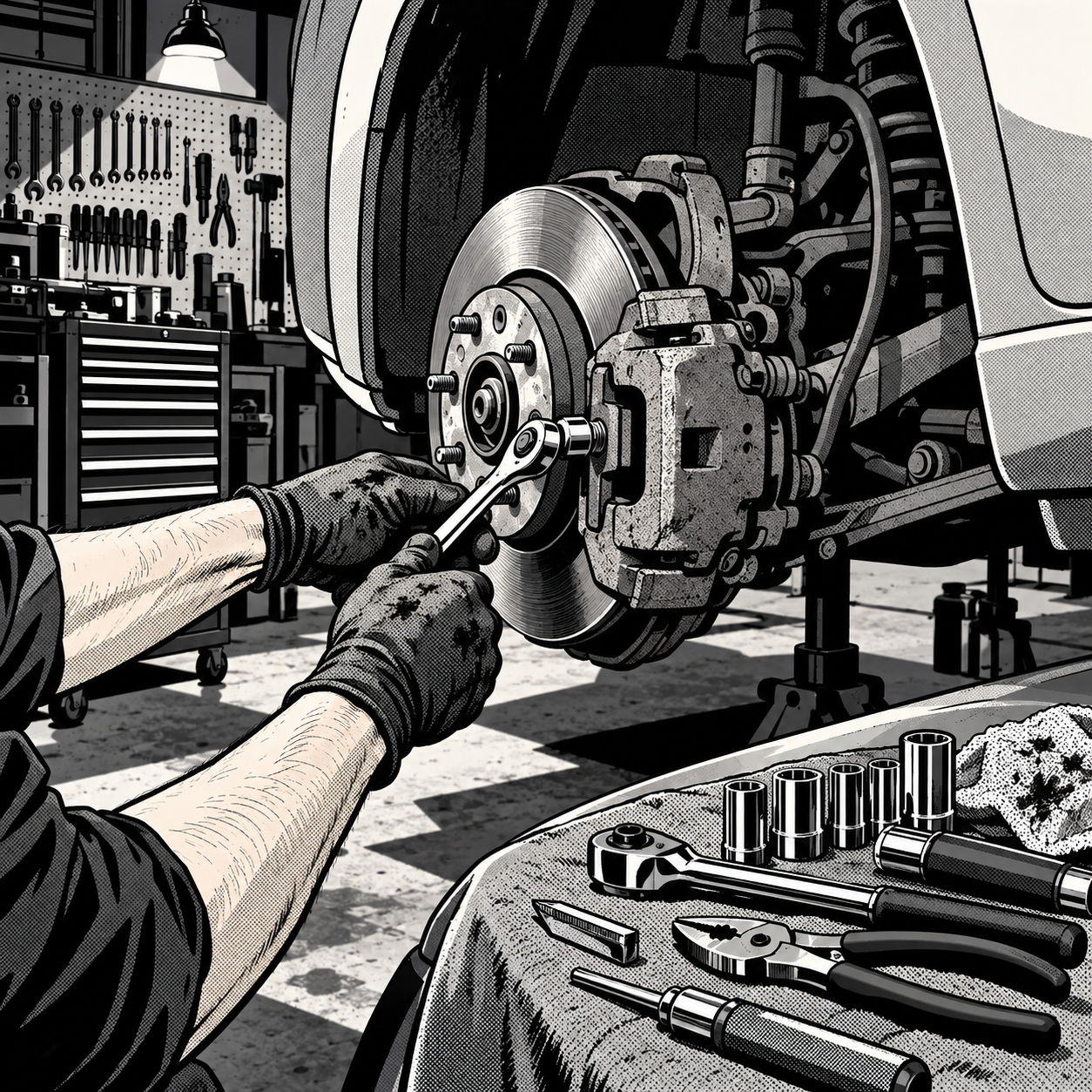
Every tech who’s ever considered leaving a shop job eventually asks the same question: what happens to the tool box? A rolling cabinet full of Snap-on or Mac wrenches represents years of payments, debt, and sweat equity, and it’s tempting to cash it out when a career change comes along. But technicians who’ve actually made that move tend to agree on one thing almost unanimously — selling your tools is rarely worth it. Here’s a practical breakdown of what to keep, what’s safe to let go, and how to handle storage, resale, and repurposing if you’re stepping away from wrenching as a full-time job.
Why Selling Your Tools Is Usually a Mistake
The math on tool resale almost never works in your favor. A $40,000 tool collection built up over a decade won’t fetch anywhere close to that on the used market — tool trucks lowball trade-ins, and private buyers on Facebook Marketplace know they’re getting a deal when a tech is desperate to unload a box fast. Beyond the dollar amount, there’s a practical reality: you still own a car, and so does everyone in your family. Unless you plan to pay a shop rate for every oil change, brake job, and suspension repair for the rest of your life, keeping a basic working set pays for itself the first time your alternator dies on a Saturday.
There’s also the side-income angle. Techs who move into aviation, marine, manufacturing, or completely unrelated fields often find that weekend wrench work for friends and family becomes a reliable source of extra cash — work they can pick and choose, without a service writer breathing down their neck. Giving up the tools that make that possible closes a door that’s expensive to reopen later.
What to Keep vs. What’s Safe to Sell
Not every tool in the box deserves the same treatment. A reasonable way to sort through a collection:
- Keep: Daily-use hand tools — ratchets, sockets, wrenches, screwdrivers, pliers. These get used on your own vehicles and around the house regardless of what job you have next.
- Keep: Diagnostic basics like a multimeter and a general OBD-II scanner. You’ll want these for your own cars even if you never touch a lift again.
- Consider selling: High-dollar, job-specific electronics that only make sense in a working shop — electronic torque wrenches, OEM-level scan tools with annual subscriptions, or brand-specific programming equipment. These lose value if subscriptions lapse, and if you’re not working on that make and model daily, they’re dead weight.
- Consider selling: One-off specialty tools bought for a single job on a specific vehicle platform you’re unlikely to work on again as a hobbyist.
A good rule of thumb: if you’d buy it again for your own garage, keep it. If it only earns its keep inside a dealership or production shop environment, it’s a reasonable candidate to sell.

1/2 In Drive Digital Torque Checker (5-100 ft-lb)
Mfg: CDI Torque Products
Part #: 1003-F-DTC


Toolbox Decisions: Keep, Downsize, or Sell
The box itself is a separate decision from the tools inside it. A large rolling Snap-on or Mac cabinet holds its value better than most of the tools that go in it, which gives you a few options:
- Keep the big box, sell nothing: If you have the garage space, a full-size box is still the best organizational system you’ll ever own, and it’ll outlast several career changes.
- Sell the box, keep the tools: Some techs swap an expensive tool-truck box for a budget cabinet (think Harbor Freight or Husky) in the $400-$700 range and pocket the difference, while keeping every tool they actually use. This is a common move when garage space is tight or a big financed box doesn’t make sense anymore.
- Downsize to a bench box or stack: If you’re moving into a smaller space — an apartment, a rental, a shared garage — a smaller rolling or stacked tool chest keeps the essentials accessible without the footprint of a full dealership-style cabinet.
One thing to watch for with financed boxes from a tool truck: check your payoff balance before doing anything. Selling a box you still owe money on, or handing it back to the truck as “trade,” often nets far less than a private sale once the loan is settled.
[PRODUCT_SEARCH: digital torque wrench]
Where to Sell Specialty Tools for Fair Value
If you’ve sorted out which items are genuinely surplus, how you sell matters as much as what you sell. Tool trucks will almost always offer the lowest price — it’s convenient, but you’re paying for that convenience in lost value. Better options:
- Facebook Marketplace and local trade groups: Consistently cited as the best return for name-brand tools, especially in areas with active trade communities. Price specialty and electronic items based on recent comparable listings, not what you originally paid.
- Direct trades with other techs: Swapping tools for something you actually need (a motorcycle, a dirt bike, a different tool you’re missing) can net more practical value than cash, especially for bulky specialty tools with a narrow buyer pool.
- Shop bulletin boards or group chats: Other techs know the going rate for OEM scan tools and specialty kits better than a general marketplace audience, and they’re often willing to pay closer to fair value for something they’ll use immediately.
Whatever route you choose, expect brand-name tools — Snap-on and Mac in particular — to sell for a fraction of retail. That’s normal, and not a reason to panic-sell at tool-truck trade-in prices just to be done with it.
Storage and Maintenance for Tools You’re Not Using Daily
If you’re keeping a full set but won’t be using it in a working shop anymore, protecting that investment during storage matters:
- Wipe down tools before long-term storage to remove shop grease, brake dust, and fuel residue — this buildup accelerates corrosion and isn’t something you want sitting in a closed drawer indefinitely.
- Use a light rust inhibitor or tool oil on chrome and precision surfaces (torque wrenches, calipers, micrometers) if the storage space isn’t climate-controlled.
- Store electronic diagnostic equipment and battery-powered tools separately, with batteries removed or at a partial charge, to avoid corrosion and dead-cell issues over months of non-use.
- If the box itself is going into a garage or shed rather than daily service, check drawer slides and casters periodically — they can stiffen or rust if the box sits unused in a humid space.
Repurposing a Toolbox at Home (What Actually Works)
It’s common to see old shop toolboxes get a second life as garage storage, a workbench base, or even furniture — but a few practical and safety notes apply. A box that’s spent years in a shop environment has likely absorbed oil, fuel vapor, and brake dust residue into its paint and seams; that’s a reasonable consideration if you’re thinking about bringing it inside the house for anything other than tool storage. It’s better suited to garage or workshop use than as household furniture.
If you’re repurposing a box as general storage, mount it securely or keep it against a wall, especially in a home with kids — a top-heavy rolling cabinet with open drawers is a tip-over risk. For audio or accessory upgrades (some techs wire speakers or a radio into their box hutch), make sure any modifications don’t compromise drawer function or weight balance.
[PRODUCT_SEARCH: rolling tool cabinets and tool chests]
Quick Decision Checklist
- Confirm you’re financially settled on the box (no remaining tool-truck balance) before selling anything
- Separate “daily-use hand tools” from “job-specific specialty tools” before making any decisions
- Price specialty electronics and OEM scan tools against current listings, not original cost
- Check local marketplaces and trade groups before accepting a tool-truck trade-in offer
- Clean and treat tools for long-term storage if they won’t see daily use
- Keep at least a basic hand-tool set and a general scanner for your own vehicles, regardless of career change

GearWrench 41 Inch GSX Series Rolling Tool Cabinet and Chest
Mfg: GearWrench
Part #: GSX41COMBO

Beta RSC24 Heavy Duty 8-Drawer Rolling Tool Cabinet, Black, 29.1
Mfg: Beta Tools
Part #: RSC24/8-N
FAQs
Should I sell my tools if I’m leaving automotive for good?
Most experienced techs recommend keeping at least a core set of hand tools and basic diagnostics, even if you never plan to work in a shop again. You’ll still own vehicles, and resale value rarely matches replacement cost down the road.
What’s the best way to sell high-end tools without losing too much value?
Local marketplace listings and trade groups typically return more than a tool-truck trade-in. Price against recent comparable sales, and expect brand-name tools to sell well below retail regardless of channel.
Is it worth keeping a large tool box if I’m downsizing my garage space?
Not always. Selling a large financed box and replacing it with a budget rolling cabinet is a common move that frees up cash and space while keeping every tool you actually use.
Can I safely bring an old shop toolbox into my house for storage?
It’s better kept in a garage or workshop. Years of shop use can leave oil, fuel, and dust residue embedded in the paint and seams that’s difficult to fully clean, so it’s not ideal for household use.
Which tools lose the most value if I don’t use them?
Electronic and subscription-based equipment — OEM scan tools, programming equipment, and electronic torque wrenches — depreciate fastest once subscriptions lapse or firmware goes unsupported. These are the best candidates to sell early if you’re not using them.
How do I protect tools in long-term storage?
Clean off shop residue, apply a light rust inhibitor to precision and chrome tools, store batteries separately, and periodically check box hardware like casters and drawer slides if humidity is a factor.
Shop Tool Storage Solutions
Proper storage protects your investment and keeps your tools organized and accessible. Explore our Tool Storage collection for solutions that fit your space and needs.
- Rolling cabinets and tool chests for organized storage
- Wall-mounted organizers and drawer systems
- Portable and benchtop tool boxes

The Toolsource Technical Team blends decades of real-world automotive service experience with up-to-date technical research. Our writers collaborate with professional mechanics, shop owners, and diagnostic specialists to deliver practical, workshop-ready guidance you can trust.


Follow us on social media