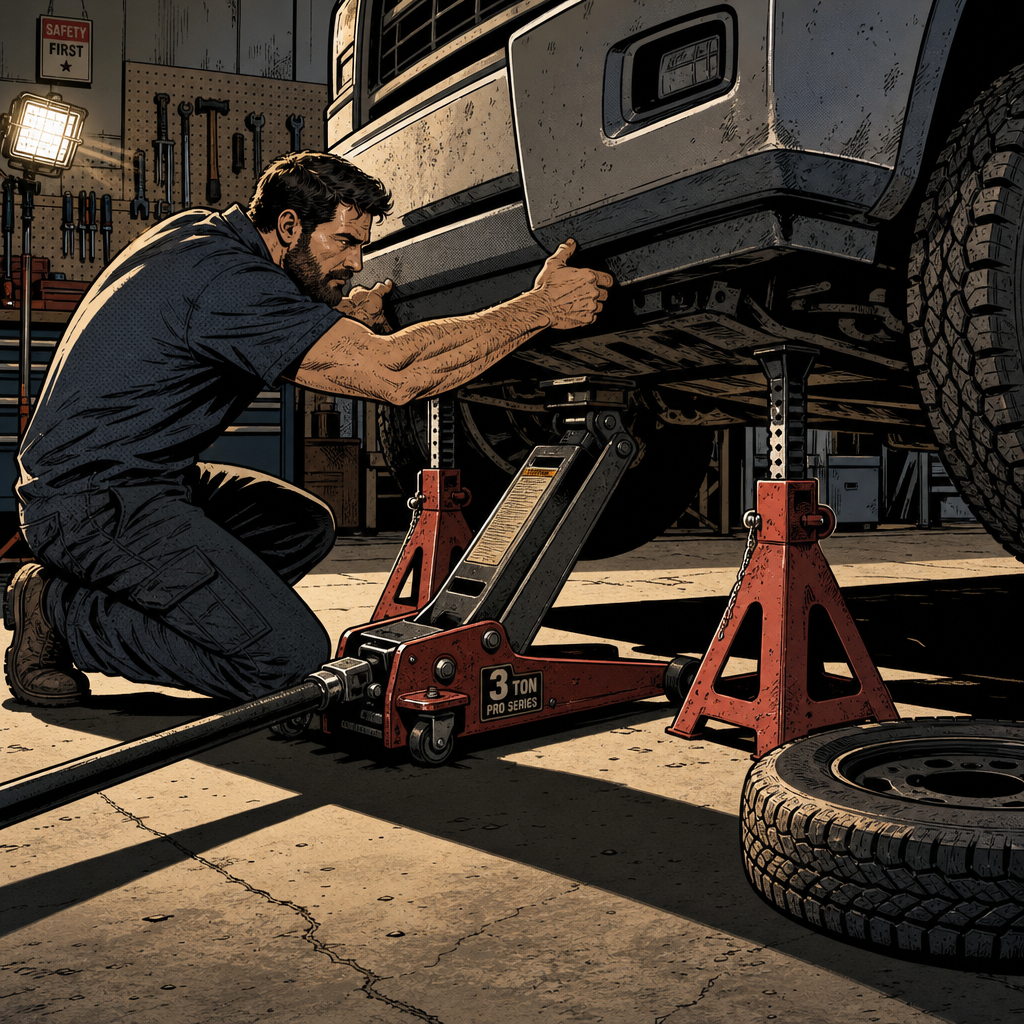
Every year, people are seriously injured or killed when a vehicle falls off a jack or jack stand while someone is underneath it. Most of these incidents share a common thread: the vehicle was being held up by a single point of support with no backup plan. The fix isn’t complicated or expensive — it’s a habit of redundancy that experienced technicians build into every lift, every time, regardless of how routine the job seems. This guide covers the practical steps for setting up safe support, checking stability before you commit to going underneath, and avoiding the mistakes that turn a simple brake job or oil change into a trip to the emergency room.
Why a Single Jack Stand Is Never Enough
A jack stand is a mechanical device with a ratchet pawl and a locking pin holding a cast bar inside a steel sleeve. That design is reliable when the stand is rated correctly, in good condition, and loaded within spec — but “reliable” is not the same as “fail-proof.” Stands can be knocked out of position, placed on a cracked section of concrete, loaded off-center, or simply be a counterfeit or fatigued unit that doesn’t meet its stated rating. The core safety principle technicians follow is simple: never trust your life to any single point of failure. That means a hydraulic jack by itself is never acceptable to work under, and even a single jack stand per lift point isn’t treated as sufficient on its own — it’s treated as the primary support that gets backed up by at least one more independent method.
This isn’t paranoia for its own sake. When a jack stand or jack does fail, it fails fast — there’s no slow sag that gives you time to react. The entire point of redundancy is that you never find out your primary support failed while you’re still under the car.
Building a Redundant Support Setup
The standard approach used by working mechanics is straightforward: lift the vehicle with the jack, set it down onto properly rated jack stands at the manufacturer’s lift points, and then add at least two more layers of backup before sliding underneath.
- Leave the hydraulic jack in place under the vehicle, lowered just enough that the stands are carrying the load but the jack saddle is still close to (or barely touching) the pinch weld or frame. If a stand lets go, the jack catches the car before it drops far.
- Slide a spare tire or wheel under the frame or rocker, oriented so it would catch the vehicle if it came down. This is cheap insurance — a wheel costs far less than a hospital visit, and it’s already sitting in your garage if you’ve pulled the wheels for the job.
- For extra margin on jobs where you’ll be fully under the vehicle for a long stretch (transmission work, exhaust, subframe work), add a second stand per side, or stack dense wood blocking as an additional catch point.
None of these backups need to bear the full weight under normal conditions — their job is to limit how far the vehicle can fall if the primary support fails, and ideally to stop it from reaching the ground (and you) at all.
===PRODUCT_SEARCH_1===


Testing Stability Before You Commit to Going Underneath
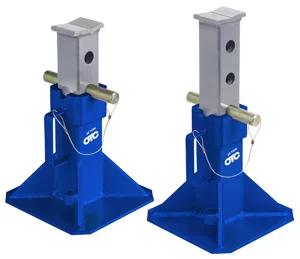
Before any part of your body goes under the vehicle, test the setup while you’re still standing. With the wheels still on (or just after they’re off), grab a bumper, rocker panel, or frame rail and push/pull/shake it in multiple directions — forward-back, side-to-side, and a vertical bounce. A stable setup won’t move, and you shouldn’t hear clunking or shifting that suggests the car isn’t fully seated on the stands. If you’re on a two-post lift or working on a vehicle with an unusual weight distribution (long front overhang, rear-mounted equipment, etc.), be aware the load can be concentrated further forward or back than expected — this is also a reason some techs give the car a firm shove from outside the vehicle after it’s on stands and before anyone goes under, so if something is going to give way, it does so while no one is in the crush zone.
Also check:
- That the stands are on level, solid ground — not gravel, asphalt that’s soft in summer heat, or a cracked slab.
- That the stand’s saddle is seated on a flat, structurally sound lift point, not a rocker seam, exhaust component, or plastic underbody panel.
- That the locking pin and ratchet pawl are fully engaged — a stand that “settles” slightly under load as the ratchet teeth seat is normal; a stand that keeps dropping is not.
Minor wobble in a jack’s lift arm or a stand’s ratchet bar with no load on it is normal and doesn’t indicate a defect — these components are designed with enough tolerance to ratchet and lock, not to be a zero-clearance fit. The wobble you’re checking for is in the whole setup once weight is on it, not in an unloaded stand sitting on the bench.
Choosing the Right Jack and Stands for the Job
Equipment selection matters as much as technique. A few non-negotiables:
- Never use a scissor jack to support a vehicle you’re going to work under. Scissor jacks that come with vehicles are designed only to lift one corner just high enough to swap a tire on the roadside, and they’re unstable on anything but flat, solid ground. They are not a substitute for a floor jack and stands.
- Buy jack stands and floor jacks rated well above the actual weight they’ll see. A 3-ton jack and 3-ton-rated stand pair is a common baseline for most passenger vehicles and light trucks; size up for larger trucks and SUVs.
- Look for a safety/locking pin on floor jacks in addition to the standard release valve — this adds a mechanical lock against the hydraulics failing, similar in concept to a jack stand’s ratchet pin.
- Buy from a reputable source and inspect used equipment carefully. Bent stand legs, a sleeve that doesn’t sit flush, a pawl that doesn’t engage cleanly, or a jack that leaks fluid are all reasons to retire the equipment rather than risk it.
Cast/steel construction with a welded sleeve and solid ratchet bar is the standard, reliable jack stand design — there’s no need for off-label modifications or improvised reinforcement if the stand itself is in good condition and correctly rated. Spending money on quality lifting equipment is one of the best investments a home garage or shop can make, specifically because this is the one category of tool failure that can kill you.
Common Mistakes That Lead to Collapses
Most jack stand incidents trace back to a small set of repeatable errors:
- Working under a vehicle supported by the jack alone, with no stands at all.
- Placing stands on sloped, soft, or uneven ground without checking level first.
- Resting the stand’s saddle on a plastic undertray, exhaust pipe, or any point that isn’t a rated lift point.
- Skipping the shake test because the job “feels routine.”
- Using a single stand per side on a vehicle where you’ll have significant body weight or leverage (breaking loose a stubborn bolt) concentrated under that corner.
- Ignoring a pawl that isn’t fully seated because “it’s probably fine.”
Individually, each of these might not cause a failure. Combined, they’re how most under-vehicle accidents happen — it’s rarely one dramatic error, it’s a stack of small shortcuts.
What to Do If Something Feels Wrong
If a stand shifts, the vehicle rocks more than expected, or you hear a new noise once you’re partway under the car, stop and back out before continuing — don’t try to diagnose it from underneath. Re-set the jack, re-check the lift points, and re-run the shake test. If a stand shows any visible damage — a bent leg, a sleeve that’s out of square, a pawl that won’t lock — remove it from service permanently rather than “just using it for light jobs.” There’s no job light enough to justify compromised lifting equipment.
Quick Pre-Lift Checklist
- Jack and stands rated above the vehicle’s actual corner weight
- Vehicle on level, solid ground — not gravel or sloped asphalt
- Stands seated on a manufacturer-specified lift point, pin fully engaged
- Jack left under the vehicle (lowered slightly) as backup support
- Spare wheel/tire slid under the frame for additional redundancy
- Shake test performed before going underneath
===PRODUCT_SEARCH_2===
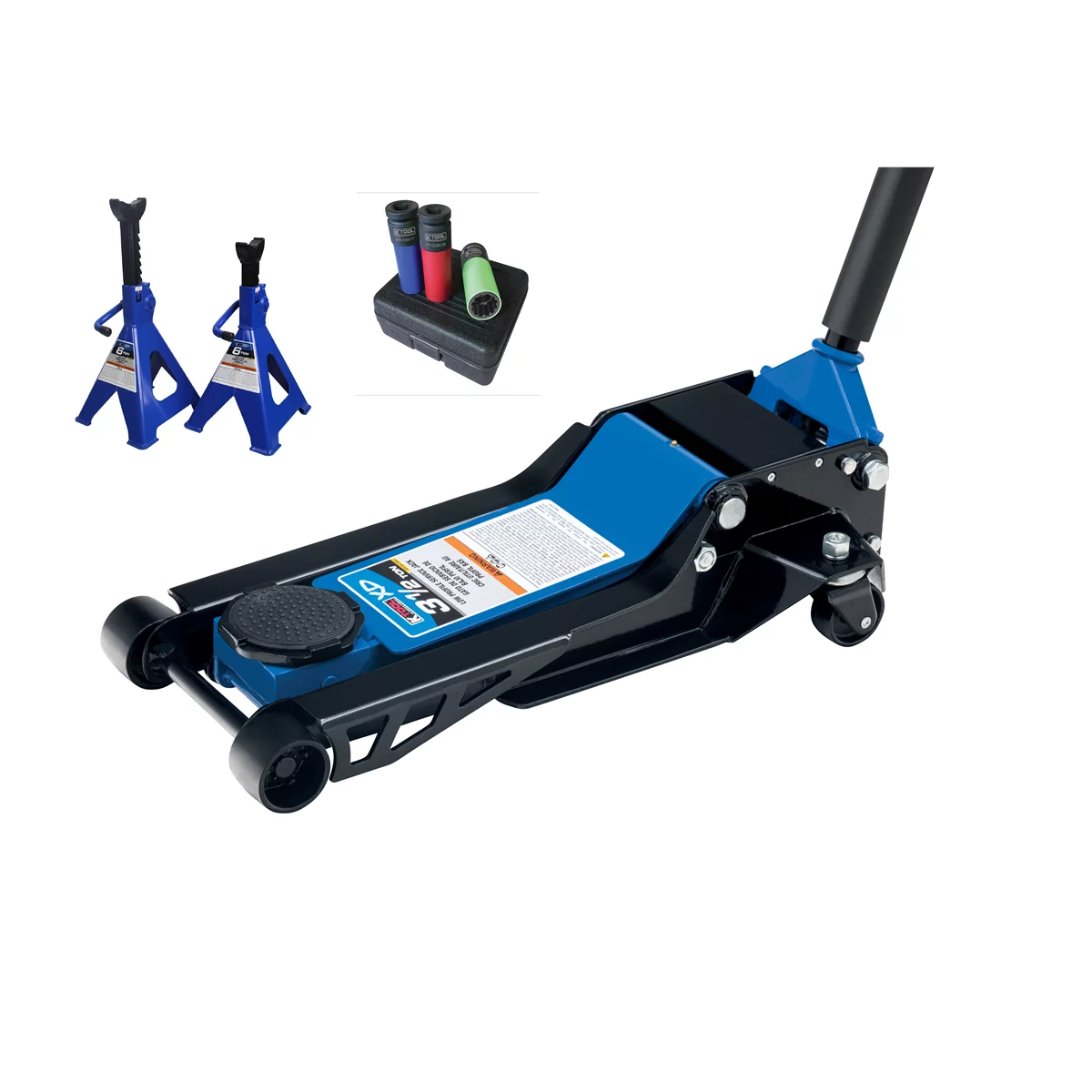
3.5 TON JACK/6-TON JACK STANDS/SOCKETS
Mfg: K Tool International
Part #: KTIXD13002KIT

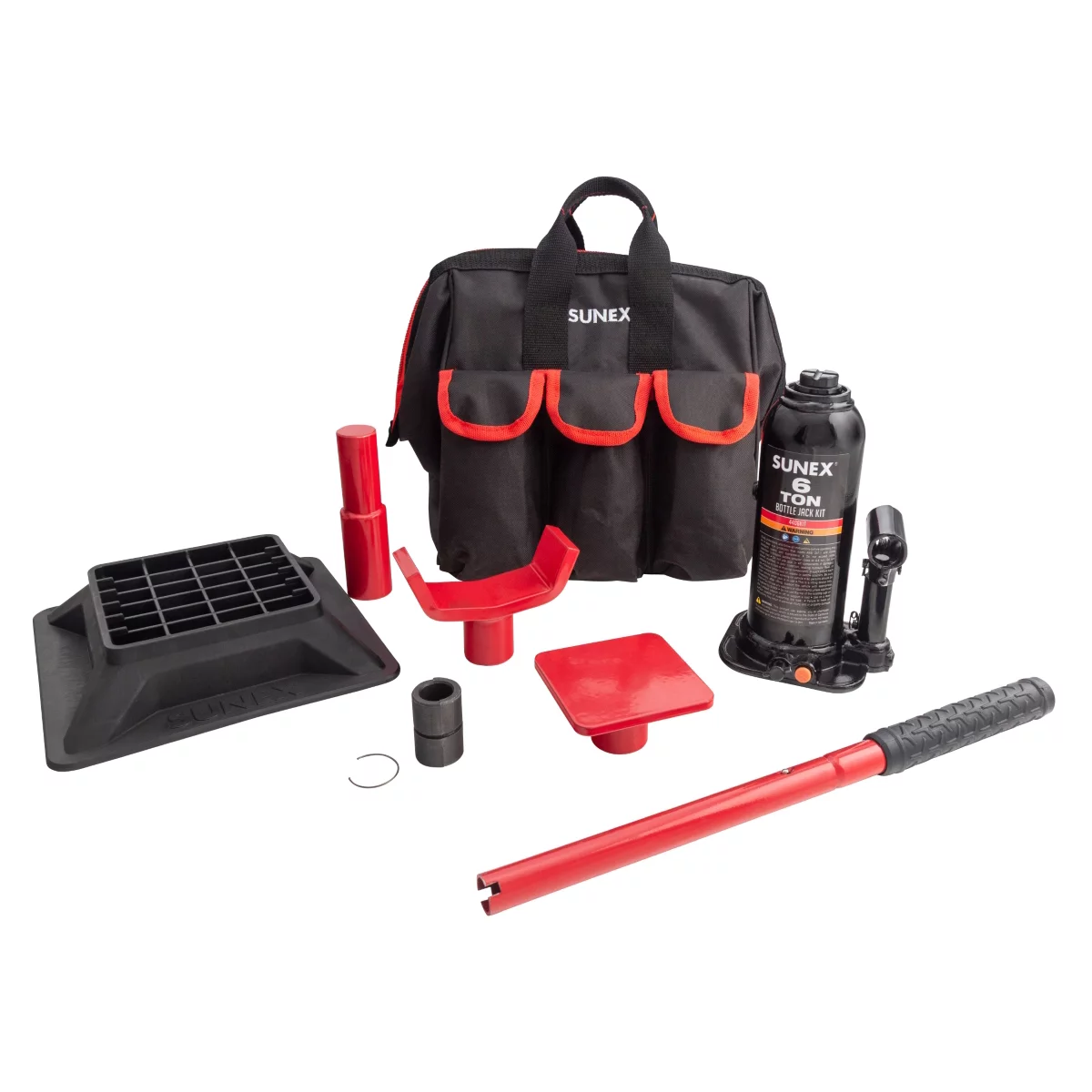
22 Ton Air/Hydraulic Truck Jack AND 1-inch drive impact wrench
Mfg: K Tool International
Part #: 63197KIT2
FAQs
Is it ever okay to use just one jack stand per side?
Technically a correctly rated stand can hold that corner, but it’s not considered safe practice because it removes your redundancy. Most techs use a second stand, the jack itself, or a spare tire as backup on every lift point.
Why does my jack stand wobble when there’s no weight on it?
This is normal. The ratchet bar sits inside the sleeve with clearance so it can rack up and down freely; the pawl and locking pin are what prevent it from dropping, not a tight mechanical fit. Once the vehicle’s weight is resting on the stand, that play disappears.
Can I use a scissor jack that came with my car to support it while I work underneath?
No. Scissor jacks are designed only for brief, supervised tire changes on the roadside and are not rated or stable enough to support a vehicle for sustained work. Use a floor jack and rated stands instead.
Do I need to put a tire under the car if I already have two jack stands?
It’s recommended, especially for jobs where you’ll be fully underneath for an extended time. A spare wheel is a free, already-available backup that limits how far the vehicle can drop if a stand fails.
How do I know if my jack stands are rated for my vehicle?
Check the stand’s stamped weight rating against your vehicle’s curb weight and the specific corner load you’re lifting — rear-engine or heavily loaded trucks can concentrate more weight on one end. When in doubt, size up rather than down.
What’s the “shake test” and why does it matter?
It’s a quick stability check — pushing and rocking the vehicle in multiple directions once it’s on stands, before anyone goes underneath. If the vehicle moves, clunks, or feels unsettled, something in the setup needs to be fixed before you proceed.
Recommended Tools
Building safe redundancy starts with quality equipment. Browse our lifting equipment selection for floor jacks, jack stands, and specialty lifting solutions that support the multi-layer approach to vehicle support.
- Floor jacks and hydraulic systems
- Jack stands in multiple ratings for primary and backup support
- Lifting solutions for different vehicle types

The Toolsource Technical Team blends decades of real-world automotive service experience with up-to-date technical research. Our writers collaborate with professional mechanics, shop owners, and diagnostic specialists to deliver practical, workshop-ready guidance you can trust.


Follow us on social media