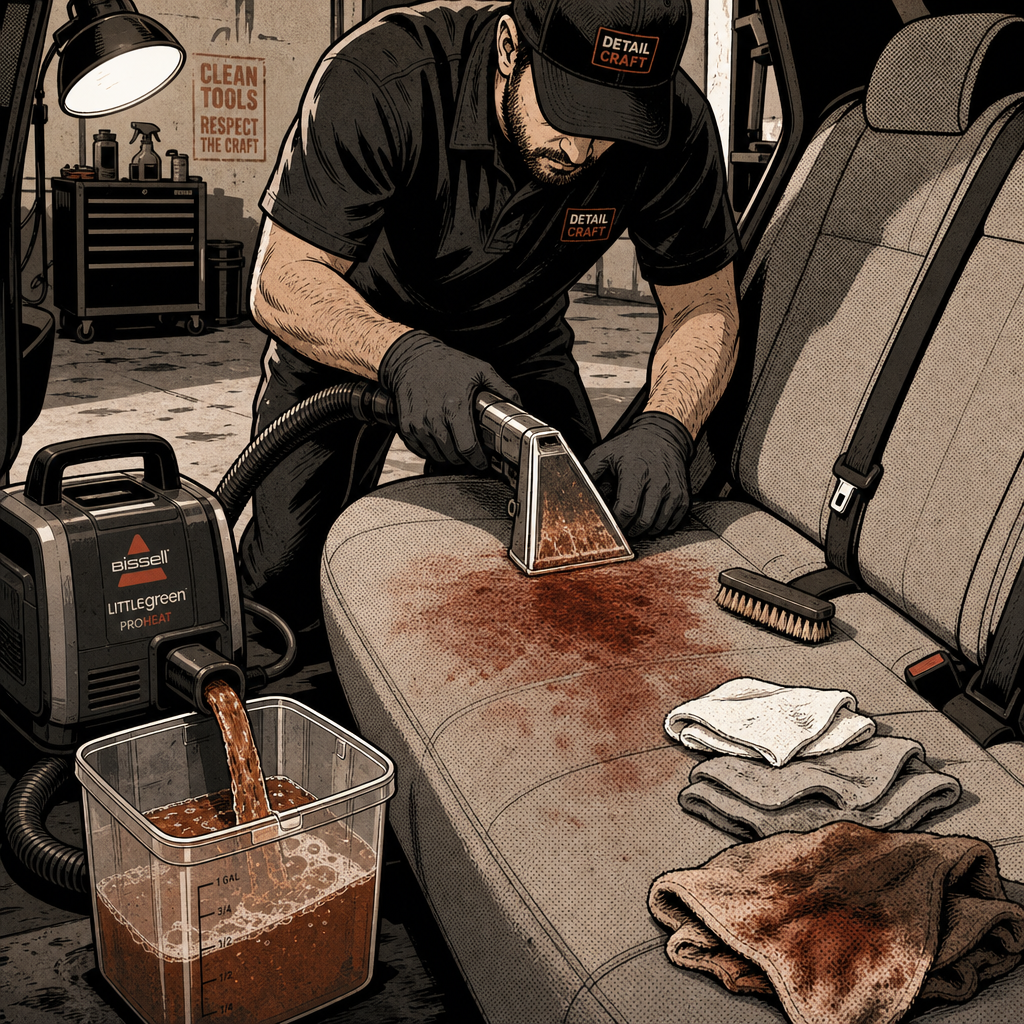
When an emergency strikes—whether it’s rushing an injured pet to the veterinarian or dealing with a medical situation—the last thing on your mind is protecting your vehicle’s interior. But once the crisis passes, you’re left facing what looks like an impossible cleaning job. Blood stains on car upholstery can appear catastrophic at first glance, but with the right approach, tools, and cleaning agents, even severe contamination can be completely removed. This guide breaks down the professional techniques that can restore your vehicle’s interior to showroom condition, saving you thousands of dollars in reupholstery or replacement costs.
Understanding Why Blood Stains Are So Difficult
Blood presents unique challenges as a staining agent due to its protein-based composition. When blood contacts fabric, the proteins bind to textile fibers at a molecular level. Heat exposure—from direct sunlight, warm weather, or hot water—causes these proteins to coagulate and set permanently into the material, making removal exponentially harder. Fresh blood is significantly easier to address than dried or heat-set stains, but even old, dried blood can be successfully removed with persistence and proper technique.
The iron content in blood creates the characteristic rust-brown color you see in dried stains. This iron oxidizes over time, creating a secondary staining layer on top of the protein binding. Both the protein structure and the iron oxidation must be addressed separately for complete removal. Understanding this dual-action staining mechanism explains why simple soap and water often fail—you need products that can break down proteins while also addressing metal-based discoloration.
Fabric type also plays a critical role. Tightly woven synthetic automotive upholstery tends to resist stain penetration better than cloth or velour seats. Leather and vinyl surfaces allow for easier cleanup since blood sits on the surface rather than absorbing into fibers. However, stitching, perforations, and seams create pockets where blood can pool and set, requiring extra attention during the cleaning process.
Essential Tools and Products for Blood Removal
The most effective tool for serious upholstery blood removal is a portable upholstery extractor, commonly known by brand names like the Bissell Little Green Machine. These devices combine hot water, cleaning solution, and strong suction to penetrate deep into upholstery fibers, break down stains, and extract contaminated liquid. The agitation brush action physically loosens dried blood particles while the extraction removes them completely rather than just spreading them around.
Cold water is absolutely critical for the initial stages of blood removal. Hot water will cook the proteins and permanently set the stain. Your extractor should be filled with cold or cool water for the first several passes. Only after the majority of visible blood has been removed should you consider using warm water to address any remaining discoloration.
For cleaning solutions, enzyme-based cleaners are the gold standard for protein stain removal. These products contain biological enzymes that literally digest blood proteins, breaking them down into smaller molecules that can be flushed away. Look for products specifically labeled for protein stain removal or pet accident cleanup—these formulations are designed to handle blood, urine, and other biological contaminants. Hydrogen peroxide-based cleaners provide an alternative approach, using oxidation to break down both proteins and iron-based discoloration, though they should be tested in an inconspicuous area first as they can bleach some fabrics.
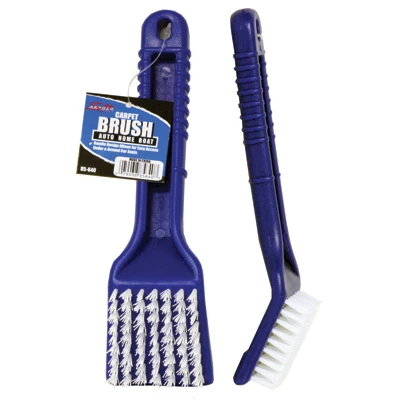
Stiff-bristled upholstery brushes prove invaluable for working cleaning solution into fabric and physically agitating dried blood deposits. Microfiber towels in multiple colors help you track your progress—as you extract and blot, switching to clean towels prevents redepositing contamination back into the upholstery. Having a dozen or more towels on hand isn’t excessive for a major cleanup job.

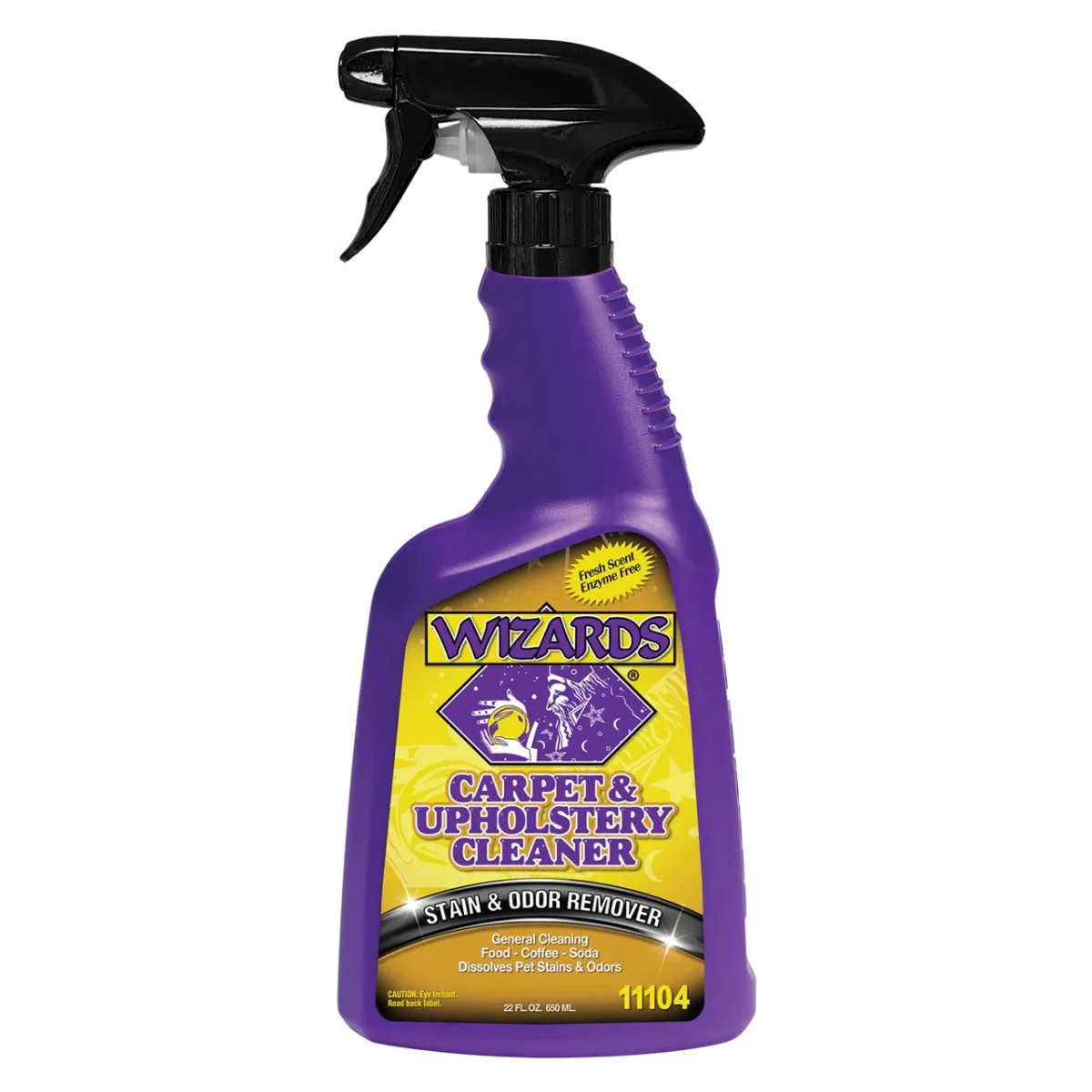
11104 Carpet and Upholstery Cleaner, 22 oz Spray Bottle
Mfg: Wizard Industries
Part #: 11104
Step-by-Step Blood Removal Process
Begin by removing any solid debris or heavily contaminated materials from the affected area. If floor mats are saturated, remove them entirely for separate cleaning or disposal. Use paper towels or shop rags to blot up any wet blood, working from the outside edges of the stain toward the center to prevent spreading. Never rub or scrub at this stage—blotting pulls liquid up and out rather than grinding it deeper into fibers.
Pre-treat the affected area with your enzyme cleaner according to manufacturer directions. Most enzyme products require 10-15 minutes of dwell time to break down proteins effectively. During this waiting period, the enzymes are actively working to digest the blood proteins, so resist the urge to rush this step. For dried blood, you may need to apply cleaner and let it penetrate for longer—some professionals recommend covering treated areas with damp towels to prevent the cleaner from drying out during the dwell period.
Once the pre-treatment has had time to work, begin extraction with your upholstery cleaner filled with cold water and appropriate cleaning solution. Make overlapping passes across the stained area, moving slowly enough that the machine can extract maximum liquid with each pass. You’ll see contaminated water flowing into the machine’s recovery tank—this discolored liquid is the stain being pulled from your upholstery. Empty and refill your extractor frequently to prevent redepositing dirty water back into the fabric.
The process requires patience and repetition. Expect to make 5-10 extraction passes over heavily stained areas, each time pulling out more contamination. Between extraction passes, use your stiff brush to agitate stubborn areas where blood has dried into the fabric weave. This physical agitation loosens particles that the extractor can then remove. Watch your recovery tank—as the extracted water becomes clearer, you’re approaching complete stain removal.
For blood that has seeped into seams, stitching, or around seat belt anchors, you may need to use a detail brush or even a toothbrush to work cleaner into these tight areas. Apply enzyme cleaner directly to the brush and scrub these problem spots, then extract repeatedly. Some technicians use compressed air to blow contaminated liquid out of seams before extraction to improve results in these difficult areas.
Addressing Stubborn Residual Staining
After your initial cleaning effort, most visible blood should be gone, but you may notice light brown or rust-colored shadows remaining in the fabric. This residual staining is typically iron-based oxidation that requires a different approach than protein removal. At this stage, you can switch to warm water in your extractor and use a oxygen-based cleaner or hydrogen peroxide solution.
Three percent hydrogen peroxide from the pharmacy can be applied directly to remaining stains. Pour it onto the discolored area and watch for foaming—this bubbling action indicates the peroxide is breaking down the iron compounds causing the discoloration. After the foaming subsides (usually 2-3 minutes), extract thoroughly with your upholstery cleaner. Repeat this process as needed, but always extract completely to remove peroxide residue that could damage fabric over time.
For particularly stubborn staining on light-colored upholstery, some professionals create a paste using oxygen cleaner powder (like OxiClean) and cold water. Apply this paste to remaining stains, work it in with a brush, allow 15-20 minutes of dwell time, then extract repeatedly until all residue is removed. The powder provides sustained oxidation action that can lift stains resistant to liquid treatments alone.
Steam cleaning represents another option for final stain removal, though it should only be used after all blood protein has been removed. Steam heat will set protein stains permanently, but once the protein is gone, steam can help lift residual iron discoloration while simultaneously sanitizing the upholstery. If you have access to a steam cleaner with upholstery attachment, use it as a final step after enzyme and peroxide treatments.
Prevention and Quick Response Strategies
The single most effective prevention measure is keeping a large beach towel or waterproof seat cover in your vehicle for emergencies. When seconds count during a crisis, grabbing a towel to protect your seats takes virtually no time but can prevent extensive damage. Waterproof quilted seat protectors designed for pets provide even better protection and can be quickly installed over rear seats.
For fresh blood exposure, immediate cold water treatment makes an enormous difference in final results. If you can treat the stain within the first hour—before proteins set and iron oxidizes—removal becomes dramatically easier. Keep a spray bottle of enzyme cleaner and microfiber towels in your vehicle for immediate response. Spray heavily, let it dwell while you handle the emergency, then blot thoroughly when possible. This simple step can reduce a potential 2-hour restoration job to a 15-minute touch-up.
Understanding that heat is your enemy allows you to make smart decisions during cleanup. Don’t park in direct sun after blood exposure—the heat will accelerate stain setting. If possible, park in shade or a garage. Avoid using hot water or steam until you’re certain all protein-based blood components have been fully removed. These simple temperature management strategies significantly improve your chances of complete stain removal.
For professional detailers or mobile technicians who may encounter these situations regularly, investing in quality extraction equipment pays for itself quickly. A mid-grade upholstery extractor (in the $150-300 range) combined with professional enzyme cleaners allows you to tackle jobs that would otherwise require complete seat reupholstery costing thousands of dollars. Having the right tools transforms an impossible job into a routine, if labor-intensive, cleaning task.
Quick Reference Blood Removal Checklist
- Blot fresh blood immediately with cold water and paper towels—never rub
- Apply enzyme-based cleaner and allow 15+ minutes dwell time
- Use upholstery extractor with COLD water for initial extraction passes
- Make multiple overlapping passes, emptying recovery tank frequently
- Agitate stubborn areas with stiff upholstery brush between passes
- Address residual staining with hydrogen peroxide or oxygen cleaner
- Extract thoroughly after each treatment to remove all cleaning residue
- Allow upholstery to dry completely before assessing results
- Repeat process if necessary—severe stains may require multiple sessions
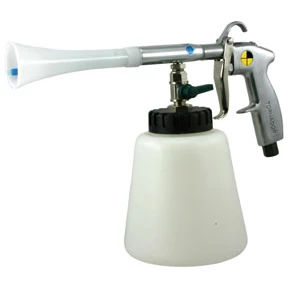
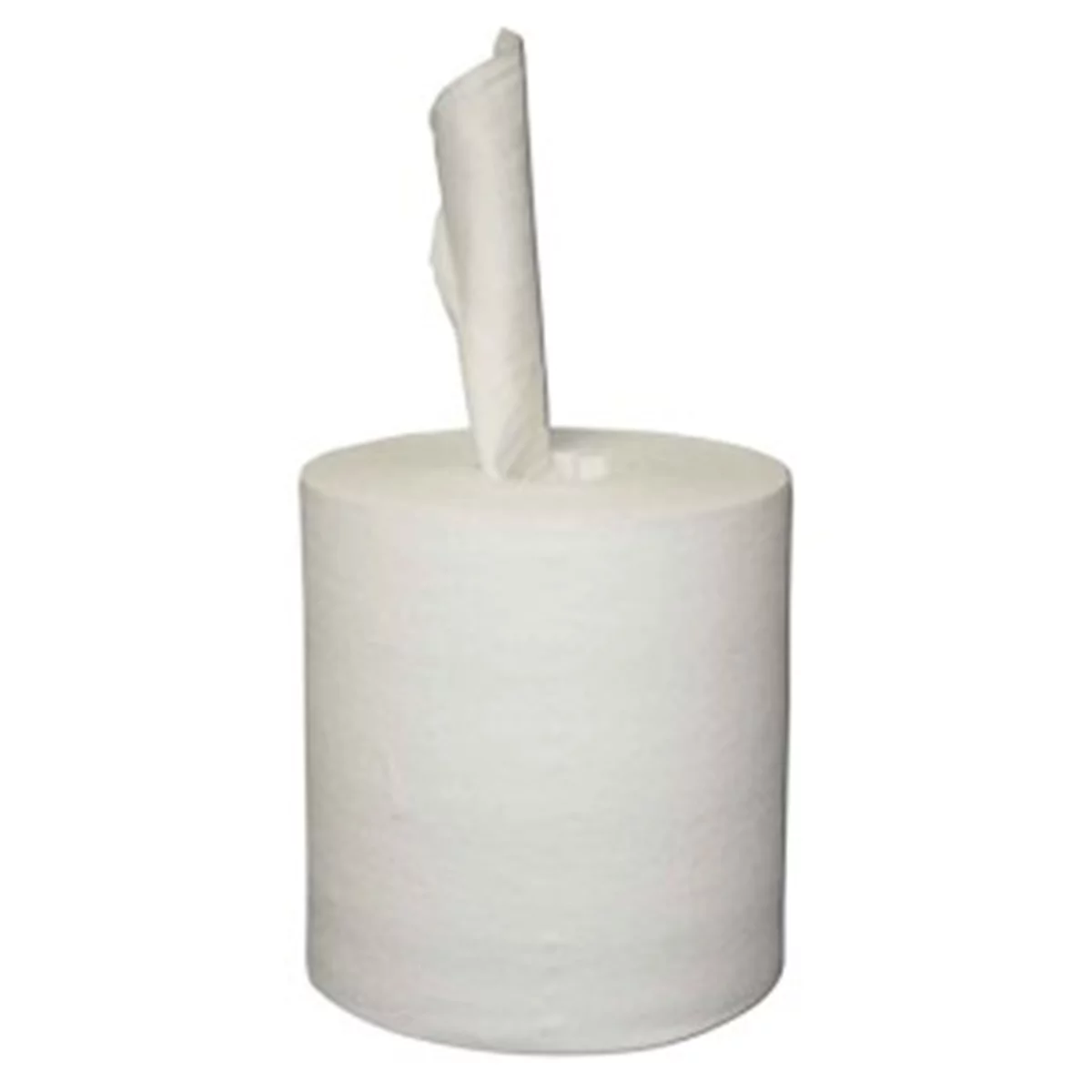
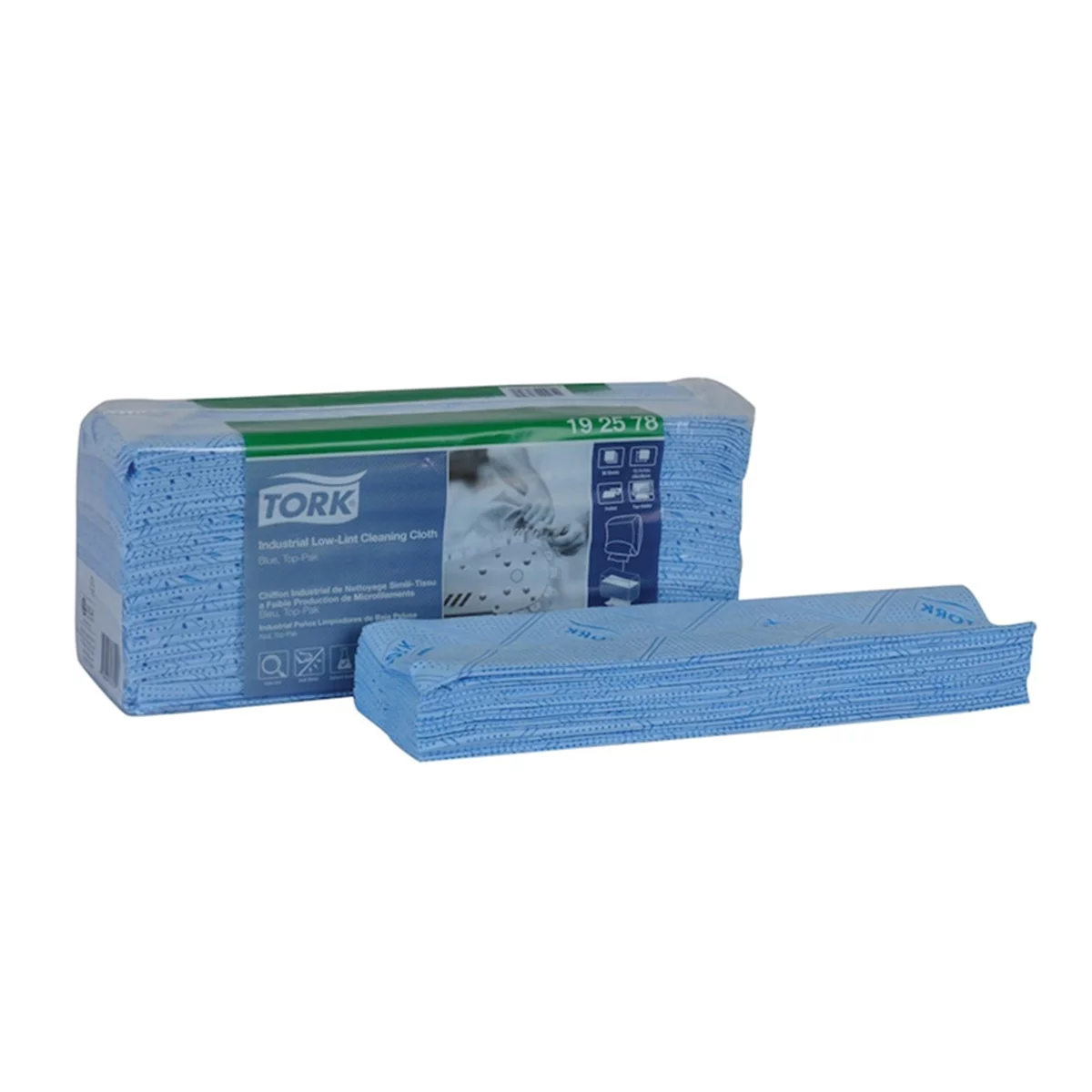
192578 Top-Pak Industrial Low Lint Cleaning Cloth, 12.83 in
Mfg: Tork Molnlycke
Part #: 192578
Frequently Asked Questions
Can you really remove severe blood stains from car upholstery completely?
Yes, even extensive blood contamination can be removed completely with proper technique and equipment. The key factors are using enzyme-based cleaners to break down proteins, working with cold water initially to prevent stain setting, and using an upholstery extractor to physically remove contamination from deep within fabric fibers. Jobs that look catastrophic can be restored to like-new condition, though severely stained upholstery may require 1-3 hours of dedicated cleaning work.
What’s the best cleaner for removing blood from car seats?
Enzyme-based cleaners specifically formulated for protein stain removal provide the best results. Products marketed for pet accident cleanup work excellently because they’re designed to break down blood, urine, and other biological contaminants. Popular options include Nature’s Miracle, Bissell Professional Pet Stain & Odor, and Rocco & Roxie enzymatic cleaners. For residual staining after protein removal, hydrogen peroxide (3% solution) or oxygen-based cleaners like OxiClean effectively address iron-based discoloration.
How long does it take to clean blood out of car upholstery?
Fresh blood caught quickly can often be removed in 15-30 minutes with enzyme cleaner and an extractor. Dried or extensive blood contamination typically requires 1-2 hours of work for complete removal. The process involves multiple treatment and extraction cycles, with dwell time between applications. Severely set stains may require a second session after the upholstery has fully dried and you can assess remaining discoloration. Patience and repetition are more important than speed for achieving professional results.
Will a Little Green Machine really remove blood stains?
Yes, the Bissell Little Green Machine and similar portable extractors are highly effective for blood removal when used with appropriate cleaning solutions. These machines combine hot water delivery, agitation, and strong suction to penetrate fabric and extract contamination. The key is using cold water for initial cleaning passes and pairing the machine with enzyme-based cleaners. Many professional detailers rely on these portable units for upholstery work because they provide commercial-grade results at a fraction of the cost of truck-mounted systems.
Can I use hot water to clean blood from car seats?
Never use hot water on fresh or dried blood stains. Heat causes blood proteins to coagulate and bond permanently to fabric fibers, essentially cooking the stain into the material. Always use cold or cool water for initial cleaning and extraction. Only after you’ve completely removed all visible blood through enzyme treatment and cold water extraction should you consider using warm water to address any residual iron-based discoloration. This temperature management is critical for successful stain removal.
How do I clean blood from leather or vinyl car seats?
Blood on leather or vinyl is significantly easier to remove than fabric upholstery because it sits on the surface rather than absorbing into fibers. Wipe fresh blood immediately with cold water and microfiber towels. For dried blood, apply enzyme cleaner, allow it to dwell for 10-15 minutes to soften the deposit, then wipe clean with cold water. Perforated leather requires extra attention as blood can penetrate into the holes—use a soft brush with enzyme cleaner to work into perforations, then extract or blot thoroughly. Follow up with leather conditioner to prevent drying after cleaning.
Shop Equipment and Supplies
Professional blood stain removal requires the right tools and cleaning products. An upholstery extractor, enzyme-based cleaners, and quality microfiber towels are essential for restoring severely contaminated upholstery. Browse our Shop Equipment and Supplies for extractors, cleaners, and detailing tools designed for automotive interior restoration.
- Portable upholstery extractors and carpet cleaning machines
- Enzyme-based and hydrogen peroxide cleaning solutions
- Upholstery brushes, microfiber towels, and detailing accessories

The Toolsource Technical Team blends decades of real-world automotive service experience with up-to-date technical research. Our writers collaborate with professional mechanics, shop owners, and diagnostic specialists to deliver practical, workshop-ready guidance you can trust.


Follow us on social media