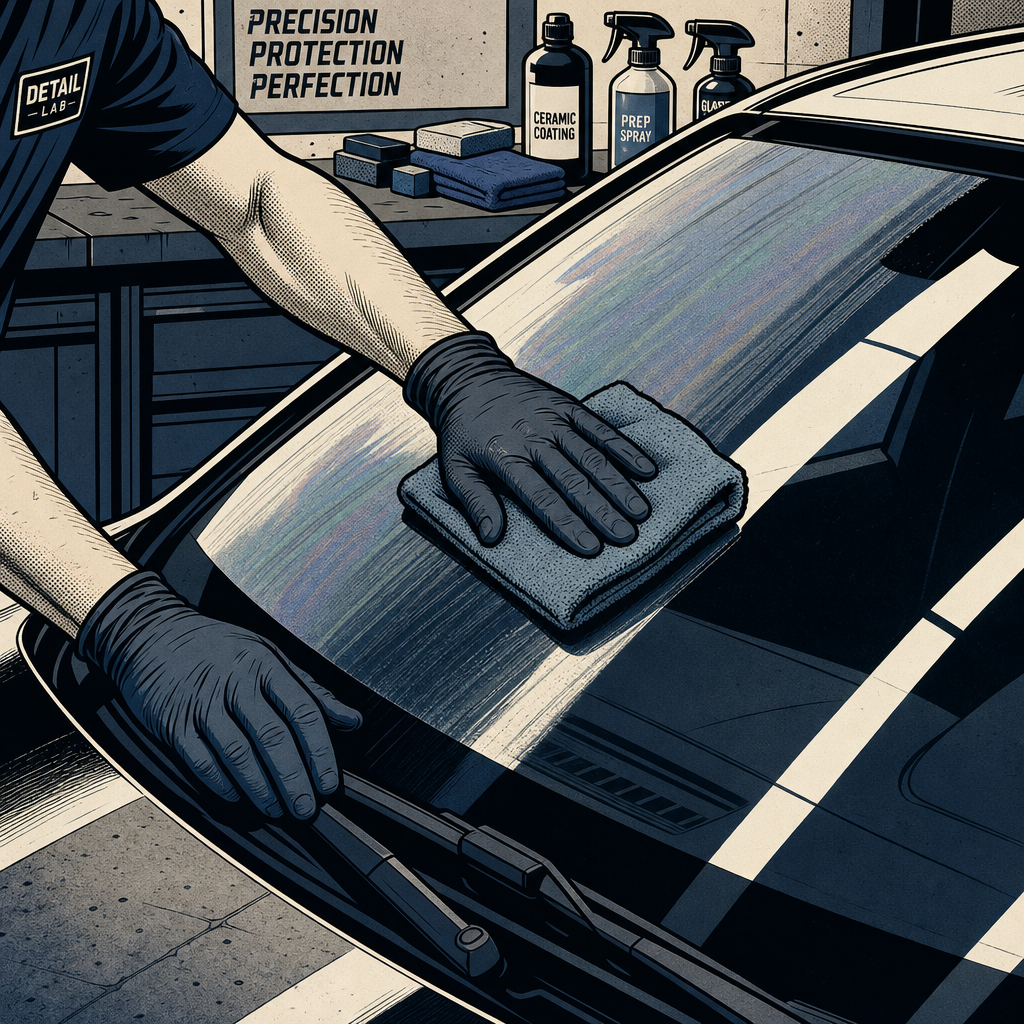
Hydrophobic windshield coatings have moved from detailing specialty to mainstream maintenance, and for good reason. When properly applied, these treatments cause water to bead and sheet off glass at speeds as low as 30-40 mph, often eliminating the need for wipers in highway driving. The technology ranges from simple polymer treatments you can pick up at any auto parts store to professional-grade ceramic coatings that require surface preparation. Understanding the application process, product differences, and realistic performance expectations will help you recommend the right approach for each customer’s driving conditions and budget.
Understanding Product Categories and Performance
The hydrophobic coating market breaks down into three distinct tiers, each with different application requirements and longevity characteristics. Traditional polymer-based products like Rain-X represent the entry level—they’re inexpensive, widely available, and require minimal surface prep. These treatments typically last 4-6 weeks with regular washing before requiring reapplication. The concentrated squeeze bottle formulations outperform spray versions due to higher active ingredient ratios.
Mid-tier products like Aquapel use silane-based chemistry that bonds more aggressively to glass. Technicians report 5-6 month durability from single applications, with some observing beading for up to three years on side windows that see less wiper contact. The application process is more involved than basic Rain-X but doesn’t require polishing equipment.
Ceramic glass coatings represent the professional tier. Products like Optimum Glass Coating and Gtechniq G1 create a true sacrificial layer through chemical bonding. These require complete surface decontamination and often glass polishing for optimal adhesion. When properly applied, expect 12-18 month performance before recoating becomes necessary. The key advantage is that contamination embeds in the coating rather than the glass itself, allowing you to strip and reapply without repeated polishing.
Surface Preparation: The Critical First Step
Surface preparation determines coating longevity more than product choice. Glass accumulates bonded contamination invisible to casual inspection—industrial fallout, mineral deposits, tree sap residue, and traffic film all prevent proper coating adhesion. Start with a dedicated glass cleaner to remove surface oils and residues. Automotive glass cleaners work, but avoid ammonia-based household products that can leave streaking.
For polymer treatments, cleaning alone may suffice if the glass is relatively new and undamaged. Run your hand across the windshield after cleaning—it should feel completely smooth. Any texture indicates bonded contamination requiring clay bar treatment or chemical decontamination. Iron removers like CarPro Iron-X or Optimum Power Clean dissolve metallic particles. Spray, allow 3-5 minutes dwell time, then rinse thoroughly.
Ceramic coatings demand more aggressive prep. After cleaning and decontamination, perform an isopropyl alcohol (IPA) wipe-down using 50/50 IPA and distilled water. This removes any remaining oils and tests coating compatibility—if you see streaking during the IPA wipe, the surface isn’t clean enough. For windshields with visible water spots, embedded minerals, or light scratches, glass polishing becomes necessary. Use cerium oxide compound with a dedicated glass polishing pad at 1200-1500 RPM. This removes a microscopic layer of glass along with all bonded contamination, creating an ideal bonding surface.
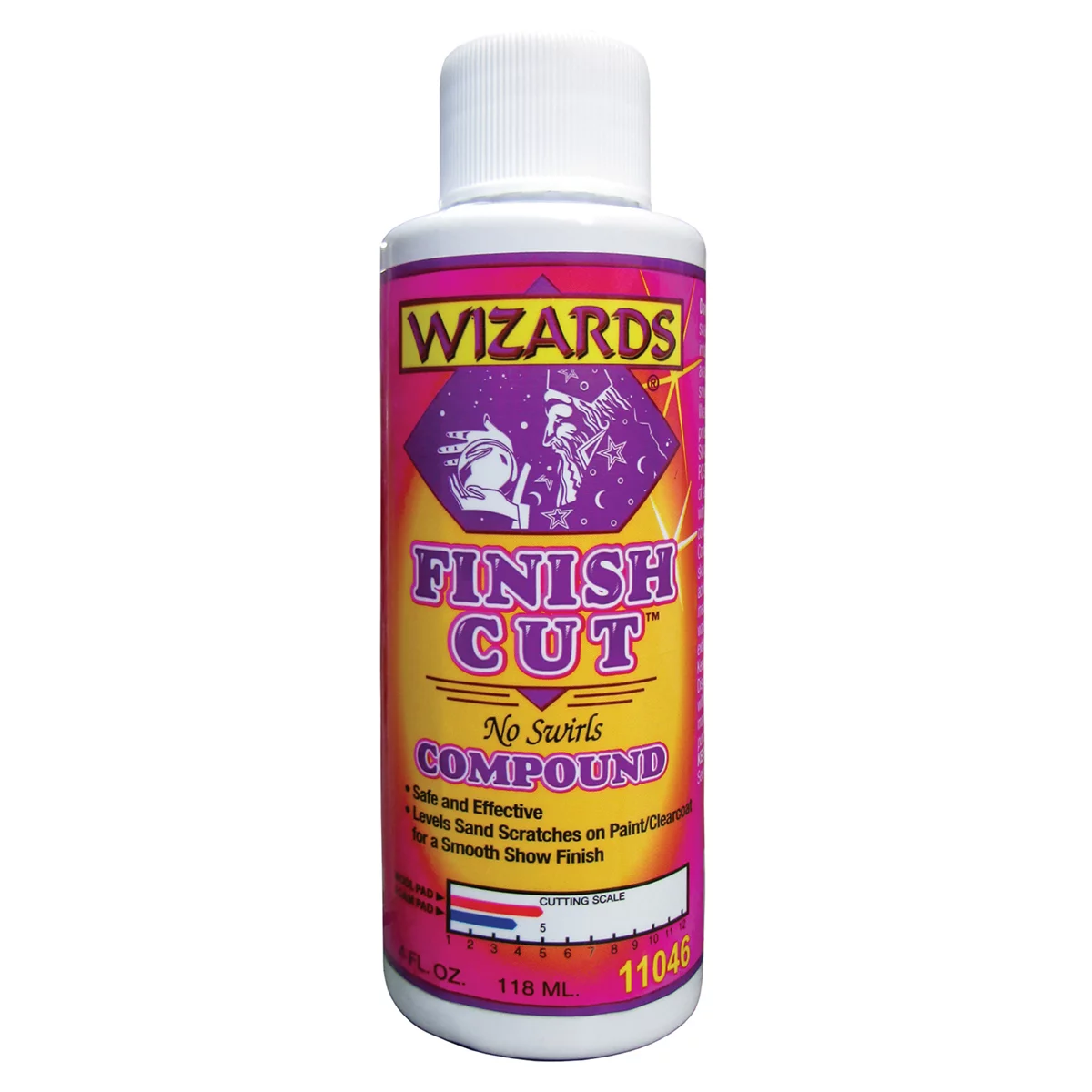
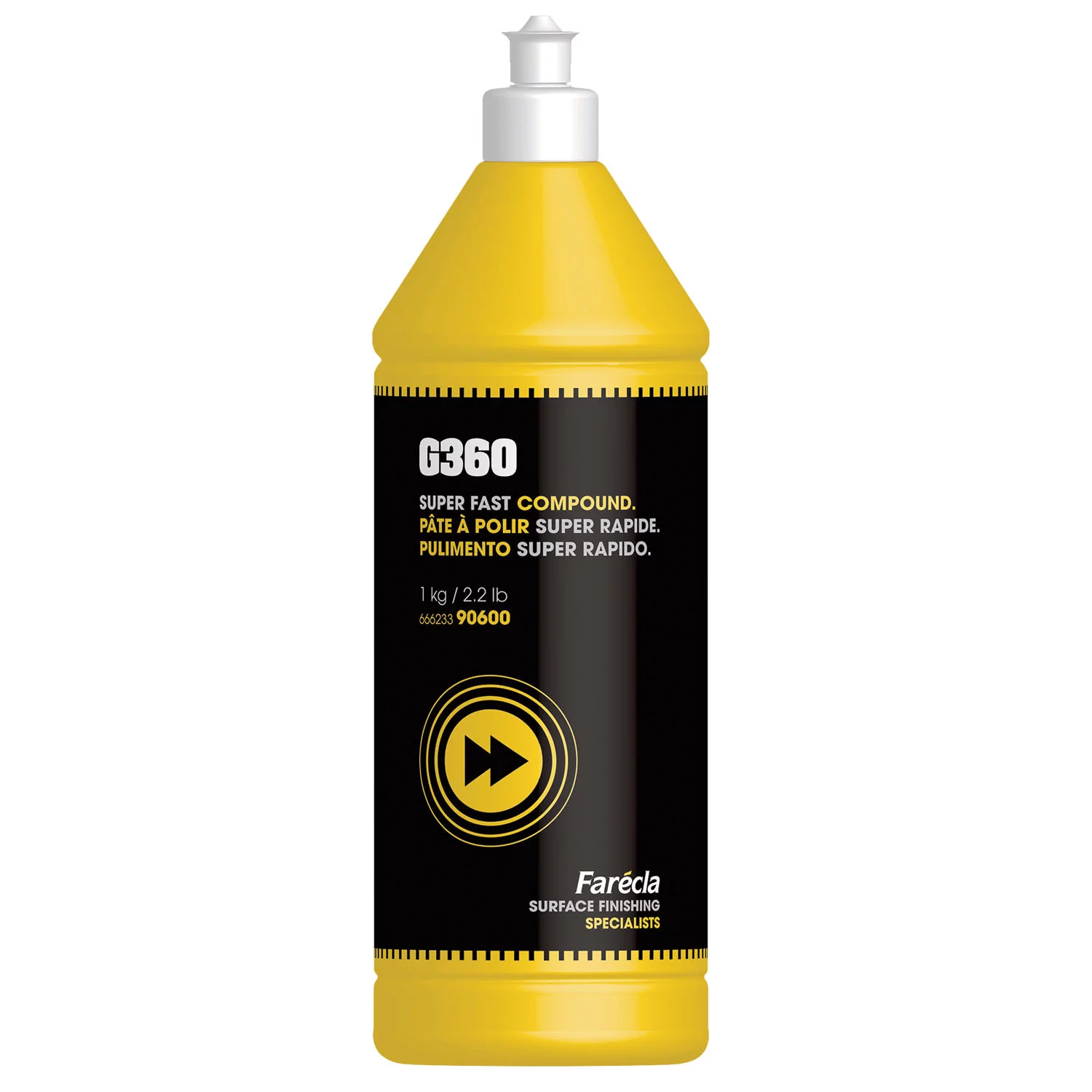
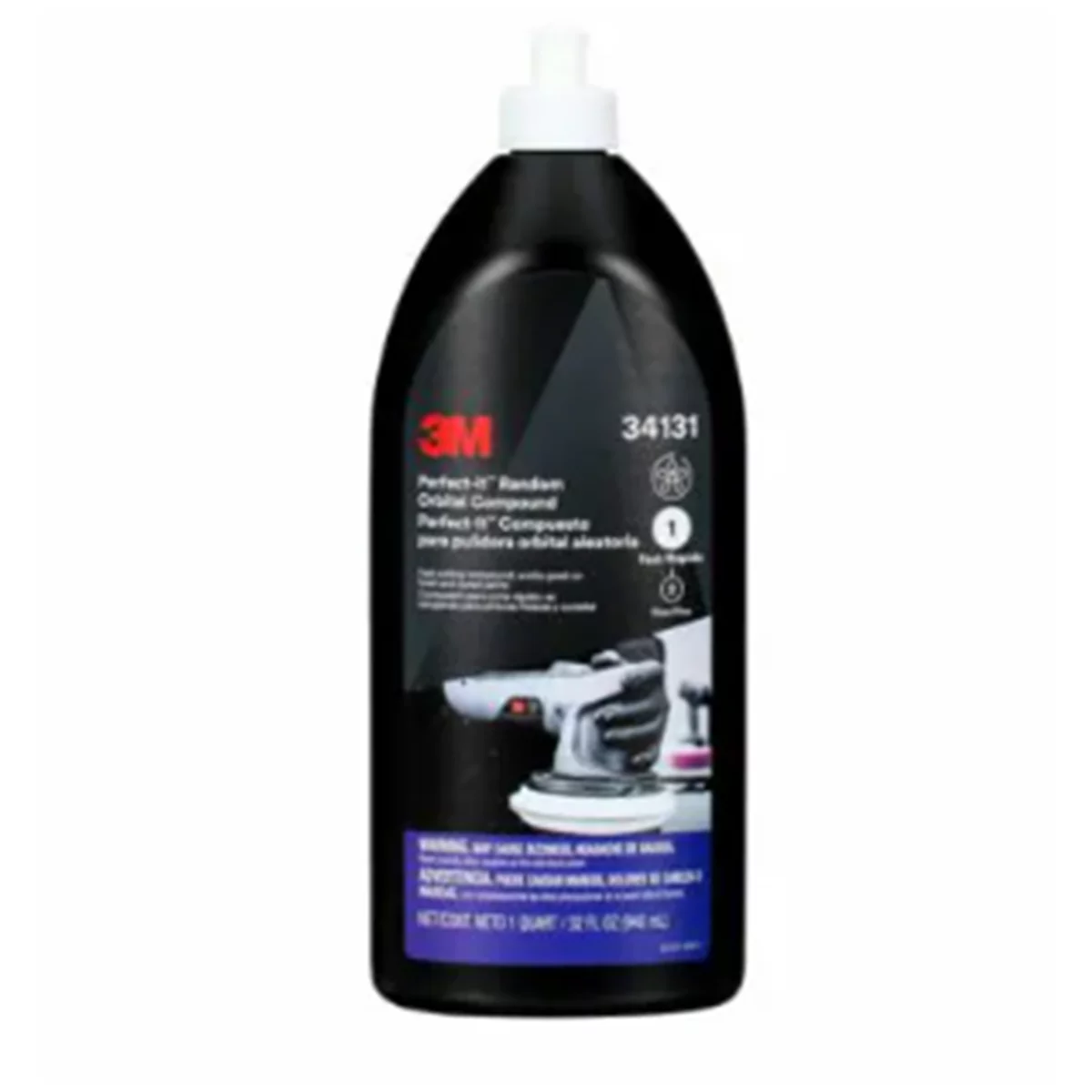
3M(TM) Perfect-It(TM) Random Orbital Compound 34131, 1 Quart (32
Mfg: 3M Automotive
Part #: 34131
Application Techniques for Maximum Durability
Application methods vary by product type, but several universal principles apply. Work in shade or indoors with temperatures between 60-80°F. Direct sunlight causes premature flashing, making removal difficult and leaving haze. Humidity should be moderate—very dry conditions can cause some coatings to flash too quickly, while high humidity extends cure times.
For traditional polymer products, apply thin, even coats using the included applicator or a clean microfiber cloth. Work in 2×2 foot sections, applying with overlapping circular motions. Allow the product to haze (typically 5-10 minutes depending on temperature), then buff off with a clean, dry microfiber towel. The key is complete removal—any residue will cause wiper chatter and glare from oncoming headlights. Flip to fresh sections of your buffing towel frequently.
Aquapel requires different handling due to its aggressive chemistry. The product comes in single-use applicators with a glass ampule you break to release the formula. Apply to one windshield section, allow 30-60 seconds of contact time, then immediately buff off. The tight working time demands efficiency—have multiple microfiber towels ready and work systematically from top to bottom. Any product left to fully cure on glass becomes extremely difficult to remove.
Ceramic coatings need precision application. Dispense small amounts onto a foam applicator block wrapped in a suede applicator cloth. Apply in straight, overlapping lines rather than circles to ensure even coverage. Most ceramic products have a working time of 1-3 minutes before they begin to flash. Watch for rainbow streaking—this indicates the coating is ready for leveling. Use a separate clean microfiber to level the coating with straight, overlapping passes. Some products require a second leveling pass after 5-10 minutes. Follow manufacturer cure time specifications before exposing to water, typically 12-24 hours.
Maintenance and Reapplication Strategies
Coating longevity depends heavily on maintenance approach. Traditional car wash soaps gradually strip hydrophobic treatments through their degreasing action. Touchless washes are gentler on coatings than brush or cloth systems. For maximum durability, use pH-neutral maintenance shampoos designed for ceramic coatings—these clean effectively without attacking the coating’s chemical bonds.
Rain-X washer fluid provides a hybrid approach that many technicians prefer for daily drivers. Adding it to the washer reservoir applies a light coating with every washer cycle, maintaining hydrophobic properties without dedicated reapplication sessions. Some vehicles experience washer fluid level sensor fouling with Rain-X additive—the sensors develop a film that triggers false low-level warnings. Pulling and wiping the sensor annually typically resolves this issue.
Inspect coating performance monthly. Spray the windshield with water and observe beading behavior. Fresh coatings create tight, round beads that roll off at slight angles. As coatings age, beads become flatter and larger before eventually sheeting rather than beading. When beading diminishes noticeably, reapplication time approaches. For ceramic coatings showing reduced performance, try a booster product like Gtechniq G1 or CarPro Reload before committing to full reapplication.
Wiper blade selection affects coating durability. Traditional rubber blades with aggressive wiping edges can physically abrade coatings over time. Silicone wiper blades are gentler on treated surfaces and some technicians report extended coating life when using them. However, silicone blades cost 2-3 times more than conventional options, making them a tougher sell for budget-conscious customers.
Common Application Problems and Solutions
Wiper chatter represents the most common complaint after hydrophobic treatment. This occurs when coating application is uneven or when residue remains on the glass. The solution depends on severity—light chatter often resolves after a few wiper cycles break in the surface. Persistent chatter requires removing the coating with IPA or dedicated coating remover, then reapplying with more attention to complete buffing.
Nighttime glare and haze usually indicate incomplete removal during application. The tiny water droplets that remain on hydrophobic glass between wiper passes can scatter oncoming headlight beams, creating visual distraction. Drivers with astigmatism report particular sensitivity to this effect. There’s a learning curve—experienced users report learning to “look through” rather than “at” the droplets. However, if customer complaints persist, consider that hydrophobic treatments may not suit their vision characteristics or driving patterns.
Streaking during rain typically means the coating is degrading unevenly. This happens when windshield wipers contact some areas more than others, or when bird droppings and tree sap aren’t promptly removed. Acidic contaminants can create bare spots in the coating. Strip the remaining coating completely rather than attempting to patch—partial coverage performs worse than no coating at all.
Product incompatibility can cause adhesion failure. If a previous coating wasn’t fully removed, new product may not bond properly. Always strip existing treatments completely before applying a different product. Use IPA, coating remover, or light polishing depending on what was previously applied. Some ceramic coating manufacturers require specific prep products from their product line—substituting can void warranty claims.
Cost-Benefit Analysis for Different Approaches
For customers focused purely on cost, Rain-X washer fluid additive offers the best value. A gallon costs $5-8 and lasts months with normal use, providing continuous light coating. The tradeoff is reduced performance compared to dedicated application—beading occurs but water doesn’t sheet off as aggressively at lower speeds.
DIY Rain-X application every 4-6 weeks represents the middle ground. Material cost is $6-10 per bottle, each lasting multiple applications. Total annual cost runs $15-25 with about 30 minutes of labor per application. This suits customers who already perform their own washing and basic maintenance.
Professional ceramic coating application costs $75-150 for windshield-only service. With 12-18 month durability, annual cost becomes comparable to DIY polymer products, but with superior performance and no ongoing labor requirement. This makes sense for customers who value time over money or who lack covered workspace for application.
The most cost-effective professional approach combines annual ceramic coating with monthly maintenance using ceramic boost sprays. Apply the base coating once yearly during spring detailing, then maintain with spray boosters after each wash. This extends the base coating’s effective life to 18-24 months while maintaining peak performance throughout.
Quick Reference Checklist
- Clean glass thoroughly with dedicated glass cleaner
- Decontaminate with clay bar or iron remover if texture is present
- Polish glass with cerium oxide if water spots or scratches are visible
- Perform IPA wipe-down immediately before coating application
- Work in shade between 60-80°F with moderate humidity
- Apply product in thin, even coats working in small sections
- Buff completely before product fully cures to avoid haze
- Allow proper cure time before water exposure (check product specs)
- Use pH-neutral wash products to maximize coating longevity
- Reapply when beading degrades noticeably or every 4-6 weeks for polymer products
Frequently Asked Questions
How long does hydrophobic windshield coating actually last?
Durability varies significantly by product type and maintenance. Traditional Rain-X lasts 4-6 weeks with regular washing. Aquapel and similar silane products typically deliver 5-6 months. Professional ceramic coatings last 12-18 months when properly maintained with pH-neutral wash products. Side windows often show longer durability than windshields due to reduced wiper contact.
Can I use regular car wash soap on coated windshields?
Standard car wash soaps contain degreasers that gradually strip hydrophobic coatings. You can use them, but expect reduced coating life. pH-neutral maintenance shampoos designed for ceramic coatings clean effectively while preserving the treatment. Touchless washes are gentler on coatings than brush or friction systems.
Why do I get wiper chatter after applying coating?
Wiper chatter typically results from uneven coating application or residue left on the glass. Make sure to buff the coating completely during application—any haze or streaking will cause chatter. If chatter persists, remove the coating with IPA wipe-down or coating remover and reapply. Using silicone wiper blades can also reduce chatter on treated glass.
Is glass polishing really necessary before ceramic coating?
Glass polishing isn’t always required but dramatically improves results on windshields with water spots, mineral deposits, or light scratches. New or well-maintained glass may only need cleaning and IPA wipe-down. Run your hand across the glass after cleaning—any texture indicates bonded contamination that polishing will remove. For maximum coating durability, polishing creates the ideal bonding surface.
Does Rain-X washer fluid work as well as manual application?
Rain-X washer fluid provides continuous light coating that’s convenient but less aggressive than manual application. You’ll get noticeable beading and improved visibility, but water won’t sheet off as dramatically at lower speeds. It’s excellent for maintenance between manual applications or for customers who want hydrophobic benefits without dedicated application time.
Can hydrophobic coating cause visibility problems at night?
Some drivers experience glare from the small water droplets that remain between wiper passes on coated glass. These droplets scatter oncoming headlight beams, which can be particularly distracting for drivers with astigmatism. Most users adapt after a few drives, learning to look through rather than at the droplets. If nighttime visibility complaints persist, the coating may not suit that customer’s vision characteristics.
Recommended Glass Care Products
Proper surface preparation and application technique make all the difference in hydrophobic coating performance. Before applying any coating, you’ll need quality cleaning and decontamination products. Browse our Car Care – Polishes and Waxes selection for glass cleaners, clay bars, polishing compounds, and maintenance products that work alongside hydrophobic treatments.
- Glass polishing compounds and pads for windshield preparation
- pH-neutral wash products to maintain coating longevity
- Ceramic coating boosters and maintenance sprays

The Toolsource Technical Team blends decades of real-world automotive service experience with up-to-date technical research. Our writers collaborate with professional mechanics, shop owners, and diagnostic specialists to deliver practical, workshop-ready guidance you can trust.


Follow us on social media