Ten years ago, heated steering wheels, 360-degree cameras, and adaptive cruise control were upsell packages reserved for loaded trims. Today they’re on base-model crossovers and work trucks, and that means they’re on your lift. Customers who once laughed off these features as unnecessary luxuries now treat them as expected equipment — and when they fail, they expect you to know exactly what’s wrong. The problem is that most of these systems blend mechanical, electrical, and software layers in ways that don’t show up in a traditional flat-rate manual. This guide walks through the comfort and convenience systems generating the most comebacks right now, what actually breaks on each one, and how to approach diagnosis without burning three hours chasing a code that doesn’t point to the real fault.
Heated and Cooled Seats, Steering Wheels: Where the Failures Actually Live
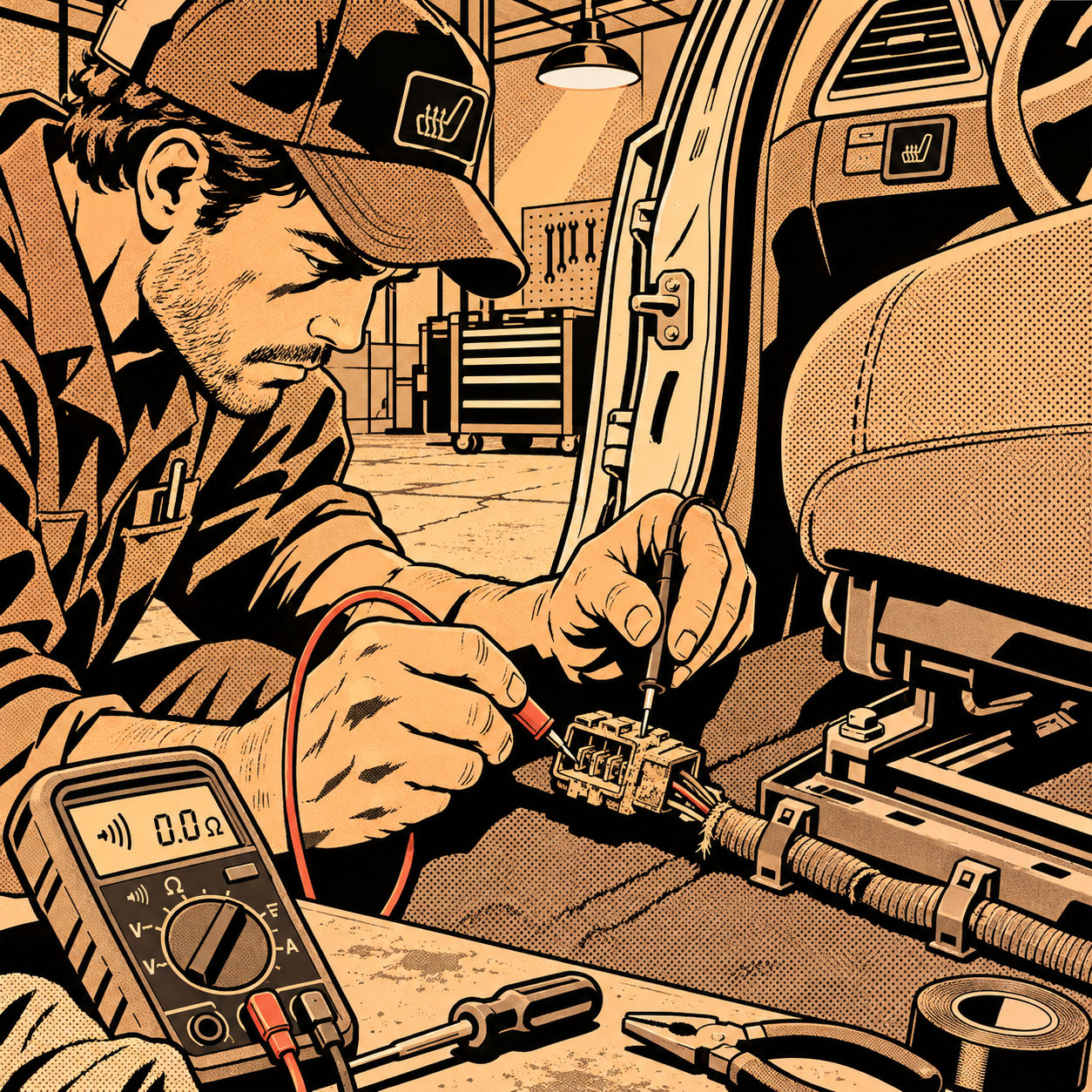
Heating and cooling elements are the single biggest driver of “it doesn’t work anymore” comebacks in the comfort category, and the failure is rarely the element itself. Most complaints trace to one of three places: the element’s wiring harness at a seat track or steering column flex point, the control module, or a blown fuse feeding a shared circuit. Seat heater wires run through the track assembly and take constant flex cycles every time someone adjusts the seat — that’s the first place to check continuity with a multimeter before you pull the seat cover. On steering wheels, the heating element routes through the clockspring, so a failure here can mimic (or cause) airbag clockspring codes. Don’t replace a clockspring on a heated-wheel diagnosis without confirming which circuit actually failed.
- Verify power and ground at the seat/wheel connector before condemning the element
- Check for shared fuses — a cooled-seat compressor or blower fault can trip protection for the heating circuit too
- Inspect the seat track harness and steering column flex point for chafed insulation
- Pull relevant body control module codes even if the customer only mentions “the seat”
- Confirm which trim level the vehicle has — heated-only vs. heated/cooled seats use different element and blower assemblies
Keyless Entry, Push-to-Start, and Keypad Systems
Proximity key systems and door-mounted keypads (a Ford specialty, though other OEMs are adding similar systems) fail in predictable patterns: weak key fob batteries, antenna coils embedded in door handles that corrode or get damaged during body work, and BCM software that needs a relearn after a battery disconnect. Before assuming a bad antenna ring, swap in a known-good fob and check for stored “key not detected” codes — on most platforms this narrows the fault to the fob itself, the antenna, or the receiver module in under ten minutes. Keypad failures are usually mechanical: moisture intrusion behind the keypad after years of weather exposure causes dead buttons or false inputs. If a customer reports the keypad working intermittently, check the harness connector behind the door panel before replacing the whole keypad assembly — connector corrosion is far more common than keypad failure.
A quick note on programming: fob and keypad relearns increasingly require a factory scan tool or a subscription-based aftermarket tool with OEM-level access, not a generic code reader. If your shop is doing more of this work, budget for the right tool now rather than turning away jobs or outsourcing programming to a dealer.

Shop a tool for this job
[PRODUCT_SEARCH: OEM-level key fob and keyless entry programming tool]
360-Degree Cameras and Parking Sensors
Camera-based driver assistance is now tied directly to insurance claims and liability, which raises the stakes on getting these repairs right. The most common failure isn’t the camera itself — it’s a cracked or fogged lens housing from road debris, a disconnected or corroded harness after bumper work, or a camera that was never recalibrated after a windshield, bumper, or mirror replacement. Any time a camera, radar sensor, or the glass/panel it’s mounted to is removed or replaced, assume a calibration is required until you’ve confirmed otherwise with service information — don’t rely on the system “looking fine” on the backup display. Static calibrations need a level floor and OEM-specified target boards and distances; dynamic calibrations require a specific road-speed drive cycle. Skipping or fudging either one is the single most common cause of a comeback on a camera-equipped vehicle, and it’s a liability exposure if the system fails to detect an object later.
Adaptive Cruise, Adaptive Headlights, and Other ADAS Features
Adaptive cruise control radar units and adaptive headlight motors fail for similar reasons to camera systems: physical damage, connector corrosion, and missed calibrations after front-end work. A radar unit that’s been knocked out of alignment by even a minor bumper tap will throw intermittent “system unavailable” messages rather than a hard fault, which makes it tempting to clear the code and send the car out the door. Don’t — verify radar alignment with the OEM or aftermarket alignment tool before clearing codes, especially after any collision repair, bumper removal, or even a tow hook recovery that could have shifted the mounting bracket. Adaptive headlights that steer with the wheel use a separate steering angle sensor input; a headlight that stopped swiveling is often a steering angle sensor that needs to be re-zeroed after an alignment, not a failed headlight motor.
Auto-Hold Brakes and Electronic Parking Brakes
Auto-hold systems depend on the same wheel speed sensors, brake pedal position sensor, and hydraulic control unit used by ABS and stability control, so a fault here often shows up as a seemingly unrelated warning light. Before you dig into the auto-hold function specifically, pull a full code scan — a wheel speed sensor fault or low brake fluid level will disable auto-hold and traction features together. On vehicles with electronic parking brakes integrated into the rear calipers, always follow the OEM service procedure to retract the caliper motors before doing pad or rotor work. Forcing a manual retraction without putting the module into service mode is a fast way to damage the actuator motor and turn a brake job into a parts comeback.
Shop a tool for this job
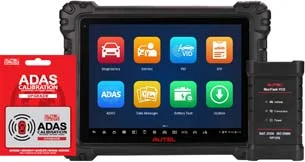
[PRODUCT_SEARCH: bi-directional diagnostic scan tool with ADAS calibration]
Quick Diagnostic Checklist
- Scan for all stored codes before isolating a single complaint — comfort and ADAS systems share circuits more than techs expect
- Check power, ground, and connector condition before condemning any heating, cooling, or sensor element
- Confirm whether a calibration is required any time a camera, radar sensor, or related glass/panel is disturbed
- Use OEM service procedures for electronic parking brake retraction — never force it manually
- Verify fob/keypad faults with a known-good component swap before replacing modules
- Document pre-existing ADAS faults and calibration status on intake to avoid comeback disputes

Frequently Asked Questions
Do I need a calibration every time I replace a windshield on an ADAS-equipped vehicle?
In most cases, yes. Forward-facing cameras mounted to or near the windshield almost always require recalibration after glass replacement, even if the camera itself wasn’t removed. Check OEM service information for the specific vehicle, since requirements vary between static, dynamic, and dual-method calibrations.
Why does a heated seat work on one side but not the other?
This points toward an isolated circuit fault rather than a shared control module issue — check the affected seat’s harness, connector, and element independently. If both sides failed at once, suspect a shared fuse, relay, or module.
Can a dead 12V battery cause keyless entry problems?
Yes. Low voltage during cranking or after a jump start can corrupt BCM memory related to key fob pairing, requiring a relearn procedure. Always check battery health first when a customer reports keyless entry issues that started “out of nowhere.”
What’s the most common cause of false alerts from 360-degree camera or parking sensor systems?
Dirt, ice, or debris on the sensor or camera lens is the most frequent cause, followed by a sensor that’s been knocked out of alignment during a parking bump or bumper repair. Always inspect and clean before assuming a wiring or module fault.
Is it safe to clear an intermittent adaptive cruise control fault without further diagnosis?
No. Intermittent radar faults often indicate a bracket or alignment issue that will recur and can affect system performance. Confirm radar alignment and mounting integrity before returning the vehicle to the customer.
Do aftermarket scan tools support ADAS calibrations, or do I need the dealer tool?
Many professional-grade aftermarket tools now support static and dynamic calibrations for a wide range of makes, often with target kits included. Confirm coverage for the specific vehicle and calibration type before relying on it for shop work.
Recommended Diagnostic Tools
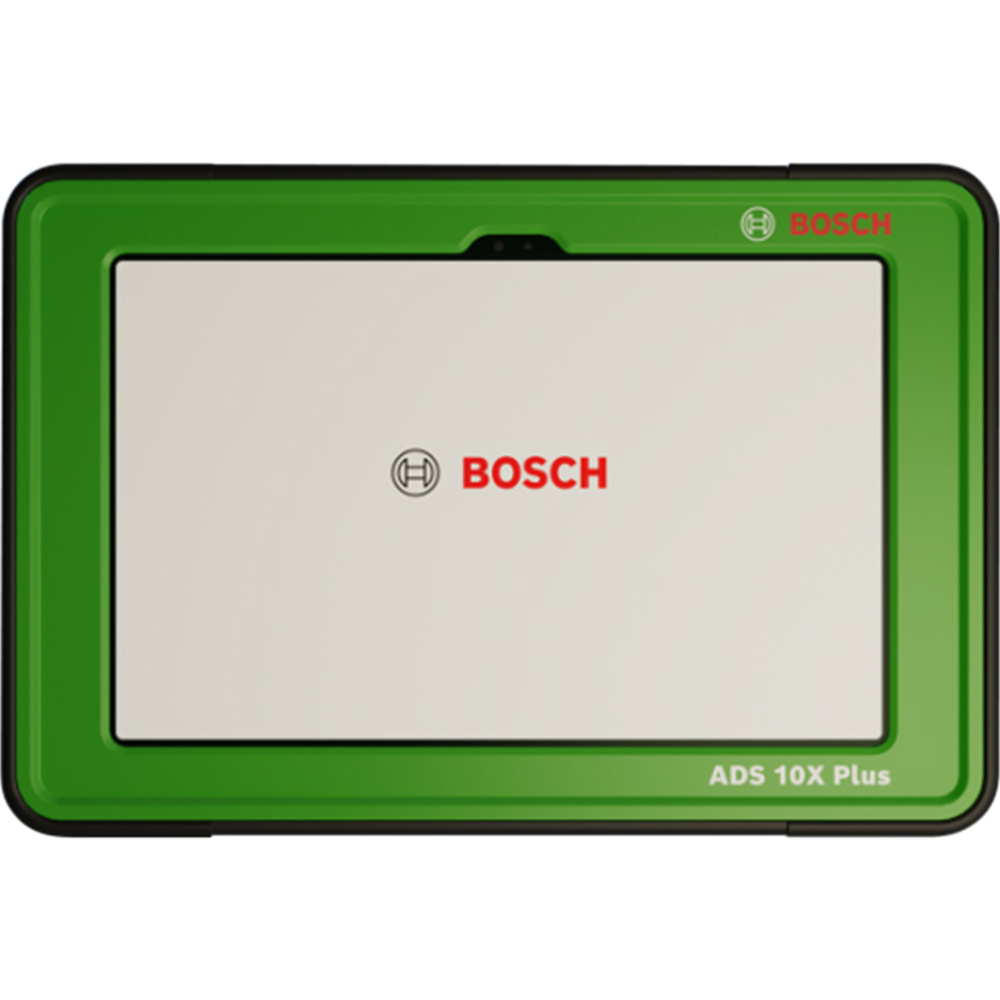
Proper diagnosis of modern comfort and convenience systems requires reliable diagnostic equipment. Browse Automotive Diagnostic Tools to find professional-grade scanners, calibration equipment, and testing devices designed for these complex systems.
- Scan tools with OEM and aftermarket support for code reading, module programming, and diagnostics
- ADAS calibration tools and target kits for camera and radar alignment verification
- Digital multimeters and electrical testing equipment for circuit diagnosis

The Toolsource Technical Team blends decades of real-world automotive service experience with up-to-date technical research. Our writers collaborate with professional mechanics, shop owners, and diagnostic specialists to deliver practical, workshop-ready guidance you can trust.


Follow us on social media