A leaking radiator doesn’t always require a $500+ replacement. While modern aluminum radiators have a reputation for being disposable, several DIY techniques can extend their service life affordably. Success depends on leak size, location, and radiator construction. This guide covers which repairs work, their limitations, and when to replace instead.
When You Can Actually Fix a Radiator
Not every leak is worth repairing. Success depends on three factors: leak size, location, and material.
Small holes vs. major cracks: What’s repairable
Pinhole leaks and small punctures (under 3-4mm) in cooling fins are ideal DIY targets. The pinch-and-roll technique can seal a single damaged tube reliably for months or years. Multiple small leaks are manageable if individually addressable.
Major cracks tell a different story. End tank cracks longer than an inch, split seams, or core header damage indicate material fatigue that no sealant permanently fixes. These typically fail within weeks. Small cracks in plastic end tanks fall into a gray area—temporary patches work, but longevity depends on plastic condition and execution skill.
Identifying leak location and severity
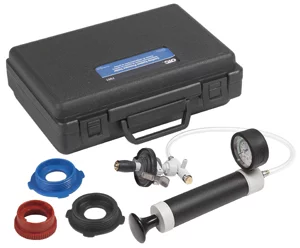
OTC 7991 Radiator Cooling System Pressure Tester
Mfg: OTC Tools and Equipment
Part #: 7991
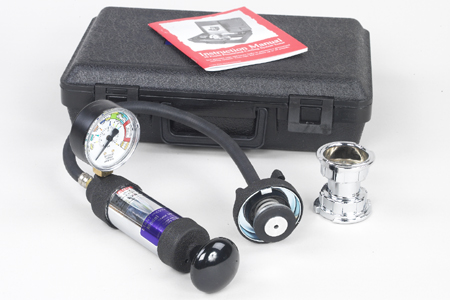
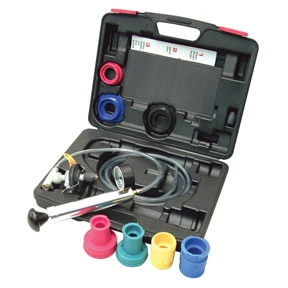
With the engine cold, remove the radiator cap and pressurize the system using a cooling system pressure tester ($30-60). Pump to the pressure rating on your radiator cap (typically 13-16 PSI) and watch carefully.
Leaks from cooling tubes themselves appear as distinct drips on the radiator face—these respond well to mechanical repair. Leaks from seams where end tanks meet the core indicate gasket failure and are harder to fix permanently. Wetness around hose connections usually just needs new clamps.
If the leak loses more than a cup of coolant during a 15-minute pressure test, you have significant damage requiring immediate attention. Minor weeping gives you time to plan and gather materials.
Materials that determine repairability
Older copper-brass radiators are repair-friendly—they accept solder and brazing readily. Modern aluminum radiators are tougher: thin-wall construction crushes easily, and welding requires specialized TIG equipment. Plastic end tanks can’t be meaningfully repaired once cracked—heat cycles and pressure simply reopen patches. Mixed-material radiators (aluminum cores with plastic tanks) usually require replacement if the plastic fails.
The Pinch and Roll Technique
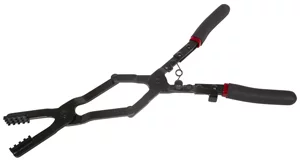
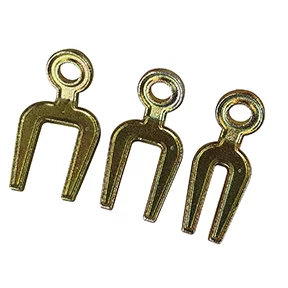
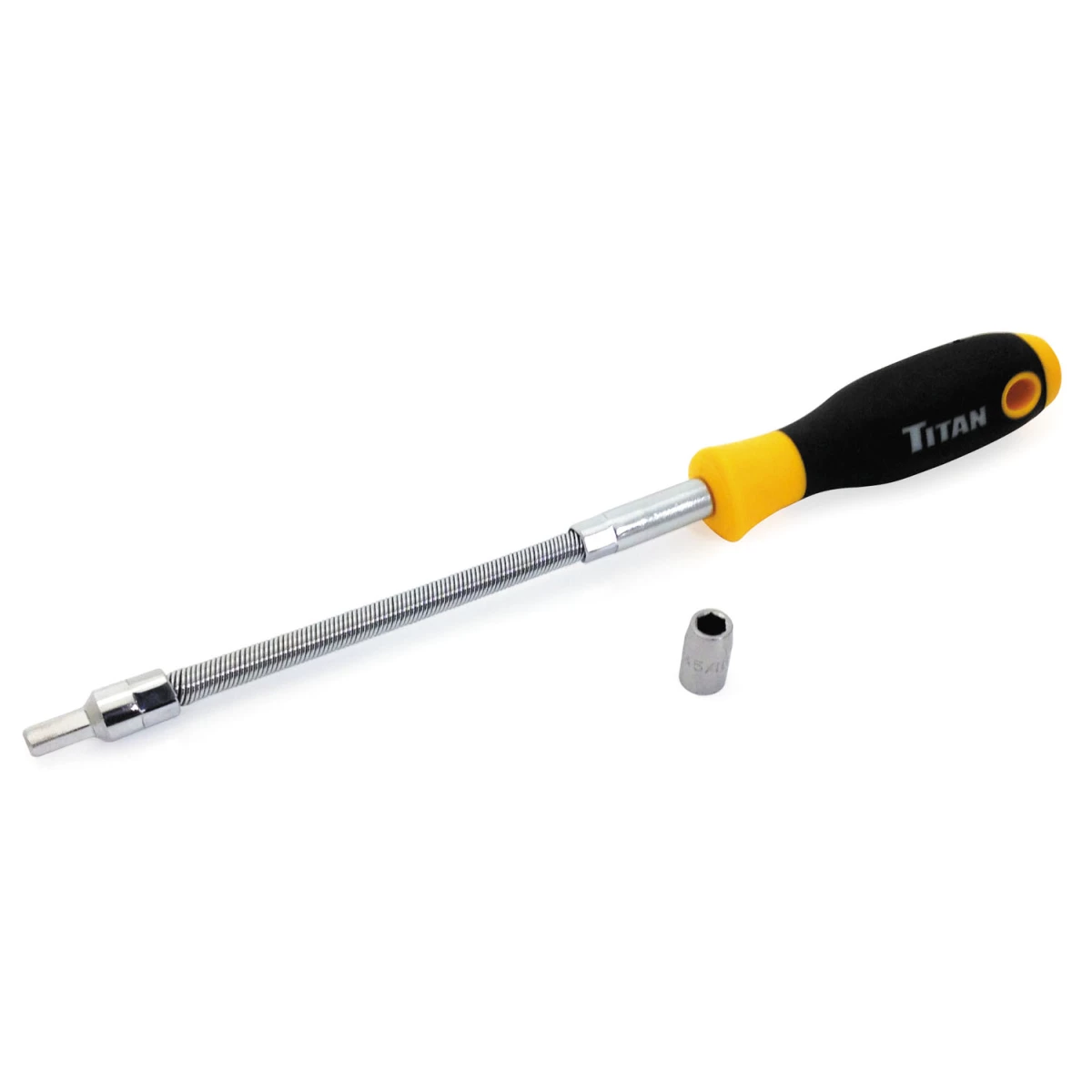
This mechanical method has kept countless radiators functional years past failure. It works by permanently sealing damaged tubes without adhesives or welding.
Step-by-step instructions
You’ll need side-cutting pliers, needle-nose pliers, safety glasses, and gloves. Remove the radiator completely and drain it. Identify the damaged tube and bend back cooling fins on both sides using a screwdriver, exposing about an inch of tube.
Using side cutters, cut completely through the damaged section and remove it. Using needle-nose pliers, flatten each tube end by pinching it closed. Then roll the flattened end over itself 5-6 times, creating a tight spiral that seals both ends. The rolling action work-hardens the metal and creates a pressure-resistant mechanical seal. Each rolled end should be tight enough that you can’t unroll it by hand.
Bend the cooling fins back over the repaired area. Reinstall, refill, pressure test, and verify the seal before use.
Why this beats JB Weld alone
Chemical repairs like JB Weld face a hostile cooling system environment. Coolant contains additives that attack adhesives, while temperature cycling (cold starts to 220°F) and 15+ PSI pressure pulses work to separate patches from metal. The pinch-and-roll technique creates a mechanical seal from the radiator’s own material—no adhesive to fail chemically, no bond line to separate. Work-hardened rolled metal actually strengthens with use.
Combining both methods adds insurance: after pinch-and-roll, coat the rolled areas with JB Weld for backup sealing. This approach costs under $10 and significantly improves reliability.
Expected lifespan and limitations
Properly executed repairs routinely last 2-3+ years. Limitations: you can only repair accessible face tubes, you lose one tube’s cooling capacity per repair, and multiple repairs (3-4+) noticeably reduce cooling efficiency. This method does nothing for end tank cracks or seam failures.
No products found for “radiator repair kit JB Weld cooling system”
Repair Methods Compared: Cost and Reliability
Temporary fixes: Stop leak and JB Weld
Stop leak products ($6-15) are the easiest approach—pour them in and hope particles migrate to leak points. Results are inconsistent; some report months of service, others see zero improvement. The downside: those particles circulate everywhere coolant flows, potentially clogging heater cores and complicating future repairs. Use only for emergencies or end-of-life vehicles.
JB Weld High Heat or WaterWeld ($8-12) offers better results. Clean and roughen the repair area thoroughly, apply epoxy in a thin layer, and allow 24-hour cure. Expect 6-18 months of service on external tube patches, less for tank cracks with higher stress concentration.
Professional soldering and brazing
True soldered repairs are the gold standard, offering permanent fixes. Unfortunately, shops equipped for this work are rare—most have shifted to replacement-only models. For copper-brass radiators, soldering creates leak-proof repairs lasting indefinitely. Costs: $150-400 depending on damage and local labor.
TIG welding aluminum radiators requires specialized equipment and considerable skill. Thin material (often 0.5mm) easily warps or burns through. Even professional work may not justify $200-500 labor charges when replacement radiators cost $100-300. Professional repair makes financial sense only for specialty vehicles where replacements are unavailable or prohibitively expensive.
Why modern aluminum radiators are harder to repair
The industry shifted to aluminum for weight reduction and manufacturing cost—repairability wasn’t a design consideration. Thin-wall construction improves heat exchange but makes mechanical repairs difficult and increases damage risks. Plastic end tanks introduce an unrepairable failure mode; they eventually crack under constant heat cycling and pressure.
Crimped joints where aluminum cores meet plastic tanks are weak points that occasionally fail. No field repair technique reliably reseals these factory-formed seals.
| Repair Method | Cost | Expected Lifespan | Best Use Case |
|---|---|---|---|
| Stop Leak Products | $6-15 | Days to months (variable) | Emergencies, end-of-life vehicles |
| JB Weld/Epoxy | $8-12 | 6-18 months | External patches, backup sealing |
| Pinch and Roll | $0 (DIY labor) | 2+ years | Damaged cooling tubes |
| Professional Solder/Braze | $150-400 | Permanent | Copper-brass radiators, specialty vehicles |
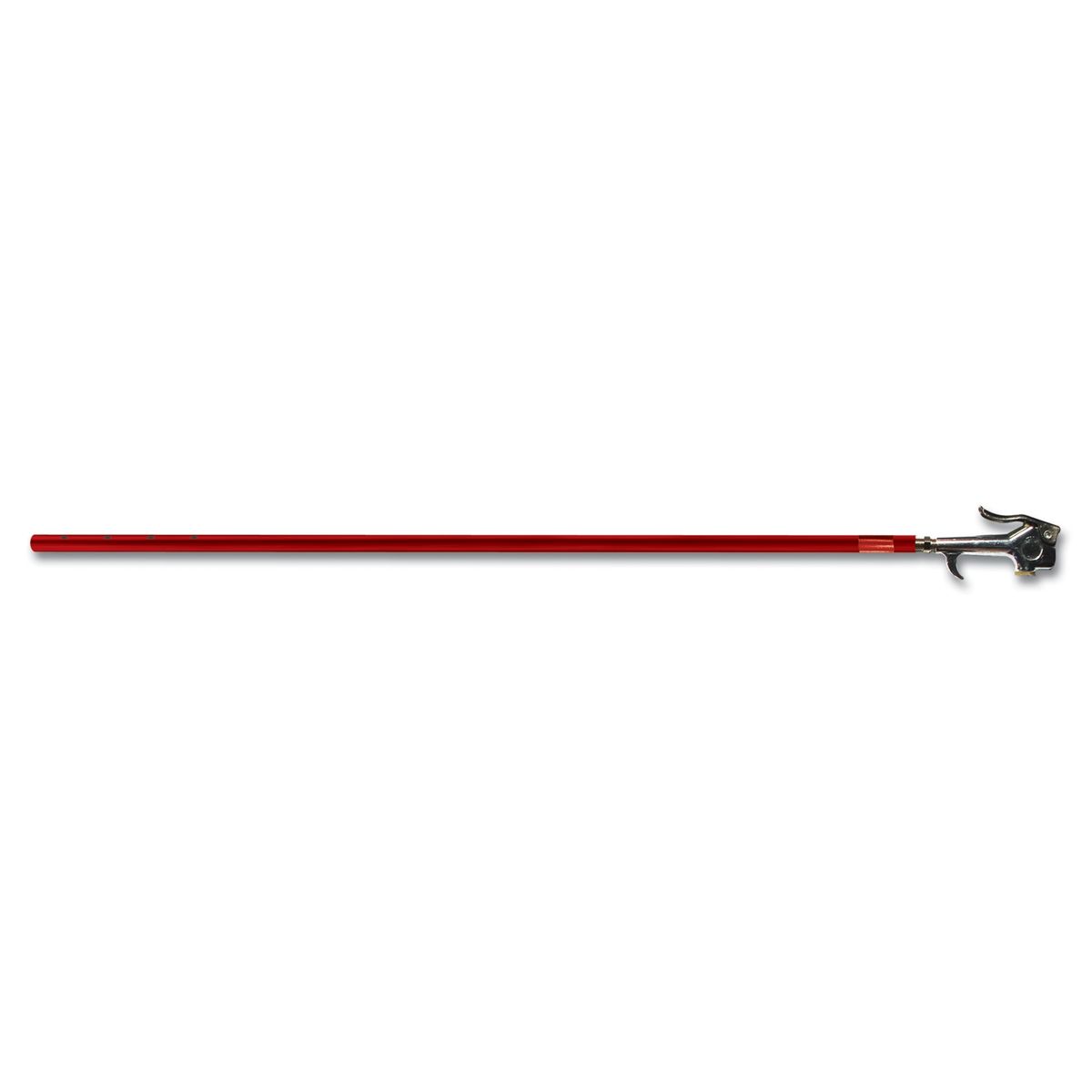
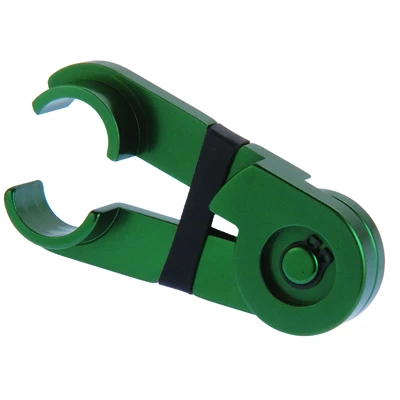
129414 8051 Innovative Products of America IPA8051 IPA8051 IPA-8051 24 Inch Air Comb Filter and Radiator Cleaner
Mfg: Innovative Products of America
Part #: 8051
ID: 129414
Repair vs. Replace: Cost Analysis
DIY repair costs by method
Pinch-and-roll costs $0 in materials if you have basic pliers. Add $8 for JB Weld, and you’re at $8 total. Time investment: 2-4 hours including removal, repair, reinstallation, and refilling. Stop leak costs $6-15 with zero labor. JB Weld alone requires 1-2 hours for proper surface prep, application, and cure.
A cooling system pressure tester ($30-60) and fin comb ($10-15) improve results and are one-time purchases serving multiple vehicles.
Professional repair labor
Radiator removal and installation labor varies by vehicle: simple designs run $150-300, while vehicles requiring bumper or headlight removal hit $500-800. Independent radiator shops charge $100-250 for basic repairs if they attempt them at all—most now refuse plastic-tank repairs. Dealerships universally recommend replacement, viewing repairs as liability risks. Mobile mechanics occasionally offer repairs at $75-150 with variable quality.
Replacement options
Used radiators from junkyards cost $50-150 with 30-90 day warranties. Quality is a gamble. Aftermarket radiators from RockAuto or AutoZone run $100-300; brands like Mishimoto, CSF, and Denso are reliable. OEM radiators cost $300-800+ but guarantee proper fit and original performance. For newer vehicles or premium brands, OEM replacement provides peace of mind.
Cooling System Care After Radiator Repair
Proper bleeding and refilling
Air trapped in the cooling system creates hot spots and prevents proper heater core circulation. With the engine cold and radiator cap off, fill slowly while allowing air to escape. On systems with an expansion tank, fill to the cold-fill line. Locate bleeder valves (typically on thermostat housing, upper hose, or block) and open them as you fill until coolant flows without air bubbles.
Start the engine and idle until the thermostat opens—you’ll see coolant level drop. Add coolant to maintain level. When cooling fans activate, the system has completed one full circulation cycle. Top off and verify no leaks.
Coolant type compatibility
Traditional green ethylene glycol offers the shortest service life and most corrosive chemistry. Extended-life OAT (Organic Acid Technology) coolants provide better corrosion protection—important after repairs since corroded areas are prone to future leaks.
After JB Weld repairs, avoid switching coolant types immediately; different chemical packages can affect epoxy adhesion during curing. Never mix different coolant types without flushing—the different inhibitor packages can form gel deposits clogging radiator tubes and heater cores.
Monitoring for leaks
Check daily the first week for wetness or coolant smell. Weekly checks for the first month catch slow leaks before overheating occurs. Monthly inspections afterward suffice for routine monitoring.
Monitor coolant level in the overflow tank; a properly sealed system maintains consistent level. Slow level drops indicate ongoing leaks. A cooling system pressure tester allows periodic verification that your repair holds pressure.
Carry spare coolant for 3-6 months post-repair. If the repair fails during a drive, immediate top-off prevents engine damage from brief overheating.
Frequently Asked Questions
Can radiators be soldered or brazed permanently?
Yes, copper-brass radiators accept solder and brazing excellently, creating permanent repairs. Finding willing shops has become difficult as aluminum dominates modern vehicles. Aluminum radiators can be TIG welded by skilled technicians, but thin material, labor cost, and readily available replacements make welding economically impractical. For vintage or specialty vehicles where replacement parts are unavailable, professional soldering or welding remains the most reliable solution despite $150-500 costs.
Is JB Weld safe for radiator repairs?
JB Weld High Heat and WaterWeld formulations are safe for external repairs when properly applied. The epoxy withstands cooling system temperatures and pressures when fully cured, but coolant chemistry and temperature cycling eventually degrade the bond. Expect 6-18 months of service for external patches on small leaks, considerably less for high-stress areas like tank cracks. Never use JB Weld for internal repairs where particles could clog passages. Combine JB Weld with pinch-and-roll for best results—the mechanical seal provides primary prevention while epoxy serves as backup.
Should I repair a radiator before trading in my car?
Generally no—repairs rarely recover their cost in trade-in value increases. Dealers inspect cooling systems and either discount the offer or address repairs post-purchase at wholesale cost. A $200 DIY repair might increase trade value by $50-100 at best. Exceptions: borderline trade situations where a visible leak drops you below minimum condition, or minimal repairs (under $50) preventing the vehicle from being classified as non-running. For private sales, disclosure of repair history maintains trust while allowing buyers to assess value themselves.
How long do temporary radiator repairs actually last?
Stop leak products last days to several months—highly unpredictable. JB Weld external patches typically provide 6-18 months when properly applied to small leaks, less for larger damage. Pinch-and-roll, while called “temporary,” routinely lasts 2-3+ years and occasionally holds for the vehicle’s remaining life. All temporary repairs eventually fail—monitor coolant levels, carry spare coolant, and budget for eventual replacement. The goal is maximizing reliable service life while avoiding roadside overheating failures.
Can you fix a radiator without removing it?
Limited repairs work with the radiator installed. JB Weld patches and stop leak products work without removal—access external leak points and pour additives through the radiator cap. Pinch-and-roll requires manipulating both sides of damaged tubes, which is nearly impossible when installed. Proper epoxy preparation also demands better access. Professional soldering or welding absolutely requires removal for safety and quality. For serious repairs, budget 1-2 hours for removal and reinstallation—improved access and pressure testing before reinstallation justify the effort.
What tools do I actually need?

For stop leak: nothing beyond radiator cap removal. For JB Weld: sandpaper or wire brush, degreaser, gloves, and epoxy. For pinch-and-roll: side-cutting pliers, needle-nose pliers, safety glasses, optionally a fin comb and flathead screwdriver—total tool investment under $30 if buying new. A cooling system pressure tester ($30-60) isn’t required but dramatically improves leak location accuracy and repair verification. Standard socket sets and hand tools for radiator removal vary by vehicle. Most DIYers already own these basics, making incremental investment minimal.
Radiator Repair Decision Checklist
- ☐ Identify leak location using cooling system pressure tester (13-16 PSI)
- ☐ Assess damage: pinhole/small tube = repairable; end tank cracks/seam failures = replace
- ☐ Determine material: copper-brass = easier; aluminum with plastic tanks = harder
- ☐ Calculate costs: DIY repair ($0-15) vs. professional ($150-400) vs. replacement ($50-800)
- ☐ Gather tools: pliers for pinch-roll, JB Weld for backup, pressure tester for verification
- ☐ Remove radiator if attempting pinch-and-roll (1-2 hours additional but worthwhile)
- ☐ Execute repair: cut damaged tube, roll ends 5-6 times, coat with JB Weld
- ☐ Pressure test repair before reinstallation (hold 15 PSI for 15 minutes minimum)
- ☐ Properly bleed cooling system after refilling to prevent air pockets
- ☐ Monitor daily first week, weekly first month, then monthly for leaks
- ☐ Carry spare coolant for 3-6 months post-repair as backup
- ☐ Plan for eventual replacement—temporary repairs buy time, not permanent solutions
Radiator / Cooling System Pressure Tester
Mfg: OTC Tools and Equipment
Part #: 7991
ID: 61479
Ready to tackle your cooling system issues? Our AC & Cooling category features essential tools and replacements to handle radiator repairs with confidence. Whether you’re performing a quick fix or a full replacement, we have everything you need.
- Radiator Flush Kits – Professional-grade solutions for system cleaning
- Pressure Testers & Gauges – Diagnose cooling system problems accurately
- Replacement Radiators & Hoses – Quality components for successful repairs
Essential Radiator Repair & Maintenance Tools
Whether you’re tackling a DIY radiator repair or planning a full replacement, having the right tools makes all the difference. Browse our complete selection of automotive repair equipment and cooling system tools to get the job done right.
Our category features everything you need for radiator work and general cooling system maintenance:
- Diagnostic & Testing Tools – Pressure testers, thermometers, and leak detection kits to identify radiator issues before they worsen
- Repair & Replacement Hardware – Hoses, clamps, gaskets, and coolant containers for both DIY repairs and professional installations
- Maintenance Essentials – Flush kits, coolant additives, and draining tools to keep your cooling system running smoothly
For the tools in this guide, browse Automotive Radiator Tools at Tool Source.

The Toolsource Technical Team blends decades of real-world automotive service experience with up-to-date technical research. Our writers collaborate with professional mechanics, shop owners, and diagnostic specialists to deliver practical, workshop-ready guidance you can trust.


Follow us on social media