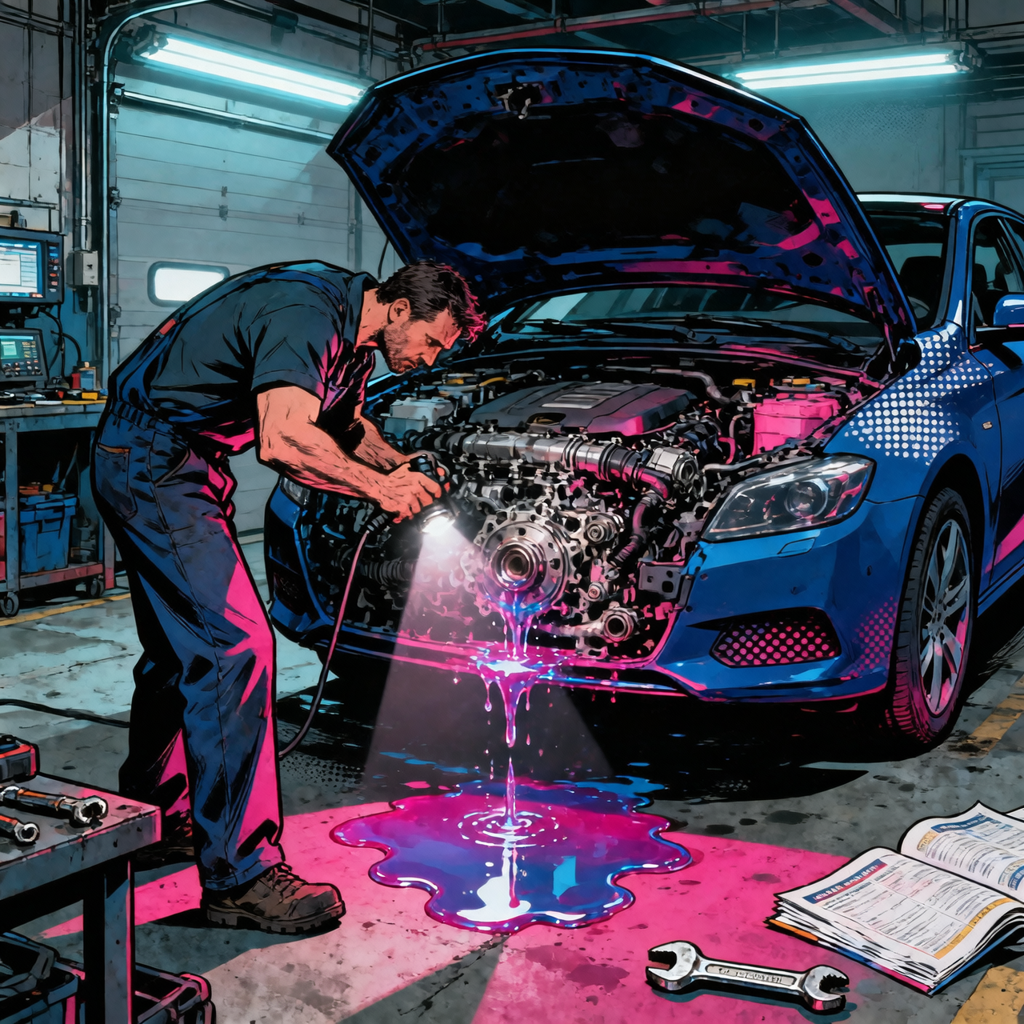
Finding coolant on your garage floor triggers immediate anxiety. A coolant leak isn’t just an inconvenience—it’s potentially catastrophic if ignored. The difference between a $50 hose replacement and a $3,000 head gasket repair often comes down to how quickly you identify and address it.
Is It Safe to Drive?
Stop Immediately If You See:
Milky or coffee-colored engine oil: Coolant has entered your crankcase, indicating a severe internal leak from a blown head gasket, cracked cylinder head, or damaged engine block. Running the engine destroys bearings.
White smoke from the exhaust: Coolant is burning in the combustion chamber, pointing to head gasket failure or a cracked cylinder head.
Rapid temperature rise: Your cooling system cannot maintain operating temperature. Continued operation risks warping cylinder heads and cracking engine blocks.
Steam billowing from under the hood: A major rupture in a hose, radiator, or cooling system component is vaporizing coolant rapidly.
Minor Leaks You Can Drive With:
Small external leaks from hose connections or radiator seams may allow you to carefully drive to a repair facility. Monitor your temperature gauge constantly. Keep the drive under 10 miles. Bring extra coolant and check levels before starting and every few miles. Run the heater on full blast. Avoid highway speeds and heavy loads.
Check Your Oil for Coolant Intrusion:
Park on level ground, wait five minutes after shutdown, then remove and wipe your dipstick. Normal oil appears amber to dark brown. Contaminated oil shows a milky, tan appearance with frothy texture. Check your radiator cap and coolant reservoir—an oily film on the coolant surface signals bidirectional leaks from head gasket failure.
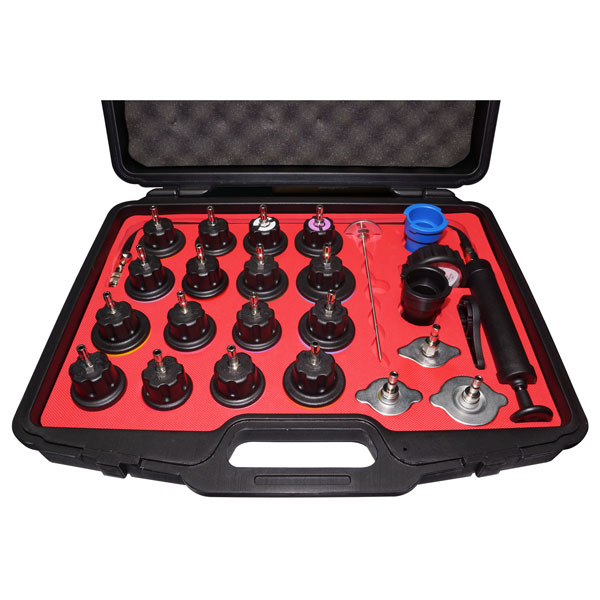
Universal Radiator Cooling System Pressure Tester Kit
Mfg: Baum Tools
Part #: BFZKIT
ID: 149233
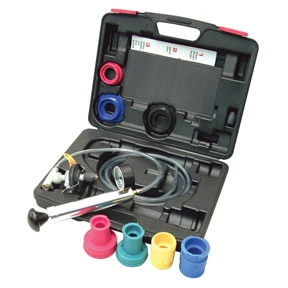
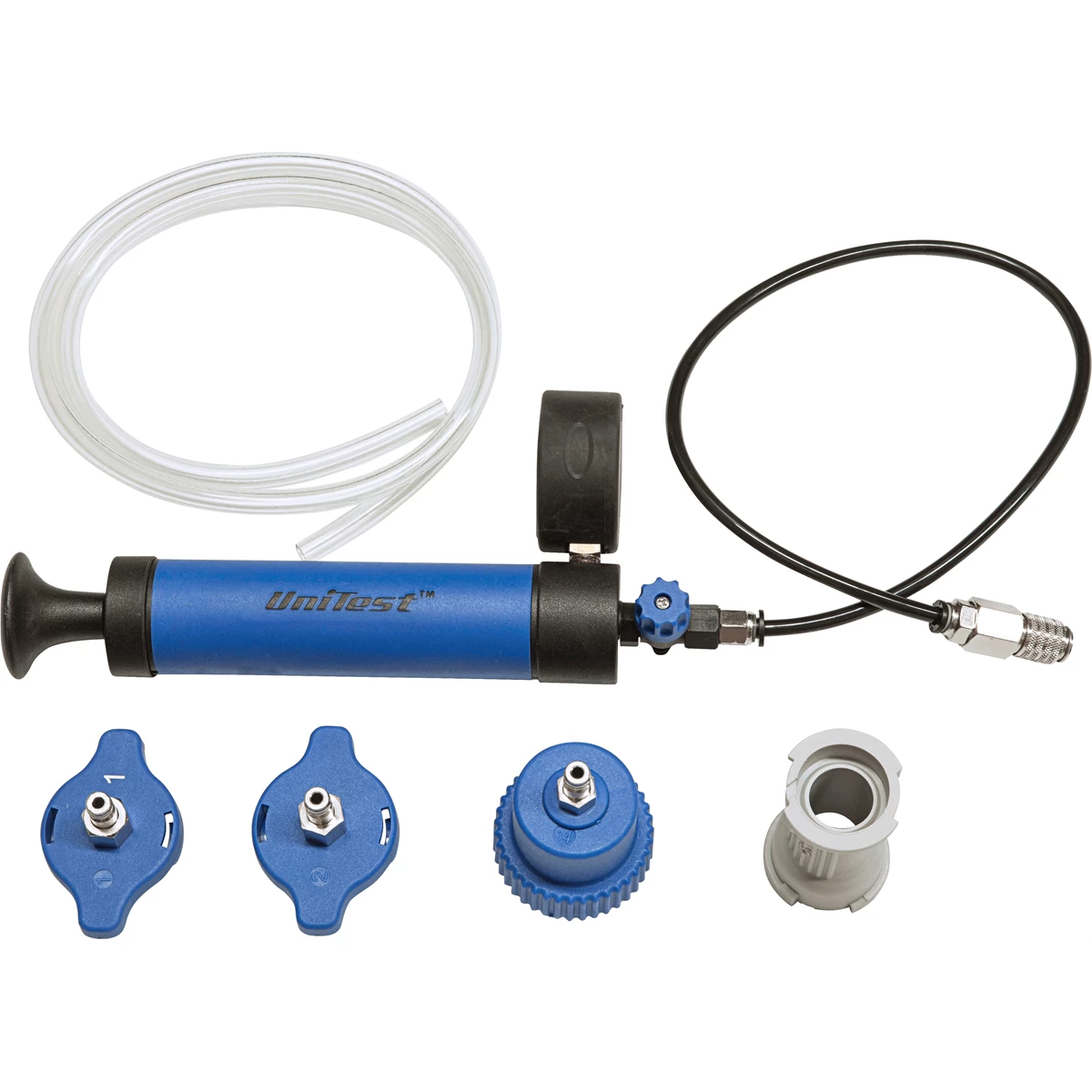
OE Toyota\/Lexus Cooling System Pressure Test Kit
Mfg: Private Brand Tools
Part #: 71510
ID: 238768
Find Your Leak Source
Using a Pressure Tester:
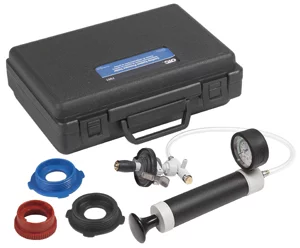
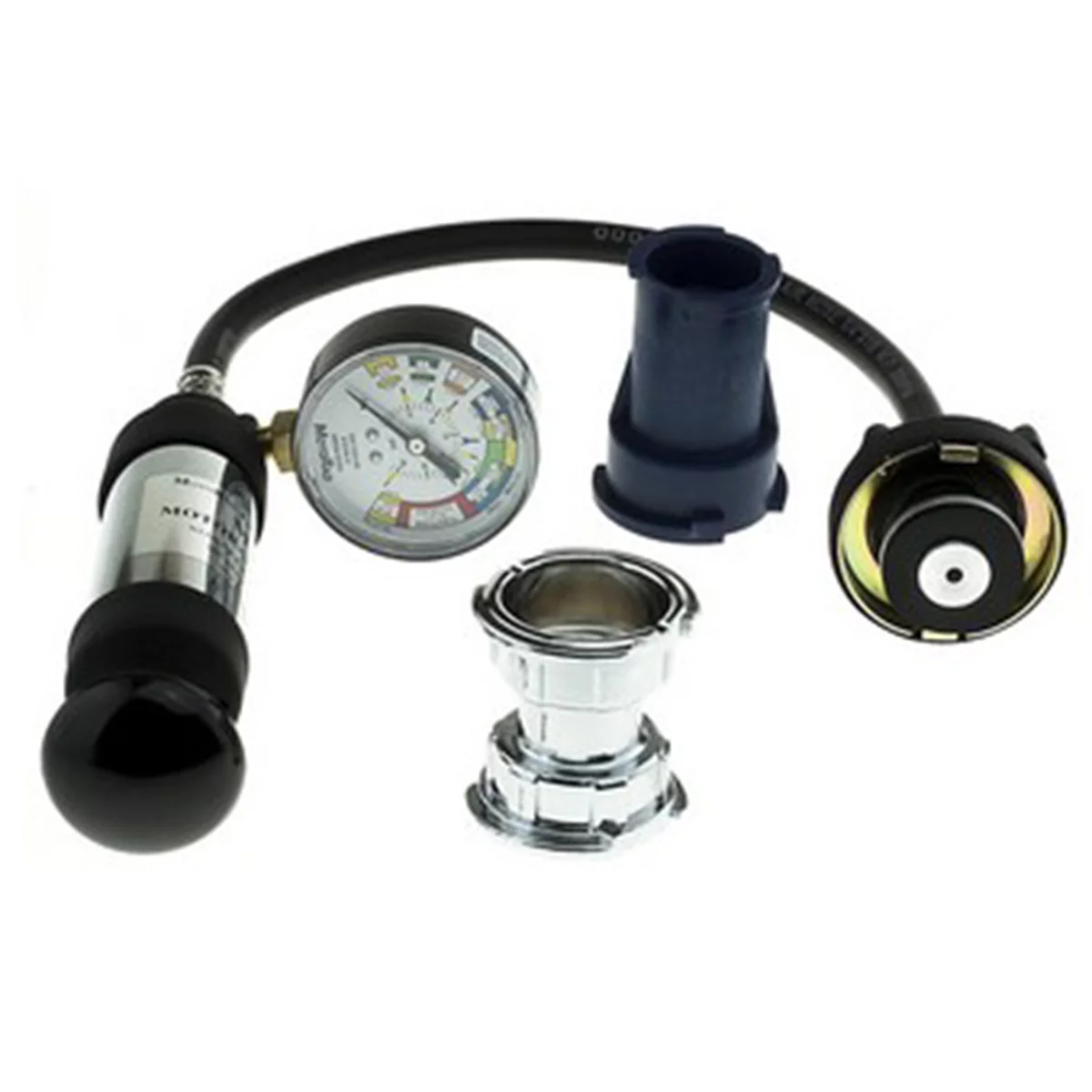
OTC 7991 Radiator Cooling System Pressure Tester
Mfg: OTC Tools and Equipment
Part #: 7991
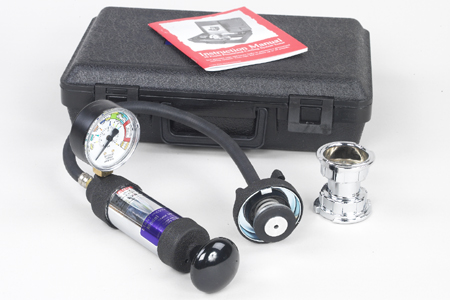
A cooling system pressure tester is the most effective leak-finding tool. Many auto parts stores loan them free with a deposit. Start with a cold engine. Remove the radiator cap and inspect it for cracks or debris. Attach the pressure tester adapter and pump to the pressure rating on your radiator cap (typically 13-16 PSI). Watch the gauge—a healthy system holds pressure for at least 10 minutes. If pressure drops, inspect every visible component while pressurized. Leaks that seep during normal operation often stream steadily under test pressure. Use a flashlight and mirror to check hidden areas. Green, orange, or pink coolant stands out against engine components.
Common Leak Locations:
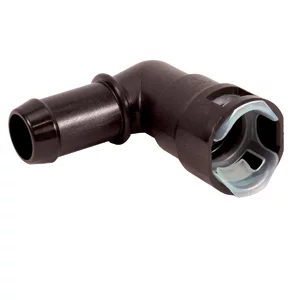
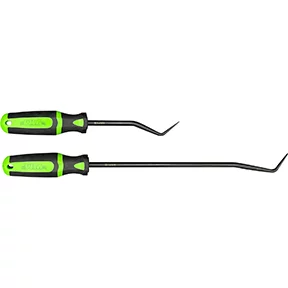
Radiator: Check plastic tank seams where they meet the aluminum core. These joints crack from heat cycling and vibration. Look for impact damage or corrosion on the core itself.
Hoses: Squeeze each hose—it should feel firm but pliable. Soft, spongy hoses or hard, brittle ones need replacement. Check both ends where hoses connect. Many leaks occur at connection points when clamps loosen or hose material degrades.
Water pump: Most water pumps have a weep hole that allows coolant to escape when the internal seal fails. A water pump leak often appears at the engine’s bottom center, with coolant spray patterns on nearby components.
Heater core: A leaking heater core causes coolant smell inside the cabin, foggy windows, and wet carpet on the passenger floor. Replacement requires extensive dashboard disassembly.
Thermostat housing: This often-overlooked component develops leaks around its gasket or from cracks in plastic housings, located where the upper radiator hose connects to the engine.
Why Leaks Appear When Hot and Disappear When Cold:
Cooling systems operate under pressure when hot (13-16 PSI), forcing coolant through tiny cracks. Components expand with heat, opening gaps that close when cool. Dried coolant residue can temporarily plug small holes. This is why pressure testing on a cold engine works well—it simulates operating conditions without requiring a hot engine.
Head Gasket vs. Other Leaks
Head Gasket Warning Signs:
Head gaskets seal the interface between engine block and cylinder head, keeping coolant separate from oil and combustion chambers. When they fail, fluids mix. “Milkshake oil” comes from coolant emulsifying with engine oil. White exhaust smoke with a sweet smell occurs when coolant enters a combustion chamber and vaporizes. Other symptoms: bubbles in the radiator when the engine runs (exhaust gases entering cooling system), coolant loss with no visible external leaks, and rapid cooling system pressure buildup. A combustion leak tester confirms head gasket failure definitively.
Internal vs. External Leaks:
External leaks are visible drips or seepage where coolant escapes outside. These include radiator leaks, hose failures, water pump weepage, and housing gasket leaks. Generally cheaper and simpler to repair since the faulty component is accessible.
Internal leaks occur inside the engine where coolant enters combustion chambers or oil passages. Head gasket failure, cracked cylinder heads, and damaged engine blocks cause internal leaks. These require significant engine disassembly to access and repair. A head gasket replacement involves removing the cylinder head, disconnecting numerous components, and potentially machining the head surface. Labor costs alone often exceed $1,500.
Model-Specific Issues:
The Ford Fusion with 1.5L and 2.0L EcoBoost engines suffered from coolant intrusion into cylinders due to defective cylinder head design. White smoke on startup, coolant loss without external leaks, and rough running indicate this issue. The Nissan 300ZX (Z32) with twin-turbo engine presents notorious complexity—the engine bay is extremely cramped, and simple repairs require hours of disassembly.
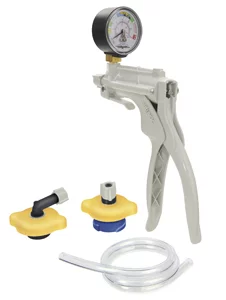
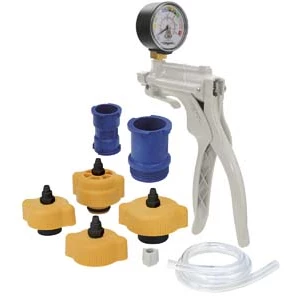
Universal Radiator Cooling System Pressure Tester Kit
Mfg: Baum Tools
Part #: BFZKIT
ID: 149233
Repair Costs by Leak Type
| Repair Type | Parts Cost | Labor Cost | Total Estimate |
|---|---|---|---|
| Coolant Hose Replacement | $15-$50 | $75-$150 | $90-$200 |
| Radiator Replacement | $150-$400 | $200-$400 | $350-$800 |
| Water Pump Replacement | $75-$250 | $250-$600 | $325-$850 |
| Thermostat Housing | $50-$150 | $100-$250 | $150-$400 |
| Heater Core Replacement | $100-$300 | $500-$1,200 | $600-$1,500 |
| Head Gasket Replacement | $200-$600 | $1,200-$2,500 | $1,400-$3,100 |
Costs vary by vehicle make, engine configuration, and regional labor rates. Transverse-mounted V6 engines often cost more for water pump replacement than inline four-cylinder engines due to access difficulty.
OEM vs. Aftermarket Parts:
OEM parts come from the original supplier, ensuring exact fit and specifications. Aftermarket parts range from budget options to premium upgrades. For radiators, cheap aftermarket versions sometimes use thinner aluminum or plastic that fails prematurely. For water pumps, many technicians prefer OEM or premium aftermarket brands (Gates, Aisin, GMB). A water pump failure can leave you stranded and damage timing belts on interference engines. Hoses and clamps generally work fine as aftermarket parts. Coolant should meet or exceed your vehicle manufacturer’s specifications.
Temporary Fixes vs. Permanent Repair:
Stop-leak additives can temporarily seal small radiator leaks and weeping gaskets by depositing particles that clog leak paths. However, these same particles can clog radiator tubes, heater cores, and passages. Never use stop-leak as a permanent solution—only when you need to drive a short distance to get proper repair.
Get immediate repair for: any internal coolant leak (head gasket, cracked head), coolant leaks causing overheating, major component failures, or coolant contaminating engine oil. Delaying these repairs risks catastrophic engine damage that transforms a $500 repair into a $5,000 engine replacement.
Prevention Maintenance
Coolant Type and Ratio:
Modern engines require specific coolant formulations. Using the wrong type accelerates corrosion and degrades rubber components.
IAT (Inorganic Additive Technology): Traditional green coolant, replaced every 2-3 years.
OAT (Organic Acid Technology): Long-life coolant in various colors (orange, red, pink), lasting 5 years or 150,000 miles.
HOAT (Hybrid OAT): Combines IAT and OAT, typically yellow or orange.
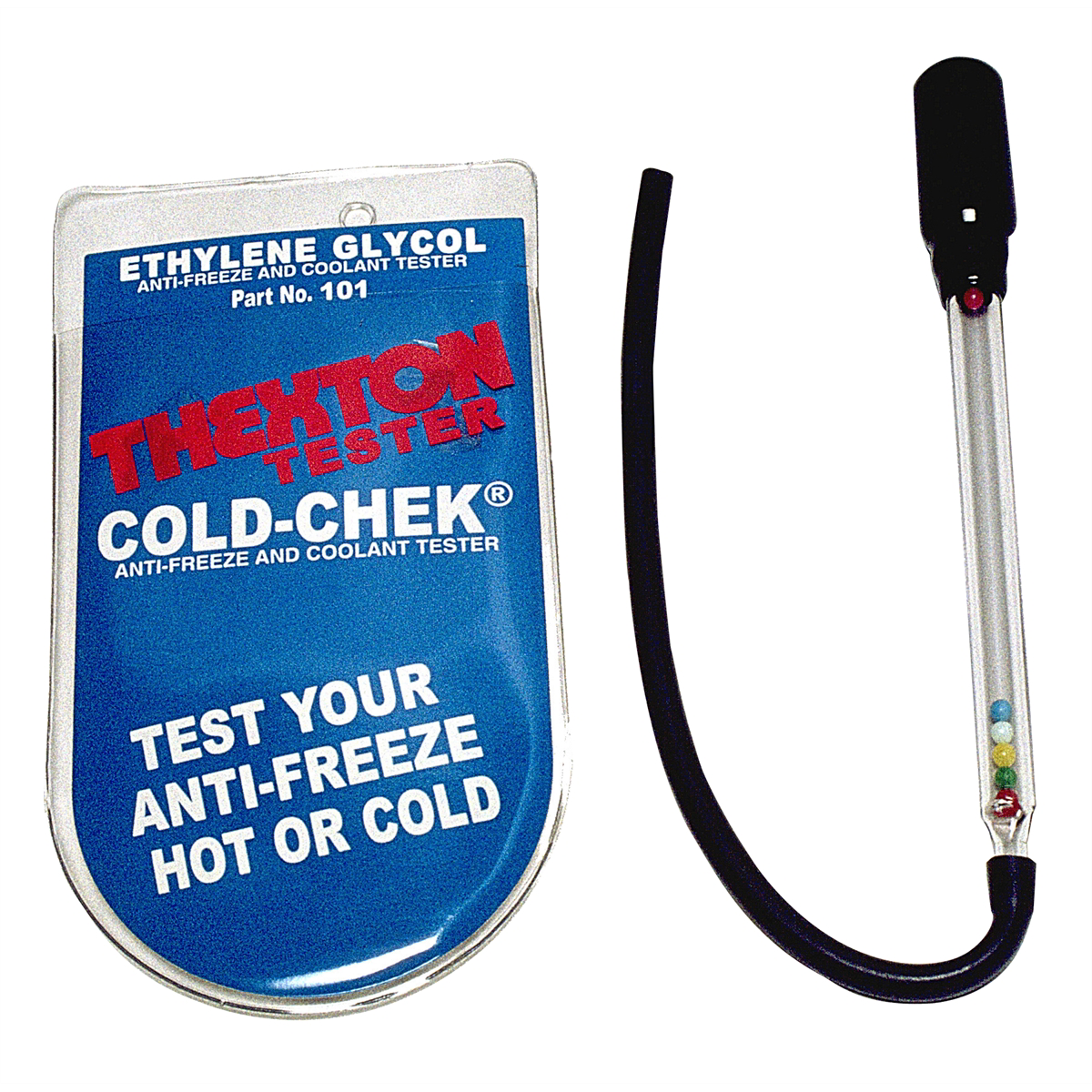
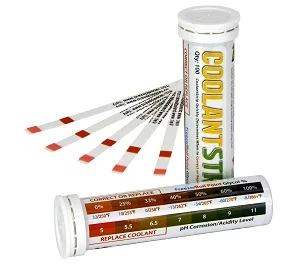
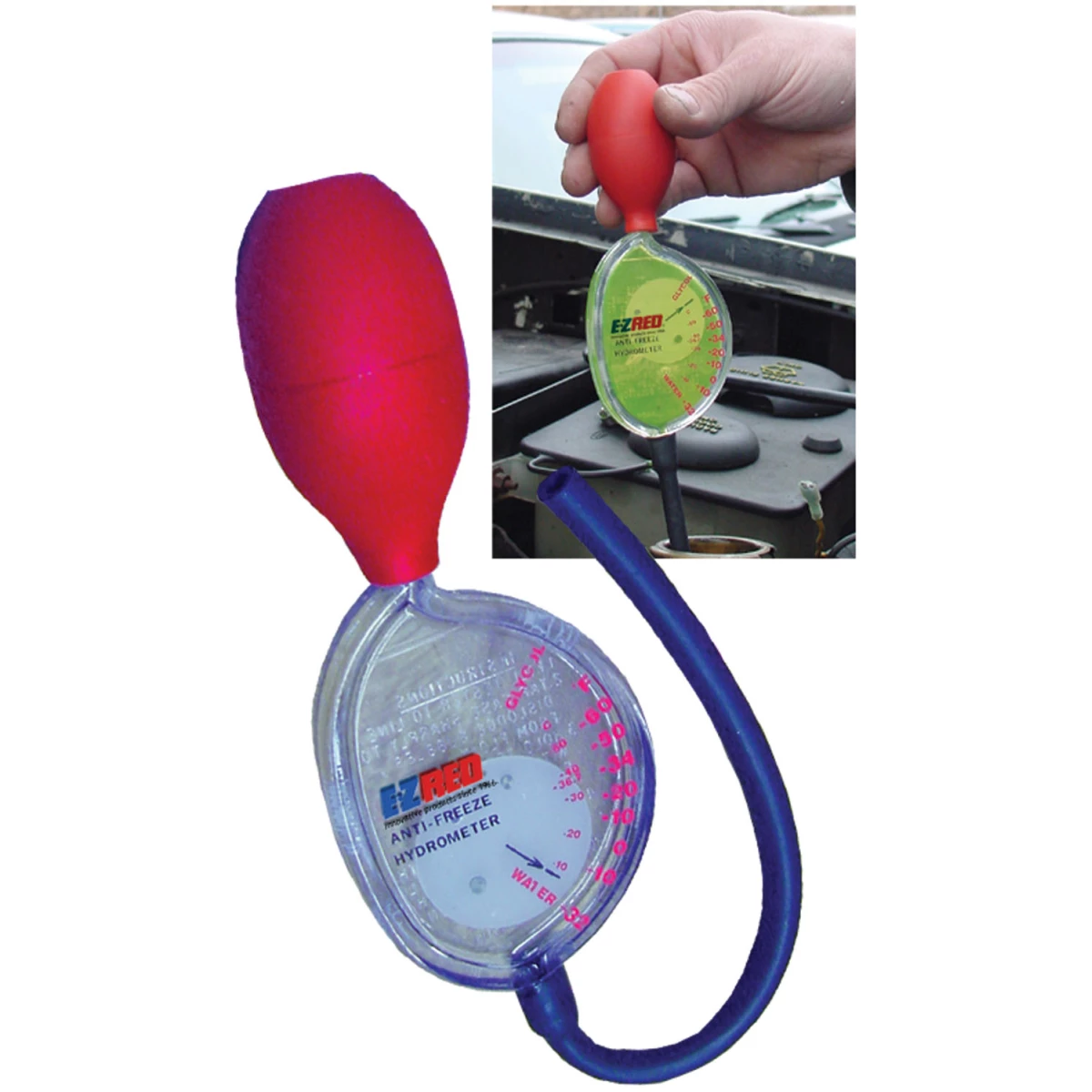
Check your owner’s manual for the specified type. Mix concentrated coolant with distilled water at 50/50 ratio. This provides freeze protection to approximately -34°F and boiling point elevation to about 265°F under pressure.
Maintenance Schedule:
At every oil change, inspect all accessible hoses, connections, and the radiator for seepage or damage. Check coolant level in the overflow reservoir when the engine is cold. Squeeze coolant hoses to check for deterioration. Replace hoses that feel excessively soft, spongy, hard, or brittle. Tighten hose clamps that have loosened. Replace the timing belt? Replace the water pump too—you’re already paying labor. Change coolant every 5 years regardless of mileage on long-life coolant systems.
Why Water Alone Isn’t Enough:
Plain water causes rapid corrosion of aluminum components, promotes rust in iron blocks, and provides no freezing protection. Water also has a lower boiling point than coolant mixture, increasing overheating risk. If you must add water temporarily, use distilled water. Replace it with proper coolant mixture immediately and perform a complete flush if significantly diluted.
Diagnosis Checklist
- ☐ Check engine oil on dipstick for milky appearance
- ☐ Inspect radiator cap and coolant reservoir for contamination
- ☐ Look for visible coolant puddles (note color and location)
- ☐ Check coolant level in overflow reservoir (cold engine only)
- ☐ Inspect all accessible hoses for cracks, soft spots, and bulges
- ☐ Examine radiator for damage, leaks, and corrosion
- ☐ Look for coolant stains on engine block and cylinder head
- ☐ Check for sweet coolant smell in cabin or white smoke from exhaust
- ☐ Inspect water pump weep hole for seepage
- ☐ Perform cooling system pressure test (pump to radiator cap rating, hold 10 minutes)
- ☐ Check all hose connections and clamps while system is pressurized
- ☐ Inspect heater core area for wet carpet or coolant smell
- ☐ Test radiator cap with pressure tester to verify it holds rated pressure
- ☐ If internal leak suspected, perform combustion leak test
- ☐ Document leak location, severity, and operating conditions
FAQ: Coolant Leak Questions Answered
Can I keep topping off coolant and just drive with the leak?
This depends on leak severity and type. Small, slow external leaks might allow short-term operation if you monitor coolant level and temperature gauge constantly. However, this strategy is risky and never advisable long-term. Every mile driven with low coolant increases overheating risk, which can warp cylinder heads, blow head gaskets, and crack engine blocks. Any internal coolant leak contaminating oil makes driving unsafe—coolant-contaminated oil destroys bearings rapidly. If you must drive with a minor external leak, keep trips short, carry extra coolant, watch your temperature gauge constantly, and schedule repair immediately.
What does it mean if my leak stops on its own?
A coolant leak that stops spontaneously hasn’t healed—it’s temporarily sealed by debris, dried coolant deposits, or thermal contraction. When the cooling system is under pressure and at operating temperature, small cracks and failing seals leak actively. As the engine cools and pressure drops, these leak paths close temporarily. Dried coolant can plug tiny holes until heat and pressure reopen them. These temporary seals always fail again. A leak that stops and starts indicates a problem that will worsen. Address it while it’s still minor rather than waiting for a roadside breakdown.
How do I safely handle and dispose of coolant?
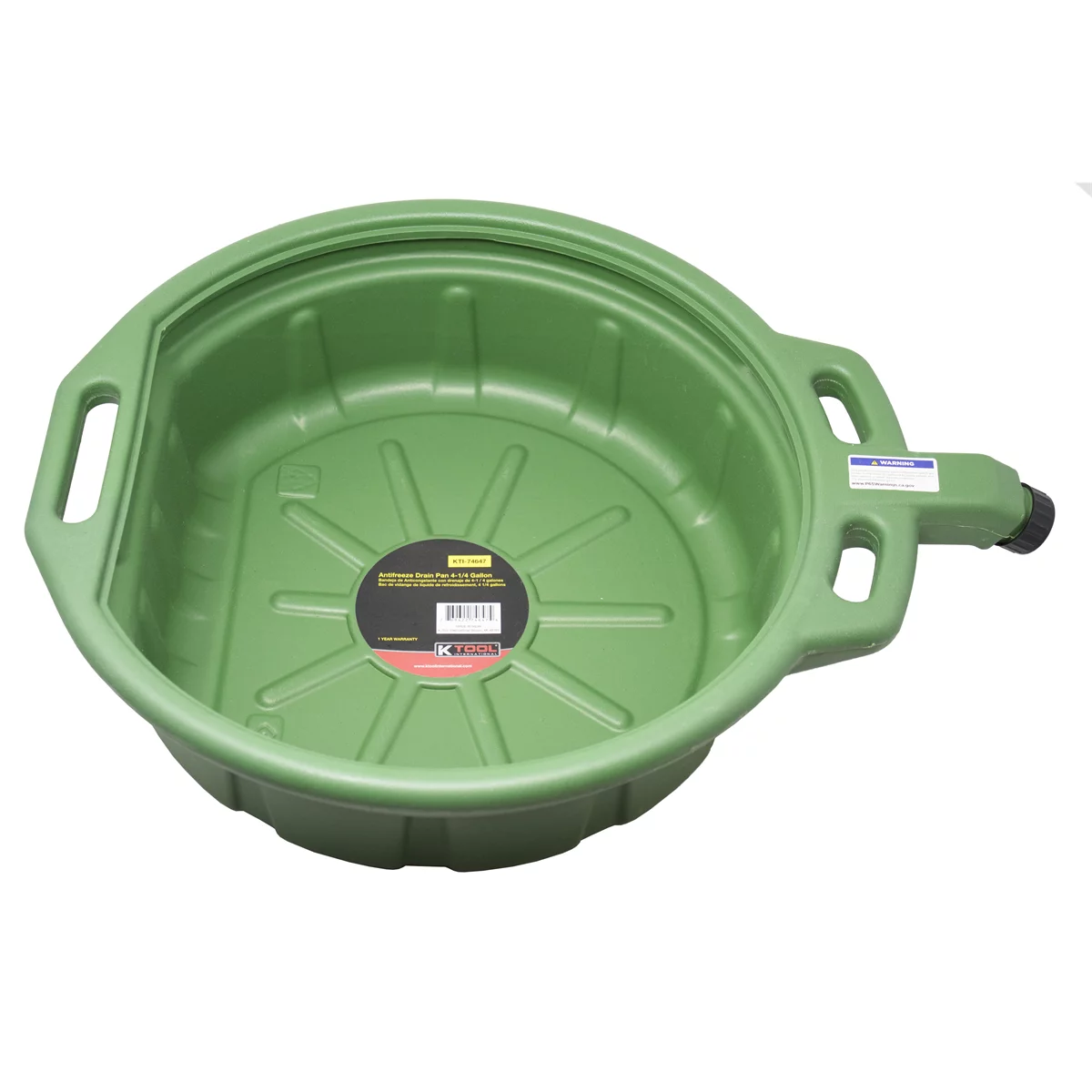
Ethylene glycol antifreeze is highly toxic to pets and wildlife. Store coolant in sealed, labeled containers out of reach of children and animals. Clean up spills immediately with kitty litter or sand. Never pour coolant down drains or onto the ground—it contaminates groundwater. Most auto parts stores, repair facilities, and municipal hazardous waste collection sites accept used coolant for recycling. Coolant recycling processes remove contaminants and restore the ethylene glycol for reuse.
How long does it take for a small coolant leak to become a major problem?
The progression varies dramatically. A pinhole in a radiator might seep for weeks before enlarging suddenly due to corrosion. A degrading hose can leak slightly for months until thermal cycling weakens it to catastrophic failure. Water pump seal failures typically progress over weeks. Head gasket leaks almost always worsen progressively. A leak losing a cup per week can suddenly become a gushing failure. Don’t gamble by postponing repairs on a known coolant leak.
Is it worth replacing the water pump when changing the timing belt?
Absolutely. You’re already paying labor to access the water pump. The incremental cost is usually just the part cost plus 30-60 minutes of additional labor. Water pumps are wear items with similar service life to timing belts. If you replace only the belt, the water pump may fail shortly after, requiring you to pay the entire labor cost again. Replace both simultaneously along with the thermostat, tensioners, and idler pulleys.
Can a coolant leak cause my check engine light to come on?
Yes, though not directly. Low coolant levels can cause engine overheating, triggering temperature-related fault codes. Coolant leaking onto sensors like oxygen sensors or mass airflow sensors can cause electrical faults that illuminate the check engine light. Head gasket failures that allow coolant into combustion chambers trigger misfire codes because coolant doesn’t compress properly. If your check engine light is on and you have a coolant leak, scan for diagnostic trouble codes before making assumptions. The codes provide valuable information about which systems are affected.
Shop Oil & Fluids for Your Repair
Now that you know how to diagnose and fix a coolant leak, it’s time to get the right supplies. Our Oil & Fluids category has everything you need for this job and future maintenance.
- Coolant & Antifreeze – Quality coolants for different vehicle types
- Leak Sealers & Additives – Stop leaks before they become major problems
- Drain Pans & Funnels – Essential tools for fluid work
Essential Tools for Coolant System Maintenance
Diagnosing and fixing a coolant leak requires the right equipment and supplies. Our curated selection of automotive coolant tools and products will help you tackle this repair with confidence and precision.
- Cooling System Pressure Testers – Identify leaks quickly with a reliable pressure testing kit to pinpoint the exact source of your coolant loss.
- Coolant Flush Kits & Refill Supplies – After sealing the leak, prepare your system with quality coolant and flush solutions to ensure optimal performance.
- Hose Clamps & Radiator Sealants – Stock essential repair components including clamps, gasket makers, and temporary sealants for immediate fixes.
For the tools in this guide, browse Coolant Leak Detectors at Tool Source.

The Toolsource Technical Team blends decades of real-world automotive service experience with up-to-date technical research. Our writers collaborate with professional mechanics, shop owners, and diagnostic specialists to deliver practical, workshop-ready guidance you can trust.


Follow us on social media