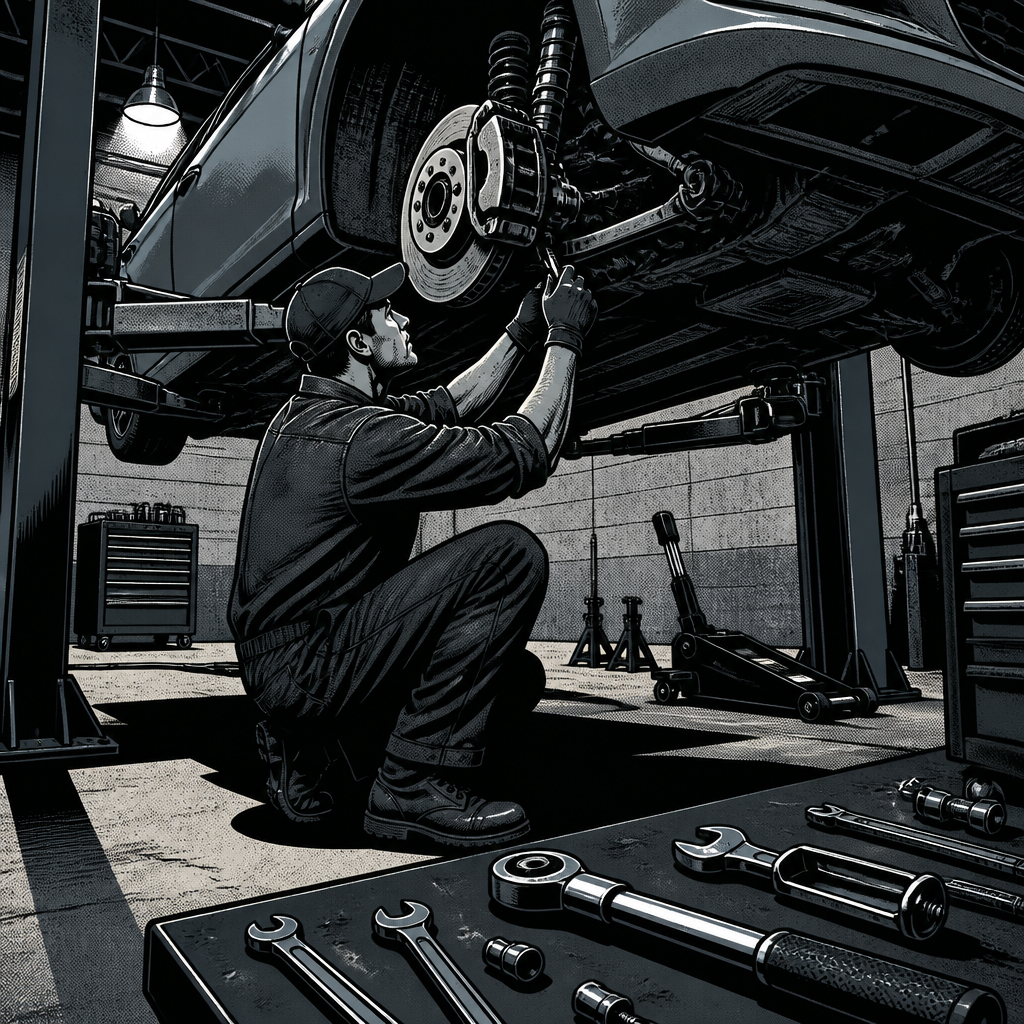
Every few months a thread pops up online asking “do rent-a-bay garages still exist?” and the honest answer is: sometimes, but they’re a lot rarer than they used to be. Pay-by-the-hour access to a lift, a clean floor, and a place to dispose of fluids sounds like an obvious business — until you look at what insurance, liability, and specialty-tool losses actually cost the person running it. This guide breaks down where these shops still operate, what separates a legitimate operation from a liability trap, and how to get the most out of a rented bay if you find one near you.
What a DIY Garage Bay Actually Is
A rent-a-bay operation is exactly what it sounds like: you pay an hourly or daily rate for access to a lift, a stall, and sometimes a basic tool loadout. Some locations supply nothing but the bay and lift and expect you to bring your own tools. Others — particularly the well-run ones — provide a full set of hand tools, a jack, stands, and a used-fluid collection system so you’re not stuck disposing of old oil or coolant yourself. Rates reported by users of these shops currently range from roughly $10-12/hour on the low end (often at military installations) up to $35-60/hour at independent civilian operations, with day rates around $150-200 in some markets.
Almost none of these businesses allow commercial or “for-hire” work. You’re renting the space to fix your own vehicle, not to run a side business out of their bay — that distinction matters for their insurance coverage, and staff will generally ask you to confirm it before you start.
Where They Still Exist
The most consistent source of DIY garage bays isn’t the civilian market — it’s the military. Auto hobby shops, auto craft shops, or auto skills centers are common on Air Force, Army, and Navy installations, typically open to active duty, retirees, dependents, and sometimes DoD civilians. Rates on base tend to run far below civilian equivalents, and many are staffed by former mechanics who’ll walk you through a repair if you get stuck. That said, several bases have closed their auto hobby shops in recent years due to declining use and rising overhead, so availability varies by installation and it’s worth calling ahead rather than assuming one is still open.
On the civilian side, independent DIY garages exist in scattered pockets — metro Detroit, parts of Michigan generally, Southern California, Nashville, Boise, and the DC/Northern Virginia area have all had active locations reported, though individual shops open and close regularly. Community makerspaces are another option in some cities, though they typically require a paid membership and a safety orientation before you’re allowed near the lift. Searching “DIY garage” or “garage bay rental” plus your city name is the most reliable way to find a current listing — national directories are thin, so word of mouth and local search outperform any single aggregator.
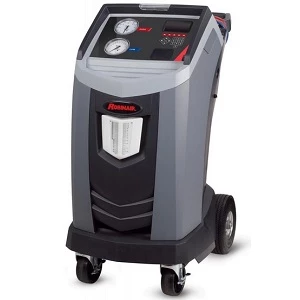
Premier R-1234yf Recover, Recycle and Recharge Machine
Mfg: Robinair
Part #: AC1234-4
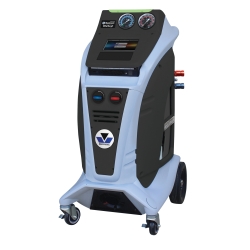
SAE certified 1234YF RRR machine with identifer
Mfg: Mastercool
Part #: Commander4000
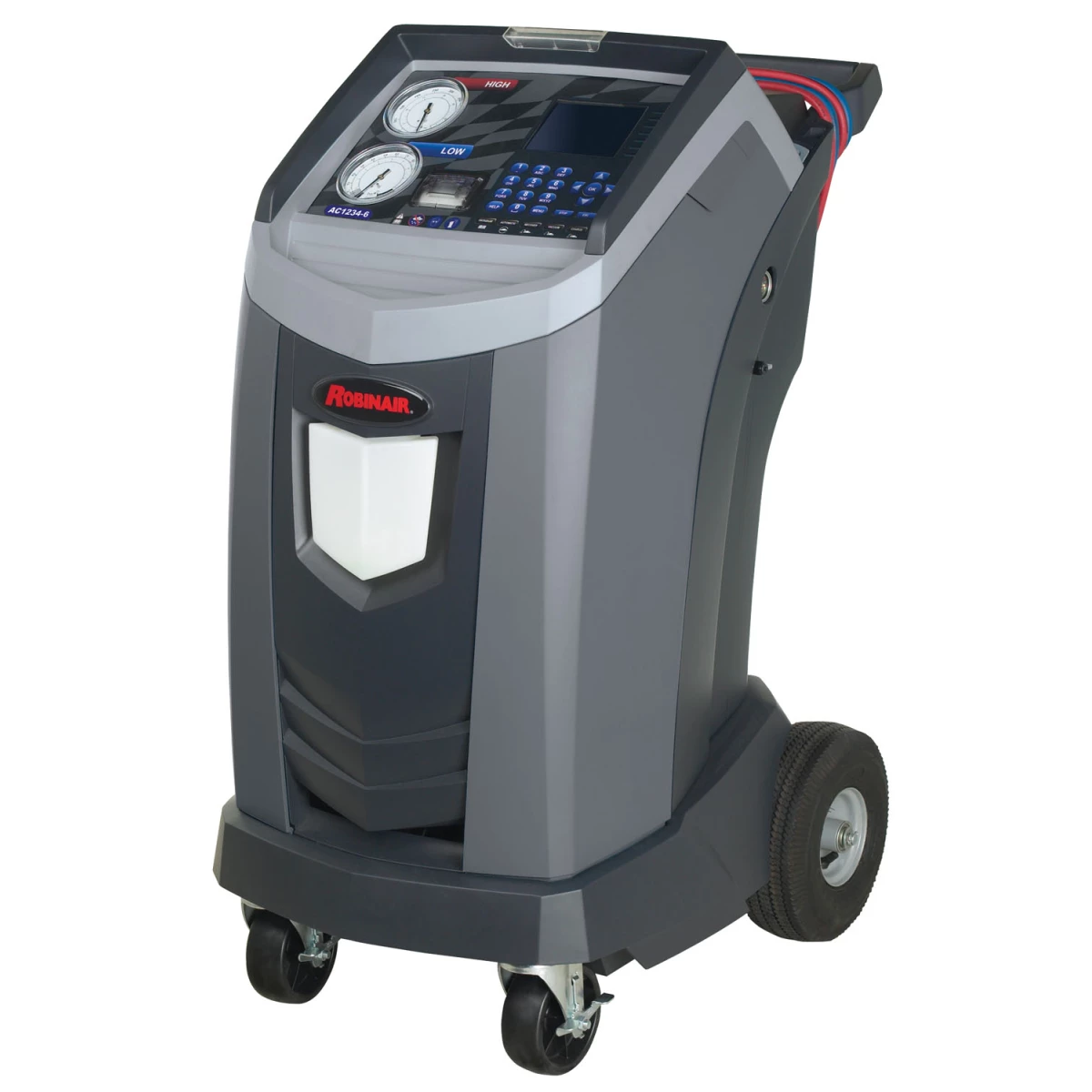
1234YF Recovering, Recycling, Recharging A/C Service Machine
Mfg: Robinair
Part #: AC1234-6
Find Recovery and Fluid-Handling Gear Before You Go
If a shop doesn’t supply fluid recovery equipment, or if you’re doing A/C work that requires refrigerant recovery, that’s not something to figure out on-site. R-1234yf and R-134a recovery/recycle/recharge machines are commonly required by shops before they’ll let you touch the AC system at all, and many DIY bays won’t have one on hand for guest use.
What to Bring vs. What’s Provided
Call ahead and ask specifically what’s included — don’t assume. The variance between shops is significant enough that showing up unprepared can cost you a wasted trip. At minimum, confirm:
- Whether hand tools and a torque wrench are supplied or BYO
- Whether the lift operator runs the lift or you’re trained/certified to run it yourself
- Whether fluid disposal (oil, coolant, brake fluid) is handled on-site
- Whether specialty tools (pullers, presses, diagnostic scanners) are available to rent or borrow
- What happens if you damage shop equipment — ask this directly, it tells you a lot about how the business is run
Bring your own PPE regardless of what’s promised: safety glasses, gloves, and shop rags. Bring the vehicle’s service manual or a printed repair procedure if you’re doing anything beyond routine maintenance — most bays are unstaffed or lightly staffed, and you won’t have a shop foreman to consult mid-job.
Liability, Insurance, and Why These Shops Are Rare
This is the part that shapes almost everything about the industry. General liability and equipment insurance for a facility where untrained members of the public operate a two-ton lift is expensive, and a single serious injury claim can end the business. Several formerly operating DIY garages have closed after fires (one reported case involved someone using a cutting torch inside a rented bay) or after insurance costs made the model unprofitable. Tool theft and damage from unsupervised users is a second recurring problem — shops that supply loose tools report ongoing losses, which is part of why many either lock down tool loadouts tightly or don’t supply tools at all.
Because of this, the shops that do survive tend to run one of two models: heavy paperwork (waivers, safety courses, membership requirements, insurance riders) or minimal-supply (bay and lift only, nothing else, so their exposure is limited to the lift itself). If a shop seems casual about waivers or lift certification, treat that as a red flag rather than a convenience.
Is Renting a Bay Actually Worth It?
Do the math before committing to a big job. At $35-60/hour civilian rates, a repair that takes a competent DIYer four hours — plus the time spent figuring out a problem you’ve never solved before — can approach or exceed what a shop would charge for labor, especially on a job with a flat-rate book time under three hours. Where bay rental clearly wins is on jobs that need a lift and specialty access but are otherwise straightforward for an experienced DIYer: brake jobs, exhaust work, suspension components, oil pan gaskets, or anything where “having the car in the air” is the main barrier rather than diagnostic uncertainty. It also wins when your regular shop is genuinely backed up — some independent shops are booking two or more weeks out, and a rented bay lets you get a car back on the road same-day for jobs you’re capable of doing yourself.
It loses when the job is diagnostic-heavy, requires software/programming access, or when you’re unfamiliar enough with the repair that shop time will balloon past what a flat-rate mechanic would take.
Bay Rental Prep Checklist
- Confirm hourly/day rate, minimum booking time, and cancellation policy
- Ask exactly what tools, fluids service, and PPE are supplied vs. required
- Confirm lift operation rules — self-service or attendant-operated
- Read the liability waiver before you arrive, not while you’re standing at the counter
- Bring your own diagnostic tools/scanner if the job needs one
- Have the repair procedure or torque specs printed or downloaded — don’t rely on shop wifi
- Arrive with parts already in hand; don’t plan to run out mid-job
Whether you’re outfitting a home garage because rental bays aren’t available near you, or building a kit to bring to a rented stall, having your own core toolset removes a lot of the uncertainty around what a given shop will and won’t supply.
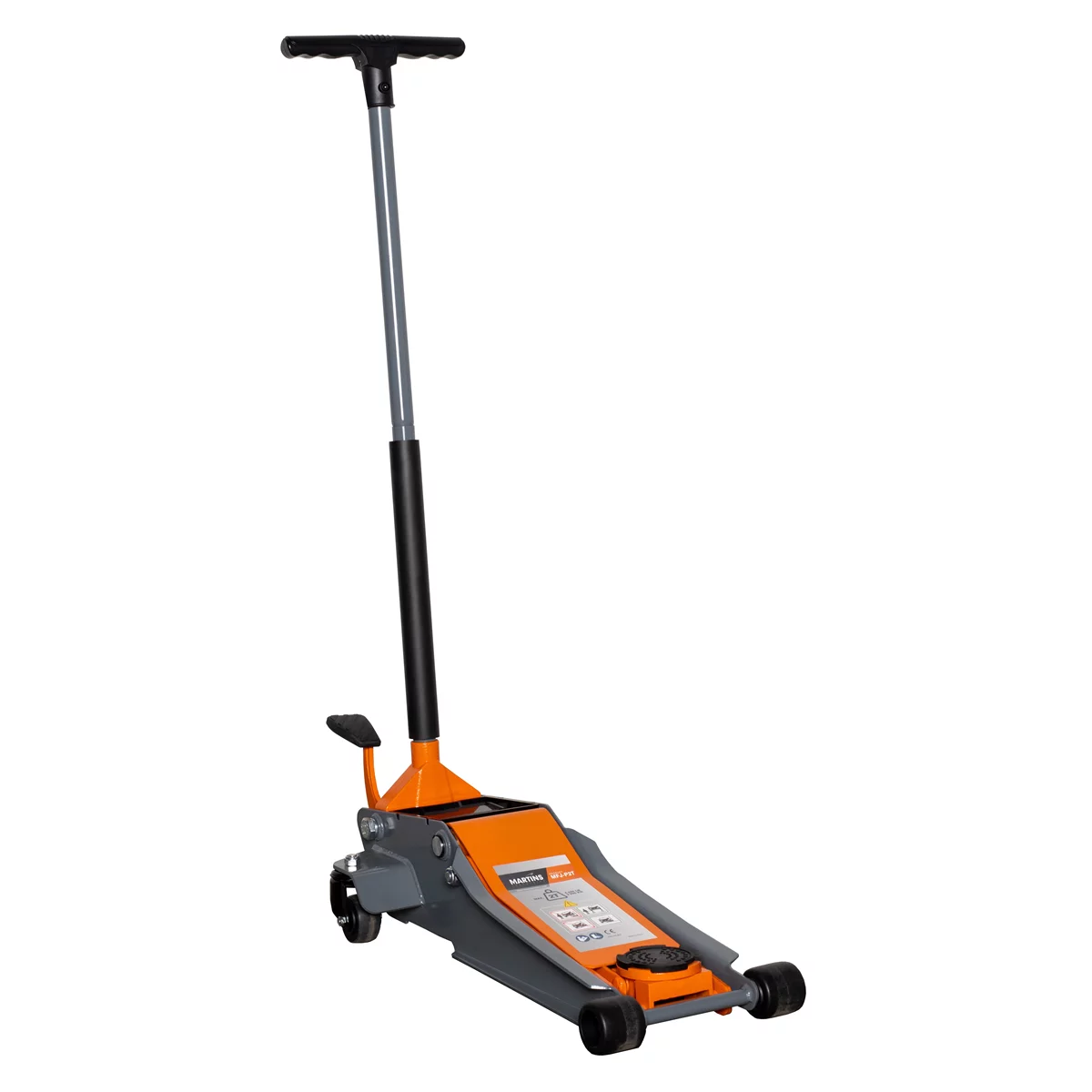

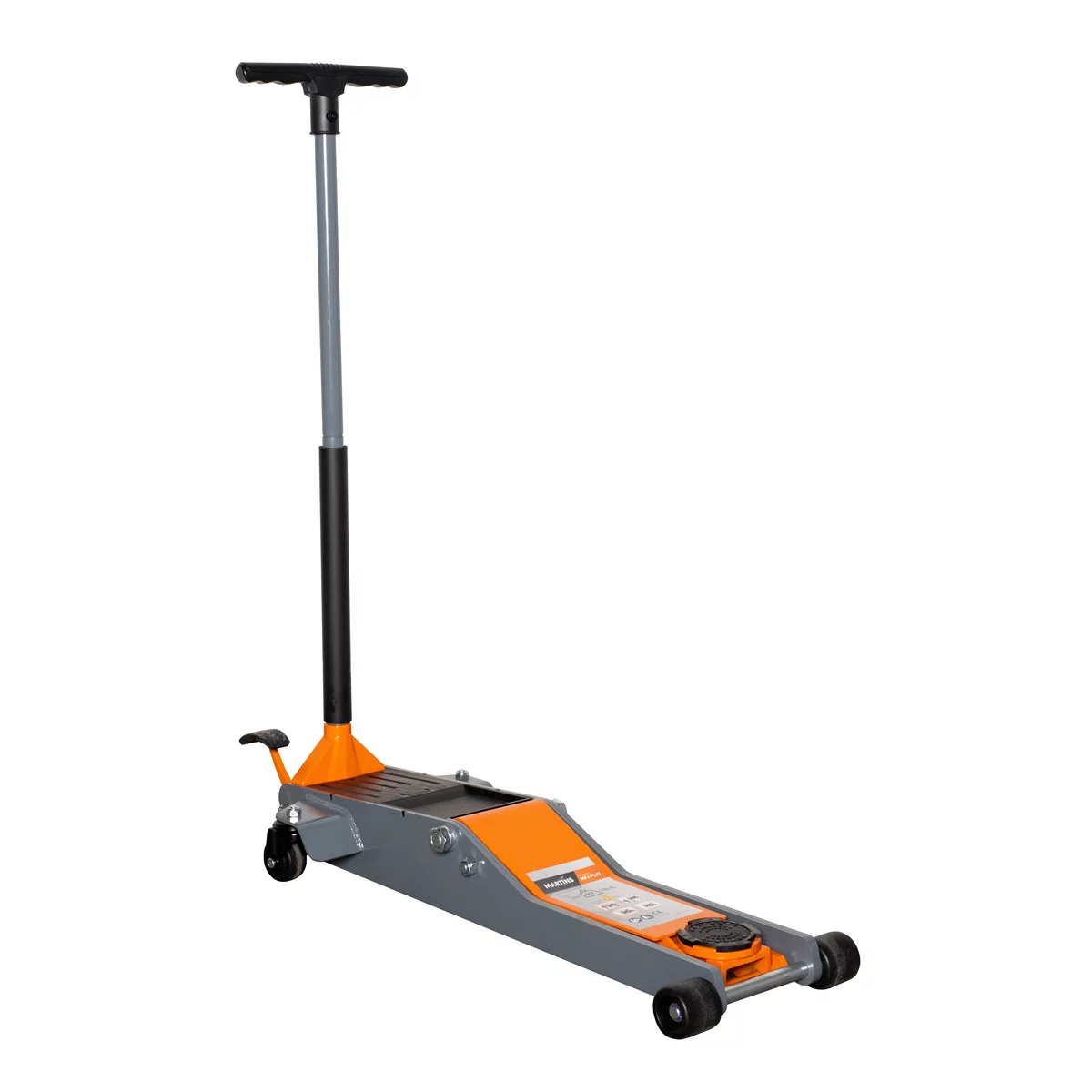
Martin Tools 2-Ton - Professional Long Reach Floor Jack
Mfg: Martin Tools
Part #: MFJ-PL2T
FAQ
Are DIY garage bay rentals legal to use for paid work on someone else’s car?
No. Nearly every rental operation restricts use to your own personal vehicle and prohibits commercial or for-hire repair work — this is tied directly to their insurance coverage.
Do I need a license or certification to rent a bay?
Not a mechanic’s license, but many shops require a signed liability waiver and some require a short lift-safety orientation before you’re allowed to operate the equipment yourself.
Can civilians use military auto hobby shops?
Access policies vary by installation. Typically active duty, retirees, and dependents can use them; some also allow DoD civilian employees. Check with the specific base — a growing number have closed these facilities due to low usage.
What happens if I damage the lift or a tool while renting a bay?
This depends entirely on the shop’s policy, and it’s worth asking before you sign anything. Some charge repair/replacement costs directly to the renter; this is one of the main liability exposures that keeps insurance costs high for these businesses.
Are there alternatives if there’s no DIY garage near me?
Community makerspaces sometimes have automotive bays under a membership model. Some community colleges offer open shop nights for a small fee. Otherwise, a home setup with a quality jack, jack stands, and ramps covers most maintenance jobs that don’t strictly require a full lift.
Why did so many of these shops close down?
Primarily general liability and equipment insurance costs, combined with a shrinking customer base as more repairs require specialized diagnostic software and licensing that DIYers can’t easily replicate.
Core Lifting Equipment for Garage Work
Whether you’re renting a bay or building a home setup, reliable lifting equipment is essential for safe vehicle access. Explore our Lifting Equipment selection to find jacks, stands, and access tools that fit your workspace.
- Hydraulic and mechanical jacks for vehicle lifting
- Jack stands and safety supports for extended work
- Ramps and portable lifts for compact spaces

The Toolsource Technical Team blends decades of real-world automotive service experience with up-to-date technical research. Our writers collaborate with professional mechanics, shop owners, and diagnostic specialists to deliver practical, workshop-ready guidance you can trust.


Follow us on social media