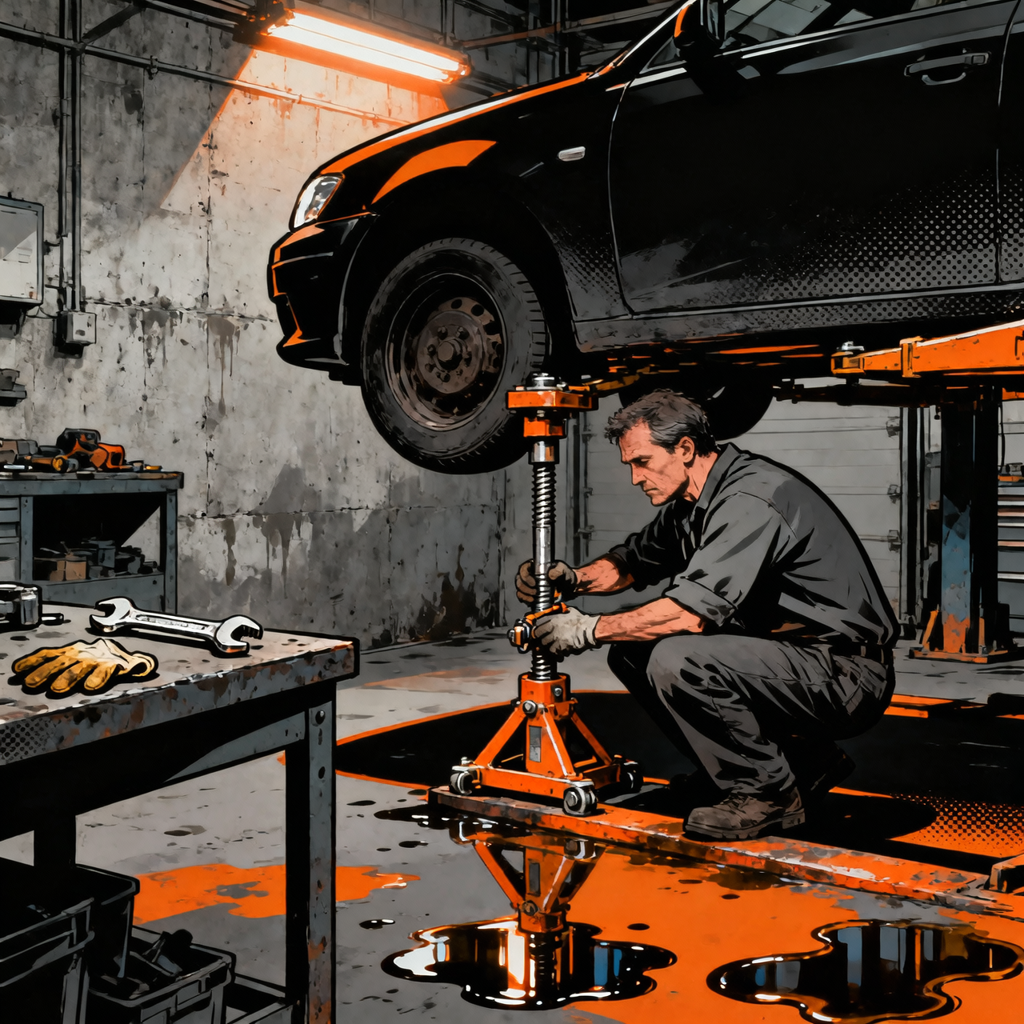
A Comprehensive Guide to Safe Vehicle Lifting: Ramps, Jack Stands, and Best Practices
When it comes to working on vehicles, ensuring your safety is paramount. Whether you’re performing routine maintenance or more intensive repairs, the method you use to lift your vehicle is crucial. This guide covers the best practices, safety measures, and types of equipment you can use to lift vehicles efficiently and safely.


Rotary Lift Plastic Duckhead & Support Kit VSG800A126
Mfg: Rotary Lift
Part #: VSG800A126
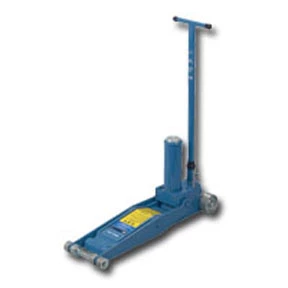
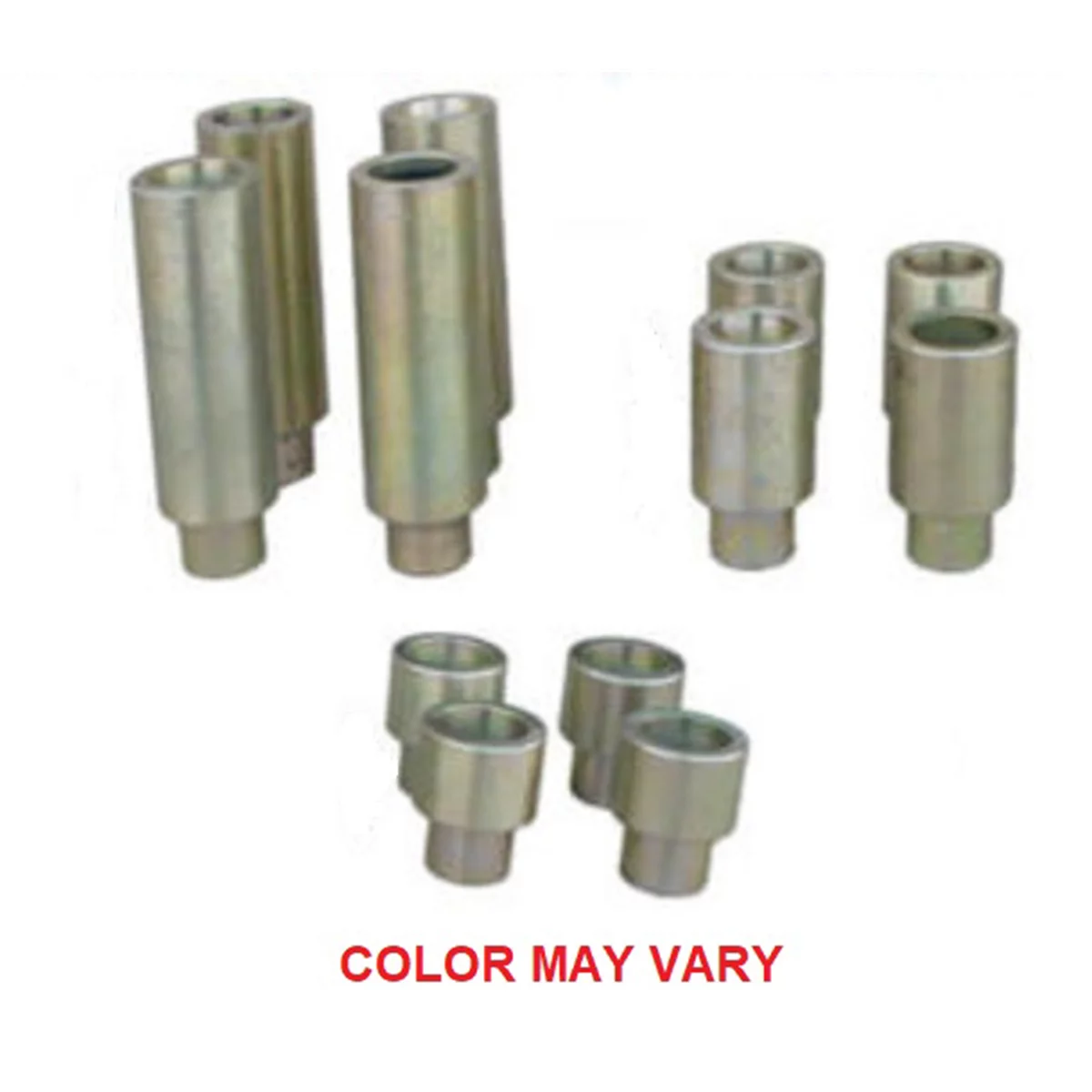
Atlas Automotive Equipment Atlas 12 Piece Truck Adapter Kit
Mfg: Atlas Automotive
Part #: ATPK-ADPTKIT1

Atlas Equipment Rubber Lifting Block 7" x 3.9" x 2" (1 PC)
Mfg: Atlas Automotive
Part #: 0606032

Atlas Equipment Rubber Lifting Block, 4.5" x 3.9" x 2.25" (1
Mfg: Atlas Automotive
Part #: 0606033
Understanding Lifting Equipment
Before using ramps or jack stands, it’s essential to understand the available options. Each comes with its pros and cons.
1. Car Ramps
Car ramps are inclined planes designed to elevate vehicles for easy access to the undercarriage. They’re simple to use, but their safety depends on the design and material.
Types of Car Ramps
- Metal Ramps: Generally durable but can falter if poorly designed or old.
- Plastic Ramps: Often lighter and easy to handle, but check the weight rating.
- Wooden Ramps: Can be custom-made for tailored safety, but ensure robust construction.
2. Jack Stands
Jack stands are vertical support devices that hold a vehicle’s weight after raising it with a jack. Always use them in conjunction with jacks to prevent accidents.
Best Practices for Using Car Ramps
When using car ramps, follow these guidelines to maximize safety:
Step 1: Inspect the Ramps
Immediately before use, check the ramps for visible defects like cracks, bent legs, or rust that could compromise support. Consider these factors:
- Weight Rating: Ensure the ramps can support your vehicle’s weight.
- Stability: Look for ramps with additional supports or a robust design.
- Surface Contact: Ensure the ramps have adequate grip to prevent slipping.
Step 2: Positioning
Carefully position the ramps on a level surface where the wheels will drive up. To reduce the risk of movement while driving onto the ramps:
- Align with the vehicle’s wheels.
- Consider using wheel chocks behind the rear wheels for additional stability.
Step 3: Drive Up Slowly
When driving onto the ramps, do so slowly and steadily. Don’t accelerate or make abrupt movements that could destabilize the vehicle.
Step 4: Backup Support
As a critical safety precaution, always use jack stands as a backup after positioning your vehicle on the ramps. This will prevent severe injuries in case of ramp failure.
Best Practices for Using Jack Stands
Jack stands are necessary for safely supporting a lifted vehicle.
Step 5: Selecting the Right Jack Stands
Choose jack stands rated for your vehicle’s weight, including any additional load.
Step 6: Proper Placement
Place jack stands under the vehicle’s jack points or a designated frame point for optimal support. Avoid unsupported areas that may flex or break.
Step 7: Final Safety Check
After raising the vehicle and securing it with jack stands, perform a final safety check:
- Ensure stands are locked in position.
- Check for any movement or wobble.
- Verify that no part of your body is underneath the vehicle until confirming stability.
Checklist for Vehicle Lifting Safety
Use this checklist to ensure your lifting method is safe:
- Inspect ramps for damage.
- Check weight ratings of ramps and stands.
- Position ramps and stands correctly.
- Drive onto the ramps slowly.
- Use jack stands as backup support.
FAQs
1. Why should I use jack stands with ramps?
Jack stands provide a crucial backup in case ramps fail, ensuring the vehicle remains securely lifted and reducing the risk of serious injury.
2. Are metal ramps safer than plastic ramps?
It depends on the construction quality. Both materials can be safe if rated properly and maintained, but plastic ramps often have better durability in specific conditions.
3. How can I tell if my ramps are strong enough?
Check the manufacturer’s weight rating. It should be adequate for your vehicle’s weight, including any potential load from tools or parts.
4. What can I do if my vehicle is too low for standard ramps?
Consider using adjustable ramps, making custom wooden ramps, or using a low-profile jack with jack stands for better access.
5. How often should I inspect my ramps and jack stands?
Inspect them before each use. Regularly check for wear, especially if they have been exposed to outdoor conditions or heavy loads.
Recommended Lifting Equipment
For safe vehicle lifting, explore our selection of Lifting Equipment designed for professional and DIY use.
- Durable car ramps for easy access.
- Reliable jack stands for additional support.
- Various lifting tools to fit different vehicles.

The Toolsource Technical Team blends decades of real-world automotive service experience with up-to-date technical research. Our writers collaborate with professional mechanics, shop owners, and diagnostic specialists to deliver practical, workshop-ready guidance you can trust.


Follow us on social media