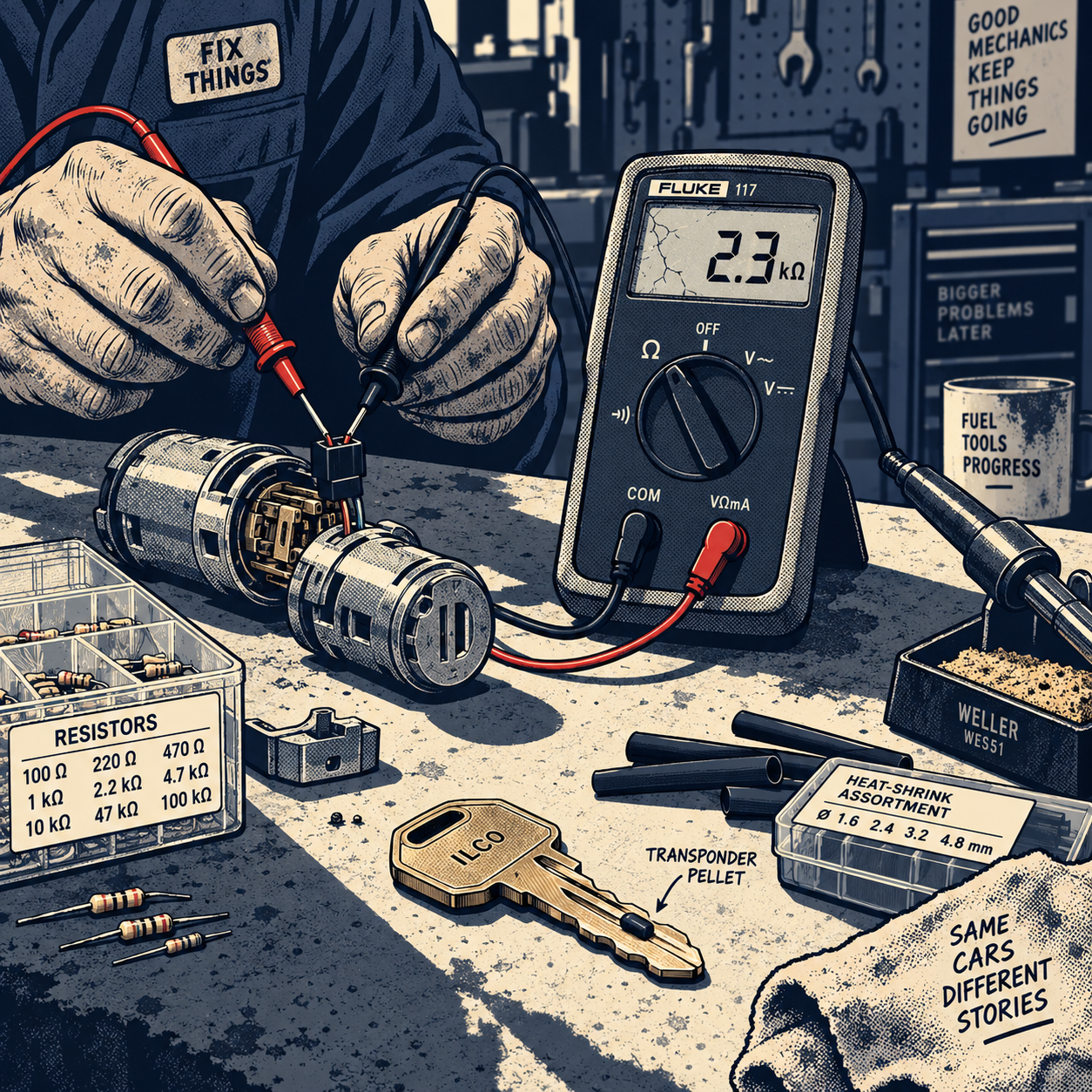
GM’s Vehicle Anti-Theft System (VATS) and its successor PASS-Key (Personalized Automotive Security System) show up more often in the shop than you’d expect for technology that dates back to the 1980s and 90s. Any time a customer rolls in with a flashing security light and a car that cranks but won’t start, VATS is a prime suspect. Because the system relies on a simple resistor pellet embedded in the key blade, failures are predictable and usually cheap to fix — but only if you know where to look. This guide covers the diagnostic steps, common failure points, and the tradeoffs between quick field fixes and permanent repairs.
How VATS and PASS-Key Actually Work
The core of the system is deceptively simple. Each VATS-equipped key has a small resistor pellet embedded in the blade, set to one of roughly 15 standard resistance values. When the key is inserted and turned, the lock cylinder’s contacts read that resistance and send the value to the VATS decoder module (on later PASS-Key systems, this is integrated into the ignition switch itself rather than a separate cylinder contact). If the resistance matches what the module expects, it enables the fuel system and starter circuit. If it doesn’t match — or if the module never receives a clean signal — the vehicle will crank but not start, and the security light will flash.
It’s worth remembering this system was never about defeating a sophisticated thief. It was a cheap deterrent bolted onto millions of GM vehicles, and the resistor values were never meant to be a rolling code or encrypted key. That matters later when you’re deciding how to fix a failure, because the “security” being protected is minimal.
Recognizing the Symptoms of a Failing System
Most VATS/PASS-Key complaints fall into a few recognizable patterns:
The vehicle cranks normally but doesn’t fire, with the security light flashing or staying solid on the dash. This points to a resistance mismatch somewhere in the key-to-module circuit — not a fuel or ignition problem elsewhere in the car.
The no-start is intermittent, sometimes clearing up after several attempts or after wiggling the key. This is the classic signature of worn or oxidized contacts in the lock cylinder itself, rather than a bad key or module.
The vehicle has recently had ignition switch or cylinder work, or a new key was cut, and now won’t start. Cutting a new blade changes only the mechanical cuts — it does nothing to replicate the resistor pellet’s value unless that’s specifically accounted for. A shop or locksmith that just cuts a blank without matching the pellet will hand back a key that turns the lock but never starts the car.
Isolating the Fault: Key, Cylinder, or Module
Before touching any wiring, confirm which stage is failing.
Start by checking the two small wires coming off the back of the ignition lock cylinder — typically a pair with a distinct connector, separate from the main ignition switch harness. With the key removed, measure the resistance across the key’s pellet contacts directly if you can access them, and compare that to the resistance read at the module-side connector with the key inserted and turned to Run. A significant difference between the two readings means the cylinder’s contacts are worn, corroded, or broken — a very common failure after 15-20+ years, especially on trucks with high use.
If the readings match but the car still won’t start, suspect the decoder module or the wiring harness between the cylinder and the module. Corrosion at connectors, especially on vehicles that see road salt or sit outside, is a frequent culprit.
If you don’t have access to the original key’s documented resistance value, you can still work the problem by testing a known-good resistor substitute. Measure the resistor pulled from an old GM module or head unit harness (many technicians keep a box of pulls for exactly this) and compare it against the 15 standard VATS values; if it’s close, it’s a usable stand-in while you source the correct replacement. A basic multimeter and a sorted resistor assortment are really all the diagnostic hardware this job requires.
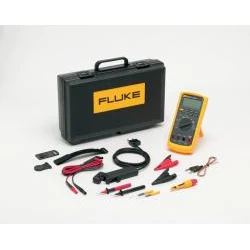
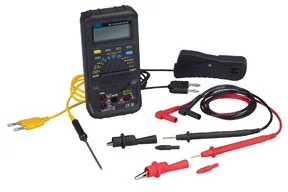
100 Series Autoranging Automotive Multimeter
Mfg: OTC Tools and Equipment
Part #: 3505A

superseded to ESI585K Deluxe Automotive Multimeter w/ Inductive
Mfg: Electronic Specialties
Part #: 585
Field Fixes vs. the Permanent Repair
Once you’ve confirmed the resistor pellet or its contact path is the problem, there are a few ways to get the vehicle running, ranked from temporary to permanent.
The quickest shop or roadside fix is splicing a correctly-valued resistor directly across the two wires leaving the ignition lock cylinder connector (or bypassing the cylinder’s contacts entirely), effectively feeding the decoder module the value it expects regardless of what the physical key is doing. This gets a customer’s vehicle moving the same day, but it’s not something to leave untouched — a bare splice held together with electrical tape and no strain relief will eventually fail again, usually at the worst time.
The durable version of the same fix is soldering the resistor inline, adding heat-shrink and proper strain relief, and securing the splice away from heat and vibration. This is a legitimate long-term repair that many techs have run for years without issue, and it costs only the price of a resistor.
A cleaner option on vehicles where the lock cylinder itself has failed is replacing the cylinder outright and having a new key cut and matched to a working pellet. Replacing the ignition lock cylinder does not change the key’s resistor requirement — only the physical cuts — so the decoder module still needs to see the same resistance value it was originally programmed for.
For shops with the right scan tool and factory-level access, some GM modules allow VATS to be disabled entirely through calibration, removing the resistor check from the start sequence altogether. This is clean from a wiring standpoint but has downstream implications covered below.
All-Keys-Lost and Key Programming Realities
When a customer shows up with zero working keys, the job gets considerably longer. Because VATS keys only encode one of roughly 15 resistor values, and the ignition cylinder is sealed rather than field-programmable, there’s no shortcut to “learning” a new key the way you can with later transponder systems. Each attempt to find the correct resistor value typically requires a lockout period of around 30 minutes between failed tries, which is a security feature baked into the decoder module, not a tooling limitation. Budget real shop time for all-keys-lost jobs on these systems and set customer expectations accordingly — this is not a same-visit fix in most cases, even with proper locksmith equipment on hand.
Emissions and Inspection Considerations
Disabling VATS through an ECM calibration change is tempting because it’s permanent and avoids splices entirely, but it comes with a catch in states and counties with emissions testing that includes checksum or calibration verification — California and parts of Oregon and Colorado, among others, test vehicles well back into the 1970s. A modified calibration can fail an emissions check even if the engine itself is unaffected, because the test flags the mismatched checksum rather than tailpipe output. Before recommending a module-level disable, confirm the vehicle’s test jurisdiction and model year against local requirements. A hardware-level resistor bypass at the lock cylinder avoids this problem entirely since it doesn’t touch the ECM calibration.
Quick Diagnostic Checklist
- Confirm the complaint: cranks but no start, with security light flashing or solid.
- Locate and test the two-wire VATS connector at the back of the lock cylinder.
- Compare key-side resistance to module-side resistance with a multimeter.
- If readings mismatch, inspect the lock cylinder contacts for wear or corrosion.
- If readings match but no start, check wiring harness and decoder module connectors.
- Choose a repair path: soldered resistor splice, cylinder replacement with matched key, or module-level disable.
- Verify local emissions testing requirements before disabling VATS via calibration.

2002 Monitor Elite Deluxe OBD2 Scan Tool Kit
Mfg: OTC Tools and Equipment
Part #: 3354
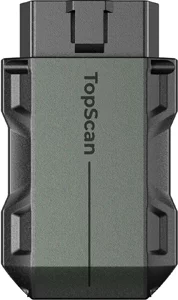
Pocket-Size Bluetooth Scan Tool w/Bi-Directional Controls
Mfg: TOPDON
Part #: TOPSCANPRO

Frequently Asked Questions
Can I just cut a new key without matching the resistor?
No. A newly cut blank will turn the lock and may even start the car mechanically, but unless the resistor pellet value matches what the decoder module expects, the fuel and starter circuits stay disabled. Key cutting and VATS programming are two separate steps.
Is a resistor splice a legitimate repair or just a workaround?
Done properly — correct resistor value, soldered joint, heat-shrink, and secured away from vibration and heat — it’s a durable repair that many vehicles run on for years. A quick twist-and-tape splice is a get-home fix only and should be revisited.
Why does my scan tool show a VATS fault but the car eventually starts?
Intermittent faults almost always point to worn or oxidized lock cylinder contacts rather than the resistor pellet or module itself. The resistance reading fluctuates with key position and contact pressure until the cylinder is cleaned or replaced.
How long does an all-keys-lost VATS job really take?
Expect it to take longer than a modern transponder key. Each failed resistor-value attempt triggers a lockout period of roughly 30 minutes before another try is allowed, so finding the correct value among the 15 possible options can span multiple hours.
Will disabling VATS cause problems at inspection?
It can, in jurisdictions where emissions testing checks ECM calibration checksums. A hardware-side fix at the lock cylinder avoids touching the calibration and sidesteps this risk entirely.
Do newer GM trucks and Canadian-market vehicles have VATS?
Not necessarily. Some Canadian-market GM trucks were built without VATS, and GM phased the system out in favor of newer transponder-based immobilizers through the late 1990s and 2000s. Always confirm what system, if any, is present before diagnosing.
Diagnostic Tools for VATS Work
Troubleshooting VATS and PASS-Key systems starts with a solid multimeter and the ability to read fault codes. Browse our Automotive Diagnostic Tools collection for multimeters, scan tools, and connector testers.
- Multimeters for measuring resistor values and continuity
- OBD2 scan tools with GM fault code support
- Connector and wiring test equipment

The Toolsource Technical Team blends decades of real-world automotive service experience with up-to-date technical research. Our writers collaborate with professional mechanics, shop owners, and diagnostic specialists to deliver practical, workshop-ready guidance you can trust.


Follow us on social media