Dealership detail work operates under different constraints than retail detailing. You’re not chasing show-car perfection—you’re processing volume while maintaining acceptable presentation standards. The difference between a detail bay that runs smoothly and one that creates bottlenecks often comes down to workflow efficiency and realistic process design. This guide synthesizes practical field experience from high-volume dealership environments, focusing on the methods and equipment choices that actually matter when you’re turning around trade-ins and prepping new inventory on tight timelines.
Understanding the Dealership Detail Mission
The first principle of dealership detailing is recognizing what you’re not doing. You’re not performing paint correction. You’re not doing ceramic coating prep. You’re not spending six hours on a single vehicle. Your job is to bring trade-ins up to lot-ready condition and ensure new vehicles leave the dealer looking their best without the factory shipping residue.
This distinction matters because it defines your entire approach. New vehicles receive basic wash-and-wipe treatment—they’re already clean and just need transportation film removed and a final once-over. Trade-ins are where the real work happens. These vehicles need odor management, stain treatment, and enough cleaning to present well during test drives and final delivery.
The economics are straightforward: dealerships operate on volume, and detail labor is a cost center that needs to stay lean. Understanding this reality doesn’t mean accepting poor results—it means developing efficient processes that deliver consistent baseline quality. When you’re being paid $12-15 per hour to turn vehicles, your value comes from speed paired with reliability, not from boutique techniques that add time without proportional return.
Essential Equipment and Product Selection
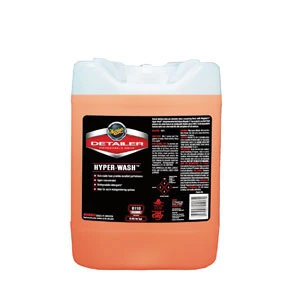
Meguiar's Hyper-Wash Biodegradable Car Wash Soap 5-Gallon
Mfg: Meguiars
Part #: D11005
Tool selection in a dealership environment follows a different logic than enthusiast or retail detailing. You need equipment that withstands daily abuse and products that work quickly without requiring multiple applications or extensive dwell times.
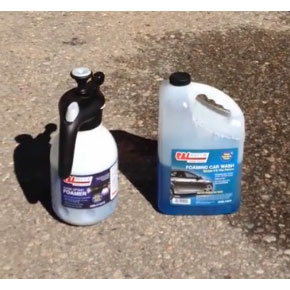
Your core pressure washing setup should deliver enough force to remove bug splatter and road film without pre-treatment. The reality of dealership work is that you often won’t have time for elaborate pre-soak and dwell routines. A quality pressure washer that reaches 120 PSI becomes your primary exterior cleaning tool. While foam cannons have their place, practical experience shows they often don’t remove baked-on bug residue effectively—pressure washing handles this more reliably when you’re working against the clock.
For interior work, a high-CFM air compressor paired with a quality air gun becomes your secret weapon. This combination excels at dislodging embedded pet hair from carpet and upholstery—a common challenge with trade-ins. The technique involves applying carpet cleaner without scrubbing, then using the air gun at close range to blast hair loose. This method saves significant time compared to endless vacuum passes that never quite capture everything.
Product selection should prioritize proven performance over brand prestige. Unless there’s documented evidence that a premium product delivers meaningfully better results, stick with mid-range options that cost half as much. The detailing industry is filled with products that make bold claims but perform identically to cheaper alternatives in blind comparisons. Your time is better spent perfecting process than chasing marginal gains from expensive chemicals.
One often-overlooked consideration: fragrance management. Some detail operations deliberately use unscented products to avoid customer complaints about strong chemical smells. This approach eliminates one potential source of post-delivery issues, though it requires explaining to customers that the “clean car smell” they expect may not be present.
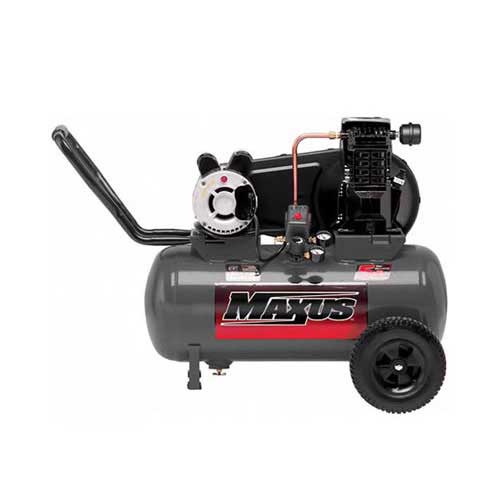
Cast Iron Single Stage Air Compressor – 15 Gal Horiz 120/240V
Mfg: MAXUS
Part #: EX8301
ID: 97667
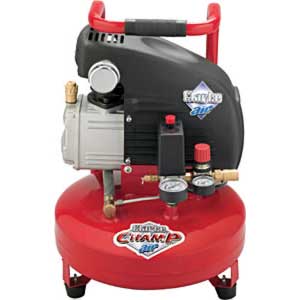
Portable Pancake Tank Air Compressor – 2 HP – 4 Gal
Mfg: Clarke Power Products
Part #: AC2001B
ID: 92282
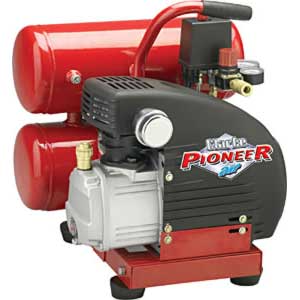
Portable Twin Tank Air Compressor – 2 HP 2 Gal
Mfg: Clarke Power Products
Part #: AC2002B
ID: 92283
The Trade-In Detail Workflow

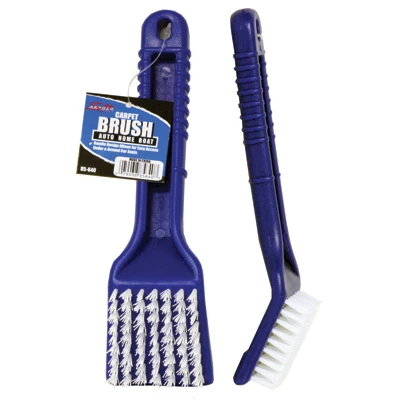
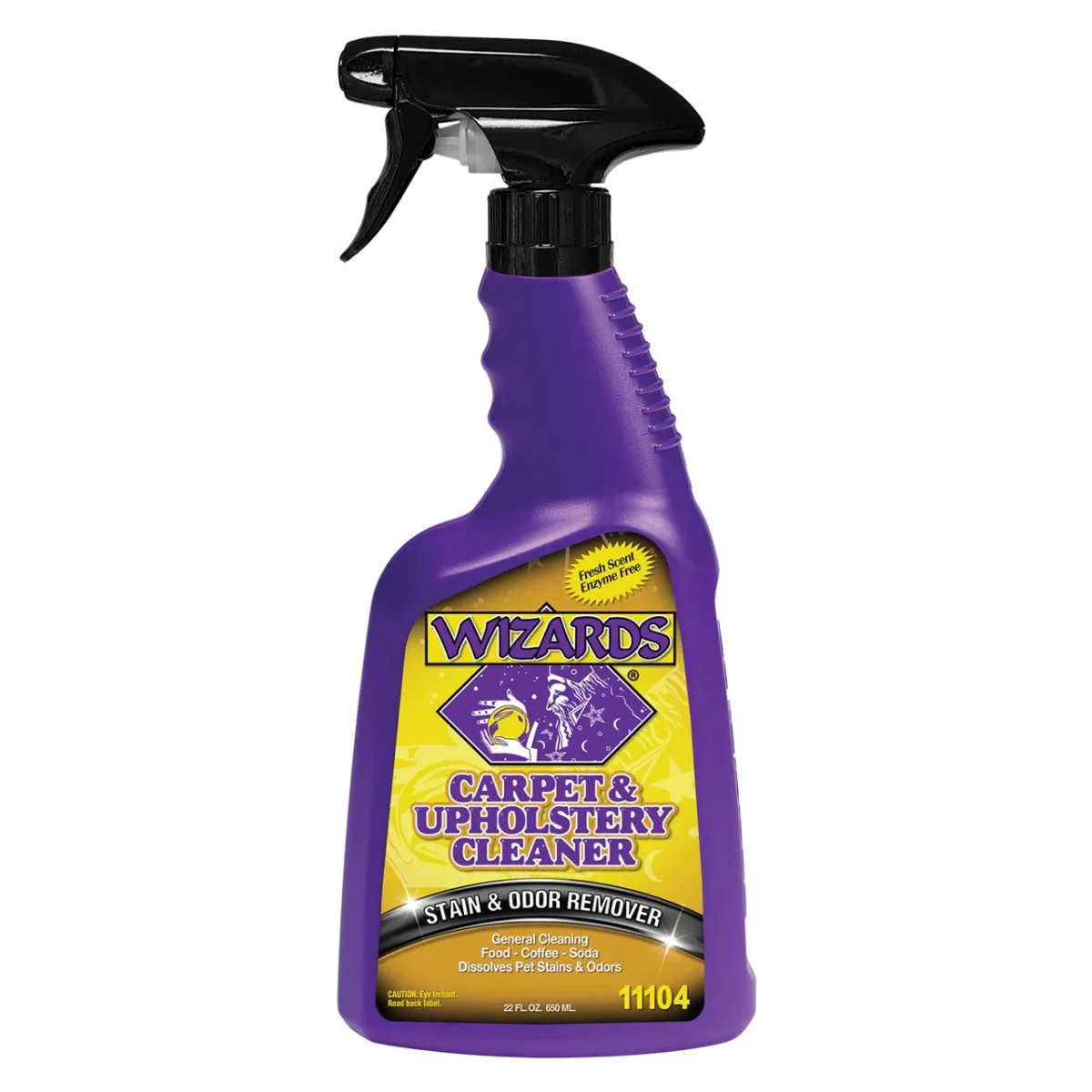
11104 Carpet and Upholstery Cleaner, 22 oz Spray Bottle
Mfg: Wizard Industries
Part #: 11104
Trade-ins represent the bulk of detail bay work and present the widest variation in condition. Developing a systematic workflow ensures you don’t waste time on unnecessary steps while missing critical issues.
Start with a quick walk-around assessment before touching anything. Look for major stains, odor sources, unusual damage, and areas requiring special attention. This 60-second evaluation tells you whether you’re facing a routine job or something requiring extra time or specialized treatment. Document anything that can’t be resolved through normal detailing—deep scratches, torn upholstery, mechanical issues like musty HVAC odors—so service advisors can set appropriate customer expectations.
For interior work, follow a top-down sequence. Begin with headliner and upper surfaces, work through dash and door panels, then move to seats and center console, finishing with carpets and floor mats. This prevents re-contaminating already-cleaned surfaces with dust and debris from areas you haven’t reached yet.
When addressing musty vent odors—a common issue with trade-ins that have been sitting—spray interior cleaner directly into vents and blast with your air gun. This treatment typically resolves smell issues caused by cabin air filter contamination. For persistent odors, check the cabin air filter itself; dead rodents are an occasional but memorable discovery.
Exterior washing should be aggressive enough to remove contaminants but not so aggressive that you’re adding swirl marks unnecessarily. Dealership paint doesn’t need to be perfect, but you shouldn’t be making it worse. Use adequate pressure and appropriate chemicals rather than relying on mechanical scrubbing that creates unnecessary marring.
Pay attention to commonly missed areas: door jambs, fuel filler areas, wheel wells, and lower rocker panels. These spots immediately signal “incomplete detail work” to experienced buyers and can undermine confidence in the entire reconditioning job. A complete detail that takes 90 minutes beats a rushed 60-minute job that leaves obvious neglected areas.
Time-Saving Techniques That Don’t Sacrifice Quality
Efficiency in dealership detailing comes from eliminating redundant steps and using the right tool for each task, not from rushing through important processes.
Batch similar tasks when possible. If you’re detailing multiple vehicles, do all exterior washes in sequence, then move to interiors. This reduces tool changes and mental task-switching. Set up your bay with clearly defined zones—wash area, interior cleaning station, final inspection spot—so you’re not constantly moving equipment around.
Learn to work “good enough” rather than perfect. A stain that’s 90% removed is usually lot-ready; spending another 15 minutes to get it to 95% rarely makes business sense in a dealership environment. This doesn’t mean accepting poor work—it means recognizing diminishing returns and knowing when additional effort won’t produce proportional improvement.
Develop a mental checklist that you run through on every vehicle. This prevents forgetting steps while eliminating the need to constantly refer to written procedures. Your checklist might include: vacuum front and rear, wipe all hard surfaces, clean glass, treat any visible stains, clean door jambs, wash exterior, clean wheels, dry and final inspection. Running the same sequence every time builds muscle memory and reduces cognitive load.
Use your air compressor for more than just pet hair. It excels at drying intricate areas like mirror housings, trim gaps, and wheel spoke areas that would otherwise require tedious towel work. The same tool that loosens embedded hair also blasts water out of tight spots, saving significant drying time.
Quality Control and Customer-Facing Standards
Even in high-volume environments, you need basic quality standards to prevent comebacks and customer complaints. The key is defining what “acceptable” means in your specific context.
Implement a final walk-around before declaring any vehicle complete. Look at it from a customer’s perspective: What would you notice immediately if you were taking delivery? Streaky windows, missed trash, strong chemical smells, and visible stains are the most common complaints. These are also the easiest issues to prevent with a 90-second final check.
Some progressive detail operations use customer sign-off cards for delivery details. The concept involves walking customers around their vehicle and asking them to rate specific aspects: overall cleanliness, interior fragrance, glass clarity, exterior shine. This structured approach catches issues before the customer leaves and provides documentation of what was delivered. It also creates a feedback loop that helps you understand which aspects customers value most.
Document your work on problem vehicles. If a trade-in came in with deep stains that wouldn’t fully remove, take before and after photos and note what you did. This protects you if customers complain later and helps service advisors set appropriate expectations during delivery.
Remember that dealership damage from poor detailing practices is common enough that many experienced customers specifically request “NO WASH” on service paperwork. This reputation didn’t emerge from nowhere—it’s the result of rushed work, improper technique, and lack of accountability. Being the detailer who consistently delivers clean vehicles without causing new damage builds value over time, even if your immediate compensation doesn’t reflect it.
Quick Reference Checklist
- Pre-detail walk-around assessment for damage documentation
- Interior top-to-bottom sequence: headliner → dash → seats → carpet
- Check cabin air filter if HVAC smells musty
- Pressure wash at sufficient PSI to remove bugs without pre-treatment
- Air gun + carpet cleaner for embedded pet hair removal
- Don’t forget door jambs, fuel filler, and wheel wells
- Final quality walk-around from customer perspective
- Document any issues that couldn’t be fully resolved
Common Problems and Practical Solutions
Embedded pet hair in carpet and upholstery ranks among the most time-consuming challenges in trade-in detailing. Standard vacuuming often fails because hair becomes woven into fabric fibers. The air gun technique described earlier—applying carpet cleaner without scrubbing, then using compressed air at close range to blast hair loose—works more reliably than traditional methods. Expect to make multiple passes on heavily contaminated areas. The hair needs to be physically dislodged before vacuuming can capture it.
Musty odors from HVAC systems typically indicate cabin air filter issues or moisture accumulation in the ventilation system. Spraying interior cleaner into vents and blasting with compressed air treats the symptom effectively in most cases. For persistent problems, inspect the cabin air filter—contamination or even dead rodents occasionally appear. Replacement filters are inexpensive and solve odor issues that no amount of interior cleaning will address.
Swirl marks and paint damage from improper washing techniques plague many dealership vehicles. The solution isn’t complicated: use adequate water flow, appropriate chemicals, and minimize physical contact with dirty paint. Pressure washing removes the majority of contamination without touching the surface. When you do use wash media, ensure it’s clean and use light pressure. Remember that you’re not performing paint correction, but you also shouldn’t be creating damage that requires it.
Time pressure creates the temptation to skip steps or rush through processes. The reality is that a systematic approach with consistent pacing usually beats frantic rushing. Develop your sequence, run it the same way every time, and get faster through repetition rather than corner-cutting. A detail that takes 90 minutes but requires no comebacks is more efficient than a 60-minute job that needs rework.
Carbide Mold, Tool & Die Making Bur Extra Long (SE-41) Dou
Mfg: SGS Tool Company
Part #: 13153
ID: 120653
Frequently Asked Questions
Do new vehicles really need full detailing when they arrive at the dealership?
No. New inventory typically receives basic wash and wipe-down to remove transportation film and factory protective coatings. The vehicles are already clean; you’re just removing shipping residue and doing final presentation prep. Trade-ins are where the actual detail work happens.
What’s the most important piece of equipment for dealership detail work?
A quality air compressor with sufficient CFM paired with a good air gun. This combination handles pet hair removal, speeds drying, cleans vents, and solves numerous other time-consuming tasks more efficiently than traditional methods. It’s the single tool that most dramatically improves workflow efficiency.
How do you handle vehicles with odors that won’t come out through normal cleaning?
Start by identifying the source. HVAC-related smells usually respond to vent cleaning and cabin air filter inspection. Smoke odors, pet smells, and other absorbed contaminants may not fully resolve through standard detailing. Document these situations and communicate limitations to service advisors so they can set customer expectations appropriately.
Should dealership detailers use premium products or stick with budget options?
Use mid-range products unless there’s proven evidence that premium options deliver meaningfully better results for your specific application. Most detailing chemicals perform similarly regardless of price point. Your value comes from efficient process execution, not from expensive product choices that don’t produce proportional improvements.
What’s the best way to remove bug splatter without damaging paint?
Adequate pressure washing remains the most reliable method in high-volume environments. A pressure washer reaching 120 PSI removes baked-on bugs without requiring pre-treatment or extensive dwell time. Foam cannons look impressive but often don’t remove stubborn contamination as effectively as direct pressure washing.
How can dealership detailers improve quality without slowing down throughput?
Focus on eliminating missed steps rather than perfecting individual tasks. A systematic checklist approach prevents forgotten areas while maintaining pace. The biggest quality issues in dealership detailing come from incomplete work—missed door jambs, streaky windows, forgotten trash—not from failing to achieve show-car perfection on individual surfaces.
Recommended Shop Equipment
The tools and products you choose directly impact dealership detail workflow efficiency. A quality pressure washer, high-CFM air compressor, and proven cleaning products form the backbone of consistent vehicle prep. Browse our Shop Equipment and Supplies selection to find the gear that works for high-volume environments.
- Pressure washers and foam cannons for exterior cleaning
- Air compressors and air guns for pet hair removal and drying
- Interior and exterior cleaning products designed for dealership use
Essential Shop Equipment for Detail Bay Operations
A well-stocked detail bay is the foundation of efficient car prep workflows. Whether you’re managing high-volume throughput or maintaining premium finishes, the right tools and supplies make all the difference in technician productivity and customer satisfaction.
Explore our complete selection of professional-grade shop equipment and supplies:
- Pressure washers and foam cannons – High-volume exterior cleaning equipment for rapid vehicle preparation
- Detail bay storage and organization systems – Keep supplies accessible and workflows streamlined with professional shelving and cabinets
- Lighting and ventilation solutions – Optimize visibility and air quality for precision detailing work

The Toolsource Technical Team blends decades of real-world automotive service experience with up-to-date technical research. Our writers collaborate with professional mechanics, shop owners, and diagnostic specialists to deliver practical, workshop-ready guidance you can trust.


Follow us on social media