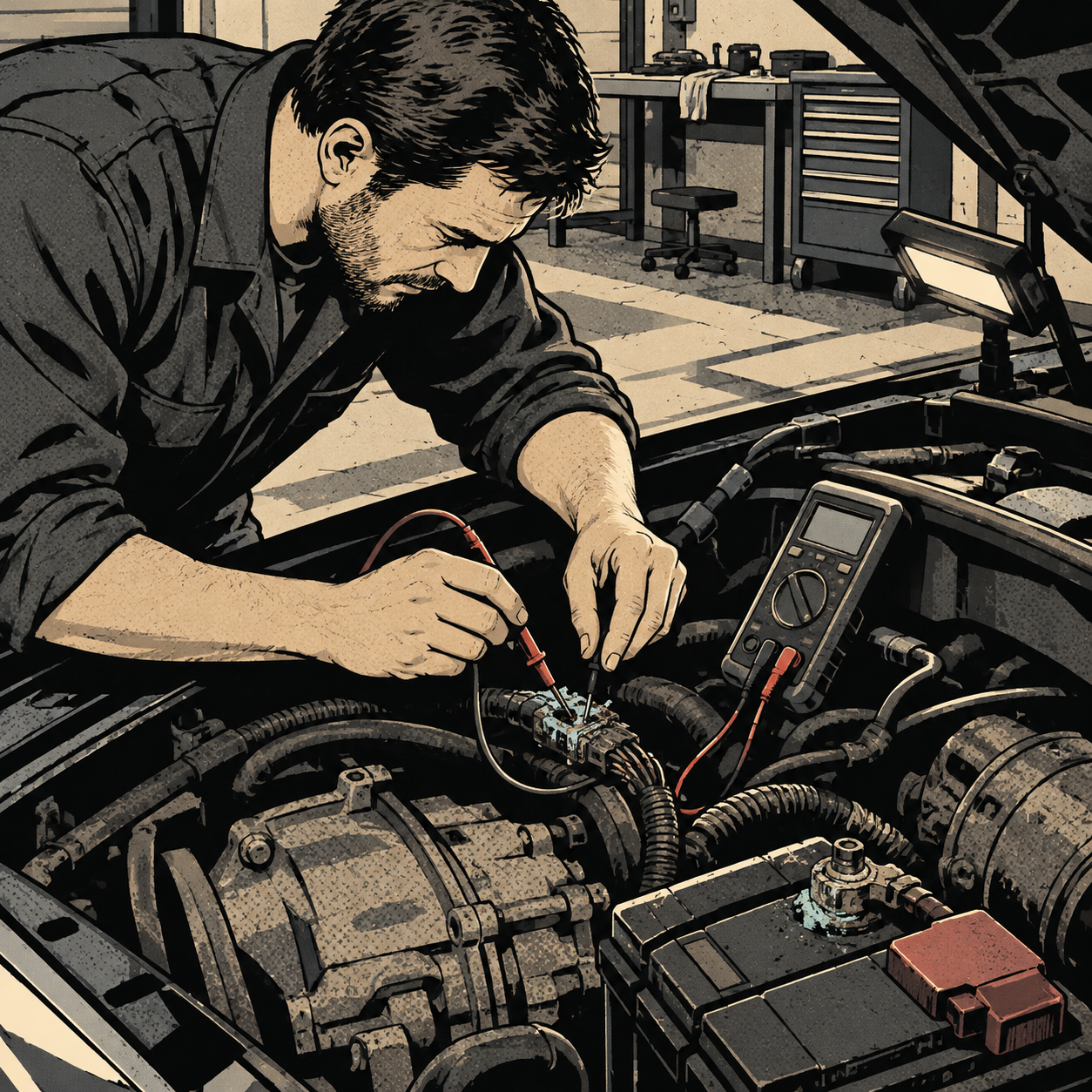
Few things kill a diagnostic afternoon faster than a scan tool pulling U1000, U1300, or P0008 and offering nothing but a vague “network communication” or “engine position” description. These codes don’t point at a single failed part the way a P0171 or P0455 might — they point at a system, and that distinction trips up a lot of techs, parts-counter employees, and DIYers alike. If you’ve ever had three mechanics take a swing at the same vehicle before someone finally traces it to a corroded ground or a lazy cam sensor, you already know the pain. This guide breaks down what these codes actually mean, how to approach them methodically, and which tools separate a real diagnosis from an expensive guess.
What U1000 and U1300 Codes Actually Mean
U-codes are network communication codes, not component codes. U1000 generally indicates a loss of communication on the CAN bus — a module isn’t talking when it should be. U1300 often points to a lost communication link with a specific module, sometimes tied to a CAN bus performance issue or a wiring/connector problem between modules. Neither code tells you which wire, which connector, or which module is at fault. It only tells you that the conversation between modules broke down somewhere.
This is why these codes generate so many comeback jobs. A tech sees “communication error,” assumes it’s the module throwing the code, replaces it, and the problem returns because the module was never the issue — a chafed wire, a corroded pin, or a weak ground was interrupting the signal all along. Before touching any module, confirm battery voltage and charging system health, since low or unstable voltage is one of the most common root causes of intermittent U-codes.
Why P0008 Shows Up and What It Really Points To
P0008 is an engine position system performance code, most commonly associated with crankshaft/camshaft correlation — the ECM detects that the cam and crank signals aren’t lining up the way they should during startup or operation. On diesel platforms, particularly older Ford Power Stroke engines, this code has a reputation for sending techs chasing the wrong part because the symptom (hard start, rough idle, no-start) can mimic injector, fuel pressure, or glow plug issues.
In most real-world cases, P0008 traces back to one of three things: a failing camshaft or crankshaft position sensor, timing component wear (chain stretch, gear backlash), or wiring/connector issues feeding those sensors. The fix is almost never “throw a sensor at it and hope.” You need to verify sensor signal quality and actual mechanical timing before replacing anything.
[PRODUCT_SEARCH: bidirectional OBD2 scanner with CAN bus network diagnostics]
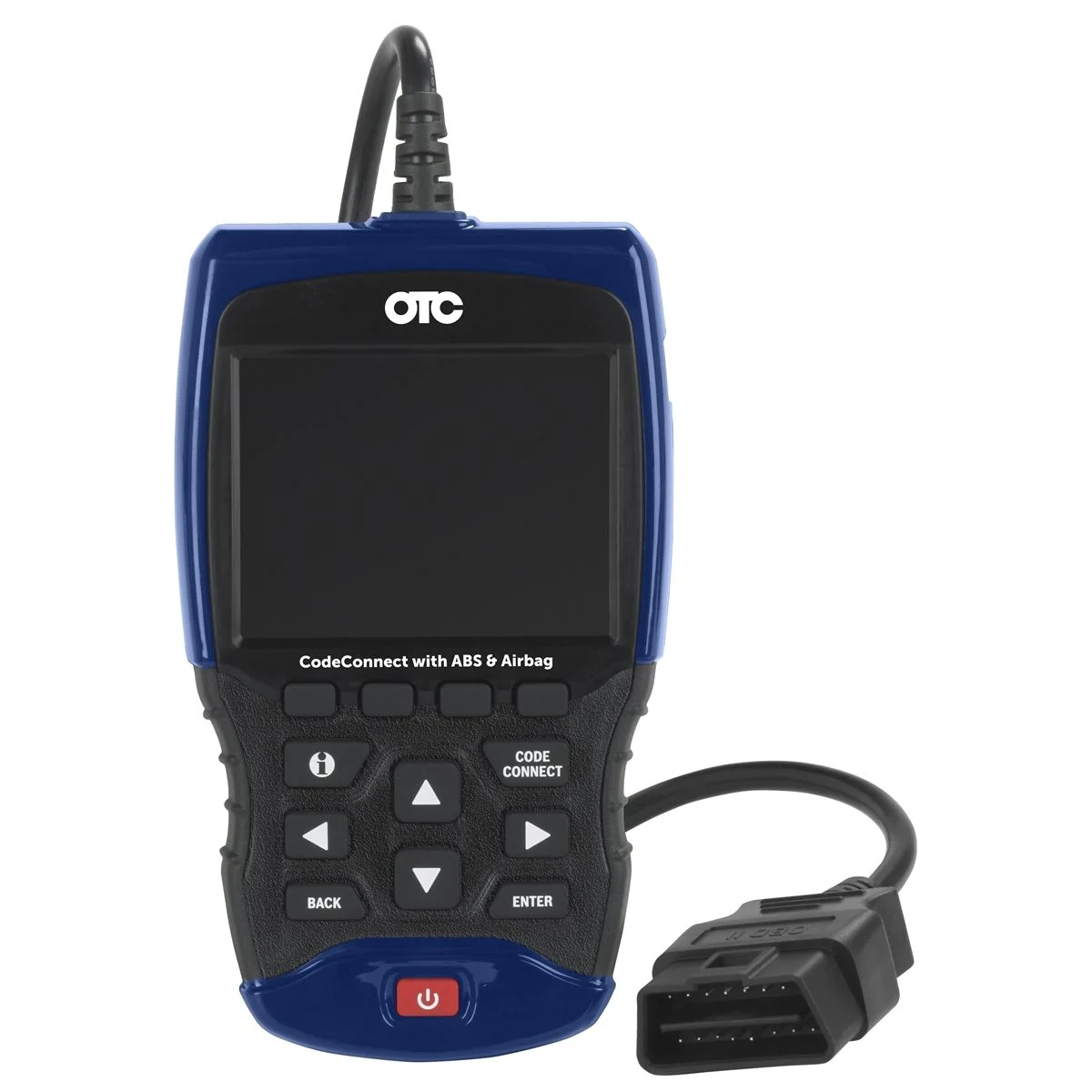
OBD2 Scanner with ABS, Airbag & CodeConnect Support
Mfg: OTC Tools and Equipment
Part #: 3210
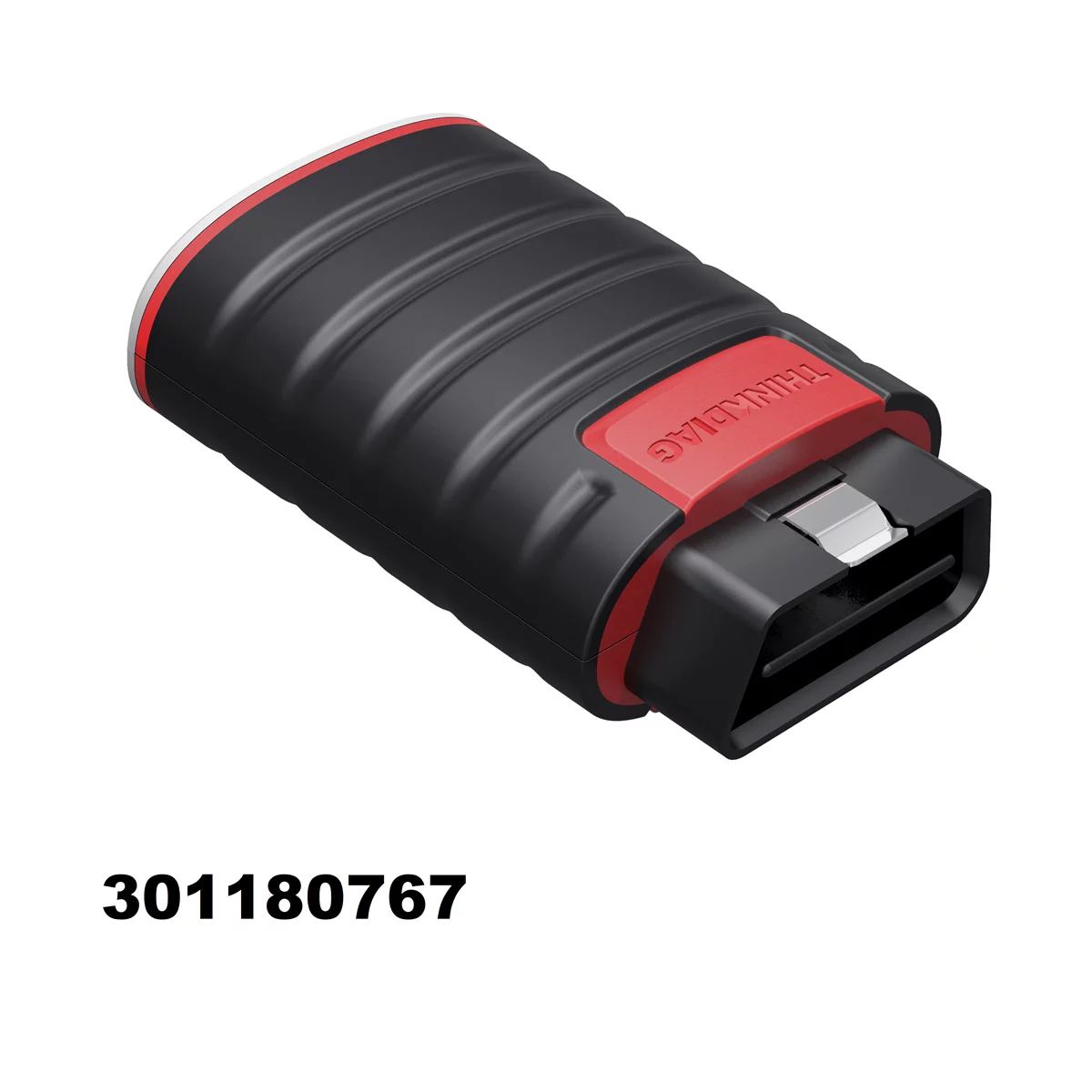
ThinkCar ThinkDiag Bluetooth OBD2 Scanner for DIY Auto Repair
Mfg: ThinkCar
Part #: 301180767
A Step-by-Step Diagnostic Approach
Whether you’re chasing a U-code or P0008, the process should follow the same discipline instead of jumping straight to parts.
- Verify the complaint and pull freeze frame data. Note when the code sets — cold start, after a bump, intermittently while driving — because timing of the fault narrows the search dramatically.
- Check battery and charging system first. A weak battery or bad ground at the battery terminal causes voltage dips that modules interpret as communication dropouts.
- Inspect grounds and connectors before sensors. Corrosion at a body or engine ground strap is one of the most common causes of both U-codes and intermittent P0008 faults.
- Use a scan tool that shows live network status, not just stored codes. You want to see which modules are reporting in and which have gone silent.
- Backprobe the suspect circuit with a meter or scope rather than unplugging and guessing. A dropped or noisy signal on a cam/crank sensor circuit will show up clearly on a waveform.
- Confirm mechanical timing on P0008 complaints before replacing sensors — a stretched timing chain or shifted gear will throw the same code as a bad sensor.
Common Misdiagnoses and Why Counter Advice Falls Short
Parts-counter staff are working off a generic code database, not the vehicle in front of them. Telling a customer “that code means your crank sensor” without ever looking at the car isn’t malicious, it’s just incomplete — and it sends a lot of people home with the wrong part and the same code staring back at them. The same applies to quick-swap habits in the shop: replacing a TCM or BCM because it’s “throwing the U-code” when the module itself tested fine on the bench is a classic way to burn labor hours and still not fix the car.
The pattern that shows up again and again in tech forums is the multi-mechanic saga: shop one replaces a sensor, shop two replaces a module, shop three finally checks grounds and connectors and finds the actual fault. Each step costs the customer money and trust. Slowing down at the start — confirming power, ground, and signal integrity before swapping anything — avoids that spiral entirely.
Tools That Actually Help vs. Generic Code Readers
A basic code reader that only pulls and clears codes isn’t enough for U-codes or P0008. You need equipment that can show you what’s actually happening on the network and at the sensor level:
- Bidirectional scan tools that display live module communication status, not just stored DTCs.
- A digital multimeter for voltage drop testing across grounds and connectors.
- An oscilloscope for capturing CAN bus waveforms and cam/crank sensor signal patterns — this is the only reliable way to catch a signal that’s “good enough” to not fault constantly but still degraded enough to cause intermittent issues.
- Wiring diagrams specific to the platform, since module communication topology varies significantly between manufacturers and even between model years on the same platform.
Investing in the right diagnostic equipment pays for itself quickly once you’re no longer swapping parts on a guess.
Quick Diagnostic Checklist
- Confirm battery voltage and charging system before anything else
- Pull freeze frame data and note when the code sets
- Inspect and clean grounds and connectors in the affected circuit
- Check live network/module communication status on the scan tool
- Backprobe or scope the suspect sensor/circuit instead of guessing
- Verify mechanical timing before replacing cam/crank sensors on P0008
[PRODUCT_SEARCH: professional automotive diagnostic scan tool]
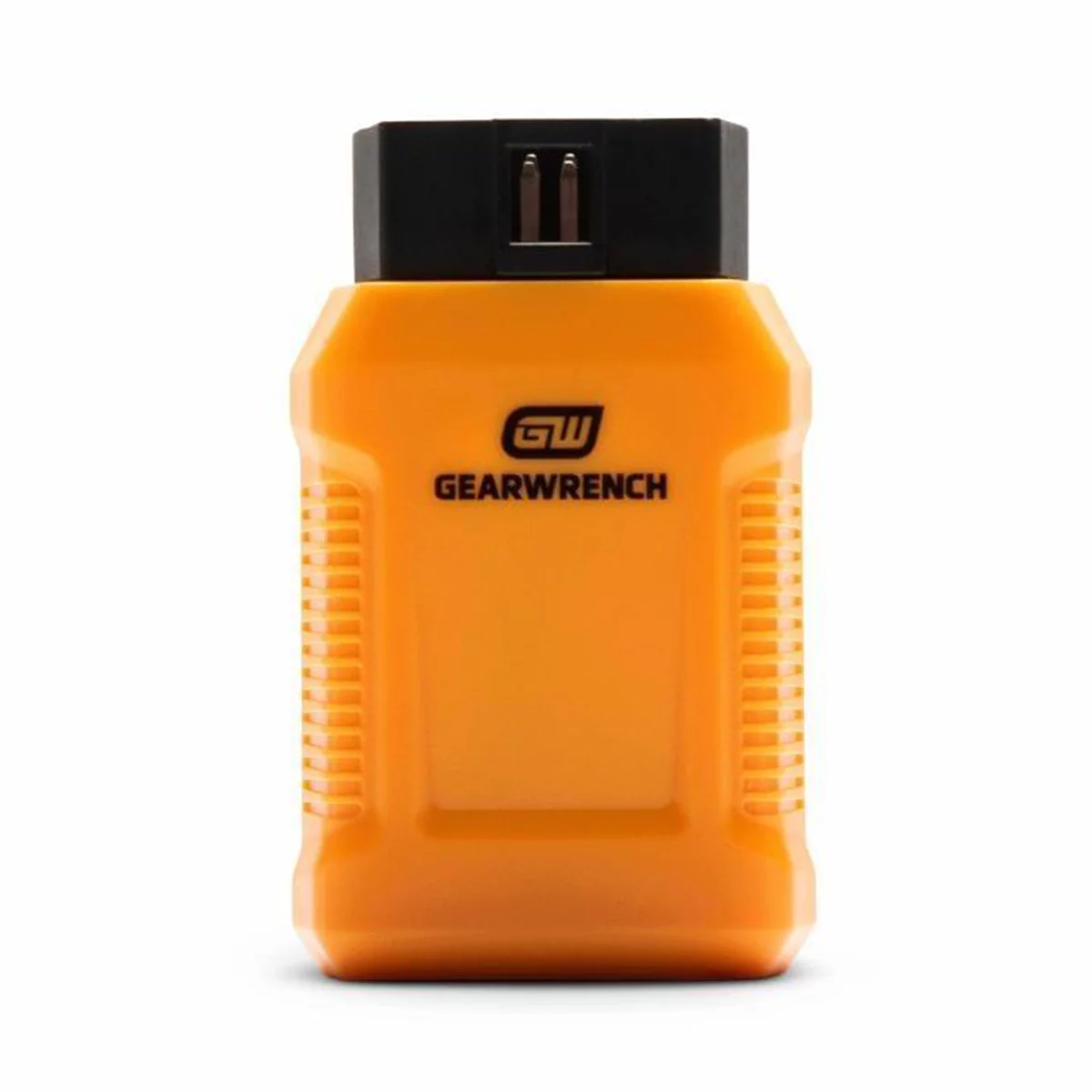
GearWrench Professional Bi-Directional Diagnostic Scan Tool
Mfg: GearWrench
Part #: GWSMARTBT
Topdon Pocket-Size Bluetooth Scan Tool w/Bi-Directional Cont
Mfg: TOPDON
Part #: TOPSCANLITE
Frequently Asked Questions
Is U1000 always a wiring problem?
Not always, but wiring and grounds are the most common root cause. Before assuming a module is bad, rule out voltage issues, corroded grounds, and damaged harness sections along the CAN bus.
Can a bad battery really cause a U1300 code?
Yes. Modules are sensitive to voltage dips below their minimum operating threshold. A weak battery, bad terminal connection, or failing alternator can cause modules to drop off the network intermittently, triggering communication codes with no actual module failure.
Does P0008 always mean a timing chain is bad?
No. P0008 indicates a cam/crank correlation issue, which can stem from a failing position sensor, a wiring fault, or actual mechanical timing wear. Sensor and wiring checks should come before assuming timing hardware is at fault.
Why did a parts store employee recommend a sensor without scanning the car?
Counter staff typically reference generic code descriptions tied to a part number, not an actual diagnosis of your vehicle. Their guidance is a starting point at best, not a substitute for testing the circuit and verifying the actual fault.
Will clearing the code and driving it fix the problem?
Clearing the code only resets the stored fault — it doesn’t address the underlying cause. If the root issue (a loose connector, weak ground, worn sensor) is still present, the code will return, often at a less convenient time.
What’s the fastest way to tell a module problem from a wiring problem?
Test the circuit’s voltage, ground, and signal quality at the connector first. If the signal is clean and within spec at the module’s connector but the module still fails to respond or process it correctly, that points toward the module. If the signal is degraded before it reaches the module, the fault is upstream in the wiring or a connected sensor.
Recommended Diagnostic Tools
The diagnostic approach outlined above depends on having the right equipment. A quality automotive scan tool with live module communication display is essential for efficiently working through U-codes and P0008 faults without resorting to parts-swapping.
- Bidirectional scan tools with CAN bus network diagnostics
- Tools that capture live module communication and freeze frame data
- Professional-grade equipment for signal analysis and diagnosis

The Toolsource Technical Team blends decades of real-world automotive service experience with up-to-date technical research. Our writers collaborate with professional mechanics, shop owners, and diagnostic specialists to deliver practical, workshop-ready guidance you can trust.


Follow us on social media