
When your TPMS warning light comes on, you face costs ranging from $50-$800 depending on your approach. This guide covers DIY replacement, professional pricing, and programming to help you decide whether to do it yourself or visit a shop.
DIY TPMS Sensor Replacement Tools & Techniques
Breaking the tire bead without damaging the sensor or valve stem is the main challenge. TPMS sensors sit inside the wheel with the valve stem protruding through the rim, making them vulnerable during tire removal.
Essential tools for breaking the bead without damage
For DIY replacement, you’ll need a manual tire changer ($60-80), tire spoons, valve core removal tool, bead breaker, torque wrench, and programming tool ($40-300 for aftermarket sensors). The bead breaker is critical—it separates the tire from the rim without hitting the sensor.
Position the bead breaker opposite the valve stem to maximize distance from the sensor. Mark the sensor location with chalk beforehand. Use plastic or nylon tire spoons ($20-30) instead of metal ones to avoid scratching wheels or damaging sensor wiring.
Step-by-step removal and installation process
Deflate the tire completely and remove the valve core. Position the wheel with the valve stem at 12 o’clock, then apply the bead breaker at 6 o’clock. Work around both beads in the bottom half of the wheel, away from the sensor.
Once both beads are broken, position the wheel on your tire changer with the sensor side up. Insert your tire spoon at least 6 inches from the valve stem and work around the circumference to lift both beads off. Most sensors attach with a single nut torqued to 35-60 inch-pounds. Remove it, take out the old sensor, and clean the mounting surface to prevent corrosion.
Install the new sensor with hardware and sealing washer from the kit. Torque to manufacturer specs to avoid cracking the housing or creating leaks. Apply tire mounting lubricant to the beads before reassembly, working opposite the valve stem to reduce stress.
Avoiding common mistakes
Poor bead breaking technique is the leading cause of sensor damage. Rough handling cuts sensor lifespan. Never reuse sensor hardware—sealing washers and nuts are single-use only ($2-5 per sensor for replacements). Don’t apply lubricant to the sensor or valve stem area; apply only to tire beads to avoid pressure port contamination.
Cost Breakdown: DIY vs Tire Shop vs Dealership
Aftermarket sensors cost $25-45; OEM sensors run $50-150. Add programming tools ($40-300) and tire equipment ($100-200), totaling $250-500 in initial investment. This pays off after 3-4 jobs for technicians but often exceeds shop pricing for one-time DIY work. TPMS batteries typically last 5-10 years (per NHTSA), meaning most owners replace at least one sensor during vehicle ownership.
Professional pricing
Dealerships charge $100-200 per sensor. Independent tire shops charge $50-100 per sensor. Major tire chains (Discount Tire, Tire Rack partners) run $60-75 per sensor. Big-box retailers (Walmart, Costco, Sam’s Club) offer the lowest prices at $40-70 per sensor.
Watch for hidden fees: programming ($20-40), valve stems ($5-10), hardware kits ($3-8), and disposal ($2-5 per tire). Always request a total installed price upfront. Adding sensor replacement to tire service only adds 10-15 minutes per wheel, so bundle deals often apply.
| Service Provider | Cost Per Sensor | Programming Included | Best For |
|---|---|---|---|
| DIY (with tools) | $25-45 | Separate tool ($40-300) | Multiple vehicles or repeat work |
| Independent Tire Shop | $50-100 | Usually included | Best balance of price and service |
| Major Tire Chain | $60-75 | Included | Consistency and warranty coverage |
| Dealership | $100-200 | Included | Luxury vehicles or warranty work |
TPMS Sensor Programming & Relearning Guide
Sensors must be programmed and taught to your vehicle’s system to function.
OEM vs aftermarket sensor programming differences
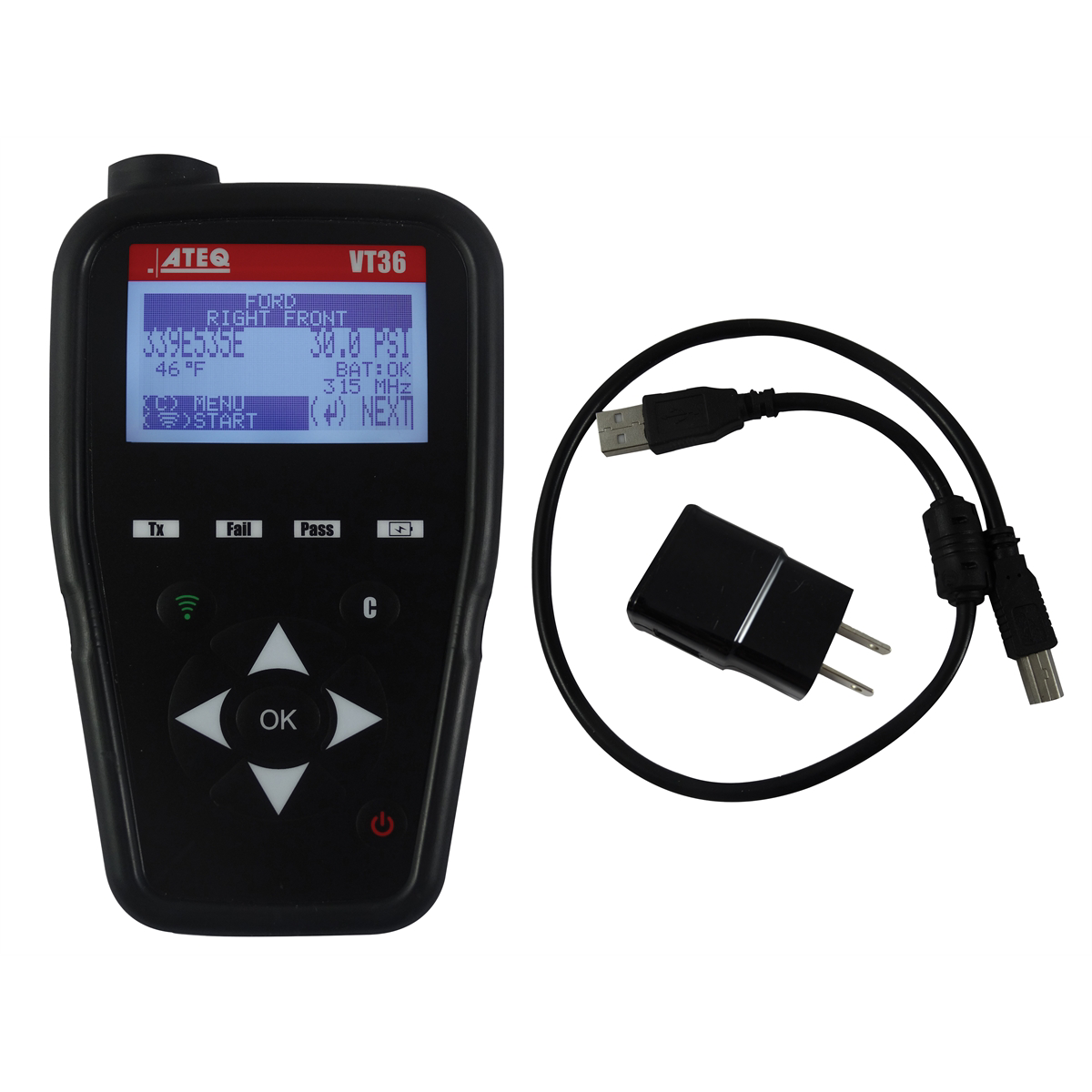
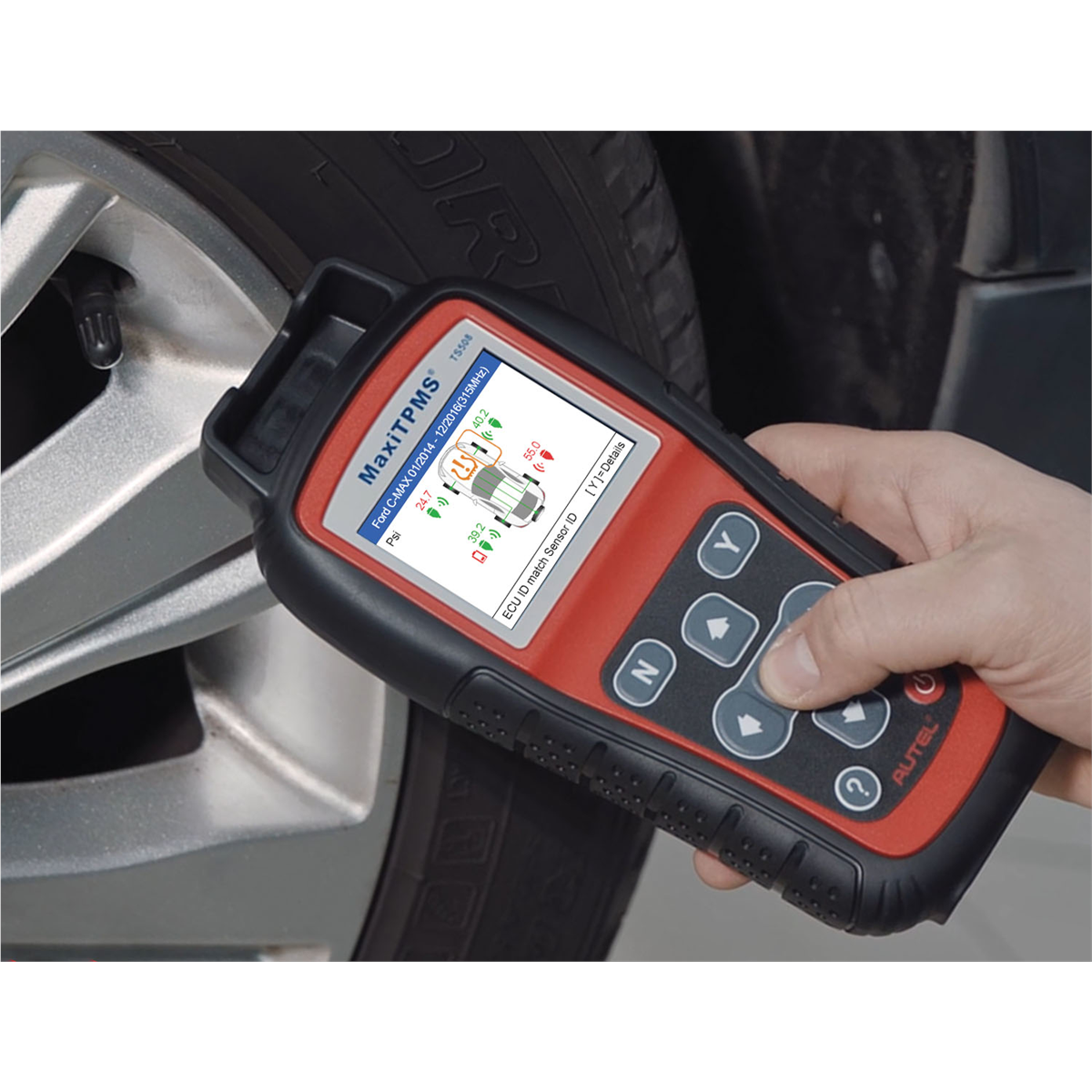
OEM sensors from Ford, GM, and Chrysler/Dodge (2008+) auto-program: they transmit their ID during the first drive cycle above 20 mph. Aftermarket universal sensors require a programming tool (Autel TS401, ATEQ VT36, Bartec TPMS Tool) to set the correct protocol for your vehicle before installation, then manual vehicle relearn. Some aftermarket sensors come pre-programmed for specific vehicles (“plug-and-play” at $35-50) and work like OEM sensors.
Vehicle-specific relearning procedures
Ford (2007+) requires driving above 20 mph for 10 minutes. GM needs manual relearn: ignition on, press the TPMS reset button (glove box) until the horn honks, then trigger each sensor with a TPMS tool starting at the driver’s front tire. Chrysler/Dodge requires similar steps plus a scan tool. Toyota and Honda typically need a scan tool or button sequence plus sensor activation. Always check your owner’s manual for exact procedures.
Position-specific relearning ensures each sensor reports from the correct wheel location. Swapping wheels without relearning causes incorrect pressure displays. Some vehicles allow position swapping through the infotainment system; others require complete relearn.
When self-programming works on newer vehicles
Vehicles from 2015+ increasingly offer simple DIY relearn through infotainment: go to vehicle settings, select TPMS or tire pressure, and choose relearn or reset. The system walks you through triggering each sensor.
European and luxury vehicles (BMW, Mercedes-Benz, Audi, Volkswagen) typically require dealer-level scan tools for TPMS programming. DIY installation only makes sense with access to professional tools or willingness to pay $30-60 for shop programming.
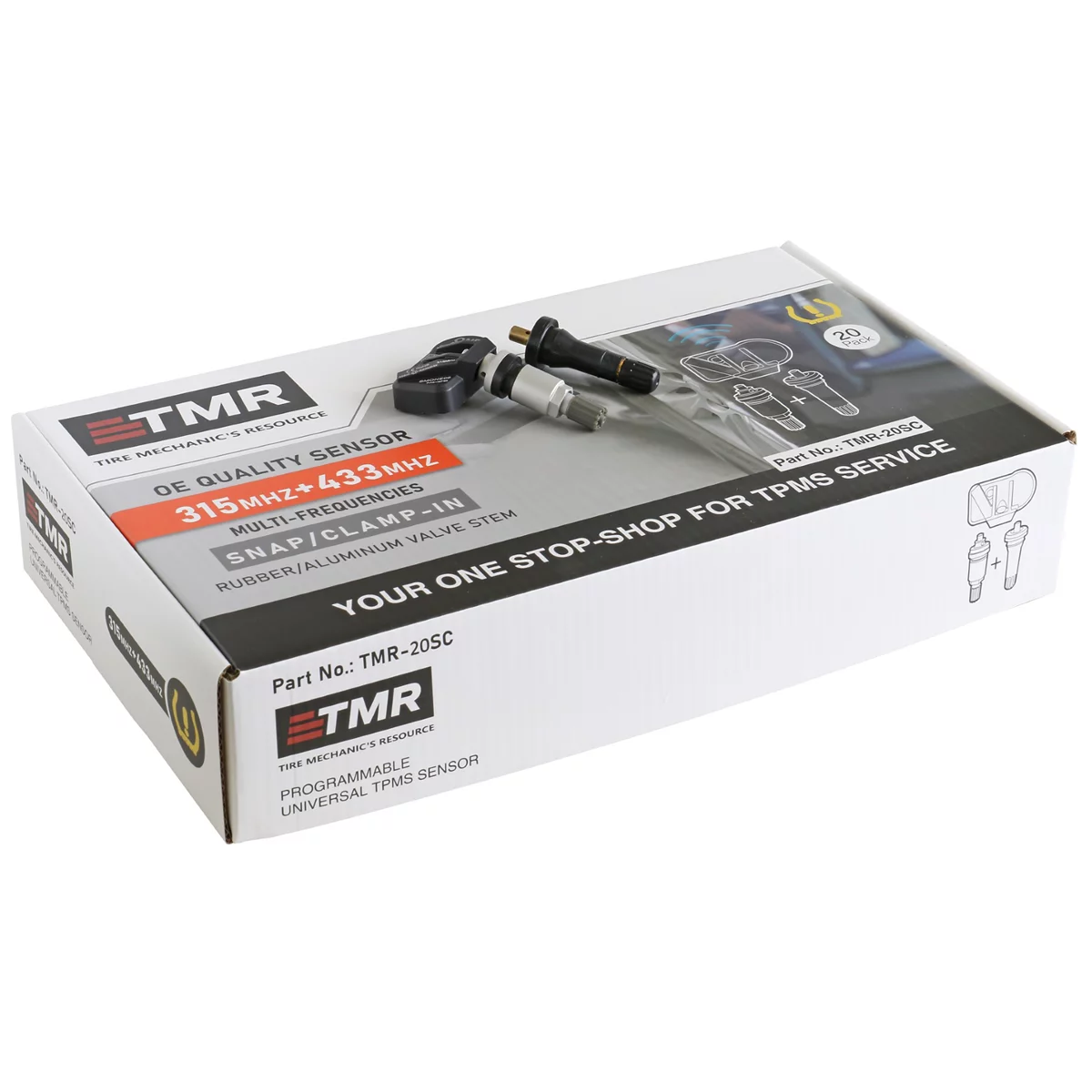
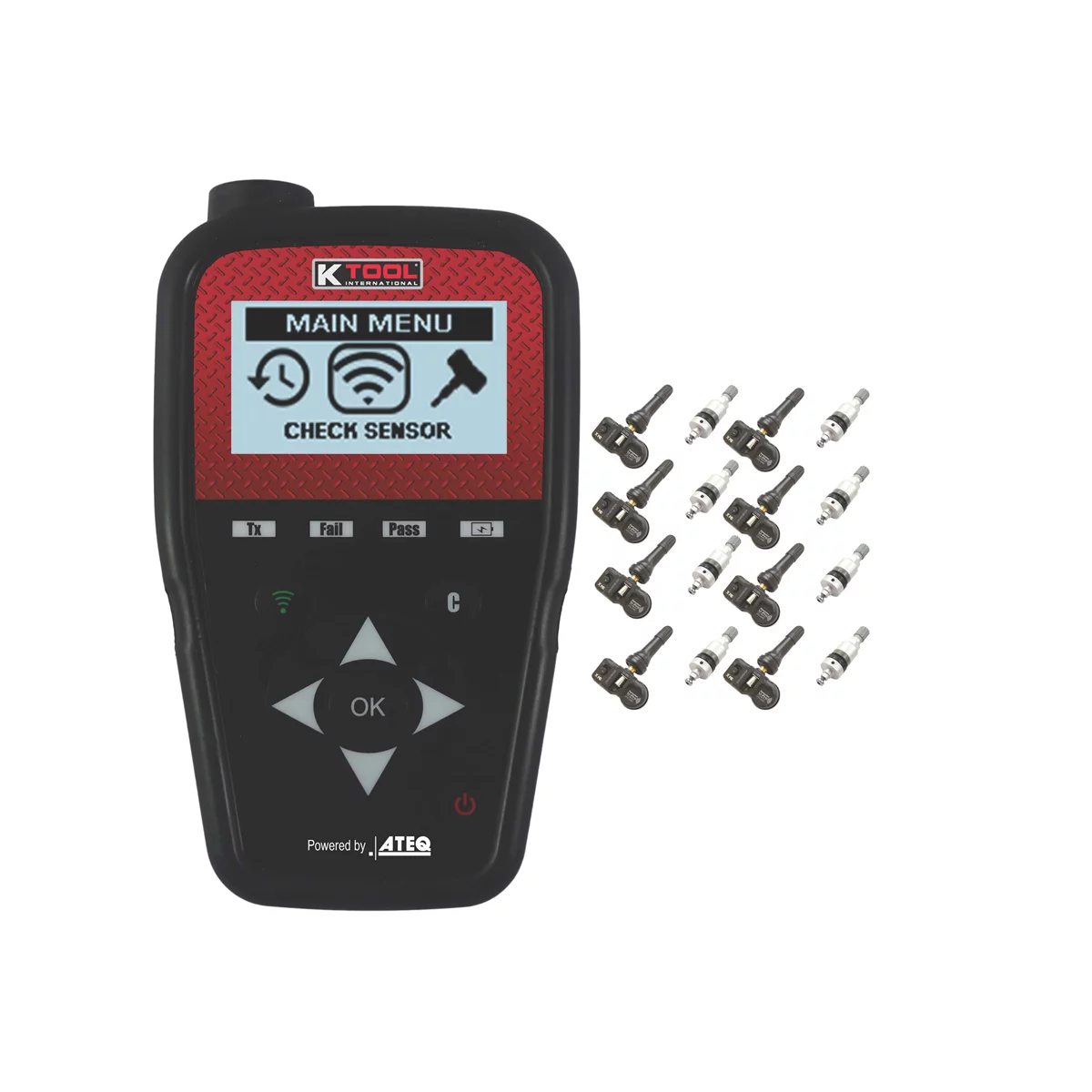
Dual Frequency Dual Valve Programmable TPMS Sensor 20 Pack
Mfg: Tire Mechanic's Resource
Part #: TMR-20SC

OTC 204-324 Tire Pressure Monitor Activation Tool
Mfg: OTC Tools and Equipment
Part #: 204-324
Replace One Sensor or All Four?
Individual replacement
For vehicles under 5 years old with one sensor damaged by physical impact, replacing just that one makes sense if other sensors have battery life remaining. For fleet vehicles or frequent tire changers, replacing sensors as they fail is practical.
Bulk replacement benefits
For vehicles 7+ years old, when one sensor fails from battery depletion, replace all four. All batteries have undergone the same wear cycles and climate exposure, so remaining sensors will fail within months. Bulk replacement avoids multiple shop visits and overlapping programming labor costs (about 15 minutes either way). Cost per sensor drops dramatically: $50 for one sensor vs. $160 for four equals $40 per sensor when tire work is already scheduled.
Sensor lifespan and battery alternatives
TPMS batteries (lithium coin cells) last 5-10 years or 100,000-150,000 miles. Extreme temperatures, frequent pressure checks, and continuous radio use drain batteries faster. Battery replacement requires disassembling the sensor, unsoldering the old battery, soldering a new one, and sealing it—often costing more than new sensors ($25-50). Some specialty shops offer battery replacement for $20-30 per sensor, but with shipping and wait time, full sensor replacement is practical.
Shop Recommendations & Price Matching Strategies
Best discount retailers
Discount Tire offers competitive TPMS pricing with clear quotes and free tire pressure checks, bundling services into tire purchase negotiations. Sam’s Club and Costco members get $40-60 per sensor with free lifetime tire rotation and balancing. Online retailers (Tire Rack, SimpleTire) sell sensors at $30-60, connecting you with local installers for mounting and programming.
Independent shops vs major chains
Independent tire shops offer competitive pricing and flexibility, charging $20-40 per wheel for mounting, balancing, and programming if you bring your own sensors. Major chains provide consistent service across locations with warranty coverage that transfers between stores. Mobile tire services charge $30-50 service fees for at-home replacement.
Getting the best price
Obtain quotes from three shops, requesting total prices including all fees and programming. Most shops match competitor quotes or beat written estimates by 5-10%. Timing matters: tire shops negotiate better during slow summer months and weekday mornings rather than busy Saturday afternoons.
TPMS Replacement Checklist
- Verify failed sensor(s) with diagnostic or scan tool
- Determine direct (sensor) or indirect (ABS) TPMS type
- Research OEM part numbers or aftermarket compatibility
- Get quotes from three shops
- If DIY: acquire tire changer, spoons, torque wrench, programming tool
- Purchase new sealing washers and hardware—never reuse
- Mark sensor/valve stem position before breaking bead
- Break bead opposite sensor location
- Torque sensor nut to spec (35-60 inch-pounds)
- Program sensor to vehicle-specific protocol
- Perform vehicle relearn procedure
- Test drive above 20 mph to verify recognition
- Confirm TPMS warning light extinguishes and pressures display correctly
- Record sensor serial numbers for future reference
Frequently Asked Questions About TPMS Sensor Replacement
Can I replace TPMS sensors without removing tires?
No. TPMS sensors attach to the valve stem inside the wheel. You must remove the tire completely to access the sensor. While external TPMS systems use valve-cap sensors, factory direct TPMS (standard on modern vehicles) requires tire removal. Plan 15-20 minutes per wheel for removal, replacement, and reinstallation.
Do sensors need recalibration when changing tires?
Not if you keep the same wheels and sensors. Sensors measure air pressure regardless of tire brand. However, if you rotate wheels or replace sensors, perform position relearn so the vehicle knows which sensor is on which wheel. Newer vehicles handle this automatically within 10-20 minutes of driving; others need manual relearn through infotainment or TPMS tool.
What’s the difference between battery and full sensor replacement?
TPMS sensors contain internal batteries powering the pressure sensor and radio transmitter. When the battery dies (5-10 years), the entire sensor stops working. You can technically replace just the battery by disassembling the sensor, unsoldering the old battery, soldering a new one, and sealing it, but labor costs usually exceed new sensor costs. Full sensor replacement is practical for standard sensors at $25-50; battery replacement might make sense only for expensive OEM sensors on luxury vehicles costing $150+.
How much does TPMS sensor replacement cost?
DIY costs $25-45 per sensor plus $100-500 in tools if you lack tire equipment. Professional installation at independent shops runs $50-100 per sensor. Dealerships charge $100-200 per sensor. Warehouse clubs offer the best professional pricing at $40-70 per sensor. Bulk replacement of four sensors reduces per-sensor cost due to overlapping labor.
Should I replace all four sensors at once or just the bad one?
For vehicles under 5 years old with one damaged sensor, replacing just that one is fine. For vehicles 7+ years old with one sensor failure from battery depletion, replace all four. You’ll avoid multiple shop visits as remaining sensors fail within months due to identical wear patterns. Per-sensor costs drop significantly when labor is already scheduled for tire work.
Do I need special tools to program aftermarket TPMS sensors?
Yes, aftermarket universal sensors need a TPMS programming tool ($40 basic to $300+ professional) to configure them for your vehicle before installation, then manual vehicle relearn. Some aftermarket sensors come pre-programmed for specific vehicles and don’t require a tool—they work like OEM sensors with automatic vehicle recognition.
Explore Tire & Wheel Solutions
Whether you’re replacing a TPMS sensor yourself or prefer professional installation, having quality tire and wheel products on hand makes maintenance easier. Browse our complete selection of tire care essentials and wheel upgrades to keep your vehicle running safely.
- TPMS Sensors & Tools – Replacement sensors and diagnostic equipment for all vehicle makes
- Tire Pressure Gauges – Accurate monitoring tools to maintain proper PSI between service visits
- Wheel Cleaning Kits – Professional-grade cleaners to protect your wheels and tires from corrosion

The Toolsource Technical Team blends decades of real-world automotive service experience with up-to-date technical research. Our writers collaborate with professional mechanics, shop owners, and diagnostic specialists to deliver practical, workshop-ready guidance you can trust.


Follow us on social media