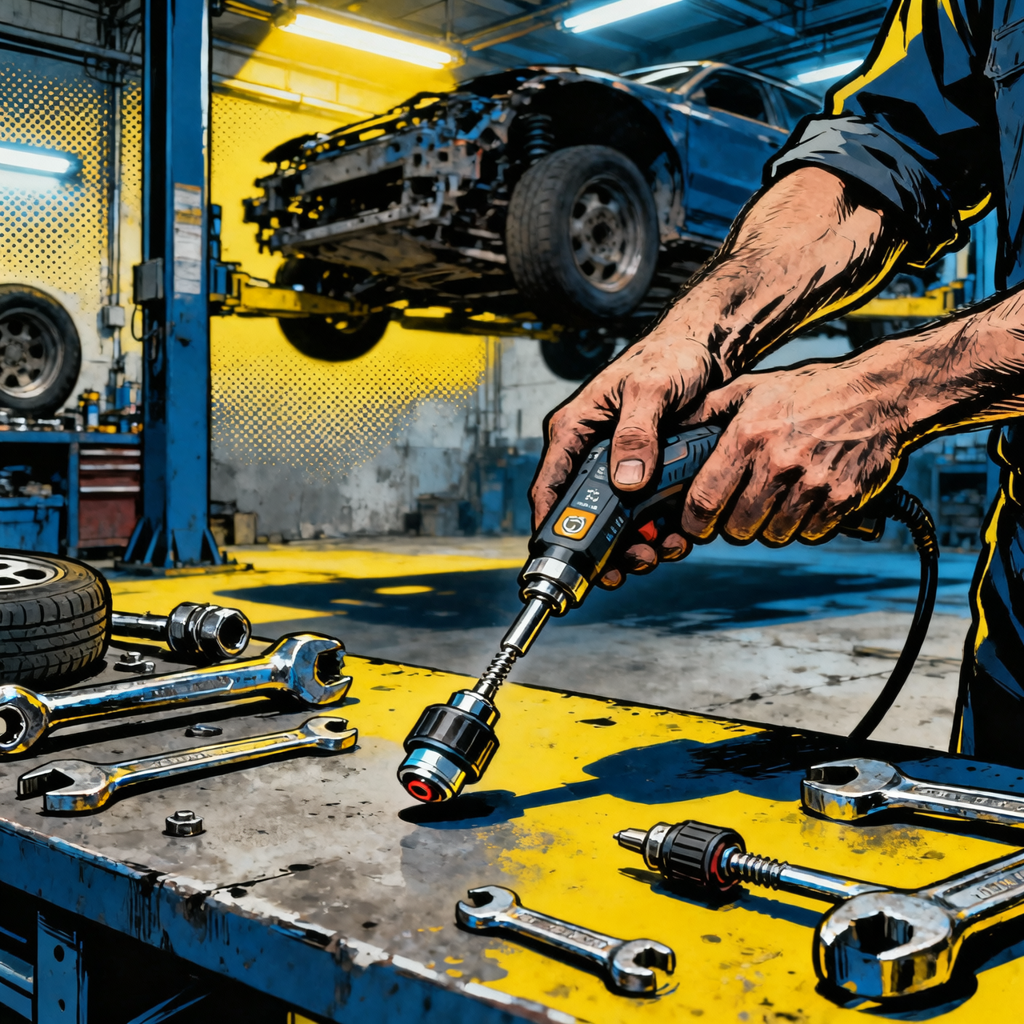
Your TPMS warning light just came on. Cost? $40-$400 per wheel depending on where you go and what’s wrong. Here’s what most drivers miss: 80% of TPMS failures are just dead batteries, not broken sensors. Battery replacement costs a fraction of replacing the whole unit. This guide covers tools, process, and when to DIY versus hire a professional.
Understanding TPMS Sensors and When Replacement Needed
How TPMS sensors work and typical lifespan (5-10 years)
Tire pressure sensors sit on the valve stem inside each tire, monitoring pressure and temperature. They send signals to your car’s computer, alerting you if pressure drops. Federal law requires working TPMS on all vehicles made after 2007.
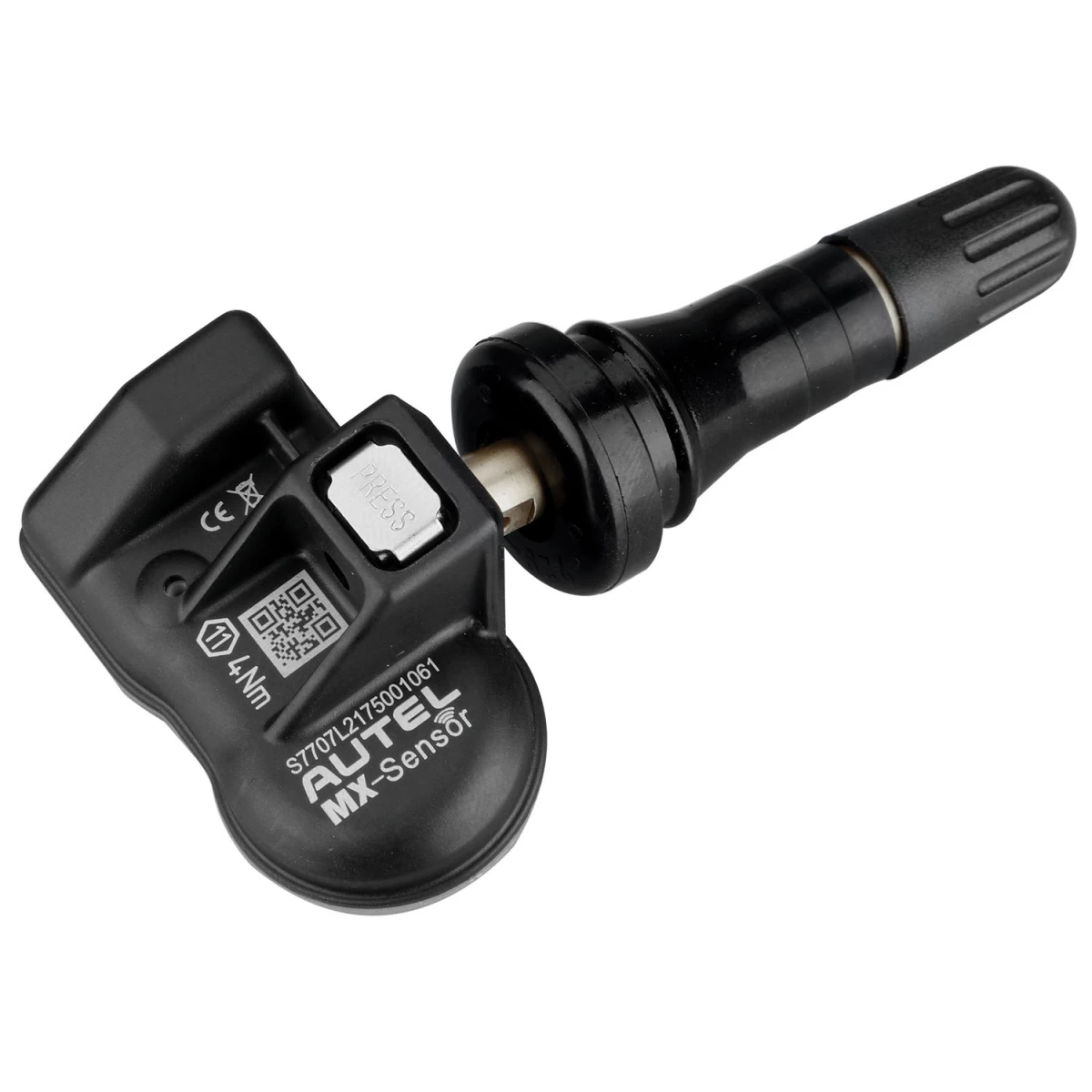
Each sensor runs on a lithium battery lasting 5-10 years. The battery powers everything until it dies—you can’t recharge it. Sensors transmit every 60 seconds while driving, draining the battery gradually. Cold weather accelerates this because sensors broadcast more often when pressure drops quickly. The sensor screws onto the valve stem with a metal band clamping to the wheel rim inside the tire, which is why labor costs add up fast.
Signs your sensor needs replacement vs battery replacement
A steady TPMS warning light usually means a dead battery, not a dead sensor. If your car shows actual tire pressure numbers, the sensor hardware is fine—only the battery needs attention. A completely dead sensor shows a flashing light for 60-90 seconds at startup, then stays solid, with dashes instead of pressure readings. This means the car can’t hear the sensor at all—could be physical damage, corrosion, or complete battery failure.
Physical damage happens during tire work when technicians break the bead too close to the sensor. Water getting in through damaged seals causes corrosion that eventually kills signal transmission. Road salt in cold climates speeds this up.
Safety implications of ignoring TPMS warning lights
Without TPMS, you lose your early warning if pressure drops. Underinflated tires overheat, increase fuel consumption by 3-5%, reduce handling, and increase braking distance. Proper pressure extends tire life by 4,700 miles and saves about $0.11 per gallon on gas. Most states won’t pass inspection without working TPMS, and the warning light kills resale value since buyers assume expensive repairs.
DIY vs Professional: Tools, Skills, and Hidden Costs
Essential tools for DIY TPMS sensor replacement
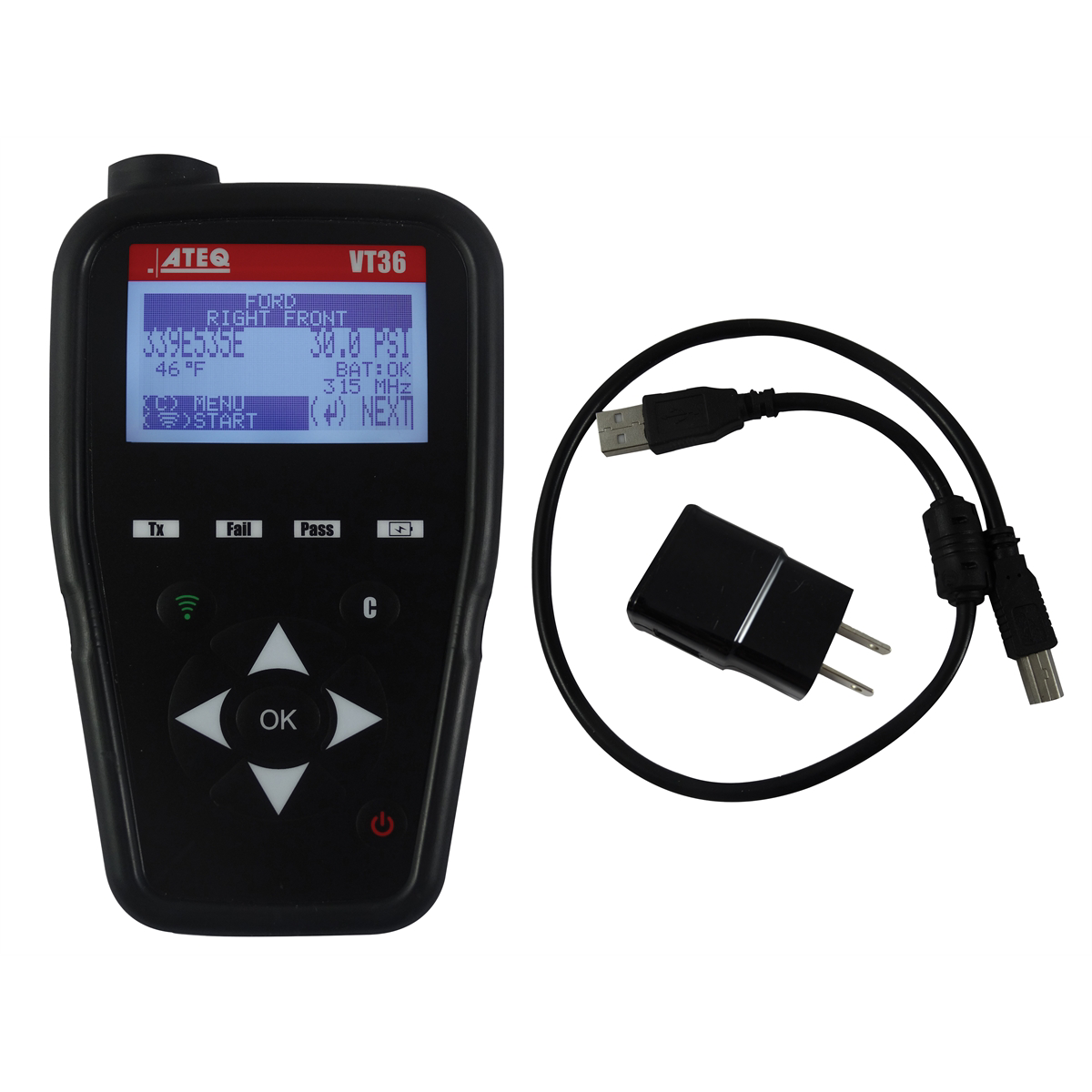
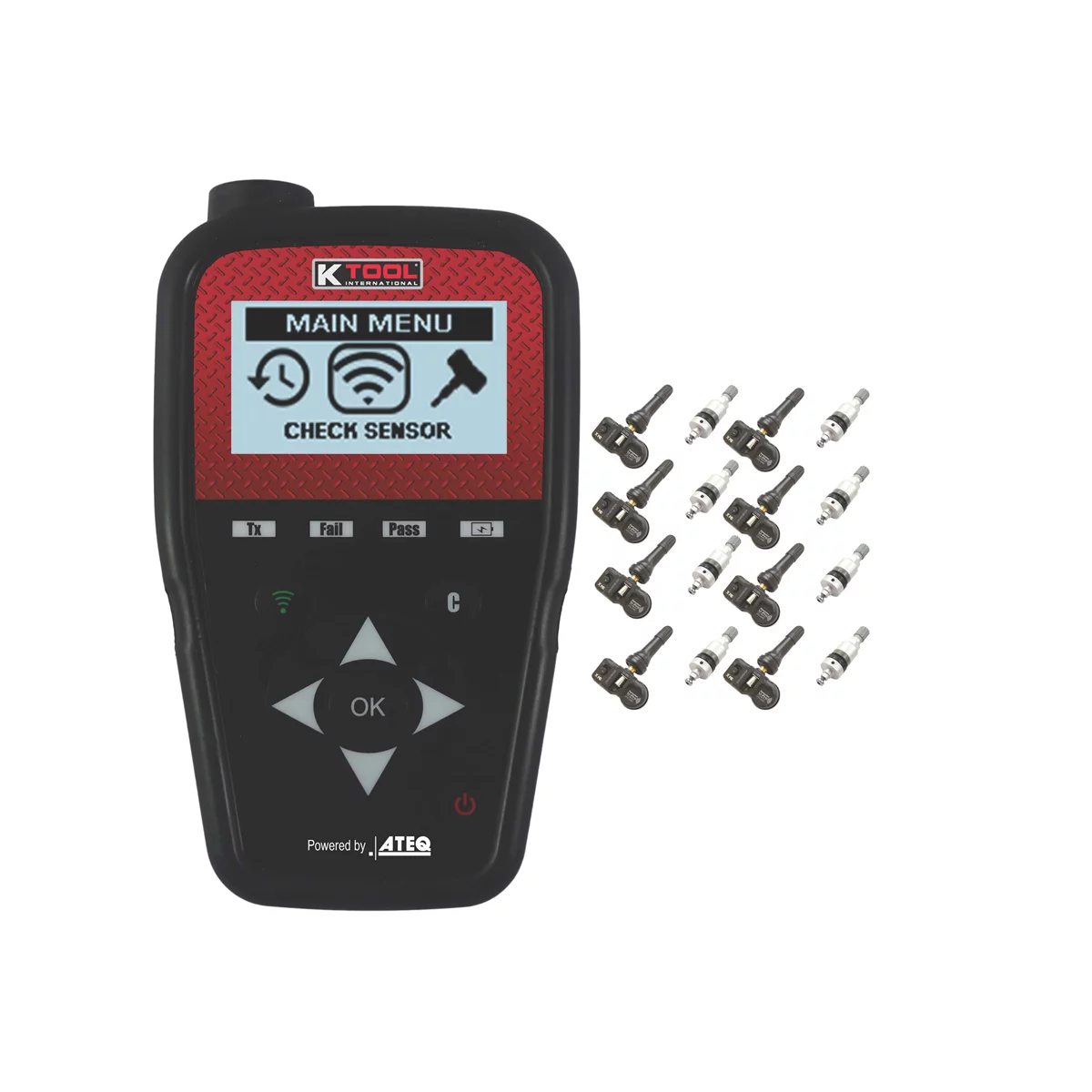
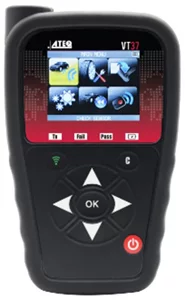
You need a tire machine or portable bead breaker ($100-$300), tire irons, valve core removal tool, torque wrench, and TPMS programming tool. Breaking beads by hand risks wheel damage. The TPMS programming tool is the big expense—basic ones ($40-$100) work for simple relearn procedures; professional diagnostic tools ($300-$3,000) clone sensors and troubleshoot systems. Some manufacturers lock you out entirely. Research your car’s exact requirements before spending money.
Step-by-step replacement process and safety warnings
Use a TPMS tool to identify which sensor died. Loosen lug nuts before jacking; always use jack stands, never work under a car on only a hydraulic jack. Let air completely out using a valve core tool.
Critical: Break the tire bead on the side opposite the sensor. Breaking near the sensor snaps the valve stem or cracks housing. Use plenty of tire lubricant. Once the tire’s off, unscrew the sensor, clean the mounting area of corrosion and old sealant, screw on the new sensor with fresh rubber grommet and metal washer, torque to specs (usually 35-60 inch-pounds). Too tight cracks the sensor; too loose causes air leaks. Reinflate and check for leaks with soapy water. Program before reinstalling the wheel—programming after usually fails from signal interference.
When professional installation saves money
If you lack tire mounting gear, paying a shop $60 beats spending $400+ on tools you’ll use once. Shops finish replacements in 15-20 minutes per wheel; your first DIY attempt takes 2-3 hours per wheel with high failure rates. Damaged wheels, torn tire beads, or broken sensors cost way more than professional labor. Programming problems are the most common DIY disaster—some cars need specific driving procedures or dealer-level tools. Look up your exact year, make, and model first; discovering you need a dealer tool after removing the tire wastes time.
Cost Comparison: Dealerships vs Big-Box vs Independent Shops
Dealership pricing ($200-$400+ per sensor)
Dealerships charge top dollar using factory parts and manufacturer tools. Expect $150-$250 for the sensor plus $50-$100 labor per wheel. One sensor costs $200-$400; luxury cars exceed $500 per wheel. You get original parts, factory-trained techs, and warranties. Dealerships rarely mess up programming, but won’t offer battery replacement or aftermarket options since they profit from factory parts.
Big-box retailers (Costco, Walmart, Sam’s Club) ($34-$65 per sensor)
Warehouse clubs offer the best prices—Costco charges $34-$45 installed, Sam’s Club $40-$55, Walmart $50-$65. This includes mounting, balancing, and programming on most cars. They use quality aftermarket sensors (Schrader, Dill, Dorman) meeting federal standards with 1-2 year warranties. Time purchases with new tire installations or seasonal promotions for 20-30% additional discounts. Call ahead to confirm they have sensors for your car and can program them.
Independent tire shop rates ($75-$125 per sensor)
Local shops fall between big-box stores and dealerships. Ask for all four sensors at once for 15-25% off compared to individual purchases—mounting and programming costs stay the same whether you do one or four. Many offer battery replacement ($30-$50) that big-box stores don’t advertise. Building relationships with good local shops pays off through priority service and favorable pricing.
| Service Provider | Price Per Sensor | Sensor Type | Programming |
|---|---|---|---|
| Dealership | $200-$400 | OEM | Yes |
| Independent Shop | $75-$125 | OEM or Aftermarket | Most vehicles |
| Big-Box Retailer | $34-$65 | Aftermarket | Common vehicles |
| DIY Battery Replacement | $5-$15 | Existing sensor | Not required |
Battery Replacement as Budget-Friendly Alternative
When battery replacement solves the problem
About 80% of TPMS failures are just dead batteries. If your sensors still transmit signals, a battery swap adds 5-7 years of life for minimal cost. Replacing the battery means opening the sensor housing, unsoldering the old battery, soldering in a new CR2032 or CR1632 cell, and reassembling with fresh seals. It takes 20-30 minutes per sensor with soldering skills. The sensor stays on the wheel, so no reprogramming needed—the car recognizes the old sensor ID. This works best if you want to keep factory sensors or need a quick fix before affording full replacement. Downsides: it voids your warranty, you might damage the sensor during disassembly, and water getting in during reassembly causes premature failure.
DIY soldering method vs professional battery replacement
DIY battery work needs a temperature-controlled soldering iron (25-30 watts max), solder wick, rosin-core solder, replacement batteries, and sensor-specific gaskets. The tricky part is using enough heat to melt solder without damaging the circuit board or pressure sensor. Too much heat kills the microprocessor; not enough creates bad connections. Flux helps solder flow, reducing heat time. Test the sensor with a TPMS tool before reinstalling the tire. Professional battery service costs $30-$50 per sensor—halfway between DIY ($5-$15) and full replacement ($75-$400)—and includes testing, warranty, and proper sealing.
Cost savings: battery replacement vs full sensor replacement
DIY battery replacement costs $10-$15 per sensor (batteries, gaskets, solder). Professional battery work is $30-$50. Compare to aftermarket sensors ($75-$125) or factory sensors ($200-$400)—you save 80-95% on parts. Doing all four DIY costs $40-$60 or $120-$200 professionally, versus $300-$500 for aftermarket or $800-$1,600 for factory sensors. For cars under $10,000, spending $1,000+ on TPMS sensors is hard to justify. However, battery replacement doesn’t make sense if sensors are damaged or corroded, or if you’re already getting new tires and paying for mounting. Add up all costs before committing.
Programming and Synchronization Requirements
OEM vs aftermarket sensors: programming differences
Factory sensors come programmed with unique IDs your car recognizes. Auto-learn cars figure this out during specific driving procedures; others need scan tools. Aftermarket sensors come in two types: programmable (arrive blank, need TPMS tool to load firmware) and universal (pre-loaded with multiple protocols, self-configure near your car). Cars with auto-learn (common on 2015+ models) let you swap sensors and finish setup with just a drive. Older cars needing scan tool programming might require a shop visit even if you handle installation. Research before buying sensors.
Self-programming by vehicle make
General Motors (2007-2014) uses inflate/deflate method; newer GMs (2015+) auto-locate during driving. Ford varies—some use automatic relearn, others need Intelligent Access key held at driver’s door during a specific sequence. Honda and Toyota (post-2013) auto-learn after 10-15 minutes driving at 25+ mph; older models need TPMS reset button plus manual procedure. European brands (BMW, Mercedes, Audi) almost always require dealer tools. Asian brands (Hyundai, Kia, Nissan, Mazda) allow manual relearn from the manual. Research your procedure for 30 minutes before starting.
Cloning sensors to avoid reprogramming
Sensor cloning copies your old sensor’s ID to a new one, letting your car recognize it without relearning. Professional TPMS tools ($300+) do this on most cars; some aftermarket makers offer pre-cloned units if you provide original IDs. This works great replacing one or two sensors while keeping working ones. Cloning skips programming entirely and works on cars with tricky TPMS systems. You need original sensor IDs first—read them with a TPMS tool before removal or find them in service records. You can’t clone all four simultaneously unless you note IDs beforehand. For single-sensor swaps on difficult programming cars, cloning is easiest.
TPMS Sensor Replacement Checklist
- ✓ Identify which sensor failed using TPMS tool or car display
- ✓ Determine if dead battery or dead sensor
- ✓ Look up your car’s programming requirements
- ✓ Get quotes from dealerships, independent shops, big-box stores
- ✓ Consider battery replacement if sensor looks undamaged
- ✓ Check sensor availability (factory vs aftermarket vs cloned)
- ✓ If DIY: verify you have tire mounting and programming tools
- ✓ If DIY: buy valve stem service kits, torque wrench, tire lubricant
- ✓ Set aside 2-4 hours
- ✓ Write down original sensor IDs before removal if cloning
- ✓ After installation: verify all sensors broadcast correctly
- ✓ Follow manufacturer’s relearn procedure if required
- ✓ Keep receipts and sensor info for future reference
Frequently Asked Questions
How much does TPMS sensor replacement really cost?
Big-box stores: $34 per sensor with aftermarket parts. Dealerships: $400+ per sensor with factory parts. Independent shops: $75-$125 installed. Battery replacement: $5-$15 DIY or $30-$50 professionally. National average is $150-$200 per sensor with labor, but you can beat this by shopping around and asking specifically about aftermarket sensors—they work identically to factory parts for significantly less.
Can I replace TPMS sensors myself without professional tools?
You can physically remove and install sensors with manual bead breakers and tire irons, but programming is the key question. Cars made after 2015 with auto-learn let you complete the job through your owner’s manual. Older cars often need dealer-level scan tools. Battery replacement is most DIY-friendly since it requires only soldering skills and skips programming. Check what your specific car needs first.
Do new sensors need programming after installation?
Most cars need some setup, though methods vary. Auto-learn cars figure it out after 10-20 minutes driving at 25+ mph. Manual relearn cars need specific procedures like inflate/deflate or TPMS button sequences. Scan tool cars need dealer equipment. Cloned sensors skip programming. Check your owner’s manual or car-specific forums for your procedure.
Is it just the battery that needs replacing or the whole sensor?
Steady warning light with correct pressure readings means the battery is your whole problem—just swap the battery. Flashing light at startup with dashes instead of readings means the car can’t hear the sensor at all. Physical damage from tire work, corrosion from road salt, or water intrusion requires a whole new sensor. Get a shop to test your sensors before buying replacements—80% of problems are just dead batteries.
What happens if I ignore the TPMS warning light?
You lose your early warning system for pressure loss. Underinflated tires overheat, blow out easily, reduce fuel economy, and harm handling. Federal research shows proper pressure prevents 120 deaths and 8,500 injuries yearly. Most states won’t pass inspection without working TPMS, and the warning light kills resale value. Fix it now—even cheap fixes cost far less than accidents, failed inspections, or losing thousands on resale.
Should I replace all four sensors at once or just the failed one?
If your car is 7-10 years old and one sensor died, the other three won’t last much longer since they age together. Doing all four in one appointment saves labor since mounting and programming costs stay the same. Most shops give 15-25% off four-sensor jobs. If your car is only 3-5 years old and failure was physical damage, replacing just one makes sense. Consider age, mileage, and long-term ownership plans.
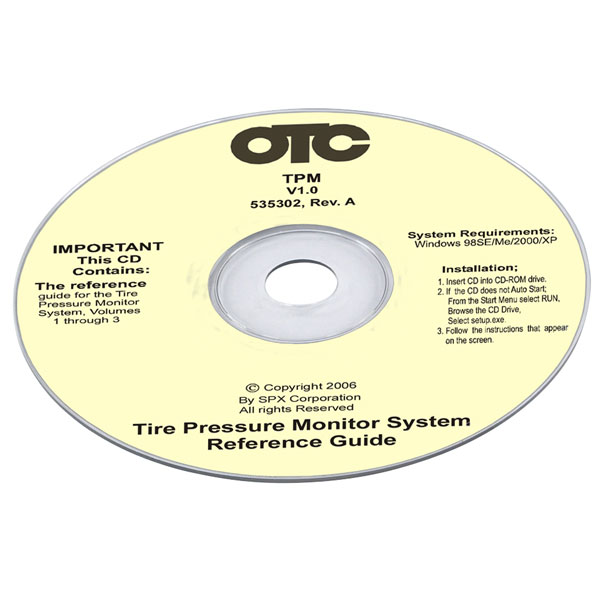
OTC 3833-3 Tire Pressure Monitor Reset Tool CD
Mfg: OTC Tools and Equipment
Part #: 3833-3

OTC 204-324 Tire Pressure Monitor Activation Tool
Mfg: OTC Tools and Equipment
Part #: 204-324
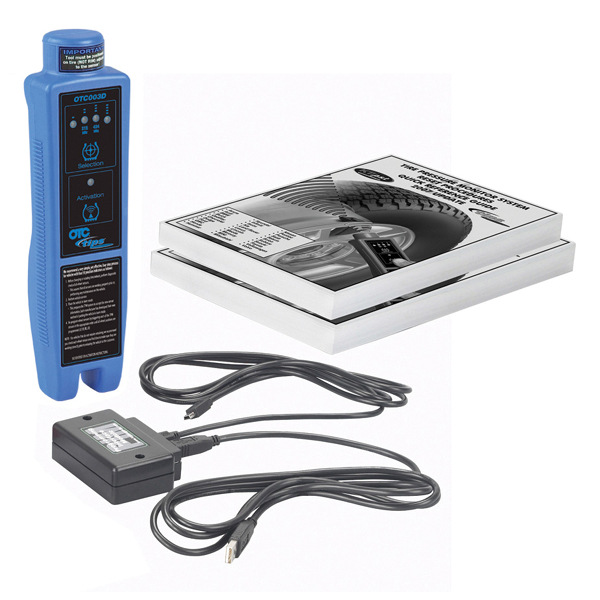
sup OTC Blue TIPS Tire Pressure Monitor (TPMS) Tool Kit
Mfg: OTC Tools and Equipment
Part #: OTC003D

The Toolsource Technical Team blends decades of real-world automotive service experience with up-to-date technical research. Our writers collaborate with professional mechanics, shop owners, and diagnostic specialists to deliver practical, workshop-ready guidance you can trust.


Follow us on social media