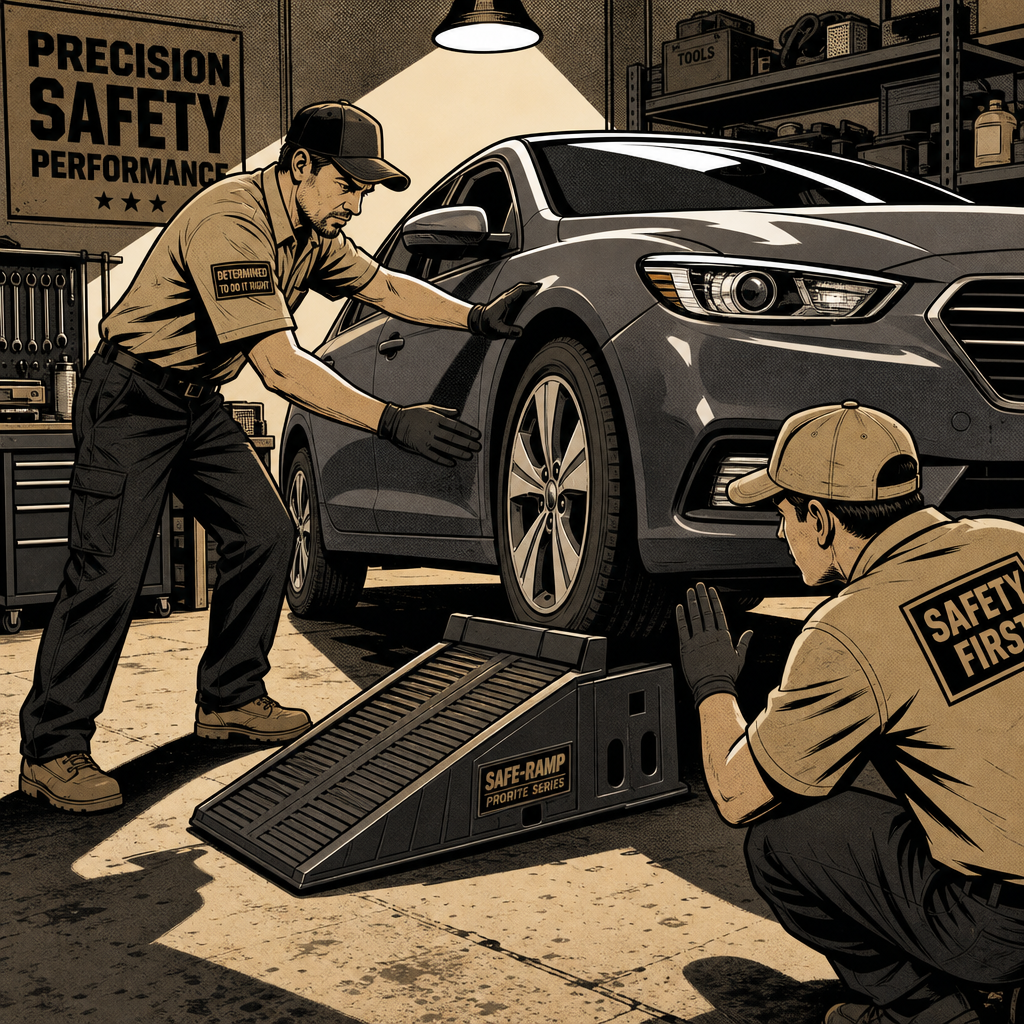
A recent string of reports about plastic drive-up car ramps cracking apart while a vehicle was being loaded onto them has a lot of DIYers and shop techs second-guessing their equipment. The failures weren’t from age or overloading in the traditional sense — they happened during normal, low-speed loading, and the break point was almost always the thinnest section of the molded plastic. If you use ramps for oil changes, brake work, or exhaust inspections, it’s worth understanding why this happens, what separates a ramp that holds up for decades from one that fails on its first year of use, and how to load any ramp so you’re not relying on luck.
Why Plastic Ramps Crack: The Manufacturing Problem
Modern segmented plastic ramps are injection molded, and injection molding relies on internal ribbing and hollow cavities to save material and reduce cost. Cut one of these ramps open and you’ll typically find a lattice of voids inside rather than solid plastic — engineered for weight savings, not necessarily for repeated impact loading. That design works fine under a steady, centered load. It performs much worse under a sudden or off-axis force, which is exactly what happens when a tire rolls up unevenly or comes to a stop with any momentum.
Several users who’ve had ramps fail found the crack originated right next to a structural rib or a thin wall between voids — a classic stress concentration point. Once a crack starts at one of these points, the segmented design (versus the older one-piece ramp shape) has less material around it to arrest the crack, so failure can be sudden rather than a slow bend you’d notice and stop using. This is also a supply-chain issue: several major plastic ramp brands share manufacturing roots that have gone through bankruptcy and ownership changes in the last few years, and quality control has reportedly suffered as production shifted or slowed. If you’re buying a plastic ramp today, you can’t assume it’s built to the same spec as one from ten years ago, even under the same brand name.
Steel, Plastic, or Wood: How Ramp Materials Actually Compare
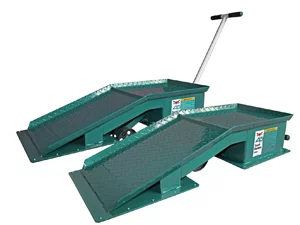
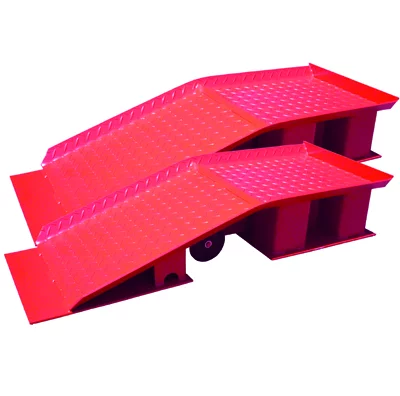
There’s no single “best” ramp material — each has a distinct failure mode, and knowing that failure mode matters more than the marketing claims on the box.
- Steel ramps are the most common shop standard. They don’t shatter, but steel fatigues over time, especially near welds. A steel ramp is far more likely to bend or deform gradually — a visible warning sign — than to fail without notice. Independent product testing (Project Farm’s ramp comparison is a frequently cited reference) has shown steel ramps vary widely in load rating despite looking similar, so check the stamped weight rating, not just the gauge of metal.
- Plastic ramps are lighter, cheaper, and resist rust, but as covered above, they can fail catastrophically and with less warning than steel. Their strength is also inconsistent between manufacturers and even between production runs from the same manufacturer.
- Wood ramps or cribbing (built from dimensional lumber, or stacked in a box-crib pattern the way structural movers support multi-ton loads) are harder to source ready-made but are respected for one reason: solid wood doesn’t fail instantly. It splinters and gives visible, audible warning well before a full failure. This is the same principle shipyards and heavy-house-moving crews rely on when supporting structures many times heavier than a car.
The practical takeaway: age and material alone don’t predict reliability — load rating, inspection habits, and loading technique matter more.
How to Load Ramps Without Snapping Them
A large share of ramp failures reported by users trace back to the same root cause: the tire rolls past the ramp’s built-in stop lip instead of settling against it. When a tire crests that stop, the ramp tips forward and the leading edge gets driven into the underside of the vehicle at an angle it was never designed to bear — that’s when the plastic (or a stressed steel weld) gives out. This is often misread as “the ramp collapsed under the car’s weight” when it’s actually a rotational/impact failure caused by overshoot.
To load ramps correctly:
- Approach slowly and in a straight line — a driver aligning even slightly off-center is more likely to roll a tire off one side or past the stop.
- Ease onto the ramp under light throttle and let the vehicle settle rather than “rolling to a stop” with any momentum against the lip.
- Have a second person guide you in, or use wheel chocks and mirrors, especially the first few times with a new set of ramps.
- Set ramps only on level, flat ground. Ramps positioned on any slope experience uneven load distribution and are far more likely to shift or fold toward the downhill side.
- Make sure both ramps are aligned squarely with the tires and with each other before starting — a ramp positioned slightly ahead of or behind its pair increases the odds of an uneven, hard stop on one side.
[PRODUCT_SEARCH: heavy-duty steel car service ramps 12000 lb rating]
Jack Stands Are Not Optional
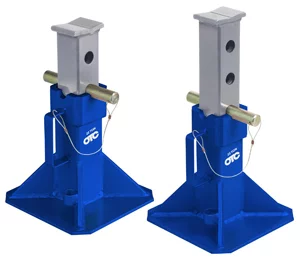
No ramp — plastic, steel, or wood — should be the sole thing holding a vehicle up while you’re underneath it. Ramps are a loading platform, not a certified support device, and this Reddit thread’s most consistent piece of advice was blunt: always back up ramps with jack stands rated for your vehicle’s weight before you get under the car. Many techs go a step further and also slide a spare tire or the jack itself under the frame as a secondary catch in case a jack stand were ever to fail or tip.
If you’re working on brakes, exhaust, or anything requiring you to be under the vehicle for more than a few minutes, treat ramps as a way to get clearance, then stabilize with stands before you commit your body underneath.
Inspecting and Retiring Ramps Before They Fail
Whatever material you’re using, build a habit of checking ramps before every use, not just when you buy them:
- Plastic: Look for hairline cracks near the ribs, discoloration or chalkiness from UV exposure (sunlight degrades plastic polymers over years), and flex under hand pressure at the load-bearing sections.
- Steel: Check welds for rust blooming or hairline cracks, and look for any permanent bend or “set” in the ramp compared to when it was new — that’s fatigue accumulating.
- Wood: Inspect for splitting along the grain, soft or rotted spots from moisture exposure, and loose fasteners if it’s a built-up structure.
Retire and replace any ramp showing these signs immediately — the cost of a new set is trivial compared to the cost of a failure while you’re partially under a vehicle. If a ramp does fail, especially a newer one under normal use, document it with photos and contact the manufacturer directly; this is also useful information for other buyers if the brand’s quality has slipped.
Quick Pre-Use Safety Checklist
- Ground is flat and level, not sloped
- Both ramps aligned squarely with tires and with each other
- Ramps inspected for cracks, warping, or UV damage
- Approach slow and straight, no rolling stop against the lip
- Jack stands placed and rated for vehicle weight before going underneath
- Wheel chocks on the opposite end of the vehicle
[PRODUCT_SEARCH: automotive jack stands and wheel chocks safety kit]
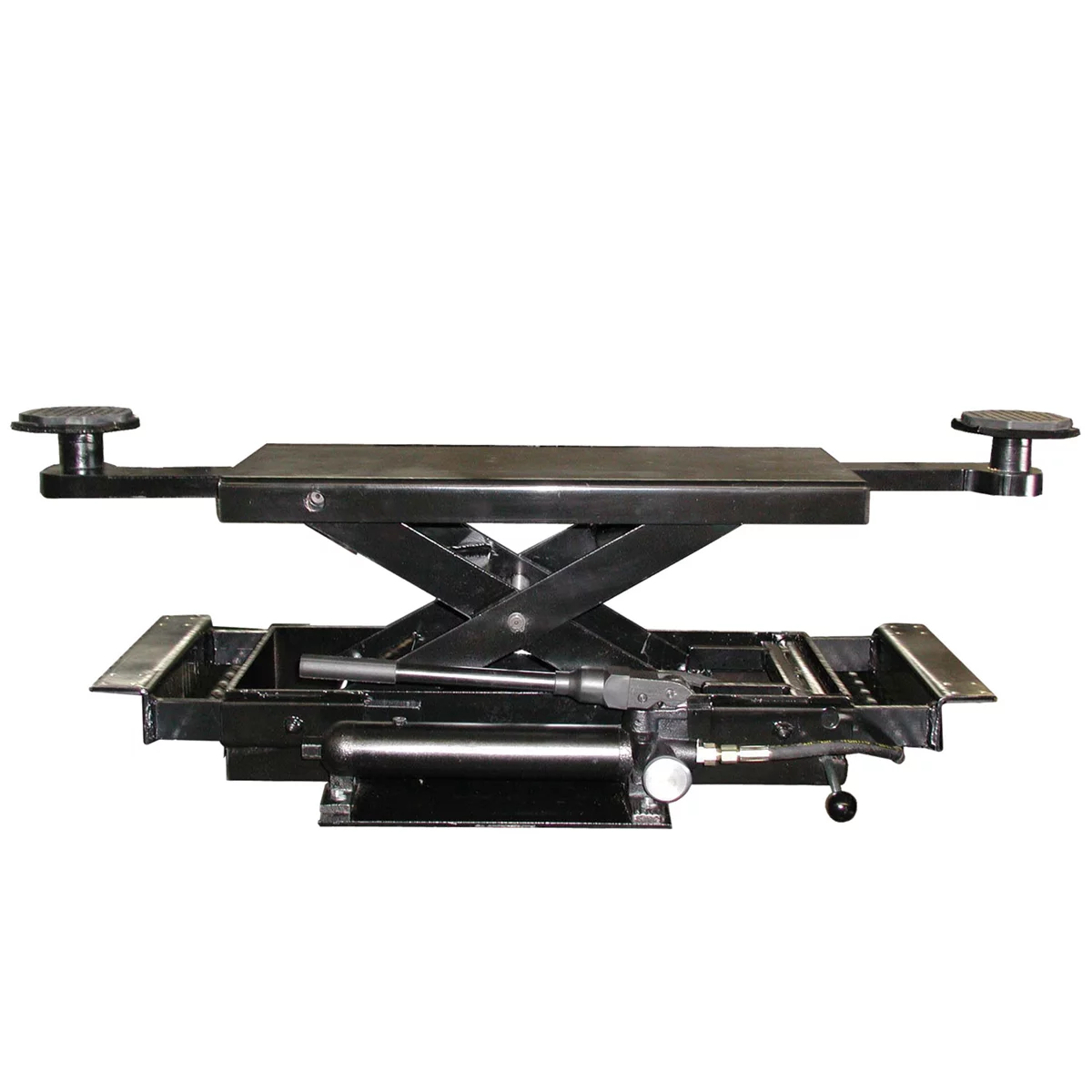
3,500 Lb. Capacity Manual Hydraulic Sliding Jack
Mfg: Atlas Automotive
Part #: XH-PROJACK35-FPD
FAQ
Are plastic car ramps safe to use at all?
They can be, but they carry more risk of sudden failure than steel or wood if the load isn’t centered or the vehicle overshoots the stop. If you use plastic ramps, inspect them before every use and always back them up with jack stands.
Why did my ramp break even though I didn’t hit it hard?
Most reported failures happen when a tire rolls past the built-in stop lip, causing the ramp to tip and drive its edge into the vehicle’s underside at an angle. This can happen at low speed and doesn’t require excessive force — it’s a geometry problem, not just a weight problem.
Are steel ramps automatically stronger than plastic ones?
Not necessarily “stronger” in every sense — steel resists shattering better, but it can bend or fatigue over years of use, especially near welds. The advantage is that steel usually gives visible warning (bending) before it fails, unlike some plastic failures.
How long should car ramps last?
Well-made steel ramps can last decades with proper care. Plastic ramps’ lifespan varies more by manufacturer and UV/weather exposure — some report years of trouble-free use, others report failures within a couple of seasons. Wood ramps or cribbing, if built solidly and kept dry, can last indefinitely with periodic inspection.
Do I still need jack stands if I’m just doing a quick oil change on ramps?
Yes. Even a “quick” job under the vehicle means your body is at risk if the ramp shifts or fails. Jack stands take seconds to place and remove the single biggest risk factor.
What should I do if my ramps show cracks or damage?
Stop using them immediately, and don’t try to repair a cracked plastic ramp with adhesive or tape — the load path is compromised. Replace with a rated, undamaged set, and consider photographing and reporting the failure to the manufacturer.
Recommended Lifting Equipment
Safe vehicle lifting depends on choosing the right material and load rating. Browse our selection of Lifting Equipment to find ramps, jack stands, and safety gear suited to your work.
- Heavy-duty steel ramps with verified weight ratings
- Plastic and alternative ramp options for different applications
- Jack stands and wheel chocks for vehicle support

The Toolsource Technical Team blends decades of real-world automotive service experience with up-to-date technical research. Our writers collaborate with professional mechanics, shop owners, and diagnostic specialists to deliver practical, workshop-ready guidance you can trust.


Follow us on social media