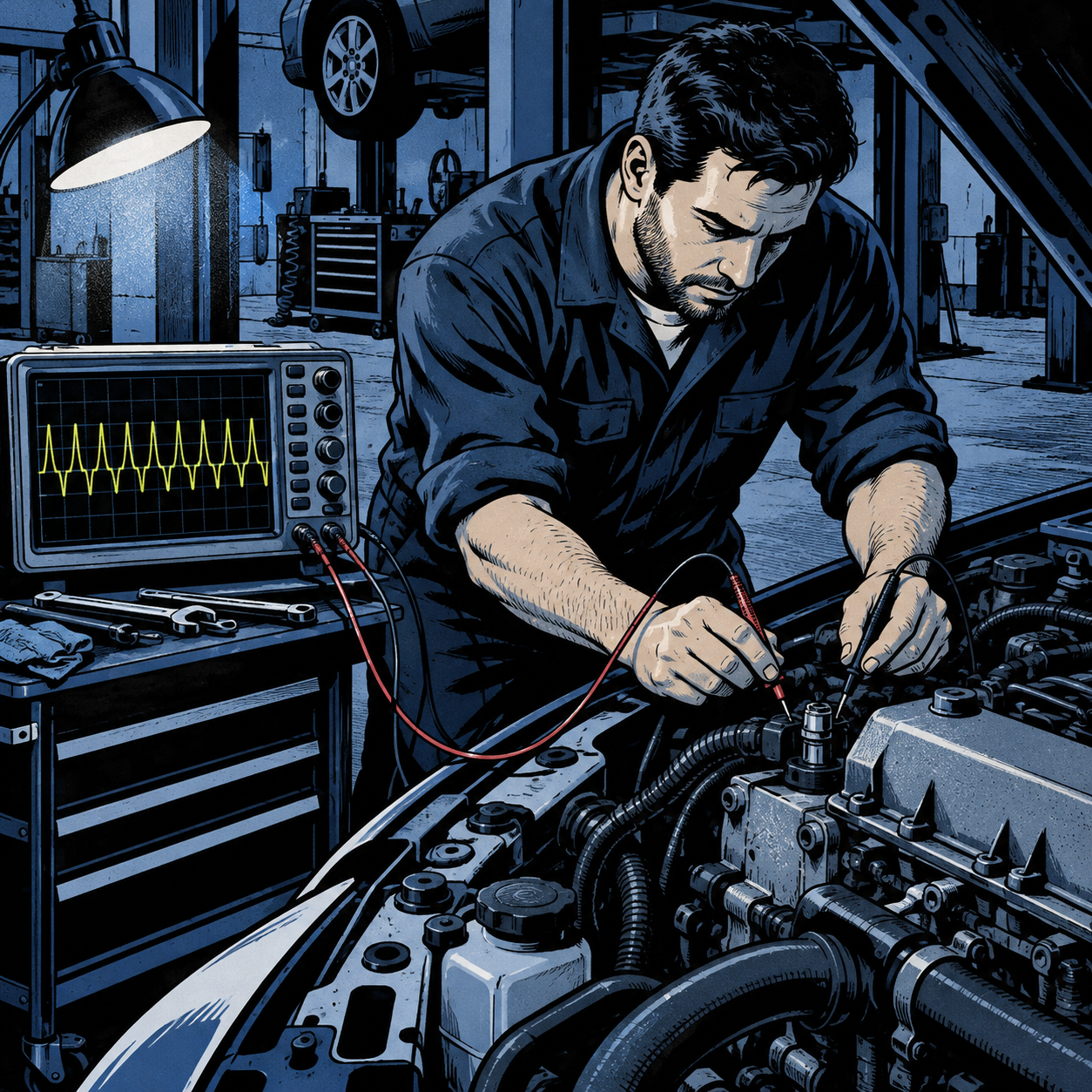
A recent thread of shop-talk comments about diagnostic YouTubers surfaced a disagreement that every tech runs into eventually: is it faster to trust your ear and your gut when you’ve “heard that noise before,” or do you follow the process every time, even when you’re pretty sure you already know the answer? Both camps have a point, and the real answer is that the best diagnosticians do both — they build pattern recognition through reps, but they still verify with data before they commit to a repair. Here’s how to structure that workflow, what tools make it possible, and where to spend your training dollars if you want to get faster and more accurate.
Why “I’ve Heard That Noise Before” Isn’t a Diagnosis
Experienced techs can often identify a timing chain rattle, a bad wheel bearing growl, or an exhaust leak tick from across the shop, and most of the time they’re right. The problem isn’t that pattern recognition is useless — it’s that it’s a hypothesis, not a confirmed diagnosis. Two different failures can produce nearly identical sounds, and the comment thread itself referenced this directly: a tech called a timing chain/belt noise correctly from a short video clip, but the counterargument was equally valid — plenty of techs and customers have been burned by assuming a sound meant one thing when it meant another.
The practical takeaway is to treat “I know that sound” as step one of a diagnosis, not the final answer. Use it to prioritize what you test first, not to skip testing altogether. A rushed call based on sound alone leads to comebacks, warranty claims on parts that didn’t need replacing, and lost trust when the “obvious” fix doesn’t resolve the complaint. Methodical diagnosis geared around deductive reasoning — confirm the symptom, isolate the system, test the component — protects you from the sounds that mimic each other, which is more common than most techs want to admit.
Build a Repeatable Diagnostic Process
The channels and educators referenced in the thread (Scanner Danner, Schrodinger’s Box, South Main Auto, Pine Hollow Diagnostics, Rainman Ray’s Repairs) all teach variations of the same core sequence. If you don’t already run a formal process, this is the version worth adopting:
- Verify the complaint. Reproduce the symptom yourself before touching anything. Don’t diagnose a complaint you haven’t confirmed exists.
- Gather data first. Pull codes and freeze frame, check TSBs, and review service history before you form a theory.
- Perform a visual and basic inspection. Wiring, connectors, fluid levels, and obvious damage rule out the cheap answers before you reach for a scope.
- Form a testable theory. State what you think is wrong and what result would prove or disprove it — this is the step most techs skip under time pressure.
- Test the theory with the right tool. A scan tool, scope, or meter — whichever actually produces data relevant to your theory.
- Confirm the fix. Repeat the original verification step after the repair, not just a code clear.
Writing this sequence down and sticking to it, even on jobs that feel obvious, is what separates a diagnostic tech from a parts-changer. It also protects you on the comebacks that inevitably happen when a sound-based guess turns out to be the wrong system.
PRODUCT_SEARCH: automotive diagnostic oscilloscope kit
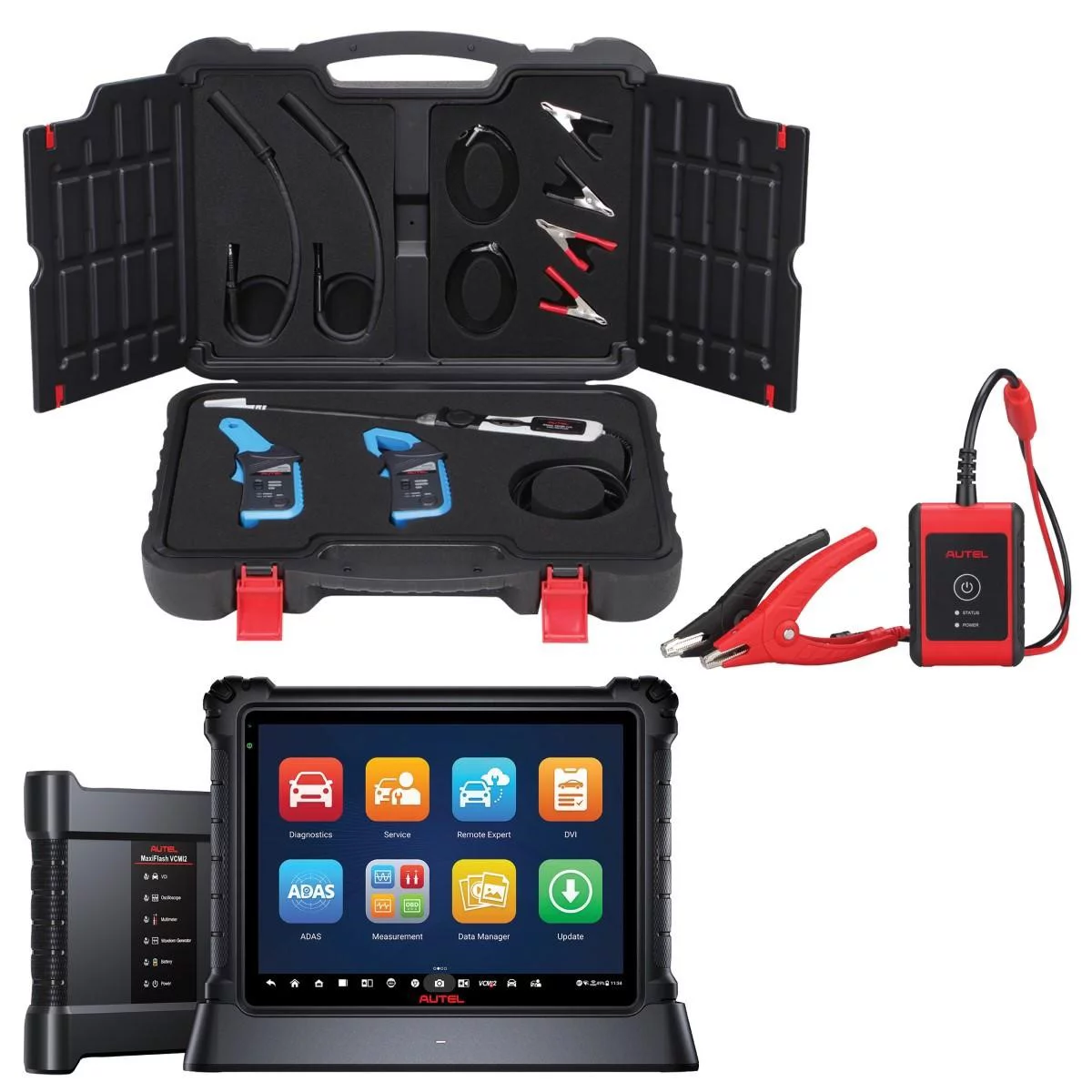
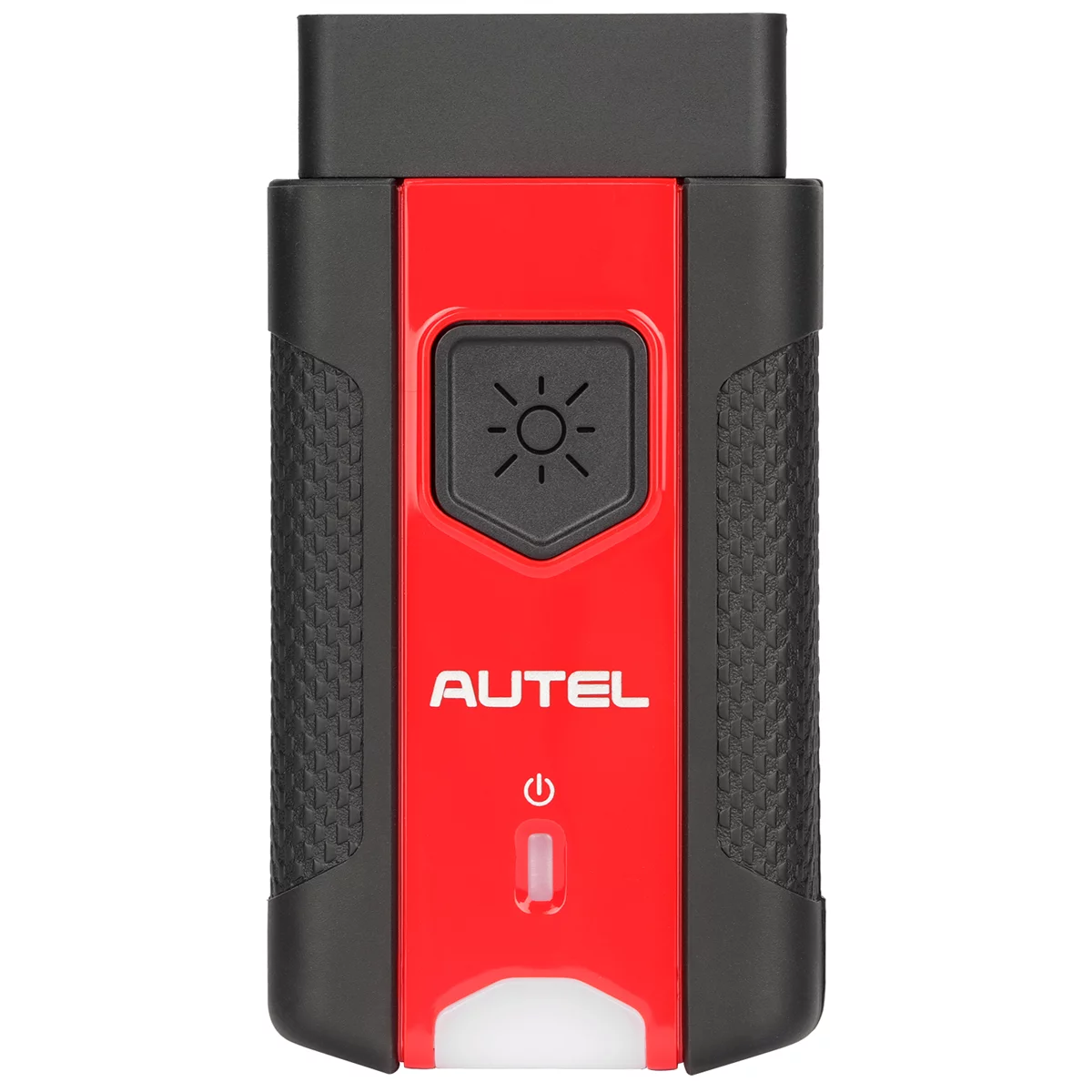
Autel MaxiSys Kit Includes: AULULTRAS2, AULMSOAK & AULBT506
Mfg: Autel.us
Part #: S2KIT
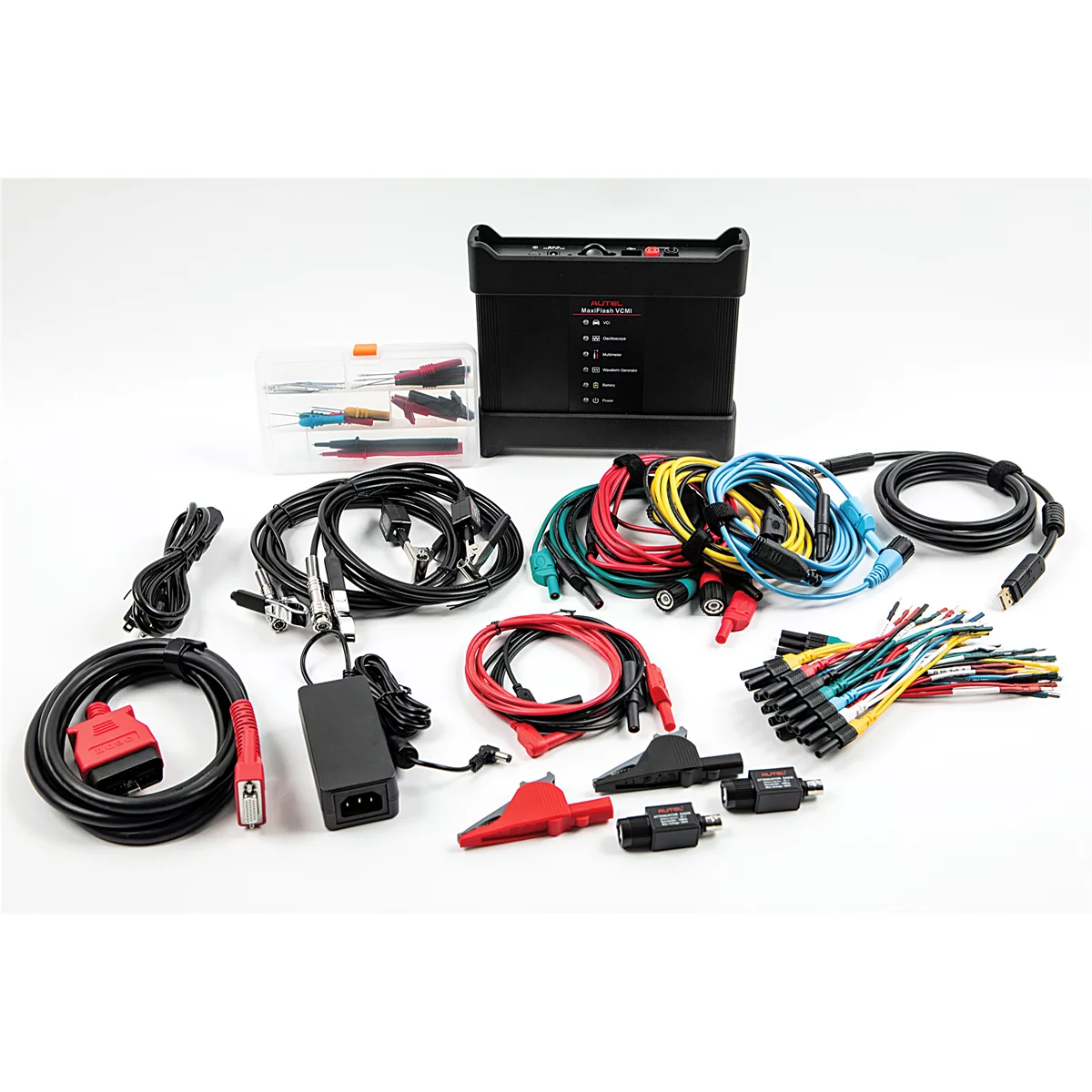
Autel MaxiFLASH VCMI Kit with Power Supply & Probes
Mfg: Autel.us
Part #: MFVCMIKIT
Scope and Meter Skills Separate Diagnosticians From Parts-Changers
Scan tools tell you what a module reported. They don’t tell you why a sensor’s signal is noisy, why a ground is intermittent, or why a circuit drops voltage under load. That’s where a digital storage oscilloscope and a quality digital multimeter earn their keep, and it’s also the skill set the thread’s most-respected channels emphasize repeatedly — several commenters specifically called out that the educators they trust most “do a lot of work with diag and oscilloscopes.”
If you’re building this skill set from scratch, start with these core scope and meter habits:
- Capture a known-good waveform from a running vehicle before you need it, so you have a comparison baseline on file.
- Learn to read crank and cam sensor waveforms first — they’re common, well documented, and teach you signal shape fundamentals.
- Practice voltage drop testing on every connector in a suspect circuit instead of just checking for presence of voltage.
- Get comfortable with current ramping for charging and starting system diagnosis — it catches intermittent issues static tests miss.
None of this replaces a scan tool for retrieving codes and live data, but relying on code reading alone caps how far you can diagnose. The techs referenced as “goated” in the thread are respected specifically because they default to proving a theory with a scope or meter rather than stopping at a code description.
Where to Invest in Training: Channels, Premium Courses, and Books
Free YouTube content from channels like Scanner Danner, Schrodinger’s Box, Diagnose Dan, Rainman Ray’s Repairs, South Main Auto (Eric O.), Pine Hollow Diagnostics, and Royalty Auto Service covers an enormous amount of ground for free, and multiple commenters credited years of YouTube viewing with building their diagnostic foundation. But free content has limits — it’s unstructured, scattered across years of uploads, and you can’t always find the specific lesson you need when you’re stuck on a job right now.
That’s the gap paid training fills. One commenter described paying $99 for Scanner Danner’s premium training after “10,000 hours” of the free content, specifically because the paid tier organizes the material into a structured curriculum instead of a random video archive. If you’re weighing whether to pay for structured training, consider it when:
- You’ve exhausted the free content from a channel and keep re-watching the same videos for reference.
- You need material organized by topic (electrical theory, fuel trim diagnosis, network communication) rather than by upload date.
- You want practice problems or quizzes to confirm you actually absorbed the concept, not just watched it.
Books remain relevant too, especially for engine-specific diagnostic and build knowledge that video content covers less thoroughly. The Reher-Morrison engine book and “Practical Engine Airflow” from S&A Design were both specifically recommended in the thread for deeper mechanical understanding — one commenter specifically pointed to the Reher-Morrison book’s coverage of valve reliefs and radial piston-to-valve clearance as a level of detail most video content doesn’t reach.
Build a Shop Reference Library That Earns Its Shelf Space
A detail from the thread worth acting on: a tech mentioned keeping a reference book in a shop drawer but wanting a second copy because the first one keeps getting dirty fingerprints on it. That’s a signal the book is actually being used on the floor, not just sitting on a shelf at home. If you’re building a working reference library rather than a decorative one, plan for that reality:
- Keep working copies in the bay and clean copies at a desk or office for deeper reading.
- Prioritize books and courses that match the vehicles you actually work on — an engine-building book is only valuable if you build or diagnose that class of engine.
- Treat paid training and reference material as a cost of staying current, not a one-time purchase — plan to add to the library annually as platforms and technology change.
The underlying point raised throughout the thread, even in the lighter comments about mechanic pay, is that diagnostic skill is a direct driver of earning potential. Techs who can diagnose efficiently and correctly bill more labor hours with fewer comebacks, and that return easily justifies a $99 course or a $60 textbook.
Quick Diagnostic Workflow Checklist
- Reproduce and verify the complaint before touching the vehicle
- Pull codes, freeze frame, and service history first
- Complete a visual inspection before reaching for test equipment
- Write down a specific, testable theory
- Confirm the theory with a scan tool, meter, or scope — not sound alone
- Re-verify the original complaint after the repair, not just a code clear
PRODUCT_SEARCH: professional automotive diagnostic tools
FAQs
Is it bad to diagnose a problem by sound or experience?
Not inherently — experienced pattern recognition is a legitimate first step. The risk is treating it as a final answer instead of a starting theory that still needs to be confirmed with data.
Do I need an oscilloscope if I already have a good scan tool?
For code reading and live data, a scan tool covers most jobs. But intermittent electrical faults, sensor signal quality issues, and voltage drop problems often require a scope to actually see what’s happening in real time.
Is paid diagnostic training worth it if I already watch free YouTube content?
It’s worth it once you’ve outgrown the free content’s organization — paid courses typically structure material into a curriculum with practice problems, which is harder to replicate by watching scattered free videos.
What’s the fastest way to build scope-reading skills?
Capture known-good waveforms from working vehicles as a baseline, then practice comparing suspect circuits against that baseline. Start with common, well-documented signals like crank and cam sensors.
Are engine-specific books still relevant with so much video content available?
Yes, especially for build-level mechanical detail like clearances and tolerances, which video content tends to cover less rigorously than dedicated engine-building references.
How do I know if a diagnostic YouTuber’s content is trustworthy?
Look for channels that consistently show their testing process and data (scope captures, voltage readings, waveform comparisons) rather than ones that jump straight from symptom to conclusion.
Shop Automotive Diagnostic Tools
Systematic diagnosis requires the right equipment. Browse our automotive diagnostic tools selection to find the scan tools, multimeters, and oscilloscopes you need to verify theories with data instead of guesswork.
- Digital scan tools for code reading and live vehicle data
- Digital multimeters and clamp meters for voltage and current testing
- Digital storage oscilloscopes for waveform analysis and signal capture

The Toolsource Technical Team blends decades of real-world automotive service experience with up-to-date technical research. Our writers collaborate with professional mechanics, shop owners, and diagnostic specialists to deliver practical, workshop-ready guidance you can trust.


Follow us on social media