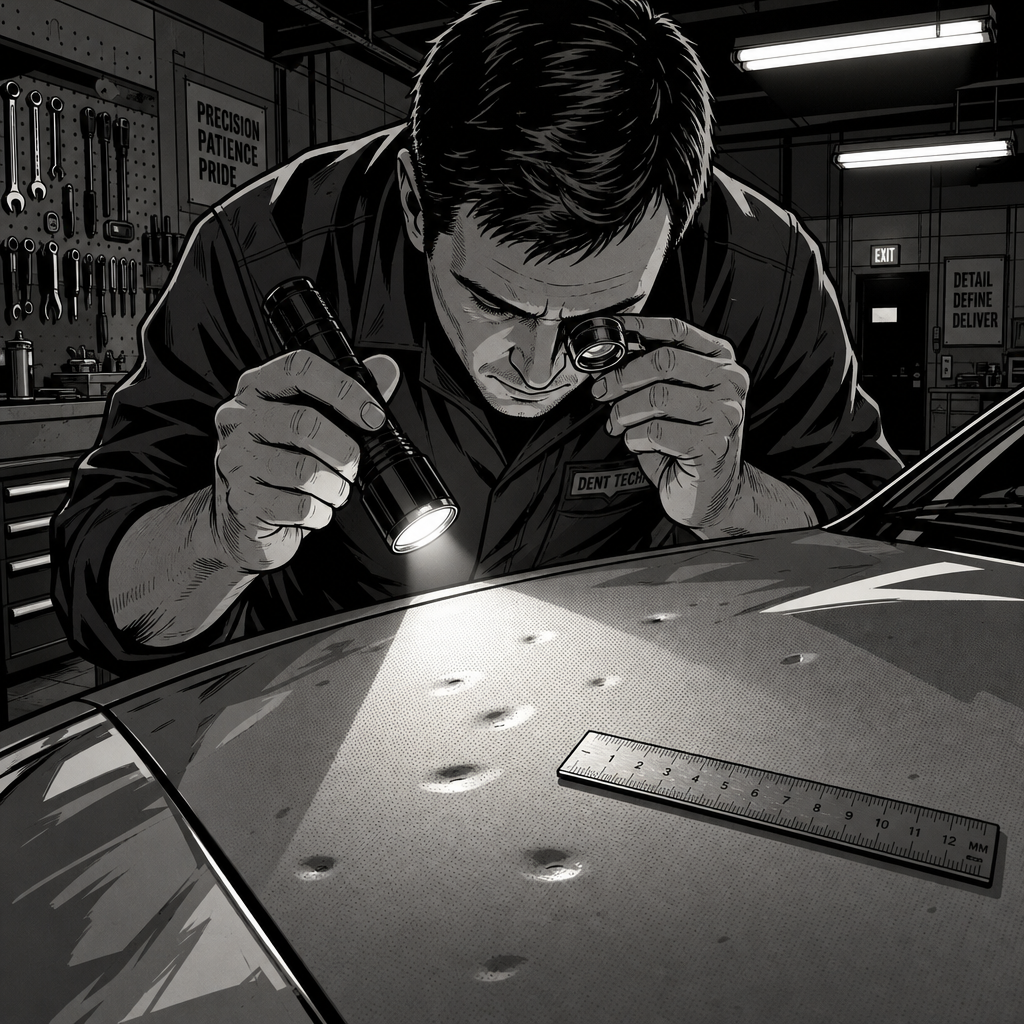
A customer rolls in convinced their car was shot up with a BB gun overnight, but what they’re pointing at could just as easily be gravel kickback, hail, or paint cracking from a nearby burnout. Getting the diagnosis right matters—it changes whether the fix is a $40 touch-up kit or a full insurance claim with a police report attached. This guide walks through how to read the damage pattern, document it the right way, and match the repair to what actually happened to the panel.
Why BB, Pellet, Rock, and Hail Damage Get Confused
All four causes leave small, roughly circular marks in the same size range, and from three feet away they look nearly identical. The differences show up when you get close with good light and a magnifier or loupe:
- BB guns (especially low-power spring-piston models): Shallow, uniform dents with minimal paint penetration. Damage clusters in a rough grouping rather than scattered randomly, because someone was aiming from a fixed position.
- Pellet guns and airsoft at close range: Deeper, more consistent dents than BBs, sometimes with a fractured or “cratered” center if velocity was high enough to break through clearcoat.
- Rock chips / gravel kickback: Irregular shapes, not uniform circles. Concentrated on lower panels, rocker panels, and the leading edges of hoods and bumpers—consistent with road spray, not a shooter’s line of sight.
- Hail: Random distribution across horizontal surfaces (roof, hood, trunk), rarely on vertical door panels unless wind-driven. Dents vary widely in size on the same vehicle.
One detail techs use constantly: a thin cracked-paint ring around a dent usually means clearcoat/basecoat fracturing from impact, not corrosion or age. That ring shows up with both projectile and rock-chip damage, so don’t treat it as a BB-specific signature on its own.
Reading the Damage Pattern on the Panel
Before touching anything, walk the vehicle and map where the marks are concentrated. Pattern location tells you more than the shape of any single dent.
- Vertical panels only (doors, quarter panels), clustered at a similar height: Points toward a projectile fired from standing height nearby—consistent with a BB or pellet gun.
- Random spread including roof and hood: Points toward hail or debris falling/blowing onto the vehicle.
- Concentrated low, on the lower third of the vehicle and wheels/rockers: Points toward road debris kicked up by traffic or a vehicle spinning tires nearby.
- Star-shaped or elongated marks instead of round dents: More consistent with gravel or stone impact than a spherical projectile.
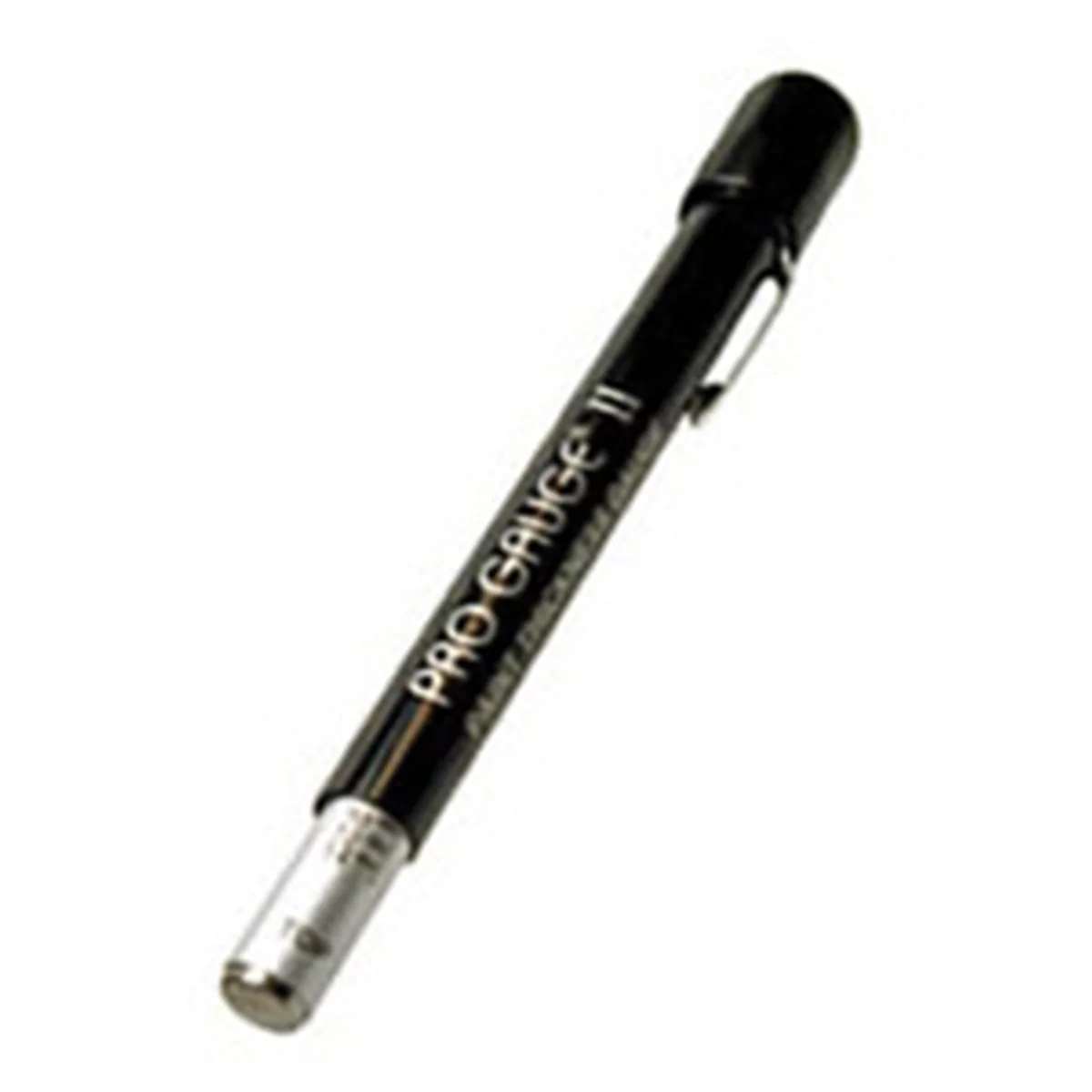
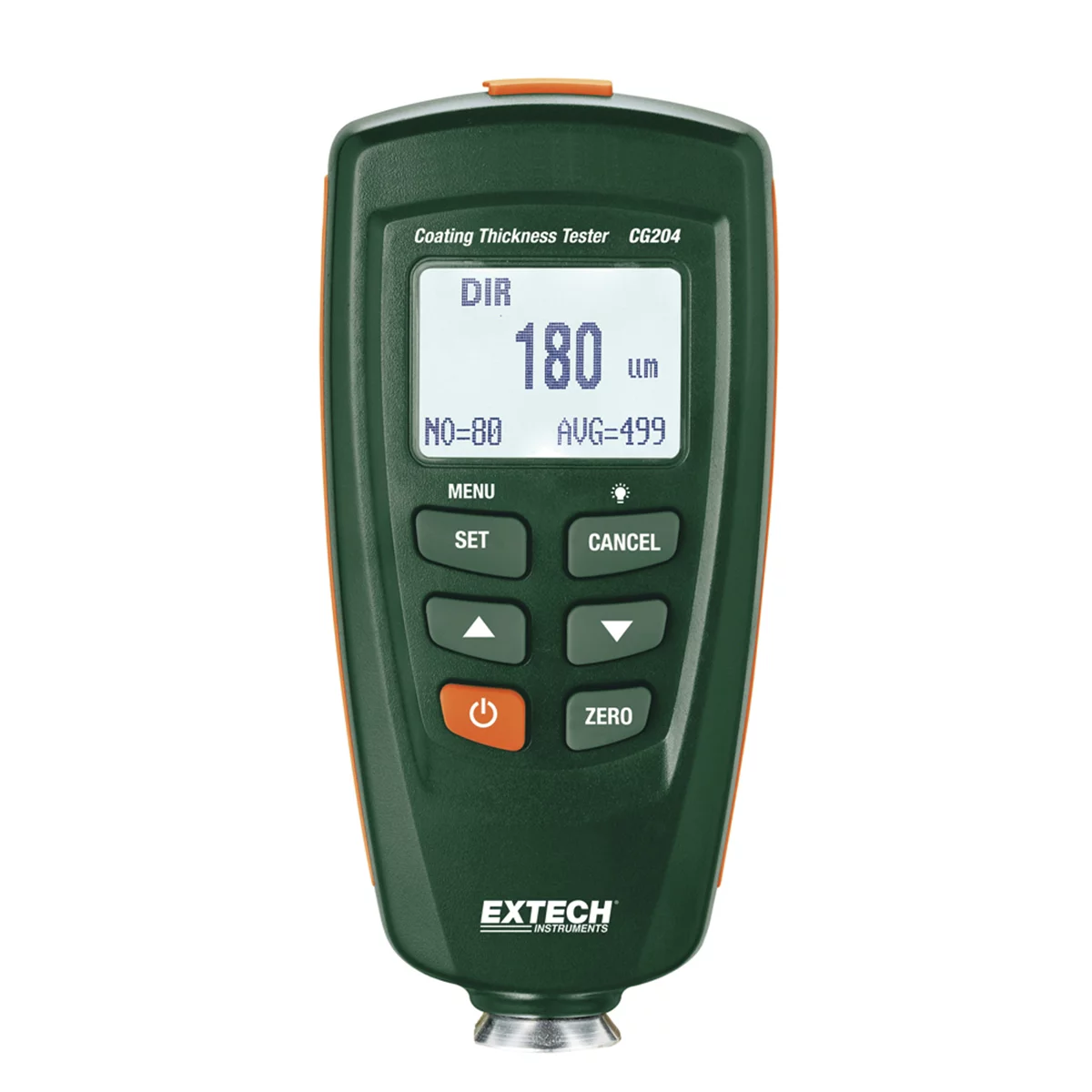
A digital caliper or dent depth gauge is useful here—BB and pellet dents tend to fall in a narrow, repeatable depth range (roughly 1–3mm) because the projectile mass and velocity are consistent shot to shot. Rock chip depth varies a lot more because impact speed and stone size aren’t uniform.

Documenting Damage for an Insurance Claim
If vandalism is suspected, documentation quality determines whether a comprehensive claim gets approved without a fight. Do this before any repair work starts:
- Shoot wide shots of the whole vehicle first, then close-ups of each individual mark with a ruler or coin in frame for scale.
- Use raking light (a flashlight held at a low angle) to make shallow dents visible in photos—overhead lighting flattens them out and makes them hard to prove later.
- Photograph the parking location and surroundings, including any sightlines from nearby buildings, alleys, or wooded areas a shooter could have used.
- Check for and request footage from any nearby business or residential security cameras before it gets overwritten—most systems cycle out in 7–30 days.
- File a police report even if no suspect is identified. Insurers frequently require a report number for vandalism claims, and it also starts a timestamped record.
- Get a written estimate that itemizes panel-by-panel repair, not just a lump sum—adjusters push back harder on vague estimates.
Repair Options: Touch-Up Paint vs. Paintless Dent Repair
Once the cause is documented, the repair path depends on whether the clearcoat/paint is broken and how deep the dents are.
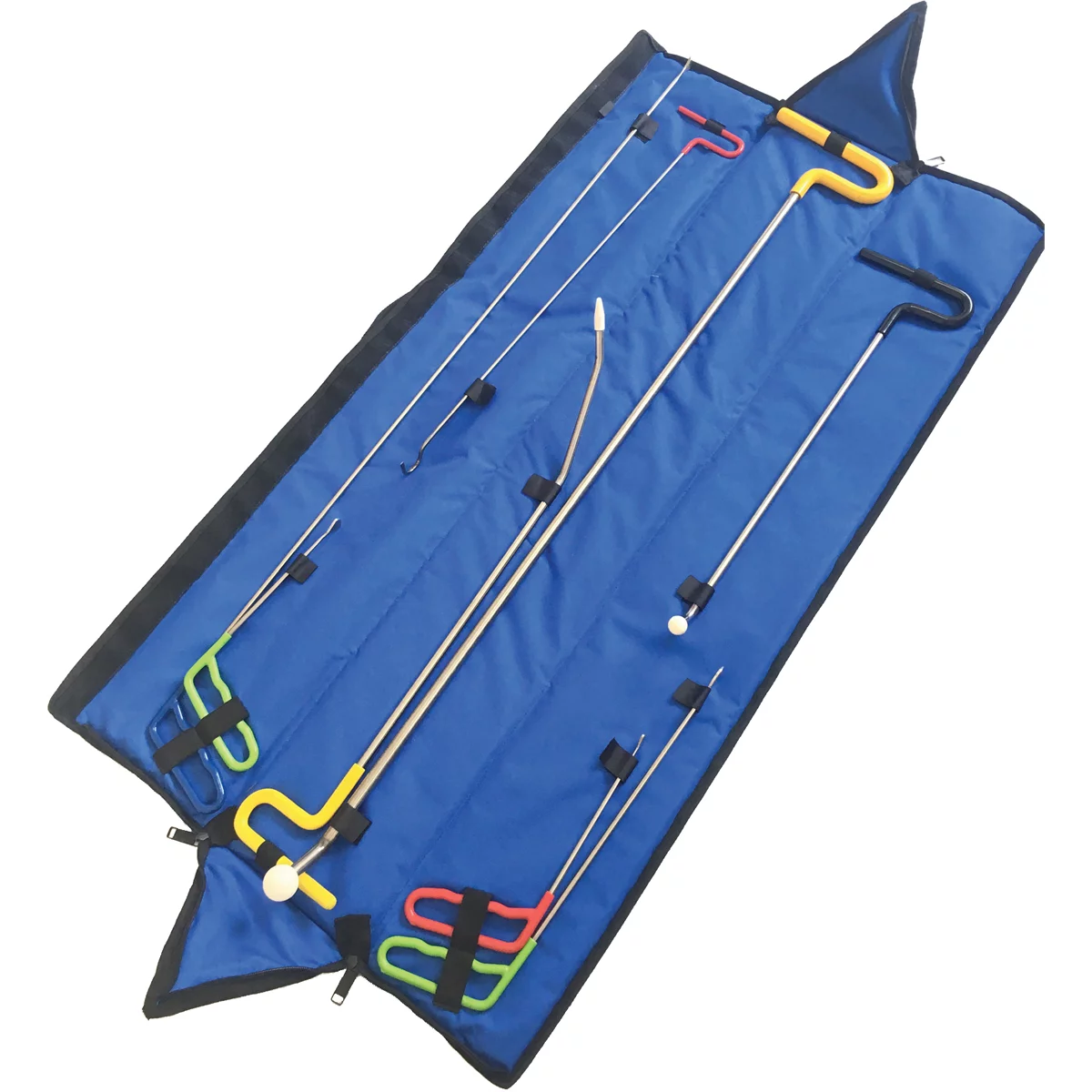
- Paint intact, shallow dent: Paintless dent repair (PDR) is the right call. A trained tech accesses the backside of the panel and massages the metal back to shape without disturbing factory paint—this keeps the vehicle’s paint history clean, which matters for resale value.
- Paint cracked or chipped at the impact point: PDR alone won’t fix the finish. The dent gets pulled first, then the chip is filled with touch-up paint or a small spot-blend repair, feathered and cleared to match.
- High density of hits on one panel: At a certain point (generally more than a dozen closely spaced dents per panel), it’s more cost-effective to replace or repaint the panel than to pull each dent individually. Get a shop opinion before committing to per-dent PDR pricing.
- Sharp-edged or deep gouges: These usually indicate rock impact rather than a rounded projectile, and often need conventional bodywork—filler, sanding, primer, paint—rather than PDR.
When to Escalate to a Body Shop
Handle it in-house or with a mobile PDR tech when damage is cosmetic, paint is unbroken, and the count is low. Send it to a body shop when any of these apply: paint is breached down to primer or metal, dents sit near panel edges or body lines (harder to access for PDR and more prone to stress cracking), the vehicle has ADAS sensors or cameras integrated into affected panels that need recalibration after work, or the customer is running an insurance claim that requires a shop-generated estimate on letterhead.
Reducing Repeat Damage
For customers asking how to prevent a repeat incident, the practical advice is straightforward: park under covered or well-lit areas, avoid parking adjacent to open lots, tree lines, or alleys where a shooter has a clean sightline, and add a battery-powered or Wi-Fi driveway camera if the vehicle is stored outside long-term. None of this eliminates risk, but it removes the easiest opportunities.
Quick Diagnosis Checklist
- Inspect each mark under raking light with a loupe—note shape (round vs. irregular) and paint condition (intact vs. cracked)
- Map the damage pattern across the vehicle—clustered and vertical points to a projectile; random and horizontal points to hail or debris
- Measure dent depth for consistency—BB/pellet damage tends to be uniform; rock chips vary
- Photograph everything with scale reference before any repair begins
- Pull nearby security footage and file a police report if vandalism is suspected
- Get a panel-by-panel estimate and decide PDR vs. body shop based on paint condition and dent density
Most jobs that get called in as “BB gun damage” turn out to be a mix of causes once you actually inspect the panel—so treat the pattern analysis above as a first pass, not a final verdict, before quoting a repair.
Paint & Body Tools & Materials
Accurate diagnosis of impact damage—whether from BBs, gravel, or hail—depends on having the right inspection and repair tools on hand. Browse our Paint & Body selection for PDR equipment, touch-up supplies, and diagnostic tools.
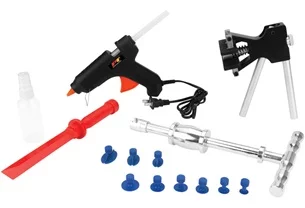
- Paintless dent repair tools and access kits for shallow dents with intact paint
- Touch-up paint and clearcoat for repairs that breach the finish
- Paint depth gauges and calipers to measure and document impact severity

The Toolsource Technical Team blends decades of real-world automotive service experience with up-to-date technical research. Our writers collaborate with professional mechanics, shop owners, and diagnostic specialists to deliver practical, workshop-ready guidance you can trust.


Follow us on social media