The late-90s/early-2000s G-Class (W463) with the M113 V8 and 722.6 5-speed automatic is a durable, body-on-frame truck with simple, serviceable systems compared to newer luxury SUVs. It is not light on fuel, but it rewards owners and technicians who do thorough baseline maintenance, use correct fluids, and methodically diagnose common systems (transmission, vacuum/EVAP, driveline, and electrical). This guide consolidates practical steps to get a newly purchased or newly serviced G-Wagen into a reliable maintenance rhythm.



Establish a Baseline: Fluids, Filters, and Ignition
Before chasing any single issue, reset the maintenance clock so future diagnostics aren’t masked by unknown history.
- Engine oil and filter: Use an oil that meets MB 229.5 (commonly 0W-40 or 5W-40 full synthetic). Replace the cartridge filter (use a proper 74 mm, 14-flute cap wrench). Inspect the old filter for metal/debris. Torque fasteners to spec per service data; do not over-tighten the filter cap or drain plug.
- Air and cabin filters: Install quality filters (OE suppliers like Mann/Mahle/Hengst). A restricted air filter skews fuel trims and reduces mileage; a dirty cabin filter strains the blower and reduces HVAC performance.
- Fuel filter: On higher-mileage vehicles, a partially restricted fuel filter can cause lean codes and sluggish performance. Replace if age/mileage is unknown.
- Coolant service: Use MB 325.0/325.5-approved coolant (commonly blue concentrate mixed 50/50 with distilled water). Inspect for crust at hose junctions, radiator end tanks, thermostat housing, heater core connections, and the expansion tank cap. Pressure test the system. Thermostats that stick open trigger low engine temp and poor fuel economy.
- Brake fluid: Flush with DOT 4/DOT 4 LV every two years. Bleed sequence per W463 service procedure. Check for soft hoses and caliper slide freedom.
- Power steering: Verify the correct fluid type (some systems use ATF, others use CHF-type fluids; match the cap and service literature). Inspect the pump, lines, and steering box for leakage under load.
- Differentials and transfer case: Drain and fill both diffs with a GL-5 gear oil of suitable viscosity for your climate. Many W463 transfer cases use ATF meeting MB 236.14; verify the spec plate or WIS/EPC. Inspect drain/fill plugs for metal and replace washers.
- Spark plugs and coils: The M113 uses two spark plugs per cylinder (16 total). Replace plugs with the correct heat range and gap from OE suppliers (Bosch/NGK) and inspect coil boots for tracking or oil contamination. Misfires, rough idle, and poor mileage often improve with fresh plugs/boots. Carefully torque plugs on a cool engine.
- Drive belt and pulleys: Replace the serpentine belt if cracked/glazed, and spin/tension idlers and the tensioner. A noisy accessory drive often precedes alternator or idler failures.
After baseline fluids/filters/ignition, clear all codes, perform a thorough road test, and rescan. Recurrent faults are now easier to isolate.
722.6 Transmission Service and Common Faults
The 722.6 is robust when serviced with the correct ATF and level procedure. Ignore it and you can expect conductor plate and connector sleeve issues.
Tools and supplies:
- ATF meeting MB 236.14
- Filter and pan gasket kit (OE or quality aftermarket)
- Electrical connector sleeve (pilot bushing with sealing rings)
- Reusable or single-use pan bolts as specified
- 722.6 service dipstick (tool) and scan tool with ATF temp reading
- Drain pan, lint-free wipes, torque wrench
Procedure overview:
- Warm-up and drain: Warm the trans to operating temp, then safely lift/level the vehicle. Drain the pan. If equipped with a torque converter drain, open it; otherwise expect a partial change.
- Pan and filter: Drop the pan, note magnet debris (light paste is typical; chips are not). Replace the filter and pan gasket. Clean the magnet and pan thoroughly.
- Connector sleeve: Remove the 13-pin electrical connector bolt, pull the sleeve, and replace it with a new unit. Oil wicking through this sleeve can cause intermittent harness issues and fluid leaks.
- Refill and level: Add a measured quantity of MB 236.14, start the engine, cycle gears, and set the final fluid level using the service dipstick at the specified ATF temperature per WIS. Level must be checked on level ground, at the temp window, with the correct dipstick scale.
- Adaptations and faults: Scan the TCM. Conductor plate faults often present as speed sensor codes and limp-home mode (e.g., P0715-type). If replacing the conductor plate, use a capable tool to set adaptations and clear TCM faults.
Notes:
- Always verify torque specs and ATF type against the VIN-specific service data.
- If the fluid smells burnt or is heavily contaminated, plan a short-interval follow-up service to dilute old fluid rather than aggressive flushing.
- Harsh 2–3 shifts or flares often improve after proper level and sleeve replacement; persistent issues warrant deeper diagnostics of the conductor plate, solenoids, or valve body.
Vacuum, EVAP, and Locker Pneumatics—Test, Don’t Guess
Vacuum complaints are often overblown, but leaks do matter on EVAP, idle quality, and differential lock engagement where equipped.
Vacuum/EVAP:
- Map the system: Photograph hose routing before you start. Many hoses are small metric sizes (commonly ~3.5–5 mm ID). Replace brittle sections with proper vacuum-rated hose; avoid generic fuel line.
- Smoke test: Cap the intake, introduce low-pressure smoke to the intake/EVAP system (keep pressure gentle—about 1 psi). Look for leaks at PCV/valve cover breathers, intake boots, purge valve, charcoal canister, and line unions.
- Purge valve check: With a scan tool, command purge and watch fuel trims. A stuck-open purge valve often causes hot restarts and rich/lean codes.
- O2 sensor readiness: Aging upstream O2 sensors can slow feedback and hurt mileage. If trims stay biased after vacuum integrity is confirmed, evaluate sensor response and age.
Differential locks (where equipped):
- Function test: On a loose surface, engage lockers one at a time in the manufacturer’s sequence and verify that indicator lamps transition from flashing to solid. Disengage and confirm release.
- Vacuum/pressure source: Verify the pump/solenoids deliver correct vacuum/pressure per spec. Use a hand pump (Mityvac-type) to individually apply vacuum to each actuator circuit; confirm engagement and that the circuit holds.
- Hoses and check valves: Replace cracked lines and weak check valves. Inspect the reservoir and its connections. Contamination or moisture can slow or prevent actuation.
- Mechanical: If the pneumatics are sound but a locker won’t engage, suspect corrosion or internal diff issues—avoid forcing it; service is required.
Driveline, Axles, and Suspension on the W463
The W463’s body-on-frame layout, solid front axle, and stout driveline make inspection straightforward. Prioritize components that fail with age and weight.
- Flex discs (guibos): Inspect front/rear flex discs for cracks, missing fabric, or deformation. Replace in pairs if marginal. Verify correct bolt orientation and torque; recheck after a few hundred miles.
- Center support bearing and driveshafts: Look for torn rubber supports, rumble under load, or vibration on decel. U-joints should rotate smoothly without notchiness.
- Front axle and joints: Inspect CV/axle boots and swivel/knuckle seals for grease throw or tears. Excess play, clicking, or weeping seals indicate service is due. These are more involved than typical IFS boots; many techs prefer replacing complete shafts or planning a full knuckle service with seals/bearings.
- Wheel bearings and brakes: Check for play, noise, and heat. Verify even pad wear, free caliper slides, and rotor condition. Replace aged rubber brake hoses.
- Steering and bushings: Inspect tie rods, drag link ends, Panhard bar, and radius arm (leading arm) bushings for play. Excess bushing compliance shows up as shimmy and wander; use OE-quality components (Lemförder, etc.).
- Suspension springs and dampers: Look for sagging springs and leaking shocks. A matched spring/shock set markedly improves control on these heavy trucks.
- Tires and alignment: Heavy, square vehicles are sensitive to tire condition and pressure. Set pressures evenly, inspect for cupping, and align after any steering/suspension work.
Electrical and Engine Reliability: What to Prevent and What to Watch
While the biodegradable wiring harness era ended before 1999, age still affects connectors, grounds, and engine ancillaries.
- Valve cover gaskets and plug wells: Oil intrusion into plug wells causes misfires. Replace gaskets and coil boots if oil is present; clean and dry the wells before reassembly.
- MAF and intake integrity: A dirty or failing MAF, cracks in intake tubes, or loose clamps can bias trims and fuel economy. Clean with MAF-safe cleaner only; replace if readings are out of range.
- Thermostat and coolant sensors: P0128-type behavior (cool running) kills MPG. Replace the thermostat with OE quality; bleed and verify operating temperature with a scan tool.
- O2 sensors: Upstream sensors age and slow response. If fuel trims don’t normalize after vacuum and MAF corrections, evaluate sensor aging and replace as required.
- Charging system and grounds: Load-test the battery, verify alternator output, and clean primary grounds (chassis and engine). Low system voltage triggers a cascade of spurious codes.
- Ancillaries: Inspect the water pump for weep hole leakage, radiator end tanks for aging, and the fan clutch for proper engagement. Overheating issues must be corrected before any extended driving or towing.
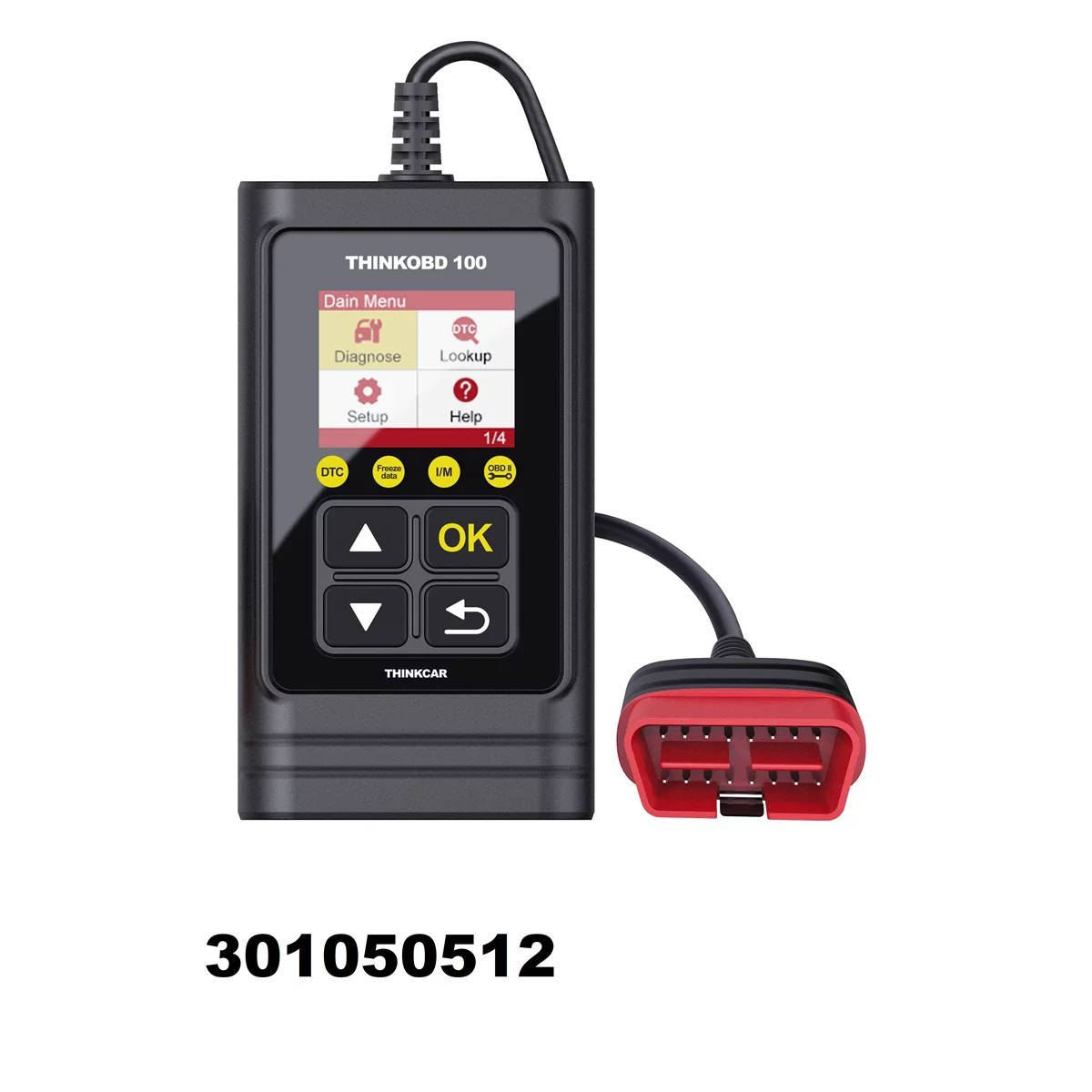
- Scanning: A Mercedes-capable scan tool (reads TCM, ESP/ABS, SRS, and drivetrain adaptations) pays for itself. Generic OBD-II readers miss transmission and body faults that matter on these trucks.
Fuel economy reality check: A V8, body-on-frame 4×4 with full-time hardware and brick aerodynamics will not be frugal. Reasonable gains come from corrected engine temp control, healthy O2/MAF, good tire pressure/alignment, and conservative driving—not add-ons that overpromise.
Parts Sourcing, Cost Control, and Tooling Strategy
Running costs hinge on parts quality and avoiding guesswork.
- Buy by part number: Use VIN lookups via EPC to source the exact part numbers. Many OE suppliers (Bosch, Mann, Mahle, Hengst, Lemförder, ZF) make the same parts in OEM boxes at lower cost.
- Transmission kits: For the 722.6, use reputable filter/gasket kits and an OE-style connector sleeve. Avoid mixing fluid specs—use MB 236.14 and label underhood with service date/mileage.
- Vacuum inventory: Keep metric vacuum hose in common IDs (3.5 mm, 4 mm, 5 mm), straight connectors, check valves, and heat-resistant loom. Replacing aged hose in batches prevents piecemeal returns.
- Electrical consumables: Stock MB-style fuses, quality crimp terminals, contact cleaner, dielectric grease, and woven loom. Address brittle conduit proactively.
- Diagnostic tooling: A scan tool with MB coverage, a smoke machine, a hand vacuum/pressure pump, a non-contact thermometer, and a service dipstick for the 722.6 dramatically reduce diagnostic time.
- Suppliers: Leverage reputable European parts specialists that offer VIN verification and strong warranties. For commonly serviced items (filters, fluids, plugs), consider multi-packs to lower per-service cost.
- Documentation: Use WIS/ASRA or equivalent data for torque specs, sequences, fluid types, and capacities. Label service intervals underhood; keep a simple log so future diagnostics start on solid footing.
Quick Baseline Checklist
- Change engine oil and filter (MB 229.5) and inspect for debris.
- Replace air, cabin, and fuel filters; reset service indicator.
- Flush coolant with MB-approved coolant; test thermostat operation.
- Flush brake fluid and inspect hoses/calipers.
- Service 722.6: filter, gasket, connector sleeve, MB 236.14 ATF; set level at temp.
- Drain/fill front and rear differentials; verify transfer case fluid type and service.
- Install 16 new spark plugs; inspect coils/boots and valve cover gaskets.
- Inspect belts, pulleys, and cooling system ancillaries.
- Smoke test intake/EVAP; verify purge valve function.
- Function-test diff lockers; verify vacuum/pressure integrity.
- Inspect flex discs, center support bearing, axle boots/seals, and steering/suspension joints.
- Battery/charging test; clean grounds; full-module scan and road test.
FAQs
What fluids should I use for the M113/722.6 in a W463?
Engine oil: MB 229.5-approved synthetic (often 0W-40/5W-40). Transmission: ATF meeting MB 236.14 for the 722.6. Coolant: MB 325.0/325.5-approved. Differentials: GL-5 gear oil appropriate for climate. Power steering and transfer case fluid vary; confirm the spec on the reservoir/case and in service literature by VIN.
How often should I service the 722.6 transmission?
If history is unknown, service immediately. Afterward, a 40–60k mile interval is a common practice among technicians using MB 236.14 ATF, with level set at temperature using the proper dipstick and scan tool. Always inspect the connector sleeve and pan magnet at each service.
Are vacuum/EVAP issues common on these trucks?
Age hardens small-diameter hoses and check valves, so leaks are not unusual. However, methodical smoke testing and hose replacement quickly stabilize trims and EVAP readiness. For trucks with pneumatic differential locks, leaks in locker circuits are also age-related and repairable with new hose and valves.
Why is my fuel economy so low even after maintenance?
The platform is heavy and unaerodynamic with full-time 4×4. You can recover lost MPG from a stuck-open thermostat, tired upstream O2 sensors, a contaminated MAF, soft tires, and poor alignment. Expect modest improvements, not dramatic changes.
What are the high-value preventative repairs on an M113?
Replace 16 spark plugs and coil boots on schedule, fix valve cover leaks that contaminate plug wells, keep the PCV/breather system tight, replace the thermostat proactively, and ensure the accessory drive (belt, idlers, tensioner) is quiet and smooth. A fresh upstream O2 sensor set at higher mileages helps trims and drivability.
What scan tool do I need?
Use a tool that reads manufacturer-level data (TCM, ESP/ABS, SRS, drivetrain adaptations) and transmission fluid temperature. Generic OBD-II won’t cover the 722.6, locker control, or many body systems. Module communication and adaptation functions save significant diagnostic time.
Shop Transmission Service Tools
Wrapping up this G-Class baseline, outfit your bay with Transmission Service Tools for accurate 722.6 service and consistent results.
- 722.6 service dipsticks, fill adapters, and drain solutions
- Torque wrenches for pan, sleeve, and valve body fasteners
- ATF funnels, catch pans, and lint-free wipes

The Toolsource Technical Team blends decades of real-world automotive service experience with up-to-date technical research. Our writers collaborate with professional mechanics, shop owners, and diagnostic specialists to deliver practical, workshop-ready guidance you can trust.


Follow us on social media