I’ll now compress this content by removing redundancy and tightening language while preserving all structure, headings, lists, and FAQs:
An automotive thermostat is a critical component that controls coolant flow to maintain optimal engine temperature (180°F–250°F). When it fails, expect poor fuel economy, failed emissions tests, or complete overheating. Understanding how thermostats work, recognizing failure symptoms, and choosing between OEM and aftermarket options can save customers hundreds in preventable repairs.
How Automotive Thermostats Work
The thermostat sits between the engine and radiator, acting as a temperature-controlled valve. Its primary function is maintaining the engine at designed operating temperature by restricting coolant flow when cold and opening gradually as temperature rises.
Wax Pellet Expansion Mechanism
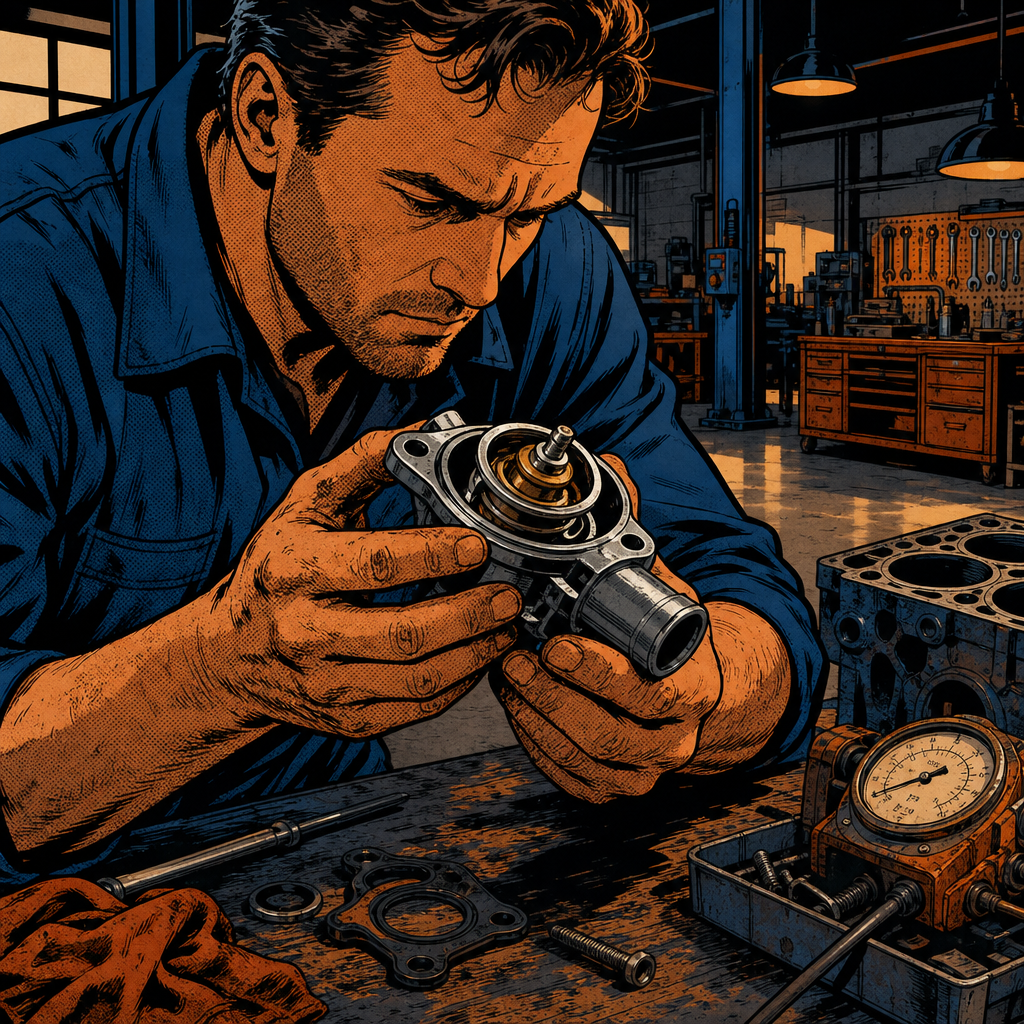
Most thermostats use a reliable wax pellet mechanism unchanged for decades. A sealed copper cup contains wax mixed with metal powders. As coolant heats, the wax melts and expands 10–15%, pushing a piston that opens the valve. When cold, a spring keeps the valve closed, forcing coolant to bypass the radiator and recirculate through the engine.
This proportional design ensures the hotter the coolant, the wider the valve opens. Maximum flow occurs 15–20°F above the rated opening temperature. When the engine cools, the wax contracts and the spring closes the valve, maintaining stable temperature across varying loads.
Temperature Range Control (180–250°F)
Thermostats open at specific temperatures, typically 195°F–220°F for modern engines. Higher operating temperatures improve fuel economy, reduce friction, and help catalytic converters reach optimal temperature faster for lower cold-start emissions. Manufacturers precisely calibrate thermostats to engine design and emissions requirements. Installing the wrong temperature thermostat triggers check engine lights, increases emissions, and reduces fuel economy. Always match OEM specifications—the temperature is stamped on the component.
Signs Your Thermostat Is Failing
Thermostat failures are either stuck closed or stuck open, each with distinct symptoms.
Cold Engine and Poor Fuel Economy
A stuck-open thermostat prevents the engine from reaching proper operating temperature. The engine runs perpetually cold, with the temperature gauge reading low or fluctuating. The ECU cannot enter closed-loop operation and runs rich on open-loop programming, increasing fuel consumption 10–20% or more. Expect increased emissions, rough idle, hesitation, and check engine lights related to insufficient temperature or delayed closed-loop entry.
Heater Malfunction in Winter
Cabin heaters route hot coolant through a heater core. If the engine never reaches operating temperature, no hot coolant reaches the heater, producing only lukewarm or cold air. This symptom is diagnostic gold in cold climates and is particularly noticeable during highway driving, where radiator cooling prevents temperature rise.
Overheating and Temperature Fluctuations
A stuck-closed thermostat prevents coolant circulation through the radiator, causing rapid overheating, especially in stop-and-go traffic. The temperature gauge climbs into the red zone, the check engine light illuminates, and coolant may boil over. Modern engines enter limp mode to prevent damage. Intermittent sticking causes temperature gauge fluctuations—replace immediately before complete failure.
OEM vs Aftermarket Thermostats
Reliability and Lifespan
OEM thermostats typically last 100,000+ miles with exact factory specifications. Aftermarket quality varies widely. Budget options fail prematurely, have incorrect opening temperatures, or poor seals. “Fail-safe” thermostats marketed to prevent overheating often fail prematurely in the open position during normal operation. Standard designs from quality manufacturers are more reliable.
Trusted Brands: Gates, Stant, Motorad
Gates, Stant, and Motorad consistently deliver reliable performance. Gates features precise opening temperatures with construction matching OEM quality. Stant, manufacturing since 1898, offers excellent quality for standard and heavy-duty applications. Motorad specializes in cooling components with good longevity. Avoid no-name budget thermostats; the $20 savings risk premature failure and additional labor costs.
Cost Analysis
OEM thermostats cost $30–80; quality aftermarket units run $15–40; budget options are $8–15. Labor costs ($100–300) make part cost nearly irrelevant. Saving $20 on a failed budget thermostat means paying full labor again. Quality parts—OEM or premium aftermarket—provide better value.
| Option | Cost | Lifespan | Best For |
|---|---|---|---|
| OEM | $30–80 | 100,000+ mi | High-mileage, performance, warranty |
| Premium Aftermarket | $15–40 | 80,000–100,000 mi | General service, older vehicles |
| Budget Aftermarket | $8–15 | 20,000–50,000 mi | Short-term fixes, end-of-life vehicles |
No products found for “automotive thermostat gates stant motorad”
Testing and Replacing Your Thermostat
Boiling Water Test
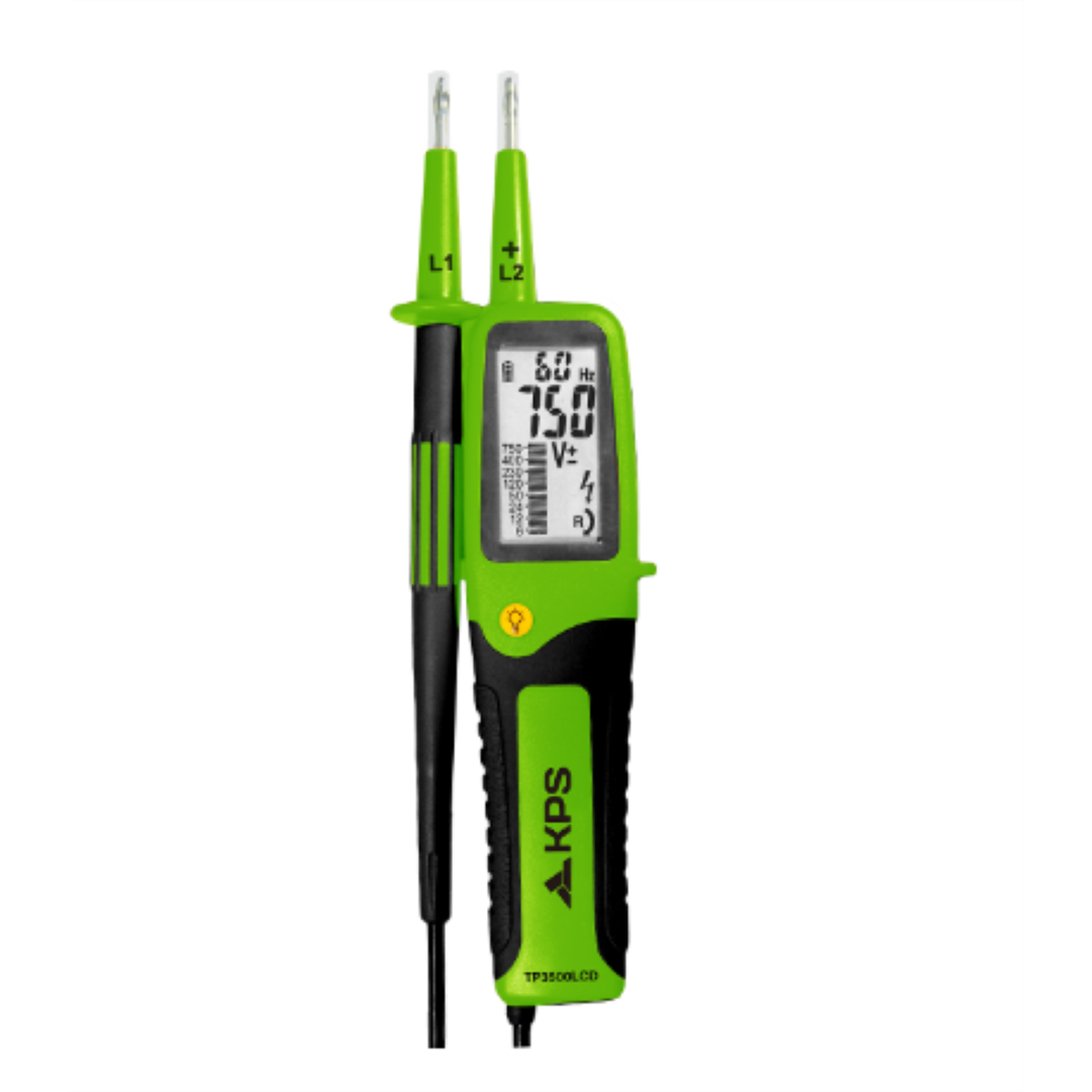
KPS TP3500 AC/DC Voltage Tester 12-750V LCD Display
Mfg: KPS Measuring Equipment
Part #: KPSTP3500LCD
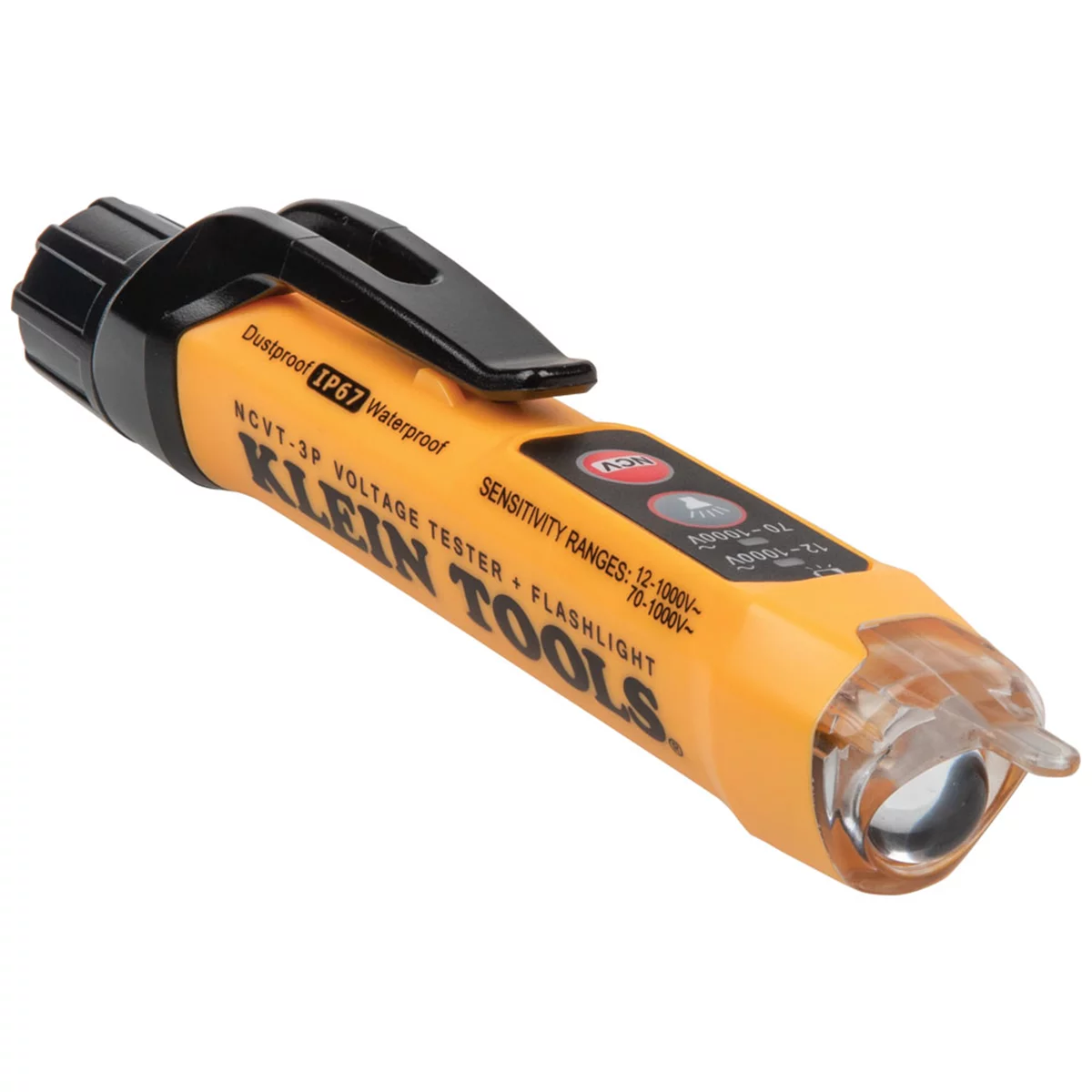
Dual Range Non-Contact Voltage Tester with Flashlight, 12 to
Mfg: Klein Tools
Part #: NCVT3P

Suspend the removed thermostat in heated water using wire or string (not touching the pot bottom). Heat slowly while monitoring temperature. The thermostat should remain closed until water reaches its rated opening temperature, then open. It should reach full open 15–20°F above rated temperature. If it opens too early, too late, or not at all, it’s failed. This 10-minute test provides absolute confirmation.
Step-by-Step Replacement
Airlift Cooling System Leak Checker and Airlock Purge Tool Kit
Mfg: Uview
Part #: 550000
Replacement difficulty varies by vehicle. Always consult factory procedures.
Pre-Replacement Checklist:
- Verify correct thermostat temperature rating
- Obtain new gasket or O-ring
- Have fresh OEM-spec coolant
- Ensure engine is completely cold
- Position drain pan
- Review bleeding procedure for your vehicle
Basic Steps:
- Drain coolant below thermostat level
- Locate thermostat housing at upper radiator hose connection
- Remove housing bolts and separate from engine
- Remove old thermostat, note orientation
- Clean gasket surfaces thoroughly
- Install new thermostat with spring side toward engine
- Install new gasket—never reuse old gaskets
- Reinstall housing and torque bolts to specification
- Refill coolant and bleed air per manufacturer procedure
- Run engine to operating temperature, verify no leaks
- Recheck coolant level after cooling
Common Installation Mistakes
Installing the thermostat backward is most common—spring side typically faces the engine block. Reusing old gaskets guarantees leaks (budget $5–15 for new ones). Failing to clean gasket surfaces prevents proper sealing. Overtightening bolts (typically 15–25 ft-lbs) warps housing or strips threads. Skipping the air bleeding procedure leaves air pockets causing overheating and preventing cabin heating.
Impact on Engine Performance
Emissions and Cold Start
Cold-start emissions represent a large percentage of total vehicle emissions. A failed-open thermostat extends cold-start indefinitely, preventing the catalytic converter from reaching light-off temperature. The engine runs rich, producing elevated emissions and failing emissions tests. Direct-injection engines are particularly sensitive, with operating outside designed temperature ranges causing drivability issues and carbon buildup.
Closed-Loop Operation
Engines operate in open-loop mode (cold start) with rich, programmed fuel tables. Once reaching 160–180°F, closed-loop operation begins, where oxygen sensor feedback fine-tunes the mixture for efficiency and emissions. A stuck-open thermostat prevents closed-loop entry, forcing continuous rich operation, poor fuel economy, carbon buildup, and potential catalytic converter damage.
Regional Climate
Cold regions struggle to reach operating temperature even with functioning thermostats; some use winter radiator covers to maintain heat. Hot climates stress cooling systems, with failures trending toward stuck-closed as heat fatigues the wax pellet. Manufacturers offer different temperature ratings for different markets—always verify your application’s correct temperature.
Frequently Asked Questions
Why does my car need a thermostat?
Thermostats maintain optimal operating temperature, enabling rapid warm-up when cold and stable temperature maintenance during operation. Without one, engines run too cold, causing poor fuel economy, emissions, wear, and inadequate heating. Modern emissions and fuel injection systems depend on precise temperature regulation.
Do modern cars use electronic thermostats?
Most modern vehicles still use traditional wax-pellet thermostats. While electronic versions offer variable control, mechanical designs remain superior in reliability, requiring no electrical power. Even high-end manufacturers use mechanical thermostats for proven durability.
How long do thermostats last?
Quality thermostats typically last 100,000+ miles. Contaminated coolant with rust or debris damages mechanisms. Regular coolant replacement (every 30,000–50,000 miles or 3–5 years) dramatically extends lifespan. Overheating events damage thermostats, sometimes causing immediate or premature failure.
Can I drive with a bad thermostat?
Stuck-open is drivable short-term but causes poor economy, emissions, wear, and inadequate heating. Stuck-closed is extremely dangerous—the engine overheats rapidly, risking warped heads, blown gaskets, or cracked blocks. If the gauge enters the red zone, shut down immediately. Stuck-open requires timely replacement; stuck-closed requires immediate attention.
Should I replace the thermostat housing?
Replace if showing cracks, warping, corrosion, or stripped holes. Plastic housings become brittle with age and heat cycling. If over 10 years old or damaged, replacement prevents comebacks. Complete assemblies (housing, gasket, thermostat) often provide best value for aging vehicles. Reusing aluminum housings in good condition with new gaskets is acceptable.
What temperature thermostat should I use?
Always use the manufacturer’s specified temperature (stamped on original or in service docs). Installing different temperatures triggers check engine lights, affects emissions, reduces economy, and causes drivability issues. Modern ECUs are precisely calibrated for specific ranges. Match OEM specifications exactly.
Airlift Cooling System Leak Checker and Airlock Purge Tool Kit
Mfg: Uview
Part #: 550000
ID: 78219
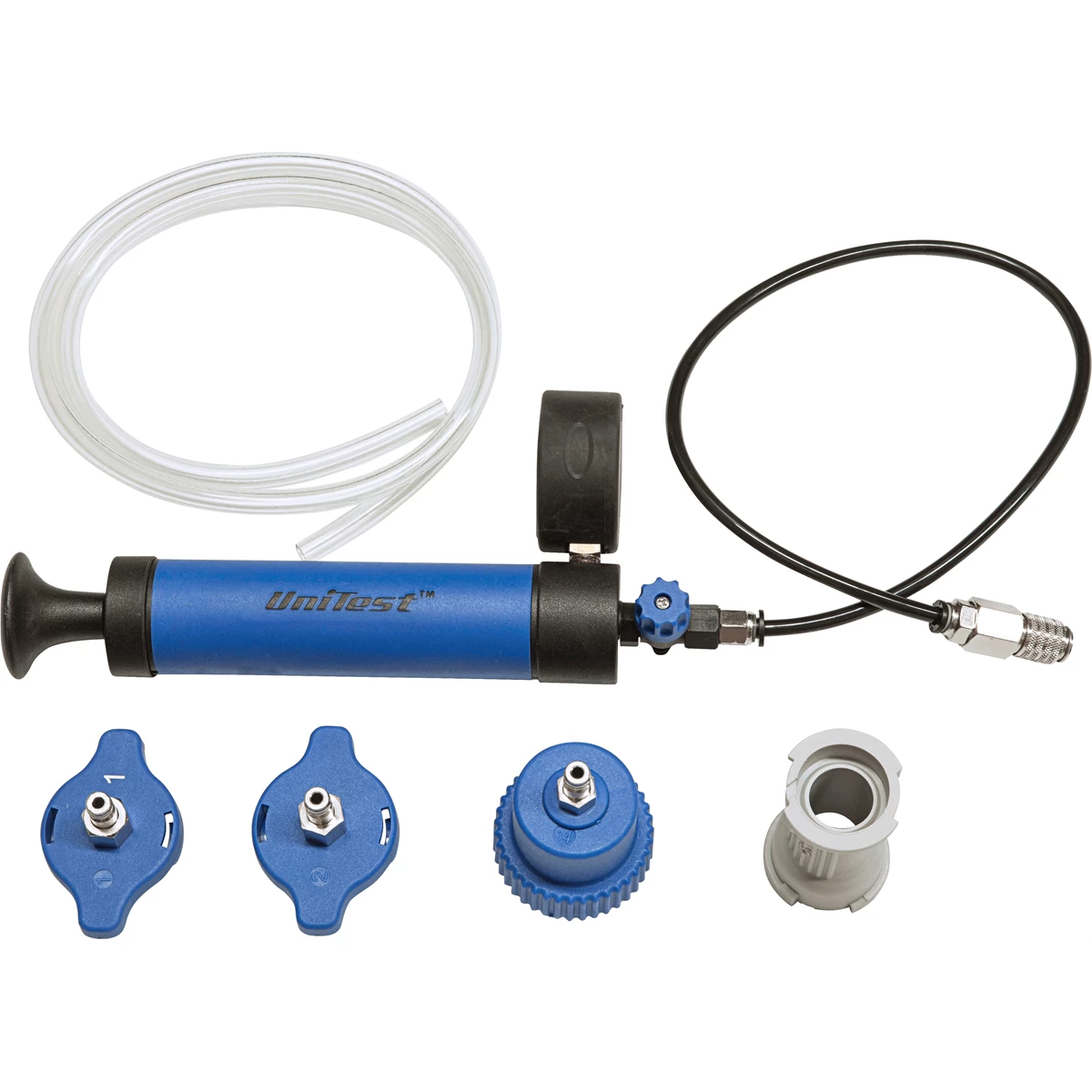
OE Toyota\/Lexus Cooling System Pressure Test Kit
Mfg: Private Brand Tools
Part #: 71510
ID: 238768
Essential Thermostat Tools & Parts
Your DIY thermostat replacement is just the beginning. Explore our complete selection of automotive cooling system tools and replacement components to keep your vehicle running at optimal temperature. From diagnostic equipment to replacement parts, we have everything you need for professional-grade results.
- Digital Multimeters & Diagnostic Tools – Accurately test electrical connections and sensor readings for precise thermostat diagnostics
- Socket Sets & Wrenches – Complete tool kits specifically sized for thermostat housing bolts and cooling system components
- Coolant Flush Kits & Drain Pans – Professional-grade equipment for safe coolant management during thermostat replacement
For the tools in this guide, browse Coolant Pressure Testers at Tool Source.

The Toolsource Technical Team blends decades of real-world automotive service experience with up-to-date technical research. Our writers collaborate with professional mechanics, shop owners, and diagnostic specialists to deliver practical, workshop-ready guidance you can trust.


Follow us on social media