

Milwaukee Electric Tools 48-22-5201
Your Price:
List Price: $54.235% off



Stanley Proto Industrial Tools 34-790
Your Price:





Stanley Proto Industrial Tools 33-312
Your Price:




Milwaukee Electric Tools MLBXS1648
Your Price:
List Price: $218.332% off

Stanley Proto Industrial Tools 33-716
Your Price: $26.94


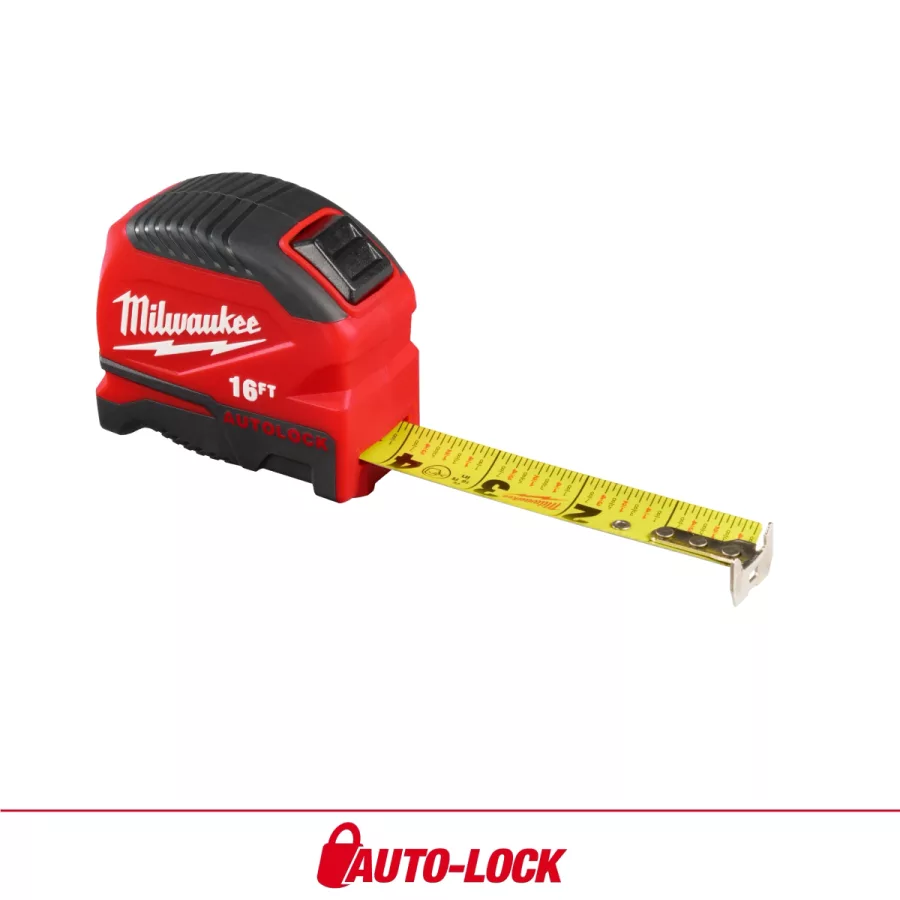
Milwaukee Electric Tools 48-22-1816
Your Price:
List Price: $20.7922% off


Milwaukee Electric Tools 48-22-5302
Your Price:
List Price: $29.340% off


Milwaukee Electric Tools 48-22-1825
Your Price:
List Price: $24.9920% off


Stanley Proto Industrial Tools 33-725
Your Price: $29.79


Milwaukee Electric Tools 48-22-0428
Your Price:
List Price: $4921% off

Stanley Proto Industrial Tools 33-215
Your Price:


Milwaukee Electric Tools 48-22-5303
Your Price:
List Price: $46.7525% off


Milwaukee Electric Tools 48-22-1235
Your Price:
List Price: $49.9923% off






















Follow us on social media