

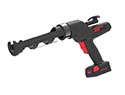
J.H. Williams JHWHSB-1.5A
Your Price: $53.46
List Price: $83.536% off



J.H. Williams JHWHSB-3.8A
Your Price:
List Price: $224.542% off












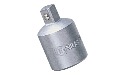
Titan 63420
Your Price: $29.23
List Price: $54.9947% off


J.H. Williams SHF-12SA-TH
Your Price:
List Price: $31441% off

J.H. Williams SHF-4SA-TH
Your Price:
List Price: $249.541% off




Bahco NS512-400-FB
Your Price:
List Price: $124.551% off
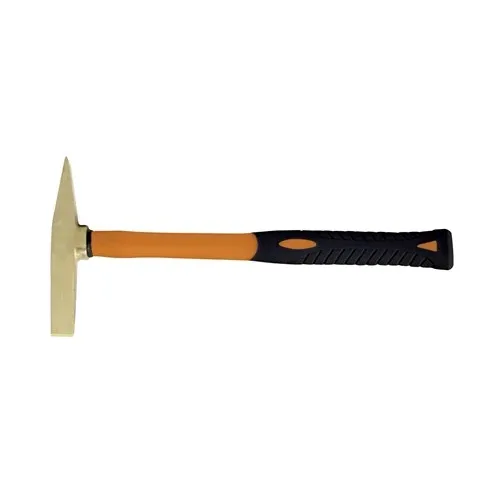
Bahco NS512-600-FB
Your Price:
List Price: $186.552% off
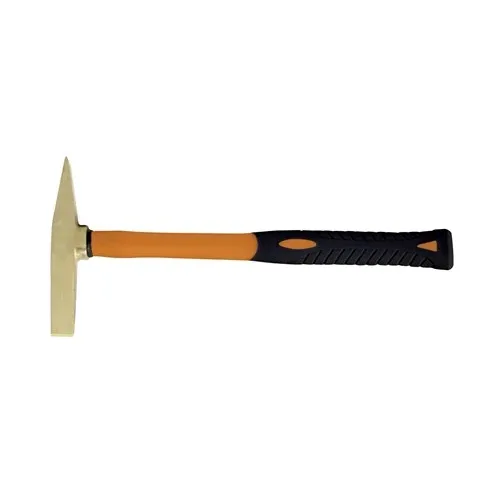
Bahco NS512-900-FB
Your Price:
List Price: $28054% off
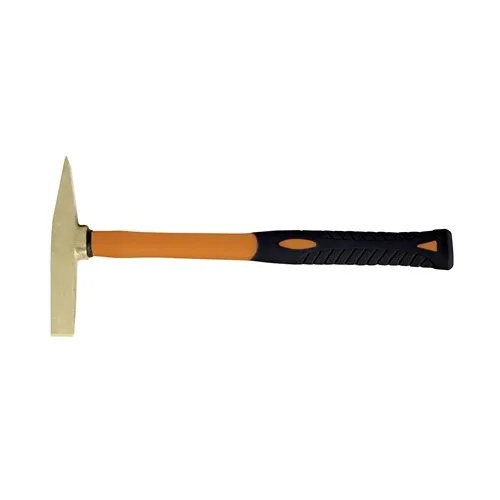
Bahco NS512-200-FB
Your Price:
List Price: $69.2551% off

Bahco NSB011-2528
Your Price:
List Price: $30354% off

Bahco NSB011-0809
Your Price:
List Price: $5450% off

Bahco NS504-1000-FB
Your Price:
List Price: $17452% off

Bahco NS504-2000-FB
Your Price:
List Price: $34654% off



















Follow us on social media