Levels
A level shows whether a surface is level (horizontal) or plumb (vertical). A bubble in a curved, liquid-filled vial settles between two marks when the level is true. Shops use levels when installing lifts, benches, cabinets and equipment, checking machine bases and setting up fixtures, and maintenance crews, fabricators and contractors use them for layout and installation work.
Choosing the right type
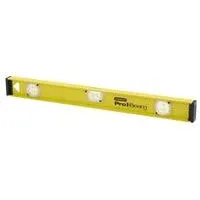
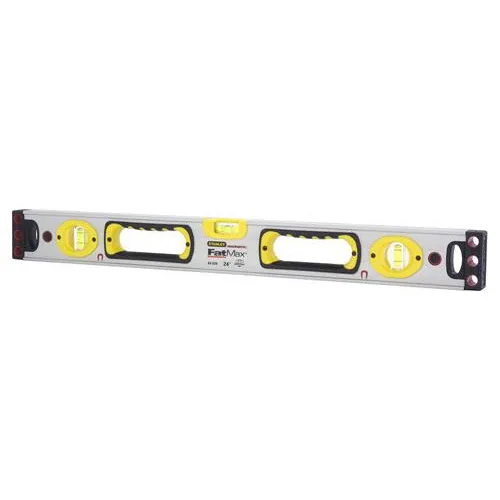
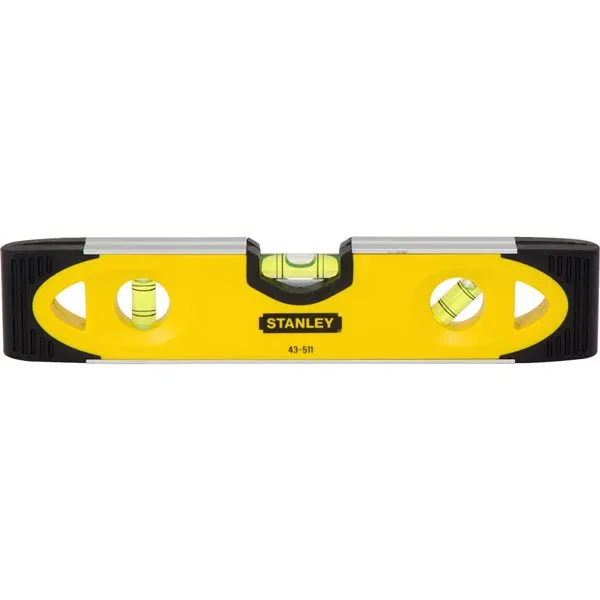
Torpedo levels are short and fit in a pocket or tool box, which makes them handy for brackets, pipe and small parts. Magnetic versions cling to steel so both hands stay free while you adjust the work. I-beam levels have a stiff beam-shaped frame and come in long lengths for spanning benches, frames and floors, where a longer level averages out small bumps in the surface. Mason levels are long, light levels made for block and brick work.
Using a level
Set the level on a clean surface and read the vial straight on, not from an angle. To check a level, take a reading, turn it end for end on the same spot and read again; a true level shows the same result both ways. Store levels where they will not be dropped or bent, since a knock can throw a vial out of true.
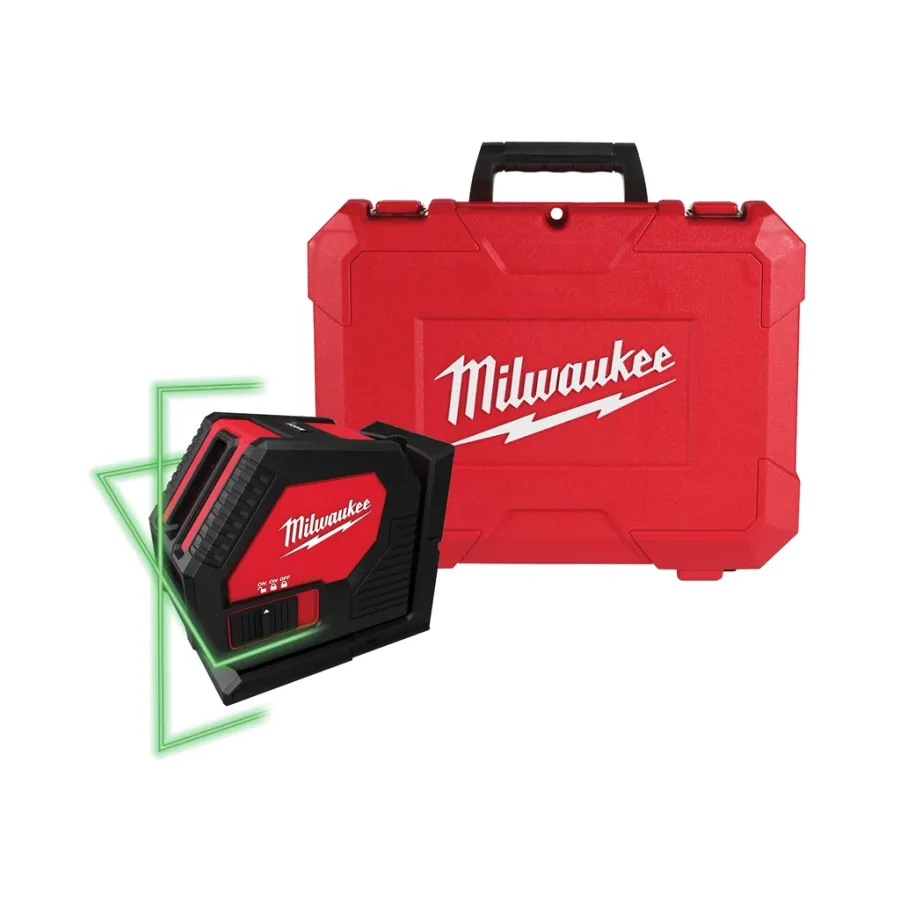
Brands here include Milwaukee, Proto, Bahco, DeWALT, Irwin and General. Other layout tools such as Squares, Angle Finders and Tape Measures are in the Measurement Tools and Inspection section.












































Follow us on social media