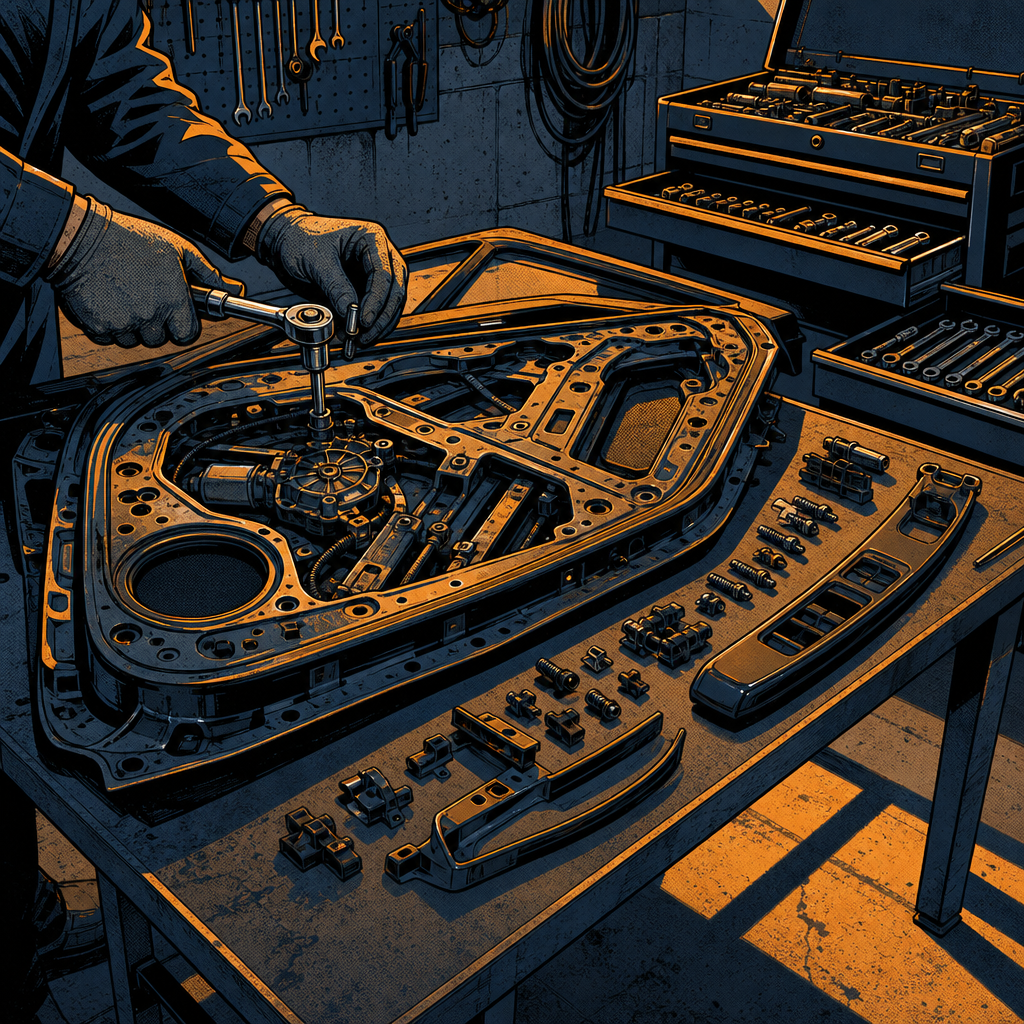
Walking into a body shop expecting a simple visual estimate and discovering your vehicle has been completely disassembled without your consent is more common than most vehicle owners realize. This practice, often employed by shops seeking to lock in repair work, can leave you facing mounting storage fees, delayed repairs, and a car that’s no longer drivable. Understanding your rights and the proper steps to take can mean the difference between a quick resolution and weeks of your vehicle sitting in pieces while charges accumulate. Whether you’re dealing with a direct repair program (DRP) shop or an independent facility, knowing how to navigate this situation protects both your vehicle and your wallet.
Understanding Why Shops Disassemble Without Authorization
The practice of unauthorized disassembly typically stems from a shop’s business model rather than repair necessity. Some collision repair facilities, particularly those struggling to attract work based on reputation alone, use teardown as a strategy to make vehicle retrieval inconvenient enough that owners simply leave the car and authorize repairs. Once your vehicle is in pieces, the psychological and logistical barriers to moving it elsewhere increase significantly.
Modern vehicles do require extensive disassembly for accurate damage assessment—this much is true. Today’s cars feature complex integrated systems where cosmetic damage often masks structural or electrical issues that only become apparent during teardown. However, legitimate shops communicate this need upfront and obtain written authorization before removing a single bolt. The key distinction is consent. When you specifically request a visual-only estimate—often to determine whether to file an insurance claim or pay out of pocket—shops have no right to proceed beyond that scope without contacting you first.
Some DRP shops operate under agreements with insurance carriers that require full teardown before estimate submission. State Farm, for example, mandates this from their preferred shops. While these requirements exist, they don’t override your right to informed consent. A shop should explain their teardown requirements before you leave the vehicle, not surprise you with a disassembled car days later. Predatory shops bank on the assumption that customers won’t push back once disassembly is complete, turning your vehicle into leverage for securing the repair contract.
Your Legal Rights When a Shop Holds Your Vehicle
Vehicle ownership grants you clear legal rights that don’t evaporate when a shop has your car. No facility can legally hold your vehicle hostage simply because they’ve disassembled it without authorization. If you didn’t sign a work order authorizing teardown, the shop performed work you didn’t request—they assumed the risk of that decision. The claim that your car is “not drivable” and therefore can’t be released is a pressure tactic, not a legal barrier. Vehicles get towed every day, and your right to retrieve your property via tow truck remains intact regardless of the car’s mechanical state.
When a shop refuses to release your vehicle, you’re dealing with a potential violation of consumer protection laws and, in some jurisdictions, unlawful detention of property. The storage fees they may threaten you with don’t strengthen their legal position—in fact, if they’re holding the vehicle without authorization, those fees may not be legally enforceable. This is particularly true if the shop never obtained your signature on a repair order or storage agreement. The moment you request vehicle release, any continued holding exposes them to liability.
For leased vehicles, you have additional protections. Lease agreements typically require OEM parts and certified repair processes, which means you have legitimate grounds to insist on a certified collision repair center (CCRC) for your vehicle’s make. If a non-certified shop has disassembled your leased BMW, Mercedes, or other premium vehicle without authorization, your lease terms actually support your decision to have it towed to a certified facility. The original shop has no legal standing to prevent this transfer.

Immediate Steps to Retrieve Your Disassembled Vehicle
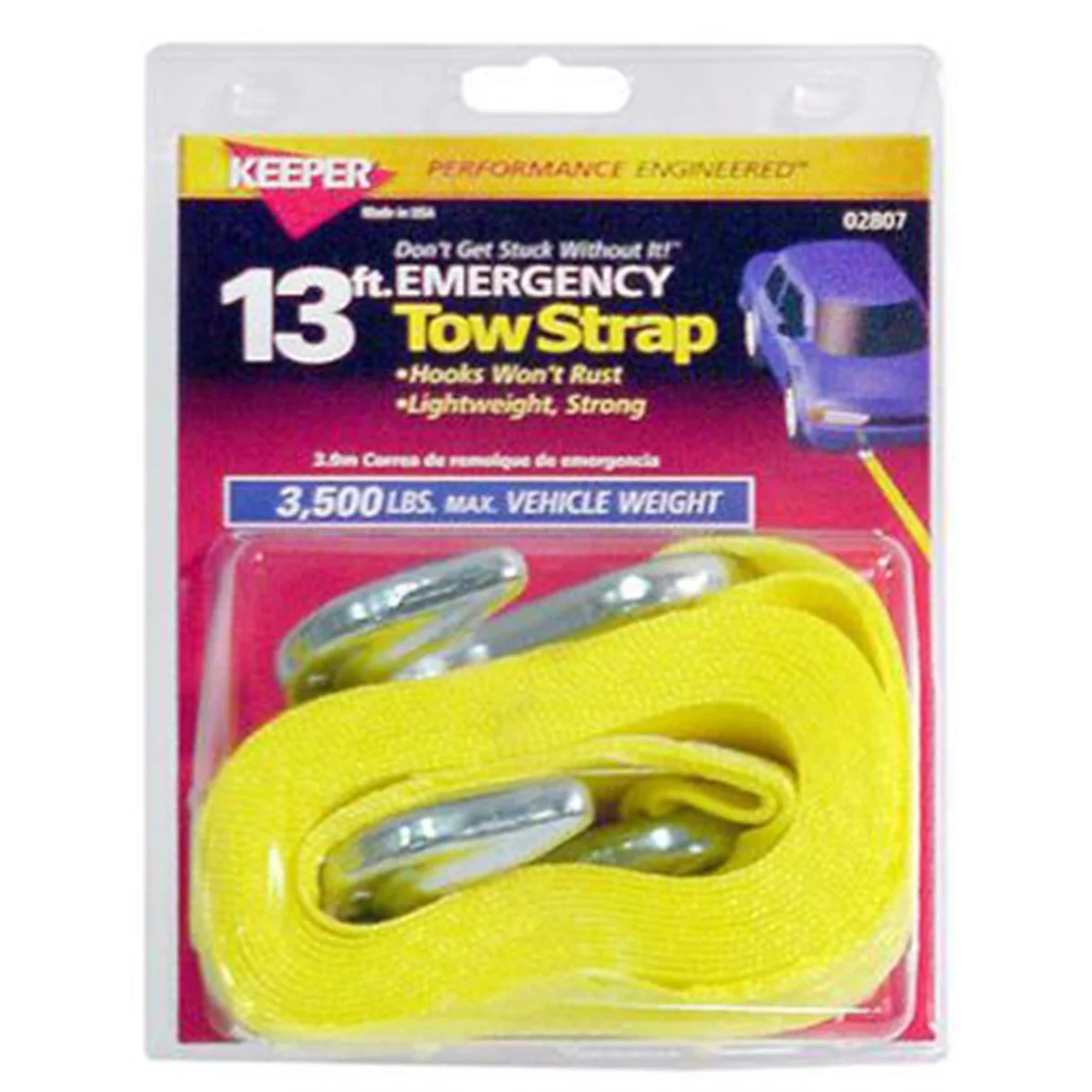
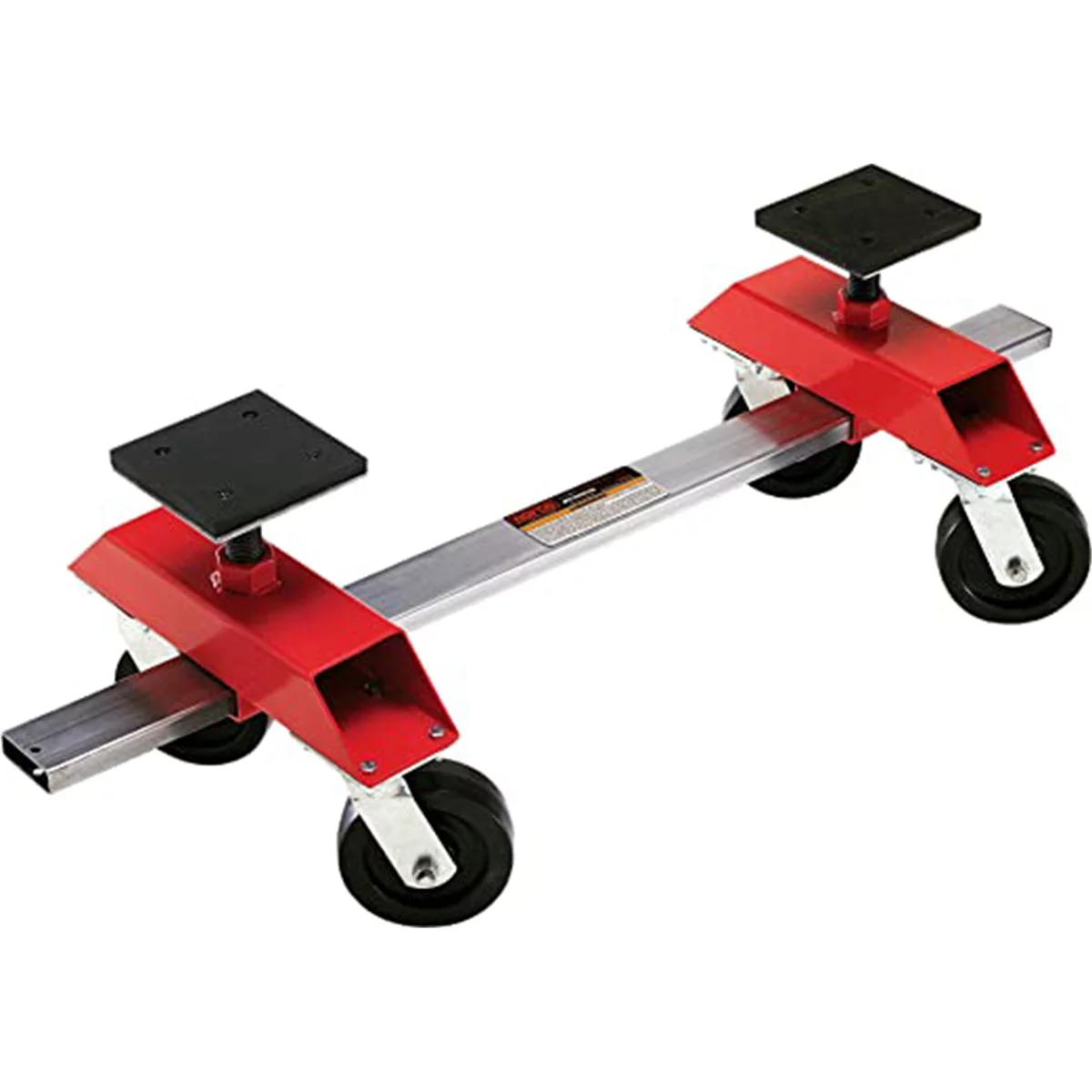
Time is your enemy when dealing with an unscrupulous shop. Every day your vehicle sits generates potential storage fees and strengthens the shop’s negotiating position. Your first action should be to contact a reputable towing service—preferably one experienced in transporting partially disassembled vehicles. Call the shop only to inform them a tow truck is coming to retrieve your vehicle. This isn’t a negotiation; it’s a notification. Keep the conversation brief and professional, avoiding lengthy explanations or arguments that accomplish nothing.
Before the tow truck arrives, document everything. Take photos or video of any documentation you have, including the original estimate request, any text messages or emails with the shop, and your own notes about what was promised versus what occurred. If you haven’t signed any work authorization forms, make sure you have evidence of this. When the tow truck arrives, accompany it to the shop if possible. You’ll want to document the vehicle’s condition and, critically, ensure you receive all removed parts.
Insist on receiving every component the shop removed—bolts, clips, panels, lights, trim pieces, everything. Even damaged parts belong to you, and you’ll need them for the next shop to properly assess what’s required. Request that parts be labeled or bagged separately if possible, though don’t let the shop’s refusal to organize parts prevent you from taking the vehicle. If the shop pushes back or refuses to provide parts, document this refusal with photos and written notes, as it may constitute theft or conversion of your property. If they demand you sign a waiver stating the vehicle is unsafe to drive, you can add handwritten language indicating you’re being forced to sign to retrieve your property and that you’re having the vehicle professionally towed, not driving it.
If the shop absolutely refuses to release the vehicle despite your demands and the presence of a tow truck, you may need to involve law enforcement. While police are generally reluctant to intervene in civil disputes, a shop’s refusal to release your property without a signed work order crosses into potential criminal territory in many jurisdictions. Call the non-emergency police line, explain the situation calmly, and request an officer assist you in retrieving your property. The mere presence of law enforcement often resolves the situation immediately.
Working with Your Insurance Company and Certified Shops
If you’re dealing with an insurance claim, contact your adjuster immediately to explain the situation. Adjusters are familiar with predatory shop tactics and may have specific protocols for handling these disputes. Some insurance companies will actually prefer you move the vehicle to avoid the supplement games that certain shops play—the “oops, we finally started work and found more damage” routine that stretches repairs over weeks while rental and storage costs mount. Your insurer may even assist with towing costs to get the vehicle to a reputable facility.
For vehicles requiring specialized repairs—particularly luxury or European makes—contact the appropriate CCRC before you tow. Explain the situation to their service advisor or estimator. Many certified shops have encountered this scenario before and can provide guidance specific to your vehicle make. They can often coordinate with the original shop to retrieve the vehicle, and their professional reputation sometimes carries more weight than an individual owner’s demands. BMW, Mercedes-Benz, and other manufacturer CCRCs are accustomed to accepting vehicles from shops that got in over their heads, and they understand the parts tracking and documentation requirements to resume repairs properly.
Storage fees are sometimes cited by shops as a pressure point in total loss calculations, but this is largely a myth. Insurance companies calculate total loss based on repair costs versus actual cash value. Storage fees, when they exist, actually incentivize insurers toward repair rather than total loss, since storage charges typically begin accruing when a vehicle is declared totaled. Rental costs can factor into total loss decisions for third-party claims, but this depends heavily on policy specifics and whether rental is a separate coverage. Don’t let a shop convince you that mounting storage fees will force a total loss and therefore you should just authorize repairs—the math doesn’t work that way.
Documentation and Follow-Up Actions
Once you’ve retrieved your vehicle, your work isn’t finished. File a complaint with your state’s consumer protection agency or attorney general’s office. Most states regulate automotive repair facilities, and patterns of complaints can trigger investigations or license reviews. Include all documentation—photos, correspondence, timelines, and any costs you incurred for towing or alternative repairs due to the shop’s actions. These agencies may not recover your costs directly, but they create a paper trail that protects other consumers and may result in fines or corrective action against the shop.
Consider reporting the incident to the Better Business Bureau and leaving detailed reviews on Google, Yelp, and automotive-specific platforms. While some dismiss BBB as toothless, many shops care deeply about their ratings, and your review may prompt a resolution attempt. More importantly, you’ll warn other consumers about the shop’s practices. When writing reviews, stick to facts and avoid emotional language or unverifiable claims—this makes your review more credible and harder to challenge or remove.
If you’ve incurred significant costs—towing fees, rental car expenses because the shop delayed your repairs, or higher repair costs at a second shop due to missing or damaged parts—consider consulting an attorney. Many consumer protection attorneys work on contingency or offer free consultations. While you might not pursue litigation over a few hundred dollars, the threat of legal action through a demand letter can sometimes result in the shop reimbursing your costs to avoid court. Small claims court is also an option for damages up to your state’s limit, typically between $5,000 and $10,000, without requiring an attorney.
Keep all receipts related to the incident: towing bills, rental car costs, any diagnostic fees charged by the second shop to assess the disassembled vehicle, and even mileage if you had to make multiple trips to deal with the situation. These documented damages strengthen any complaint, review, or legal action. If the original shop provided you with any written estimates or reports, save those as well—they establish the baseline of work and demonstrate what was or wasn’t authorized.
Prevention: Protecting Yourself Before Leaving Your Vehicle
The best defense against unauthorized disassembly is clear communication and documentation before you leave your vehicle anywhere. When requesting a visual estimate, put this in writing—either in an email, text message, or on any drop-off form the shop provides. Use specific language: “visual damage assessment only, no disassembly authorized without my written consent.” If you’re dropping the vehicle off in person, have this conversation with the service advisor and note their name and the date.
Never leave a vehicle without understanding what you’re authorizing. If a shop wants you to sign a work order, read it completely before signing. If it grants blanket authorization for repairs or teardown, cross out those sections, initial the changes, and add language limiting their work to assessment only. If the shop refuses to accept your modified work order, that’s a red flag—take your vehicle elsewhere. Legitimate shops understand that building trust requires respecting boundaries, especially on first visits.
Research shops before you visit. Check online reviews, but look for patterns in complaints rather than isolated incidents. A shop with multiple reviews mentioning unauthorized work, surprise fees, or difficulty retrieving vehicles should be avoided regardless of how many five-star reviews exist. Ask your insurance company for recommendations, but remember you’re not required to use their preferred shops. Independent reviews and recommendations from trusted mechanics or technicians often lead to better shops than DRP networks.
For luxury or specialized vehicles, start with manufacturer-certified shops. While they may be more expensive for simple repairs, certification programs require adherence to standards that protect consumers from many predatory practices. Certified shops have more to lose—including their certification—from consumer complaints, which incentivizes proper business practices. If a certified shop disassembles without authorization, escalate to the manufacturer’s customer service in addition to other remedies; manufacturers take certification violations seriously.
Quick Reference Checklist: Unauthorized Disassembly Response
- Contact towing service immediately—don’t delay or negotiate extensively with shop
- Document everything: take photos, save all correspondence, note dates and names
- Inform shop that tow truck is coming to retrieve vehicle—keep conversation brief
- Collect all removed parts, bolts, and components—document any shop refusal to provide parts
- Add handwritten language to any waivers before signing; never sign blank forms
- Contact police non-emergency line if shop refuses to release vehicle
- Notify insurance adjuster of the situation immediately
- Save all receipts: towing, rental car, diagnostic fees, travel costs
- File complaints with state consumer protection agency and attorney general
- Leave detailed factual reviews to warn other consumers
- Consult attorney if costs are significant or shop behavior was egregious

Frequently Asked Questions
Can a shop legally refuse to release my car if they’ve disassembled it?
No. If you didn’t authorize disassembly through a signed work order, the shop has no legal right to hold your vehicle. You can have it towed regardless of its mechanical state. Any attempt to hold your vehicle without authorization may constitute unlawful detention of property.
Am I responsible for storage fees if the shop disassembled without my permission?
Generally no, though this depends on state law and what you signed. If you never authorized work and the shop proceeded anyway, storage fees resulting from their unauthorized actions are typically not enforceable. Document that you requested return of the vehicle promptly to strengthen your position.
What if I already signed something when dropping off the car?
Review what you signed. If it was a simple drop-off form or a work order specifically limited to visual assessment, you likely didn’t authorize teardown. If you signed a blanket authorization for repairs, your position is weaker but not hopeless—you can still argue the shop should have contacted you before extensive disassembly. Retrieve the vehicle and consult an attorney if costs are significant.
Will moving my car to another shop void my insurance claim?
No. Insurance policies don’t require you to use specific shops, including DRP facilities. You have the right to choose where your vehicle is repaired. Notify your adjuster of the change, provide the new shop’s information, and ensure the new facility coordinates with your insurer. Your claim remains valid regardless of shop changes.
How do I ensure I get all the parts the shop removed?
Request all parts in writing or via text message before the tow truck arrives. When picking up the vehicle, do a visual inventory and note any missing components. If possible, take video showing what you’re receiving. If parts are missing, document this immediately and include it in any complaints you file. Missing parts may constitute theft of your property.
Should I contact a lawyer immediately?
For most cases, start with vehicle retrieval via tow truck and filing complaints with consumer protection agencies. Consult an attorney if the shop refuses to release your vehicle despite police involvement, if you’ve incurred significant financial damages, or if missing parts mean your vehicle can’t be properly repaired. Many attorneys offer free consultations for consumer protection issues.
Paint & Body Repair Tools
Retrieving your vehicle is only the first step—once you have it back, you’ll need the right tools and materials to assess damage and coordinate repairs. Our Paint & Body category includes everything from diagnostic equipment to prep materials that body shops rely on.
- Damage assessment and diagnostic tools
- Surface preparation and repair supplies
- Paint application and finishing equipment

The Toolsource Technical Team blends decades of real-world automotive service experience with up-to-date technical research. Our writers collaborate with professional mechanics, shop owners, and diagnostic specialists to deliver practical, workshop-ready guidance you can trust.


Follow us on social media