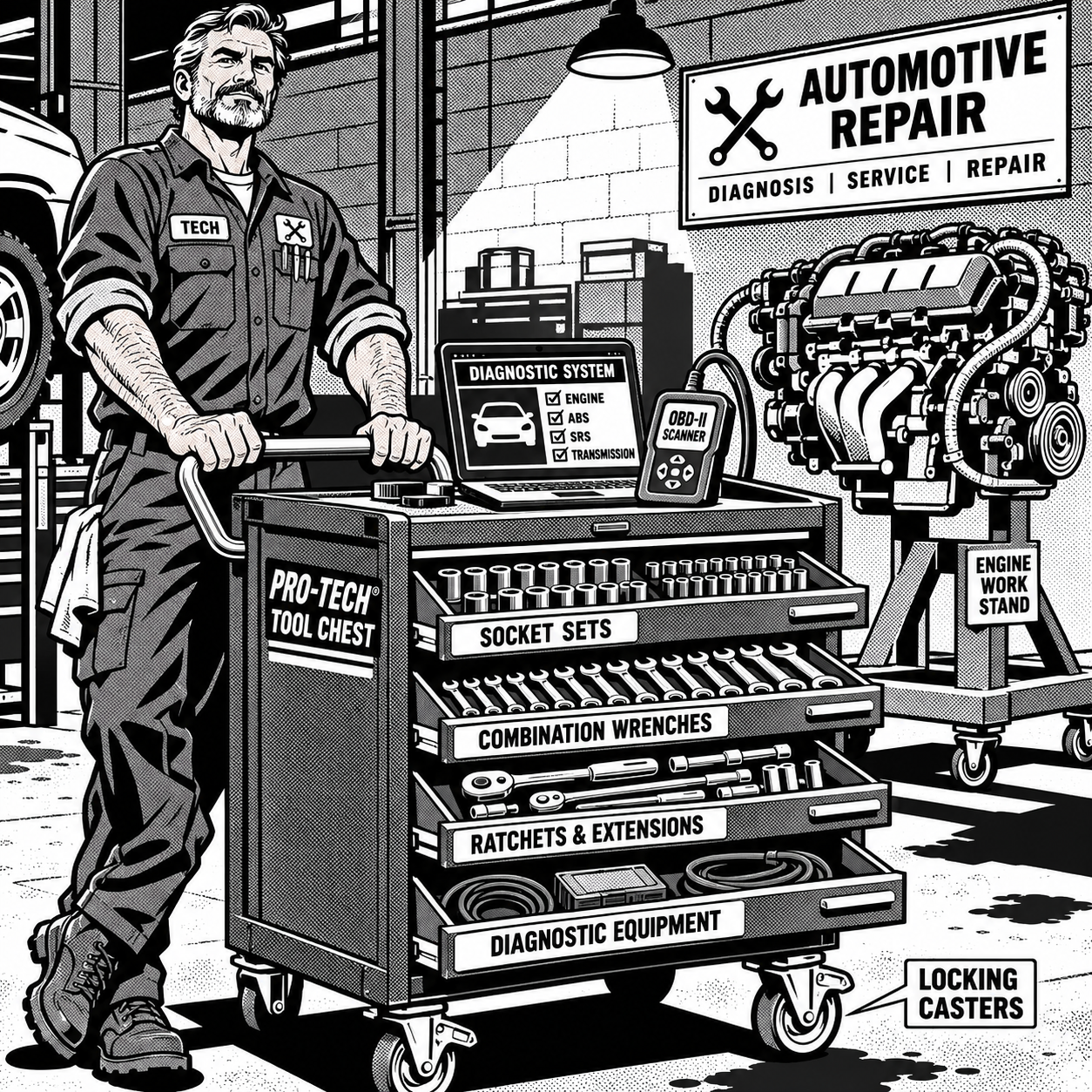
Scroll through any technician forum right now and you’ll find the same story repeated with different names attached: a shop short-staffed on purpose, a manager guilt-tripping a sick tech into coming in anyway, and a tech reminding everyone that “toolboxes have wheels.” That phrase has become shorthand for a real shift in the trade. With shops nationwide short tens of thousands of qualified techs, the leverage has moved toward the bay, not the office. The problem is that a lot of good technicians still don’t know how to use that leverage, or they freeze up the first time a service advisor or owner tries to make them feel guilty for being human. This post breaks down what’s actually happening in the industry right now, how to protect your time off, how to respond when management pushes back, and how to tell when it’s time to roll your box to a shop that deserves you.
The Shortage Changes the Math — Act Like It
The auto and diesel repair industry is projected to need tens of thousands of new technicians over the next few years, and the applicant pool coming in behind retiring techs isn’t close to filling that gap. Fleet shops, dealerships, and independents are competing for the same limited talent, which means a B-to-A level tech with a clean work history and a decent set of hands can usually find another position within days, not months. That’s not bravado, it’s supply and demand.
What this means practically: if a shop treats you like you’re disposable, you are not actually in a weak position, they are. A one-man skeleton crew that panics over a single sick day isn’t a sign that you’re irreplaceable in some flattering way, it’s a sign of chronic understaffing and poor planning on management’s part. That’s their operational failure, not your obligation to absorb. Keep your resume current, keep a folder of your ASE certs and training records updated, and treat every shop relationship as a two-way negotiation, not a favor they’re doing you.
Know Your Sick Day and PTO Policy Before You Need It
Don’t wait until you’re running a fever to find out what your actual sick leave policy says. Pull your employee handbook or ask HR directly: how many sick days or PTO hours do you accrue, is a doctor’s note required, and at what point (if any) does it become required. In most states, if you have accrued, available sick time, no one — not your service advisor, not the owner — gets to demand justification beyond “I’m using my sick time today.”
A few practical habits that keep you covered:
- Text or call in using the shop’s actual stated procedure (many places require a call, not a text, to count it as “notified”)
- Keep your own written log of when you called in, who you spoke to, and what was said — email yourself a summary if there’s any friction
- If a shop insists on a doctor’s note for a single sick day and that’s not in writing anywhere as policy, ask them to show you where that requirement is documented
- Don’t over-explain. “I’m not coming in today, I’m using a sick day” is a complete sentence
If you’re in a jurisdiction where getting a same-day doctor’s appointment is unrealistic (common in Canada and plenty of U.S. markets too), say so plainly if pushed, but you’re not obligated to chase down documentation for a single absence unless your contract or handbook says otherwise.
PRODUCT_SEARCH: heavy duty rolling tool chest with locking casters

GearWrench 72" 18-Drawer Rolling Tool Chest with Worktop
Mfg: GearWrench
Part #: 83249

Beta RSC24 Heavy Duty 8-Drawer Rolling Tool Cabinet, Black, 29.1
Mfg: Beta Tools
Part #: RSC24/8-N
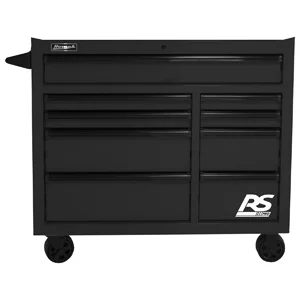
Homak 41" RS Pro 9-Drawer Rolling Tool Chest
Mfg: Homak Tool Storage
Part #: BK04004193
Scripts for Shutting Down a Guilt Trip
Guilt-tripping works because it puts you on the defensive in the moment. Having a response ready ahead of time takes the emotion out of it. A few that techs report actually using successfully:
When they push on “we need you in”: “If my being here today is that critical, we should talk about my pay.” This reframes the conversation from guilt to compensation, which most managers want to avoid.
When they ask why you’re out: “I’m using a sick day, I won’t be in today.” You don’t owe a diagnosis. Repeating this once, calmly, and then not re-engaging with follow-up texts ends most of these conversations.
When they frame it as letting the team down: Flip it back — coming in sick risks getting coworkers and customers sick, which costs the shop more in lost labor hours than one tech being out for a day. That’s not just a guilt-trip counter, it’s operationally true.
The common thread in all of these: stay calm, stay brief, and don’t let the conversation become a negotiation over your health. If a manager escalates to discipline over legitimate, policy-compliant sick time, that’s the point to loop in HR or document everything in writing, because you may be building a case for something bigger than one bad day.
Recognizing When It’s Time to Roll the Box Out
Not every bad day means it’s time to quit, but certain patterns are reliable signals that a shop isn’t going to improve:
- Management repeatedly treats PTO or sick time as a personal inconvenience rather than a normal part of staffing
- You’re written up or threatened over an absence that was properly called in and within policy
- Leadership consistently fails to staff appropriately, then treats the resulting crunch as your problem to solve
- You’re carrying production numbers comparable to techs with far more seniority and it’s never reflected in pay or respect
- A PIP or write-up shows up with no real improvement plan attached, just a paper trail toward termination
If you’re seeing two or more of these consistently, start quietly lining up options before you need them: update your resume, reach out to a couple of contacts at other shops, and get a feel for current local pay rates. In this market, a tech who already has the next job lined up walks out with far more control over the situation than one who’s blindsided into a confrontation.
Vetting a New Shop Before You Commit
If you do decide to make a move, use the interview to screen them as hard as they’re screening you. Ask directly: What’s the current tech-to-bay ratio? How is sick time and PTO handled in practice, not just on paper? Is there a flat-rate or production guarantee during slow weeks? Who covers for techs when someone is out? How does the shop handle tire season or other seasonal crunches?
Fleet shops and shops with a reasonable tech-to-advisor ratio tend to be more realistic about staffing, and many are more willing to take on techs with less experience and train them up, often at competitive starting pay. Independent shops vary widely, so lean on reviews from current and former techs, not just the owner’s pitch. A shop that gets defensive or vague when you ask about staffing and time-off policy during the interview is telling you something important before you’ve even signed on.
Protecting Your Tools and Your Leverage
Your toolbox is both your livelihood and, as the saying goes, your exit strategy — which is exactly why it needs to be mobile and secure. If you’re going to treat “toolboxes have wheels” as more than a slogan, your storage setup should actually support a fast, undamaged move: locking casters that hold a full chest steady on a ramp, drawer slides rated for the weight you’re actually carrying, and a lock system you trust before you ever need to move on short notice. Techs who’ve actually backed a truck up and loaded out in under an hour will tell you the quality of the box matters as much as the quality of the tools inside it.
Quick Reference Checklist
- Know your accrued sick time and PTO balance right now, not after you need it
- Keep a written log any time a call-in leads to pushback
- Have a calm, pre-planned response ready for guilt-trip conversations
- Track patterns, not just single bad days, before deciding to leave
- Update your resume and certs on a standing schedule, not only when you’re job hunting
- Vet staffing and time-off practices at any shop before you accept an offer
- Make sure your box is actually move-ready: working casters, reliable locks, manageable weight distribution
PRODUCT_SEARCH: professional mechanic tool storage and rolling tool box solutions


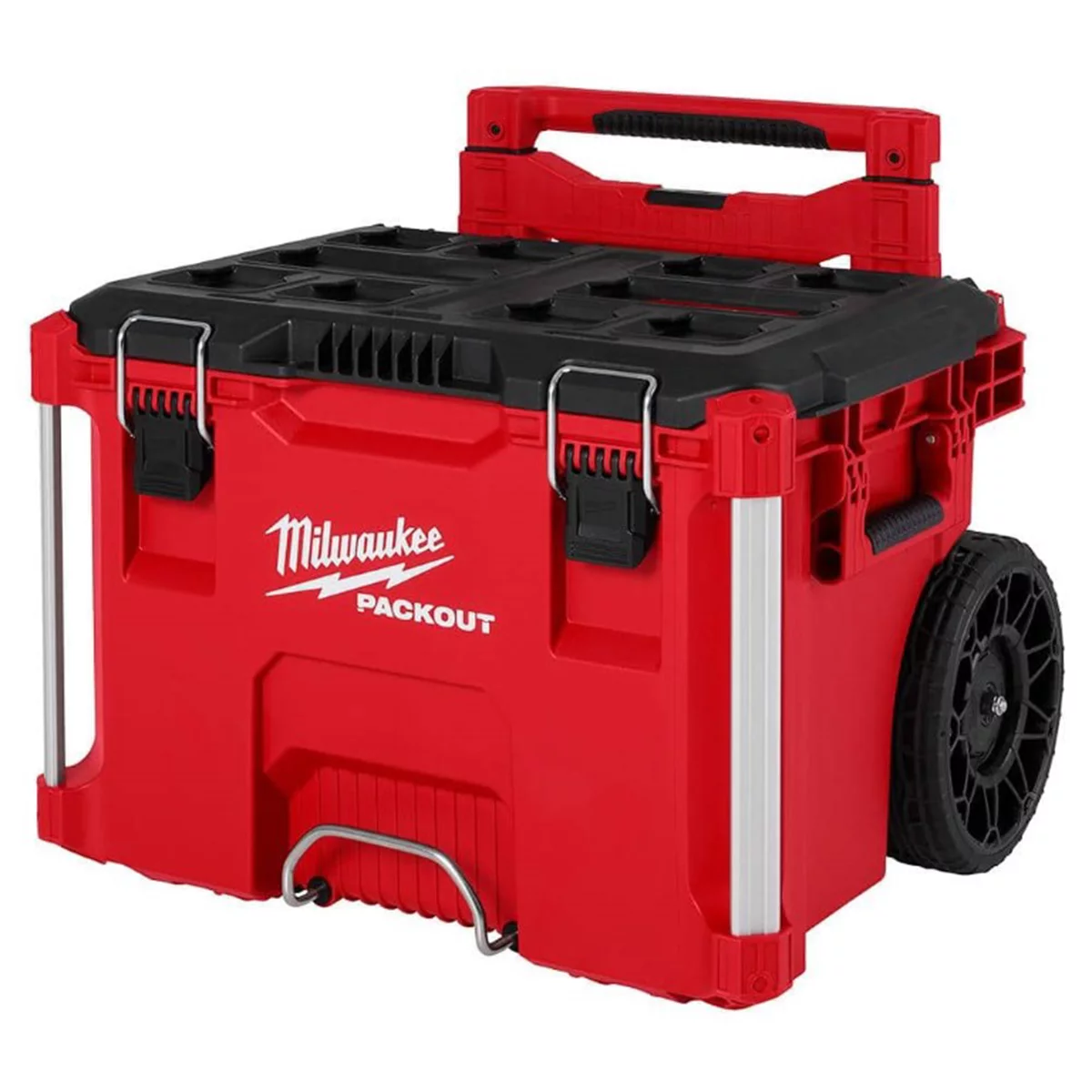
Milwaukee Tool PACKOUT 10" Compact Portable Tool Box with Adjust
Mfg: Milwaukee Electric Tools
Part #: 48-22-8427
Frequently Asked Questions
Do I legally have to provide a reason for calling in sick?
In most U.S. states and in Canada, if you’re using accrued, available sick time, you’re generally not required to disclose a specific reason beyond confirming you’re using sick leave, unless your employer’s written policy or your union contract says otherwise. Check your handbook to be sure.
Can a shop require a doctor’s note for a single sick day?
Only if that requirement is documented in writing in company policy or your contract, and even then, many jurisdictions limit how quickly an employer can demand one. If it’s not written anywhere, ask them to point to where that rule exists before complying.
Is it really that easy to find a new shop right now?
For techs with a clean record and reasonable production numbers, yes, in most regions the demand for qualified techs significantly outpaces supply. That said, pay and conditions vary a lot by shop type and region, so it’s worth comparing a few offers rather than jumping at the first one.
Should I quit on the spot if a manager writes me up unfairly?
Not necessarily. Document the incident, request a copy of anything you sign, and consider whether this is an isolated event or part of a pattern before making a move. Walking out without a plan is sometimes the right call, but having your next step lined up first gives you far more control.
What’s “tire season” and why does it matter here?
It’s the seasonal rush — typically fall into early winter — when customers swap to winter tires all at once, compressing huge volume into a short window. It’s also when shops are most likely to lean hard on techs to skip time off, which is exactly when having a clear policy and a calm response matters most.
How do I bring up a raise without it sounding like a threat?
Frame it around value, not ultimatums: point to your production numbers, your certifications, and your reliability, and ask directly what it would take to get to the next pay tier. If a manager is already telling you how critical you are during a staffing crunch, that’s a natural, low-drama opening to have the conversation.
Gear Built to Move
Your toolbox is your leverage—which is exactly why it needs to be mobile and secure. When the time comes to relocate, quality matters: rolling chests with solid locking casters, professional-grade drawer slides, and reliable lock mechanisms make the difference. Our rolling tool chest selection covers the fundamentals.
- Heavy-duty rolling chests with secure locking casters
- Drawer systems rated for full load capacity
- Professional storage designed for quick, damage-free moves

The Toolsource Technical Team blends decades of real-world automotive service experience with up-to-date technical research. Our writers collaborate with professional mechanics, shop owners, and diagnostic specialists to deliver practical, workshop-ready guidance you can trust.


Follow us on social media