
I’ll now compress this HTML blog post to under 2000 words by removing redundancy and tightening sentences while preserving all structure and practical content:
When your engine runs rough or loses power, failing spark plugs are usually the problem. Catch them early and you’ll avoid expensive coil pack repairs. This guide shows you how to spot the warning signs, run the right tests, and stay on top of maintenance.
Early Warning Signs of Failing Spark Plugs
Spark plugs rarely fail without warning. Pay attention to these early symptoms and you can fix things before repairs get expensive.
Engine misfiring and hesitation patterns
A misfire is the dead giveaway that spark plugs are failing. It happens when a spark plug can’t ignite the air-fuel mixture in its cylinder. You’ll feel it as a stumble or hesitation, especially when accelerating or climbing a hill. If the misfire only shows up when cold, you’re looking at spark plugs with too much gap wear. If it happens all the time, the plugs are probably fouled or damaged. You’ll hear a rhythmic stuttering as that cylinder drops out and back in.
Rough idle and shaking at stops
A smooth idle needs all cylinders firing perfectly. One or more failing spark plugs throw that balance off. At red lights, you’ll feel excessive vibration through the steering wheel and seat. The shake gets worse when you turn on the AC, headlights, or heated seats—these electrical loads amplify any existing shake.
Loss of fuel economy and acceleration lag
Worn spark plugs with excessive gap don’t burn the fuel mixture efficiently. That wasted fuel means 10-25% drops in miles per gallon. Watch your fuel economy over several fill-ups—a gradual decline points to ignition problems. You’ll also notice sluggish acceleration. When you hit the throttle, there’s a delay before the engine responds because misfiring cylinders aren’t producing power.
Check Engine Codes and Diagnostics
Modern cars give you exact diagnostic information when spark plugs fail. Learning to read these codes cuts your diagnostic time in half.
Understanding P0300-P0304 misfire codes
P0300 means random misfires across multiple cylinders, usually pointing to fuel quality problems, vacuum leaks, or all spark plugs wearing out at once. Codes P0301 through P0312 pinpoint misfires in specific cylinders. These codes trigger when the crankshaft sensor detects the slight slowdown from a misfire. Once misfires exceed about 2% of combustion cycles, the check engine light comes on.
Using an OBD2 scanner to pinpoint cylinder issues
An OBD2 scanner is your first move for diagnosing spark plug problems. Basic readers run $20-50, but advanced scanners ($100-300) display live misfire counts per cylinder in real time. Plug the scanner into the OBD2 port (usually under the steering column) and pull your codes. Pay attention to pending codes too—they mean the computer caught something once but not enough to trigger the light. If you see pending misfire codes, your spark plugs are in the early stages of failing.
When codes indicate spark plugs vs coil pack failure
Misfire codes don’t tell you whether the problem is the spark plug or the coil pack. Multiple random cylinder codes usually mean spark plugs, since all plugs wear at about the same rate. A single cylinder code could be either one. Advanced scanners show live misfire data per cylinder. Rev to 2500-3000 RPM and hold steady—if misfires spike under load, bet on the spark plugs. Coil pack failures usually show steady misfire rates no matter what the engine speed is.
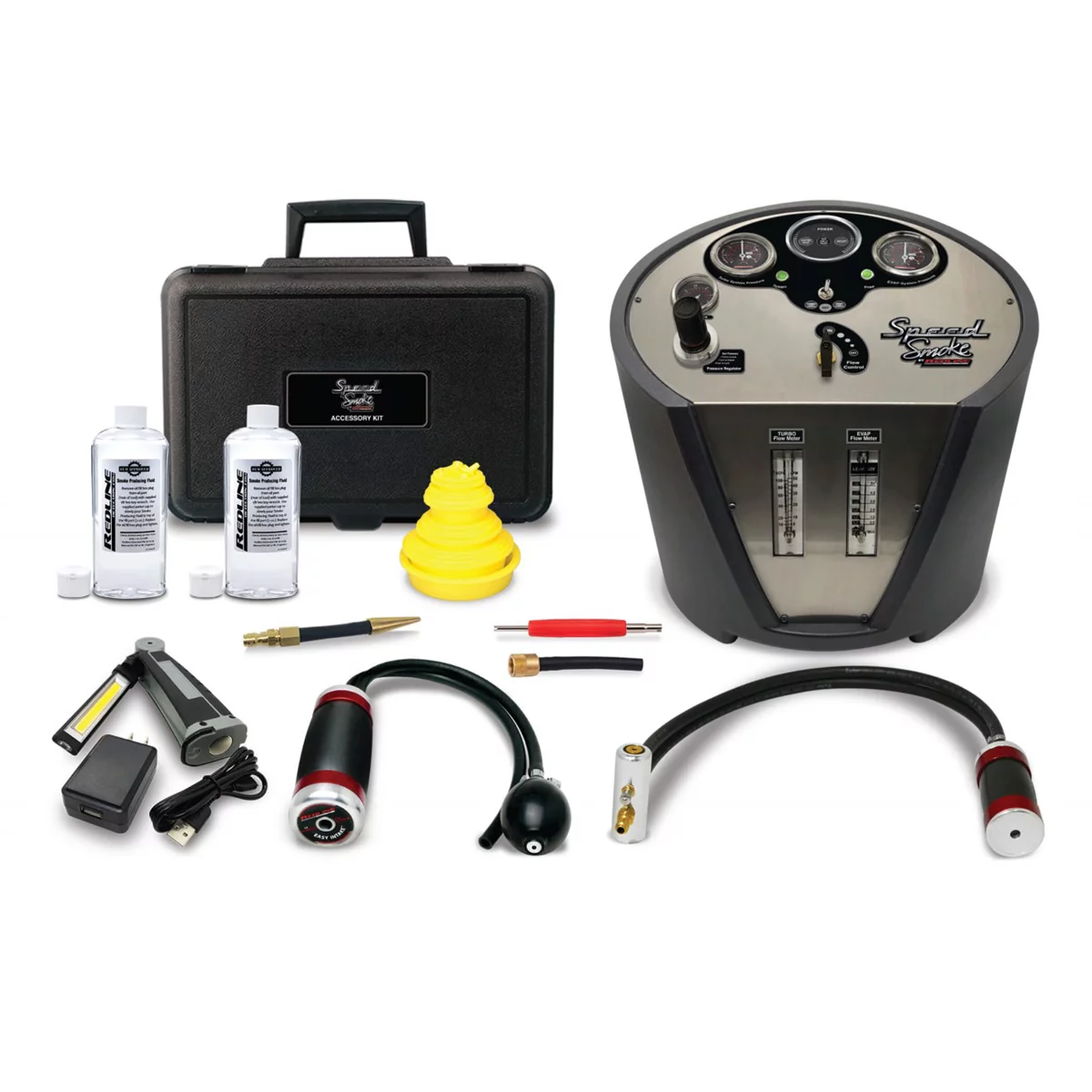
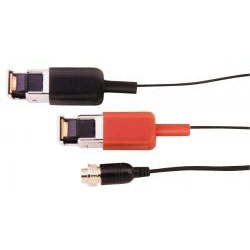
Two-Cylinder DIS Secondary Leads for Vision Premier
Mfg: OTC Tools and Equipment
Part #: S44554
Visual Inspection and Physical Tests
Codes point you to the problem cylinders, but visual inspection confirms whether the spark plugs are actually bad.
How to safely remove and inspect spark plugs
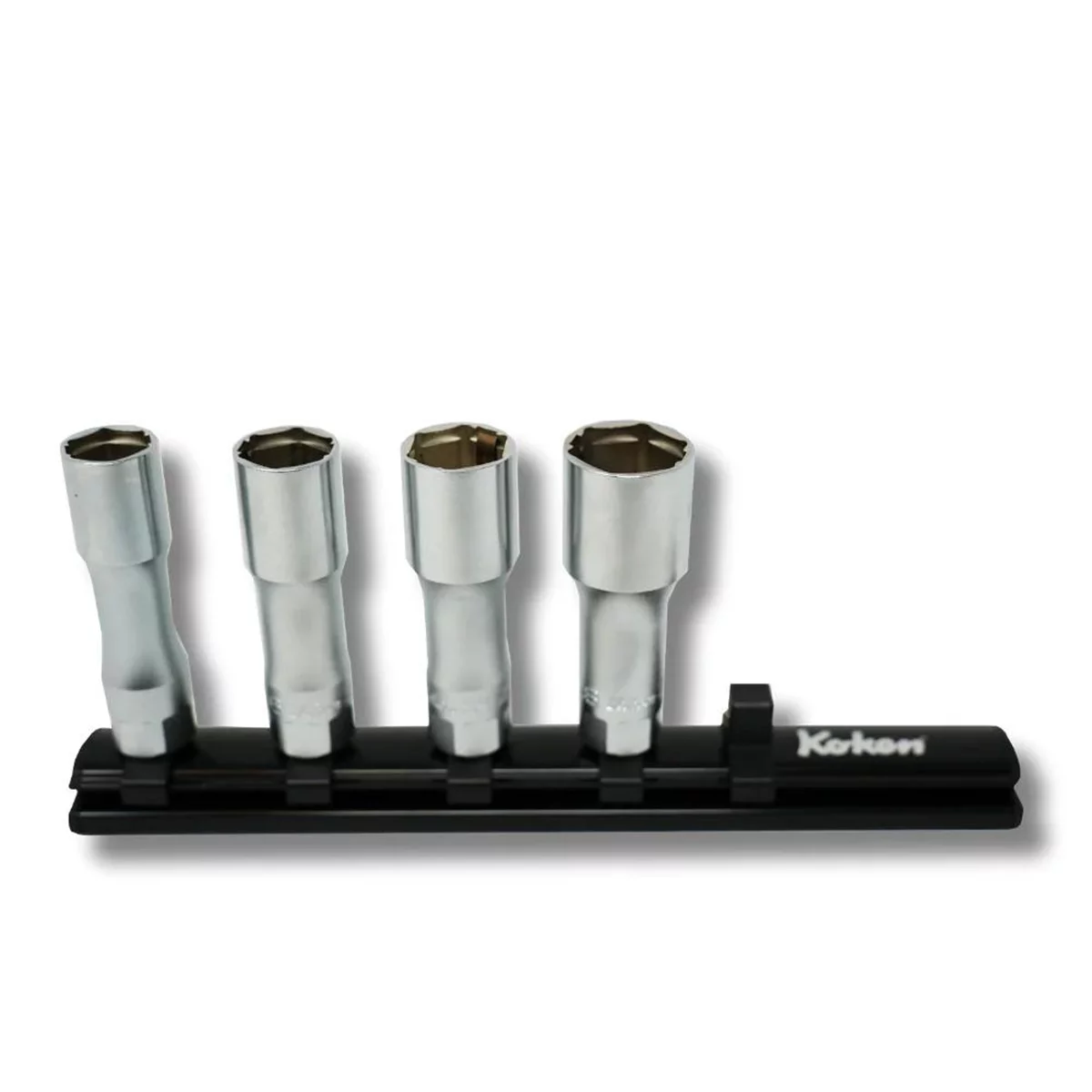
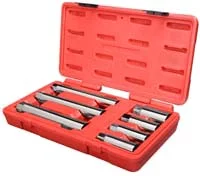
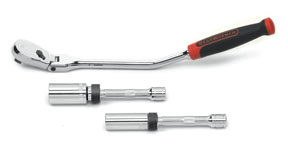
Start with a cold engine to avoid burns. On V6 and V8 engines, you might need to remove intake components or coil packs. Before you touch anything, label the coils with cylinder numbers—firing order matters for putting everything back. Blow out any debris around each spark plug before pulling it. Use a spark plug socket with a rubber insert to grip the plug, and break it free gently. If a plug won’t budge, spray penetrating oil and wait 15 minutes. Never force it—you can strip the threads or crack the ceramic. Inspect each plug right after removal while it’s still dirty.
Identifying wear, gap, and fouling conditions
Good spark plug electrodes are light tan or gray with light deposits. Check the gap with a feeler gauge. Platinum and iridium plugs usually spec at 0.040-0.060 inches, while copper plugs are tighter at 0.035-0.045 inches. Gaps over 0.010 inches beyond spec mean the plug needs replacing.
Black soot means carbon fouling from a rich fuel mixture, oil burning, or too much idling. Wet oily deposits tell you oil is leaking past the rings, valve seals, or PCV system. White insulators with blistered electrodes mean overheating, usually from the wrong heat range plug or cooling issues. Heavy reddish-brown deposits suggest fuel additives or engine wear.
| Spark Plug Condition | Visual Appearance | Probable Cause | What to Do |
|---|---|---|---|
| Normal Wear | Light tan/gray, slight electrode erosion | Expected wear over service interval | Replace at scheduled interval |
| Carbon Fouling | Dry black soot on insulator and electrodes | Rich fuel mixture, excessive idling | Replace plugs, diagnose fuel system |
| Oil Fouling | Wet black deposits, oily residue | Oil consumption from rings/valves/PCV | Replace plugs, fix the oil leak source |
| Overheating | White insulator, blistered electrodes | Wrong heat range, cooling issue | Replace with correct heat range, diagnose root cause |
The coil pack swap method to isolate failures
You’ve got a misfire code for a specific cylinder and the spark plug looks fine—suspect the coil. On coil-on-plug systems, swap the suspected coil with one from a good cylinder. Clear the codes, start the engine, and scan again. If the misfire code follows the coil you moved, you’ve found a dead coil. If the code stays on the original cylinder, the problem is the spark plug, a damaged plug boot, or wiring. This five-minute test beats guessing.
Spark Plugs vs Coil Packs: Key Differences
Why bad spark plugs cause coil pack damage
Ignition coils boost battery voltage (12-14V) up to 10,000-45,000V to jump the spark plug gap. As spark plugs wear and gaps grow, coils have to work harder. That extra work generates heat and stress, wearing out the coil faster. When a spark plug fouls completely or the gap gets too big, the coil runs at full power all the time. Eventually this overload breaks down the coil’s internal insulation. That’s why you often find dead coils sitting right next to worn plugs—the plugs killed them.
Diagnostic steps to determine which component failed
Start simple. Read the codes to find the problem cylinder, then pull the spark plugs and look at them. If the plugs are obviously fouled, gapped out, or damaged, replace them first. Even if plugs look decent but the gaps are on the high end, replace them anyway—they’re already stressing the coil. If the plugs look normal but the codes remain, try the coil swap test. You can also test coil resistance with a multimeter and compare it to the manufacturer specs. An infinite reading means a dead coil.
Prevention through proactive spark plug replacement
The best way to keep coils healthy is replacing plugs before they get really worn. Stick to manufacturer maintenance schedules—they’re designed around how fast your engine’s plugs wear. A proactive spark plug job costs $60-150 versus $300-800 for plugs plus a failed coil. When you replace plugs, check the gap even if they come pre-gapped. Use a wire feeler gauge on iridium and platinum plugs to avoid damaging the electrodes. Add anti-seize to the threads and torque to spec. Under-torque plugs will back out and trash the threads; over-torque cracks the ceramic.
Maintenance Intervals and Prevention
Manufacturer replacement schedules by plug type
Copper spark plugs need swapping every 20,000-30,000 miles. Platinum plugs go 60,000-80,000 miles, and iridium plugs typically last 80,000-120,000 miles. Check your owner’s manual for your exact vehicle—some engines need more frequent changes because of direct injection, turbocharging, or high-performance tuning. Heavy use (short trips, extreme temperatures, towing, dusty roads) calls for earlier replacement.
Cost savings: preventive replacement vs emergency repairs
A DIY spark plug job costs $60-200 for most cars, or $150-400 at a shop. Bad spark plugs causing heavy misfires can destroy your catalytic converter ($800-2500) when raw fuel floods the exhaust. They can also thin the oil on cylinder walls, speeding up ring and bore wear. The price gap between prevention and a crisis repair often reaches 5-10 times, making scheduled spark plug replacement one of the cheapest insurance policies for your engine.
Timeline from first symptoms to engine damage risk
Once you feel the first signs—slight roughness or occasional hesitation—you’ve got 1,000-3,000 miles before things get bad. When misfires become consistent and the check engine light turns on, tackle it within a few hundred miles. A flashing check engine light (not steady) means severe misfires that can toast your converter in minutes—stop and get it towed.
Spark Plug Failure Diagnostic Checklist
- Check for rough idle, hesitation, or loss of power
- Scan for P0300-P0304 misfire codes with an OBD2 scanner
- Note which cylinder(s) show codes
- Remove spark plugs from problem cylinders and look for wear, fouling, or damage
- Measure spark plug gaps with a feeler gauge and compare to specs
- Check electrode condition and insulator color for abnormal wear
- If plugs look good but codes persist, swap coils to isolate the failure
- Clear codes after repairs and test-drive in various conditions
- Scan again to confirm the codes are gone
- Write down the mileage and update your maintenance records
Frequently Asked Questions
How do I know if my spark plugs are bad?
Look for engine misfires (stumbling or hesitation during acceleration), rough idle with shaking, lower fuel economy, and check engine codes P0300-P0304. Pull the plugs and look at them—check for excessive electrode wear, carbon buildup, oil deposits, or gaps that exceed specifications. If your car has hit or passed the manufacturer’s spark plug replacement mileage, assume they need changing even if they feel okay.
Can I visually inspect spark plugs to confirm failure?
Absolutely. Pull them out and examine the electrodes for wear, the ceramic for cracks or discoloration, and the overall plug for deposits. Measure the gap—excessive gaps show wear even on plugs that otherwise look fine. Healthy plugs are light tan or gray with minimal electrode erosion. Black soot, wet oily buildup, white blistered insulators, or heavily eroded electrodes all mean the plug is bad and needs replacing.
What’s the difference between misfire sounds and other engine noises?
A misfire makes a rhythmic popping, sputtering, or stumbling sound that speeds up and slows down with engine RPM. Unlike mechanical noises (knock, tick, rattle) that stay the same pitch, misfires sound jumpy and broken. You’ll feel it in the steering wheel and seat as much as you’ll hear it—a pulsing vibration. Other engine sounds like valve tick, rod knock, or belt squeal stay consistent no matter what the throttle does, but misfires get worse under acceleration and smooth out at steady cruise.
How often should spark plugs be replaced?
Copper plugs need swapping every 20,000-30,000 miles, platinum plugs last 60,000-80,000 miles, and iridium plugs typically go 80,000-120,000 miles. Always follow your owner’s manual for your specific vehicle—some engines need more frequent changes due to direct injection, turbocharging, or performance tuning. Severe driving (constant short trips, extreme temperatures, towing, dusty conditions) means replacing plugs sooner.
What causes spark plugs to fail prematurely?
Premature spark plug failure usually comes from something else going wrong. A rich fuel mixture from a bad oxygen sensor, airflow sensor, or fuel injector fouls the plugs with carbon. Oil burning from worn rings, valve seals, or a failed PCV system creates oil fouling. Using the wrong heat range plugs causes overheating or fouling. Bad fuel with wrong additives gums up the electrodes. Cooling system problems that overheat the engine stress plugs beyond their limits. Bad installation—under-torquing or over-torquing—also shortens plug life. Fix the underlying issue when you replace the plugs.
Can bad spark plugs damage other engine components?
Yes, failed spark plugs create expensive damage if you ignore them. The most common casualty is ignition coils—worn plugs force coils to work harder, generating excessive heat that destroys the internal insulation. Heavy misfires dump raw fuel into the catalytic converter, extreme heat melts the catalyst, and your converter is toast ($800-2500 replacement). Unburned fuel can strip oil off the cylinder walls, accelerating ring and bore wear. What starts as a $100 spark plug job can balloon into a multi-thousand dollar repair, making quick diagnosis and replacement critical the moment you notice spark plug symptoms.


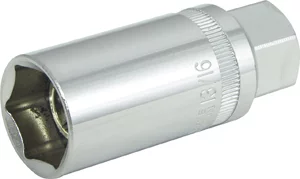
For the tools in this guide, browse Spark Plug Gappers at Tool Source.

The Toolsource Technical Team blends decades of real-world automotive service experience with up-to-date technical research. Our writers collaborate with professional mechanics, shop owners, and diagnostic specialists to deliver practical, workshop-ready guidance you can trust.


Follow us on social media