
When a large OEM or corporate shop calls you back with a raise, it’s tempting—especially if the package includes stock, health benefits, and a recognizable brand name. But for collision painters and body techs, the difference between a good move and a bad one often hinges on schedule, stress, metrics pressure, and the real value of the total compensation. This guide gives you a technician-first framework to make the decision with facts and a clear process.

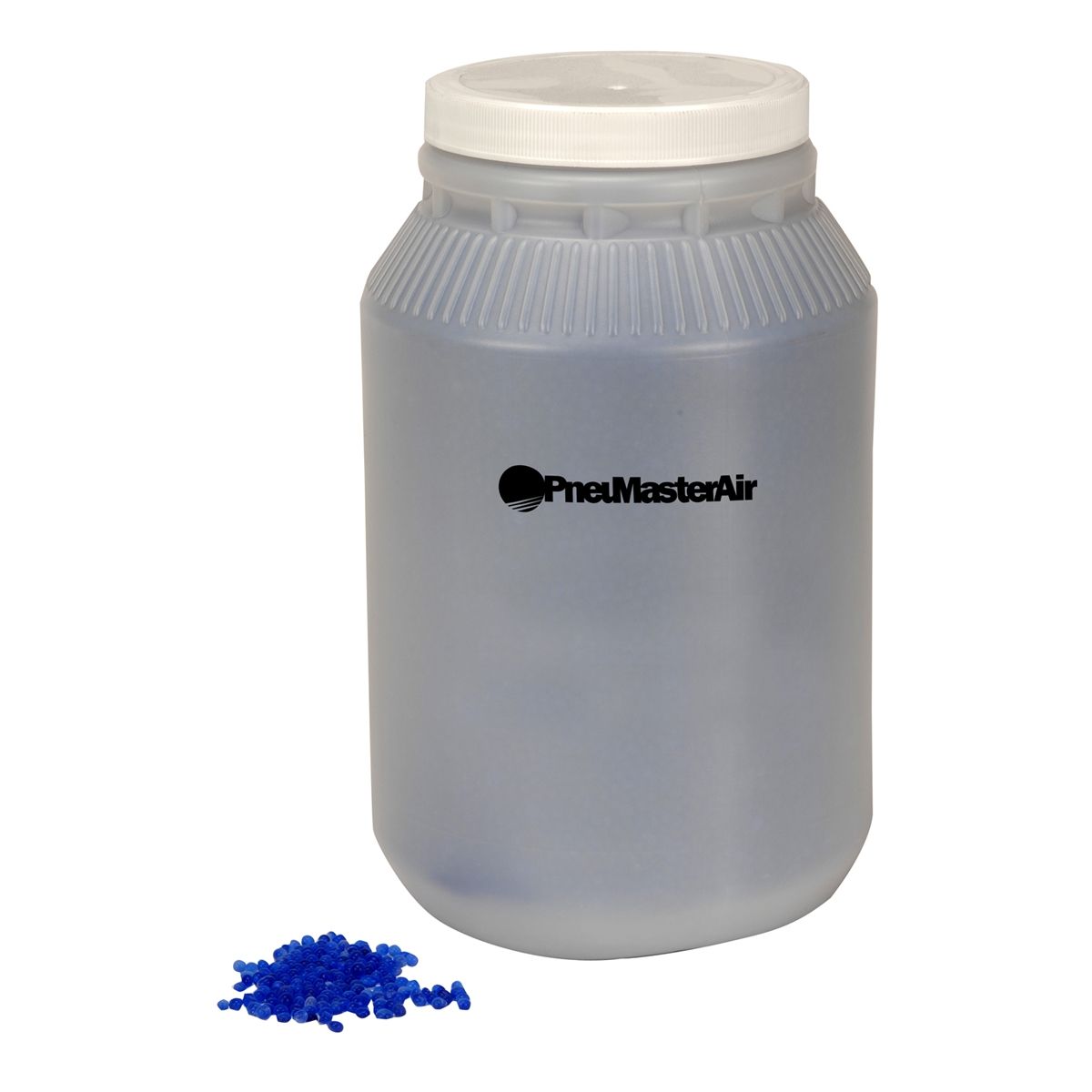
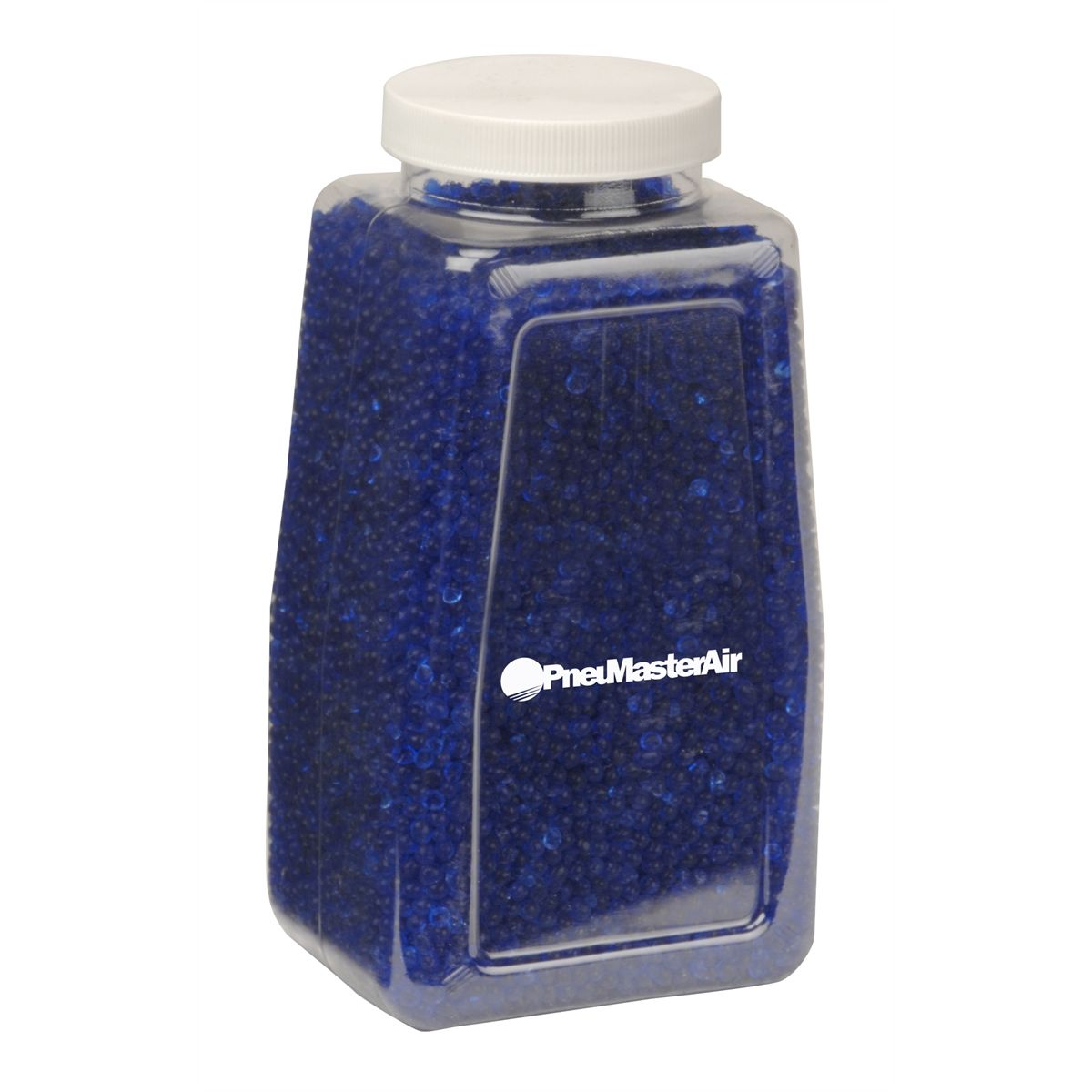

Sharpe Mfg. Co. 6765-1 Replacement Desiccant Bead, Use With: 6760 Dryaire Desiccant System
Mfg: Sharpe Manufacturing Co
Part #: SHA.6765
1) Run the numbers: total compensation, not just take‑home
Ignore the headline salary for a moment and price the whole package. Use this quick method:
- Healthcare: Ask for the plan details and COBRA equivalent. If a similar private plan would cost you (for example) $1,200–$1,700/month for a single or $1,800–$2,800/month for a family, that’s real value. Subtract any employee premiums you’ll pay to estimate the employer’s contribution.
- 401(k) match: Determine match percentage and cap (e.g., 50% of the first 6%). If you contribute $10,000 and the match is $3,000, add $3,000 to total comp. Confirm vesting schedule.
- Stock grants/options: Get the grant amount, vesting schedule, and whether it’s RSU or options. Conservatively value RSUs at a discount (e.g., 20–40%) to account for price volatility and vesting risk. Treat options as speculative unless in-the-money with clear vesting timelines.
- Shift differentials/overtime: Night shifts and weekends sometimes pay extra. Confirm guaranteed differential rates and what hours qualify. Model a typical month using realistic hours you’ll work, not a best-case week.
- Bonuses: Ask for written metrics and historical payout rates. If targets move or hours get shuffled, bonuses can vanish. Assign zero value unless a documented payout history is provided.
- Tool/consumables support: Clarify tool stipends, PPE, gun cleaner, booth filters, desiccant, and other consumables. If the shop truly supplies these, that reduces your out-of-pocket cost.
- Commute and shift cost: Add fuel, tolls, parking, fatigue cost of overnights, and childcare if applicable. Time is money: 10 extra hours/week commuting or waiting for parts is a pay cut.
- Taxes: Model your actual net pay. Stock and bonuses may be taxed at higher withholding rates. Ensure you’re comparing post-tax apples to apples.
Build a simple annual spreadsheet: base pay + employer-paid benefits + match + discounted stock value + differentials + realistic bonus − extra commute/childcare costs − taxes. Compare the annual totals between your current job and the offer.
2) Account for schedule, metrics, and job security risk
Compensation isn’t only dollars. Your nightly schedule, productivity targets, and layoff risk can make a “raise” feel like a pay cut in real life.
- Schedule impact: Nights can pay more but cost you sleep, family time, and long-term health. Assign a number to this—what monthly premium compensates for evenings, holidays, and missed events?
- Metrics pressure: Some OEM/corporate shops tie your standing to strict cycle time, throughput, and rework metrics. Confirm defect/repaint handling, parts delays policy, and whether painters pay for upstream problems with their metrics.
- Layoff/department risk: Large companies can reorganize fast. Ask directly about recent headcount changes, department stability, and how productivity shortfalls are reviewed before termination. Lack of clarity is a red flag.
- Parts flow and estimating quality: Painters and body techs absorb downstream chaos. Evaluate whether parts procurement and estimating accuracy protect your hours or punish you.
- Career path: Confirm if there are documented steps to day shift, lead roles, or training pathways (I-CAR reimbursement, paint system certifications). “Maybe later” isn’t a plan.
If the offer requires a harder schedule, harsher metrics, and higher risk, you need a larger premium—not $1,000/month—plus written terms that mitigate those risks.
3) Negotiate like a pro: terms that reduce risk and stress
They called you back; that’s leverage. Negotiate for numbers and conditions—not vibes. Aim for a package that neutralizes the real costs:
- Anchor high with a walk-away number: Set a firm target that reflects schedule burden, risk, and market scarcity (e.g., top-of-market rate plus 20–30%). If they counter, don’t chase—trade concessions for terms.
- Sign-on bonus (cash, first paycheck): Avoid “clawbacks” longer than 6–12 months. Cash beats stock for risk reduction.
- Guaranteed minimums: Ask for a written pay floor (e.g., minimum weekly hours or a base regardless of parts delays) and a shift differential locked for a defined period.
- Severance language: At-will limits guarantees, but you can request pre-agreed severance (e.g., 8–12 weeks) if laid off without cause. Not all employers will agree, but asking signals you understand risk.
- Written compensation summary: Require an itemized letter (base, differential, bonus mechanics, stock grant with vesting dates, relocation, tool/PPE stipend, training coverage). If it’s not in writing, it doesn’t exist.
- Performance metrics in plain English: Get KPIs, rework policies, and parts delay exceptions spelled out. Negotiate protections so your metrics aren’t penalized by supply chain or estimating errors.
- Schedule review clause: Ask for a defined window to move to day shift based on performance (e.g., within 6–12 months), or a premium that auto-extends if a shift change isn’t offered.
- Training and certification budget: Secure I-CAR, OEM paint system certifications, and paid time for training. Certifications keep your market value high if you leave.
- No-cost safety/PPE: NIOSH-approved respirators, P100 filters, fresh-air options where required, booth filters, water traps/dryers maintained on schedule. Poor safety is a deal-breaker.
Go in prepared with a one-page counteroffer listing your requested compensation and terms. Keep it professional and data-driven.
4) If you stay: raise your income and benefits where you are
If quality of life is better where you work now, increase your earnings without sacrificing it.
- Ask for a market adjustment: Present local pay data, your cycle times, rework rate, and customer satisfaction. Propose a performance-based bump or tier.
- Targeted skill upgrades: Add certifications that raise billable value (e.g., aluminum repair, advanced refinish processes, color science training). Negotiate employer-funded training.
- Optimize effective hourly rate: Streamline your process: better moisture control (dryers, desiccant), gun maintenance, organized mixing, and panel stands to reduce handling.
- Ethical side work (if allowed): Confirm policy. Specialty work (motorcycles, small panel refinishes) can add income without long hours if you price correctly and protect your WLB.
- Personal finance tune-up: Max available 401(k) match, add Roth IRA if eligible, build a 6-month emergency fund, and price disability insurance. Financial margin increases career flexibility.
Small, controlled improvements compound—often faster and with less risk than a job hop.
5) Due diligence before accepting any OEM/corporate shop role
Shop health dictates your daily reality. Inspect it like you inspect a blend panel.
- Tour the shop while work is live: Look for booth doors closed during spray, proper negative pressure, and cleanliness. Open doors during sanding next to a booth is a red flag.
- Air quality and moisture management: Ask to see compressor dryers, water traps, and maintenance logs. Check traps and desiccant condition. Chronic water in lines ruins outcomes and morale.
- Parts pipeline and estimating: How are parts delays handled? Are supplement approvals fast? Who owns mis-orders? If painters eat the downtime, your earnings and metrics suffer.
- Turnover and workload: Ask how many technicians left in the past year and why. High churn usually means management or process issues.
- Rework policy: How is rework tracked and prevented? Are root causes addressed upstream or simply blamed downstream?
- Tooling and consumables: Confirm booth filter change frequency, gun cleaners, mixing scales, color documentation, and light quality. Verify PPE availability and replacement schedule.
- Training culture: Do they pay for I-CAR and manufacturer courses and give time to attend? Is there a path to lead roles?
- Safety compliance: Respiratory protection program, fit tests, and SDS access should be current. Note: “lead painter” means team lead, not the use of lead-based paint; modern OEM refinish systems are lead-free.
Trust what you see. If promises don’t match conditions on the floor, expect continued mismatch after you’re hired.
Quick decision checklist
- New offer’s total comp (conservative) is at least 20–30% above your current total comp to offset schedule/risk.
- Key terms are in writing: base, differentials, bonus mechanics, stock vesting, training, PPE, and minimums.
- Metrics and rework policies won’t penalize you for parts/estimating issues.
- Defined path to day shift or premium that persists if shift doesn’t change.
- Shop tour matched the promises; turnover is reasonable.
- Your spouse/partner agrees the move improves your life, not just your paycheck.
FAQs
How do I value stock grants or options in a job offer?
Treat RSUs conservatively: discount the current share price by 20–40% to reflect volatility and vesting risk, and only count the portion scheduled to vest within the period you plan to stay. For options, unless they’re already in-the-money with clear vest dates, assign low or zero value in your decision model. Cash you can bank today is worth more than speculative equity.
Can I really negotiate severance or job protections at a large company?
At-will employment limits guarantees, but some employers will agree to defined severance for layoffs without cause, a guaranteed base for a period, or a shift differential lock. Ask for a written compensation summary with KPIs and rework exceptions. Even if some items are declined, negotiating signals you’re serious and helps clarify expectations.
What raise makes a night shift or harsher metrics worth it?
There’s no universal number, but many technicians target a 20–30% total comp premium to accept heavier schedules or risk. That premium should be backed by written terms: minimum hours, differential guarantees, realistic metrics, and training support. If the premium is only ~$1,000/month pre-tax and terms are vague, it likely won’t feel worth it.
How can I improve my income without leaving a good shop?
Ask for a market adjustment tied to measured performance (cycle time, rework rate, CSI). Level up with certifications that increase billed hours or reduce rework. Optimize your process (moisture control, gun maintenance, organized staging) to raise your effective hourly rate. Consider limited, policy-compliant side work. Tighten personal finances to keep more of what you earn.
What should I look for during a shop visit to gauge real working conditions?
Watch live process flow: booth operation, cleanliness, and safety practices. Inspect air dryers, water traps, and logs; ask about filter change intervals. Review parts procurement and supplement handling. Ask candidly about turnover, rework policy, and training. If basic maintenance is neglected or turnover is high, expect daily friction and unstable earnings.
Does “lead painter” refer to lead-based paint?
No. “Lead painter” refers to a leadership role (team lead or department lead). Modern OEM-compliant refinish systems are formulated without lead. Still verify PPE, respirator fit testing, and booth ventilation for safe refinishing work.
Shop Air Dryers & Moisture Control
For consistent refinish results and fewer reworks, see our Air Dryers, Desiccant & Moisture Control—gear to keep water out of your lines and your booth running steady.
- Refrigerated and desiccant dryers, inline filters, and water separators.
- Replacement desiccant, filter elements, drains, and service kits.
- Moisture test tools and air system accessories for body and paint bays.

The Toolsource Technical Team blends decades of real-world automotive service experience with up-to-date technical research. Our writers collaborate with professional mechanics, shop owners, and diagnostic specialists to deliver practical, workshop-ready guidance you can trust.


Follow us on social media