
Shops that take on used luxury imports hear the same debate every week: BMW versus Lexus, Mercedes versus Audi, German performance versus Toyota-platform reliability. The reality that experienced techs and specialty shop owners keep coming back to is that reliability tracks the specific engine and trim far more than it tracks the badge on the hood. A base-model turbo-four driven hard by a second or third owner behaves nothing like a well-maintained naturally aspirated six from the same manufacturer. This guide pulls together practical, shop-floor guidance on which used luxury platforms hold up, where the money goes in repairs, and what tools and advice actually help customers and techs working on these cars.
Reliability Comes Down to Engine and Trim, Not Just Brand
Before quoting a job or advising a customer on a used purchase, identify the exact engine code, not just the model name. Base-spec luxury trims are frequently paired with smaller turbocharged engines built to hit a price point. These engines run hotter under load, depend on a turbo spooling up before they feel “peppy” (which encourages harder driving), and are more likely to have been serviced on the cheap by a previous owner chasing a “good deal” on a used luxury car they couldn’t really afford to maintain.
Higher trims with naturally aspirated six- or eight-cylinder engines, or well-proven turbo sixes, tend to be a different animal entirely. They were engineered with more thermal and mechanical margin, and buyers of those trims are statistically more likely to have kept up with maintenance. When a customer asks “is this car reliable,” the honest answer starts with “which engine is actually under the hood,” not the trim badge on the trunk.
Platforms That Hold Up Well in the Shop
Across independent import shops, a few specific platforms come up repeatedly as safe bets for used buyers and manageable for techs to service:
- Mercedes M276 V6: Found in 2010–2016 E350 and C-Class V6 models, plus the GLK350. Straightforward maintenance, predictable failure points, and parts availability that doesn’t require dealer-only sourcing.
- Audi 3.0T supercharged V6 (2013–2016): Used in the S4, S5, Q5, SQ5, and Q7. Strong reliability record. 2017-model-year versions switched piston ring designs that are more prone to oil consumption—still fixable with a piston ring soak, but worth flagging to customers shopping that specific year.
- BMW N52/M54 inline-six and B48/B58 four- and six-cylinder: The older naturally aspirated sixes are nearly bulletproof when maintained. The newer B48/B58 turbo engines have also proven solid in the field, with most issues limited to known-and-documented items rather than open-ended mystery failures.
- Lexus/Toyota shared architecture: Lexus models share a large percentage of parts with mainstream Toyota equivalents, which keeps both parts cost and failure rates low. This is the platform to point budget-conscious, maintenance-averse customers toward.
===PRODUCT_SEARCH_1===
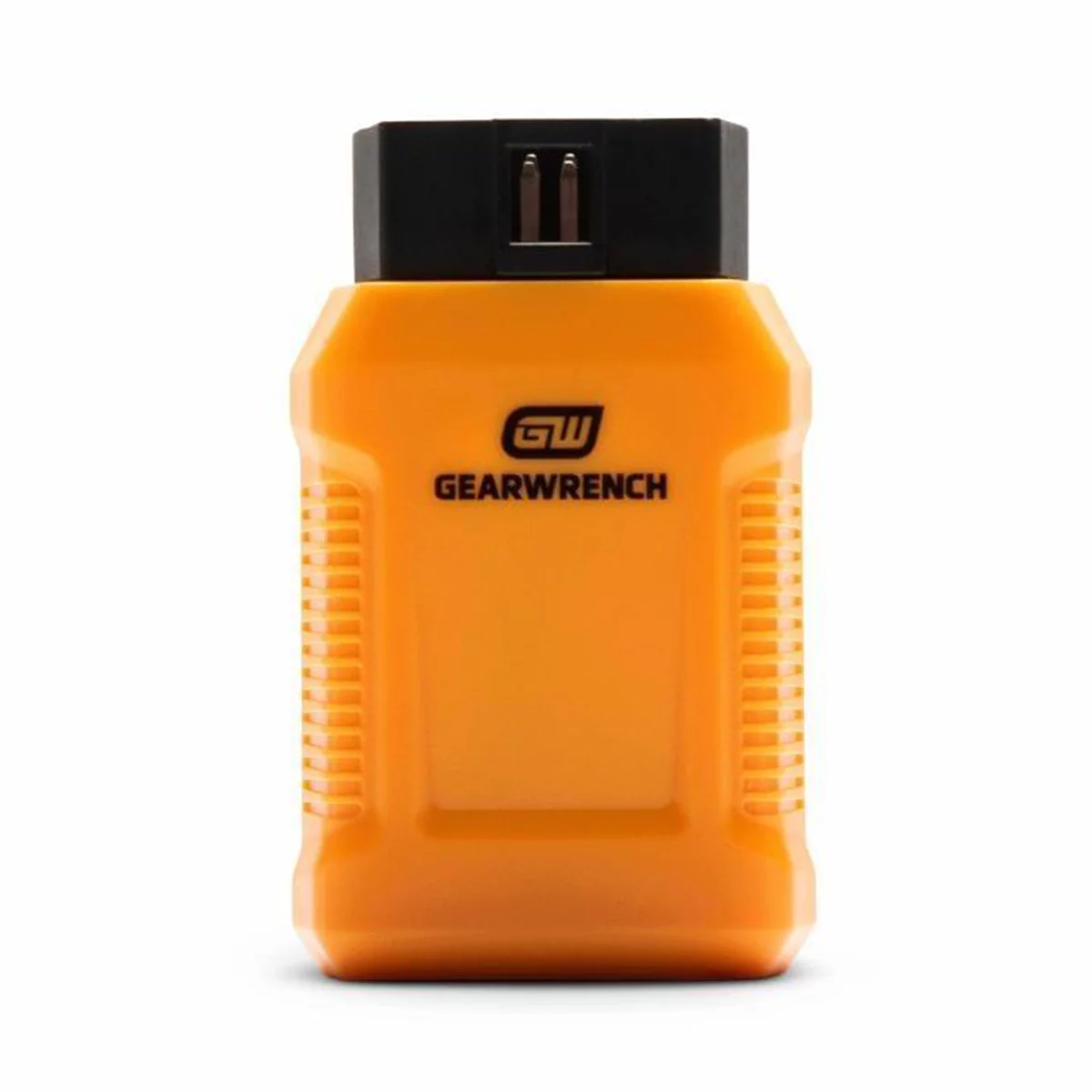
GearWrench Professional Bi-Directional Diagnostic Scan Tool
Mfg: GearWrench
Part #: GWSMARTBT
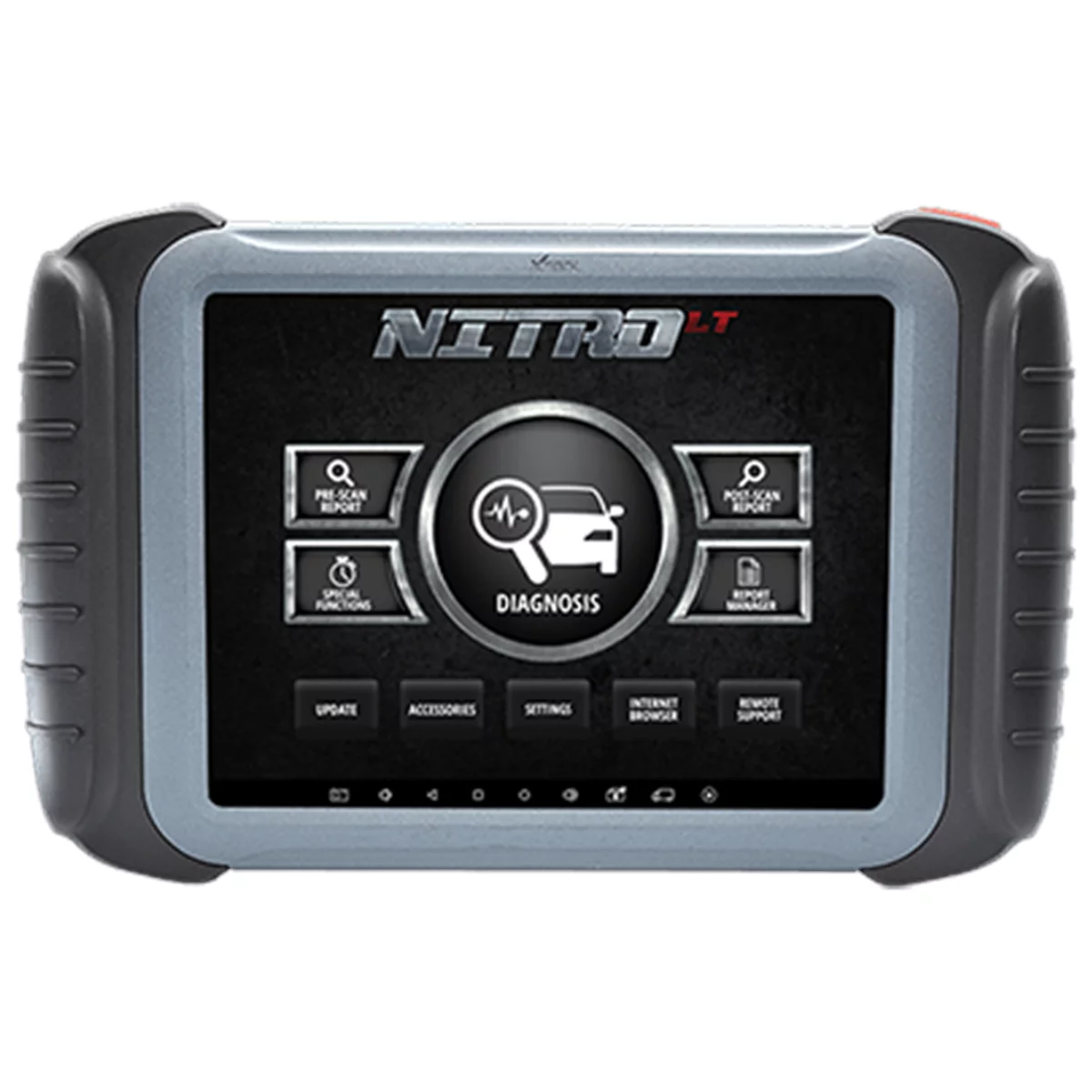
Xtool Nitro LT 8" Bi-Directional Automotive Scan Tool
Mfg: Xtool USA
Part #: NITRO-LT
Pocket-Size Bluetooth Scan Tool w/Bi-Directional Controls
Mfg: TOPDON
Part #: TOPSCANPRO
Common Failure Points That Drive Repair Bills
A few recurring issues account for most of the “German cars are money pits” reputation, and they’re worth knowing cold before quoting a job:
- Air suspension: Compressors, air struts, and air lines fail on a predictable schedule on cars equipped with air ride. Shops that buy or recommend used German luxury vehicles should steer maintenance-sensitive customers toward steel-spring trims when available.
- Electronic control modules: Water intrusion, aging connectors, and software faults on modules controlling comfort and convenience features are a common source of intermittent, hard-to-diagnose complaints—budget diagnostic time accordingly.
- Range Rover / Land Rover platforms: Specialty shops consistently flag these as the highest-risk used luxury purchase due to a combination of electrical complexity, air suspension, and a used-market full of vehicles bought cheap and run without proper maintenance by owners who underestimated the cost of ownership.
- Engine and front-end access: Several German platforms require pulling the engine or front clip for jobs that take far less labor time on Japanese or Korean luxury platforms. This labor-time gap is the real driver of the “German repair bills” reputation, more than parts failure rates.
Parts Sourcing and Labor Time: Where the Money Actually Goes
Parts cost is rarely the whole story. A 100,000-mile service on a V6 Mercedes—spark plugs included—can run under $100 in parts and about two hours of labor for a tech who knows the platform, versus a full-day dealer ticket that can run close to $1,000 once diagnostic time, OEM part markup, and shop labor rates are factored in. The gap isn’t the part; it’s access and labor time.
On Lexus and Toyota-shared platforms, the same logic runs in the customer’s favor: a Lexus-branded part and its Toyota-branded equivalent are frequently the same component at different price points, and the lower-cost option is usually available. For German platforms, aftermarket and OEM-equivalent suppliers can close much of the dealer price gap, but only if the shop has already identified which assemblies tolerate aftermarket parts and which ones (electronic modules, certain sensors) are worth sourcing OEM to avoid comebacks.
Diagnostic and Specialty Tools for Import Platforms
Generic OBD-II code readers will pull basic codes on any of these platforms, but real diagnostic work on used luxury imports requires manufacturer-specific coverage: bi-directional control of modules, live data streams beyond the generic PID set, and coding/programming capability for replacement modules. A shop regularly servicing BMW, Mercedes, and Audi platforms needs a scan tool with manufacturer-specific software coverage, not just a universal reader, plus the ability to handle battery registration on German platforms (required after battery replacement on most BMW and Mercedes models to prevent charging system faults) and air suspension bleed/calibration procedures for air-ride-equipped vehicles.
===PRODUCT_SEARCH_2===
Advising Customers on Used Luxury Purchases
When customers ask for buying advice before a pre-purchase inspection, a few data points matter more than brand loyalty:
- Mileage over age: A lower-mileage car in the 10,000–15,000-mile range (regardless of whether it’s one or three years old) has absorbed less wear and less risk of prior neglect than a higher-mileage example of the same age.
- Single owner, clean history: A documented single-owner vehicle with a clean accident/flood/fire history report is a meaningfully lower risk than an unknown-history used luxury purchase, even at a comparable price.
- Highway versus city miles: Where mileage is unavoidable, a higher-mileage car that accumulated most of its miles on the highway has generally seen less wear than a lower-mileage car driven hard in stop-and-go city traffic.
- Maintenance records over cosmetic condition: A clean service history should outweigh a nicer interior or more desirable color when comparing two otherwise similar used luxury candidates.
Pre-Purchase and Intake Checklist
- Pull the exact engine code and trim level—don’t rely on the model name alone
- Run a clean title/accident/flood history report
- Check for single- versus multiple-owner history
- Inspect air suspension components (if equipped) for leaks or compressor wear
- Scan all modules, not just the engine, for stored and pending codes
- Review maintenance records for timing chain, spark plug, and fluid service intervals
- Confirm parts availability and labor-time estimates before quoting major repairs

i-Pro Import Scan Tool - Master Kit Asian & Europe
Mfg: OTC Tools and Equipment
Part #: 3478

Component Diagnostics Guide, Asian & European Imports OBD
Mfg: OTC Tools and Equipment
Part #: 3567
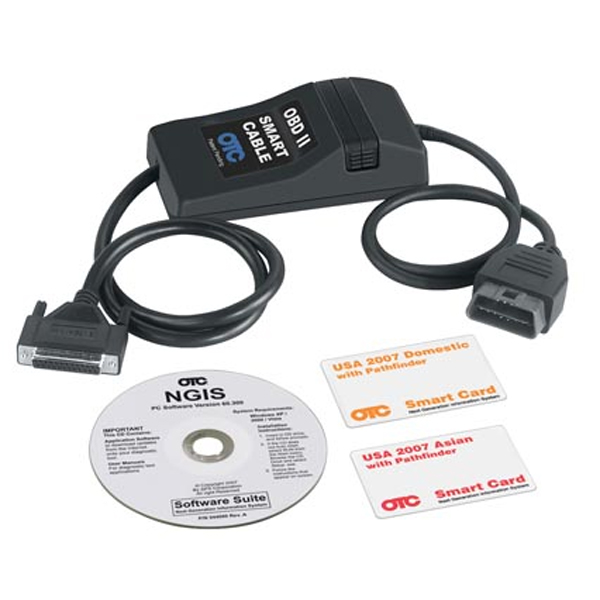
Genisys USA 2007 Scan Tool Super Bundle Cable with Asian and Dom
Mfg: OTC Tools and Equipment
Part #: 3421-100
Frequently Asked Questions
Is a used BMW or Mercedes worth buying if I can’t do my own maintenance?
It’s riskier. Owners and shops who service these cars themselves consistently report much lower costs than those paying dealer or full-retail independent labor rates for every service interval. If DIY or a trusted independent shop isn’t an option, a Lexus or Acura is the lower-risk choice.
Which used luxury engines should a shop flag as higher-risk?
Smaller turbocharged four-cylinders in base trims, air-suspension-equipped vehicles with unknown maintenance history, and any Range Rover/Land Rover bought well below market price are the recurring red flags.
Does the 2017 Audi 3.0T piston ring issue mean the engine should be avoided?
Not necessarily. It’s a known, documented issue tied to a specific piston ring design change, and it’s manageable with a piston ring soak if oil consumption appears. It’s a flag to monitor, not a reason to walk away outright.
Why do German cars have a reputation for expensive repair bills if failure rates aren’t dramatically higher?
Labor time is the bigger factor. Several common repairs require pulling the engine or front clip on German platforms, which adds hours of labor that comparable repairs on Japanese or Korean platforms don’t require.
What’s the single best mileage range for a used luxury purchase?
Many experienced buyers and shops target roughly 10,000–15,000 miles as a sweet spot—enough mileage to meaningfully reduce the original price, without the added wear and uncertainty that comes with a higher-mileage example.
Are Lexus parts always cheaper than the equivalent German part?
Generally yes, especially when the part is shared with a Toyota equivalent. German OEM parts, particularly electronic modules, usually carry a higher price tag, though aftermarket alternatives can close some of that gap.
Diagnostic Tools for Import Platforms
As this guide explains, proper diagnostics on used luxury imports requires more than a basic code reader. Browse our Automotive Diagnostic Tools selection for the manufacturer-specific scan tools, bi-directional controllers, and software needed to service BMW, Mercedes, Audi, and other platforms effectively.
- Manufacturer-specific scan tools with bi-directional control and live data capabilities
- Code readers and software covering German, Japanese, and Korean platforms
- Specialty tools for battery registration, module coding, and air suspension diagnostics

The Toolsource Technical Team blends decades of real-world automotive service experience with up-to-date technical research. Our writers collaborate with professional mechanics, shop owners, and diagnostic specialists to deliver practical, workshop-ready guidance you can trust.


Follow us on social media