
Replacing your air filter is critical HVAC maintenance. Understanding filter types, MERV ratings, and proper installation prevents system damage and costly repairs.
Why Replace Your Air Filter Now
Clogged filters force your system to work harder, increasing energy use and reducing cooling capacity. Dirty filters bypass contaminants around their edges, coating your evaporator coil and entering living spaces. Signs of replacement need: dust-covered filter material, reduced airflow, longer runtimes, unusual odors, and higher-pitched blower whine. In extreme cases, restricted airflow causes ice formation on refrigerant lines or the coil itself, potentially causing liquid refrigerant to return to the compressor—catastrophic mechanical failure.
Electronic Cleaners vs. Pleated Filters
Electronic air cleaners (EACs) use high-voltage ionization to capture particles down to 0.01 microns but require regular maintenance most homeowners neglect. Dirty EAC cells lose effectiveness and produce ozone, irritating respiratory systems. Replacing an EAC with a 4-5 inch pleated MERV 8-11 filter offers consistent filtration without electrical components or maintenance headaches. Medical facilities still require EAC systems with UV sterilization for verified particle elimination; for residential use, pleated filters are superior.
Finding and Sizing Your Air Filter
Locating Your Filter
Filter location varies by system configuration. In vertical upflow systems (most common), filters sit at the furnace base. Downflow furnaces position filters at the top. Horizontal furnaces place them at either end. Some systems house filters in return air grilles rather than at the furnace. Multi-zone systems may have filters at each grille plus one at the air handler. If you can’t locate it, trace return ductwork backward from the furnace—the filter must be somewhere in this pathway. Never operate without a filter in place.
Measuring and Sizing
Filter dimensions appear on the cardboard frame (e.g., “20x25x1” for length, width, depth). These are nominal—actual measurements are 0.25-0.5 inches smaller. Measure the filter slot opening rather than the old filter to account for compression or warping. Common residential sizes: 16×20, 16×25, 20×20, 20×25, 24×24 in 1-inch thickness, with 4-5 inch depths available for high-capacity applications. EAC conversions may require adapter frames to hold standard pleated filters.
Understanding MERV Ratings
MERV (Minimum Efficiency Reporting Value) ratings range 1-20, measuring ability to capture 0.3-10 micron particles. MERV 8-11 filters capture mold spores, pet dander, and pollen. MERV 13-16 approach HEPA performance. Higher MERV ratings create more static pressure, forcing blower motors harder. Residential systems designed for MERV 8-11 filters; installing MERV 13-16 can reduce airflow 30-50%, causing serious problems. The EPA recommends MERV 8-13 for most homes without system modifications. Only homes with medical needs should use MERV 13+, requiring blower upgrades and pressure testing.
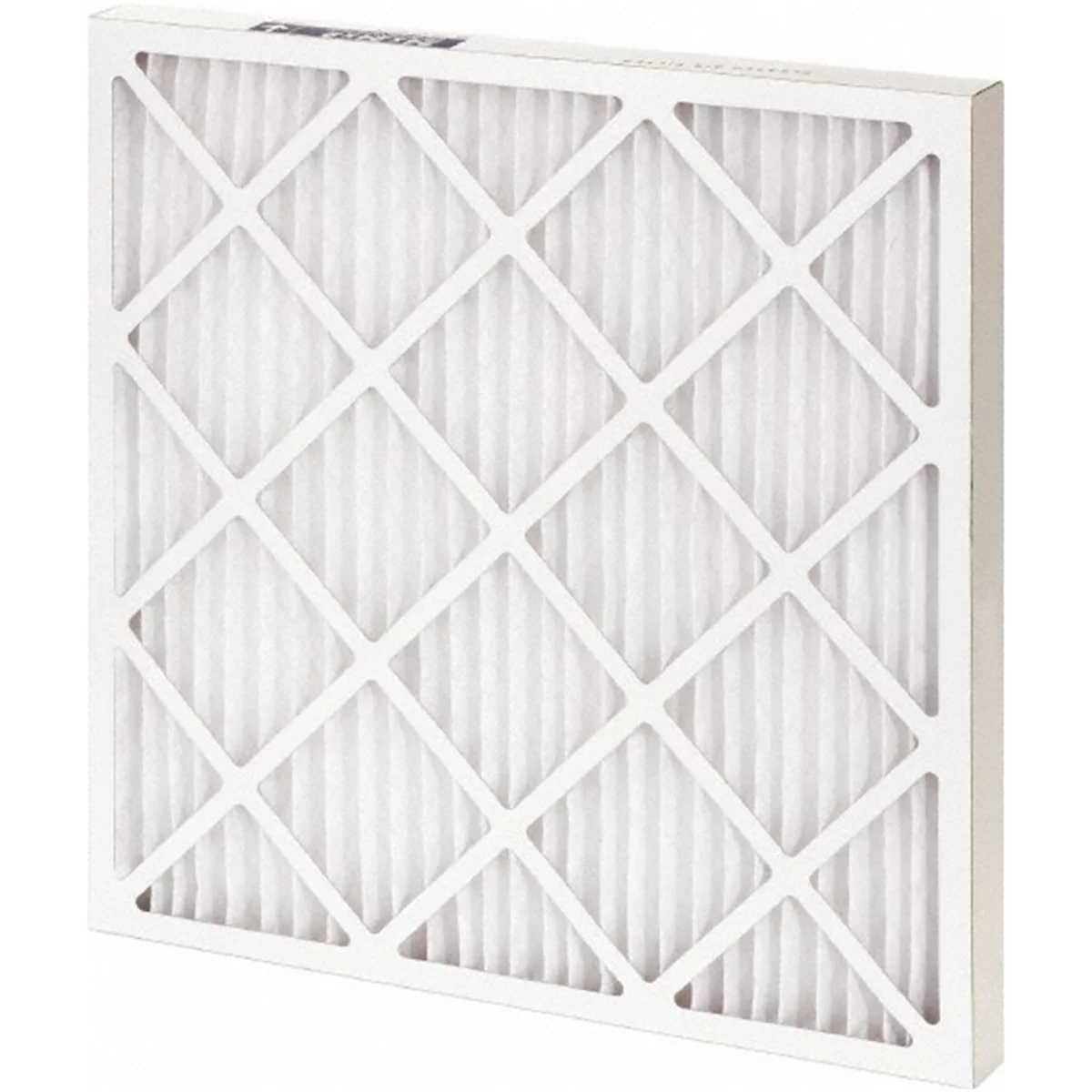
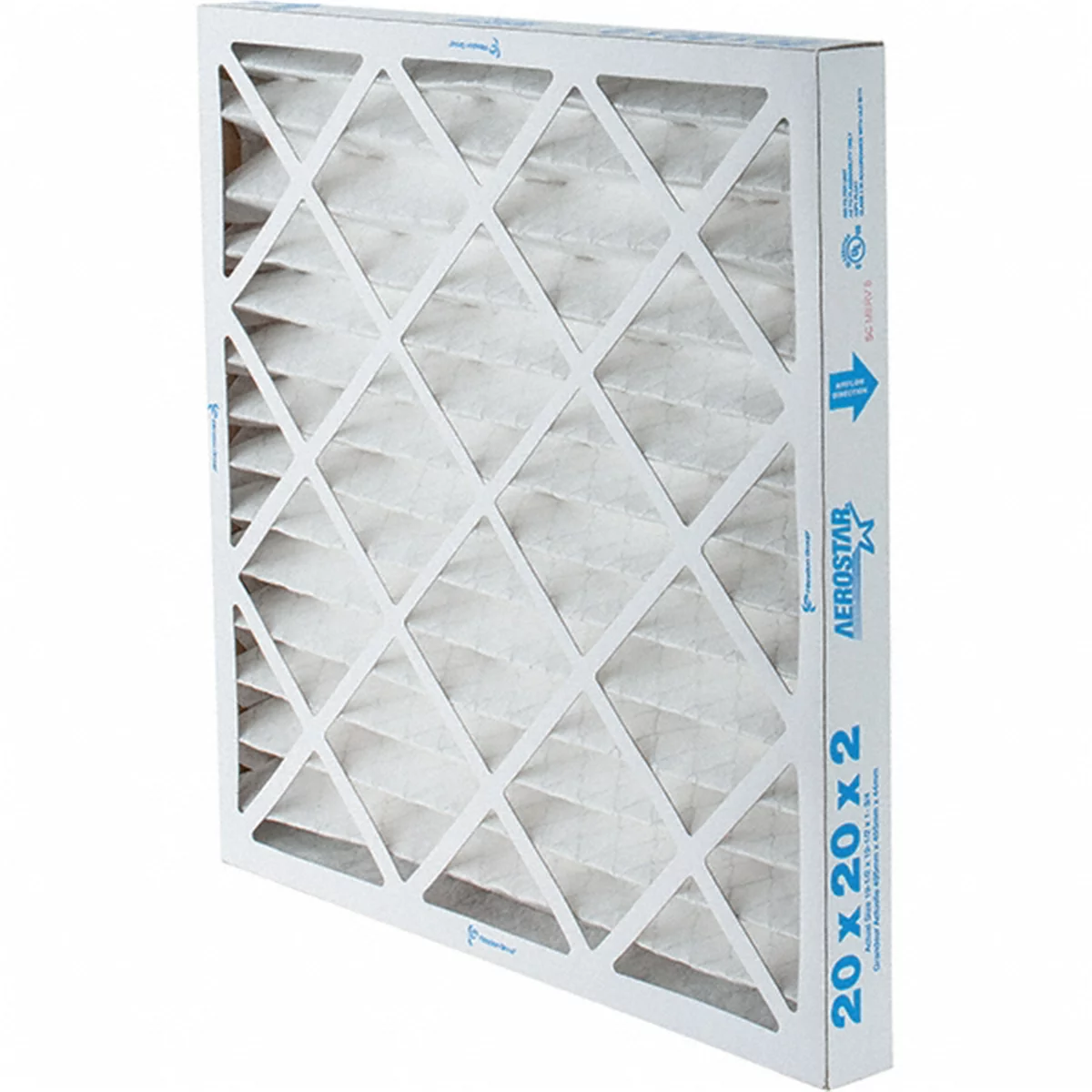
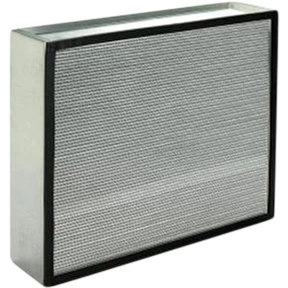
Wire-Backed Pleated Air Filter, 16x16x2", MERV 8, 35% Efficiency
Mfg: Alemite
Part #: 06222293
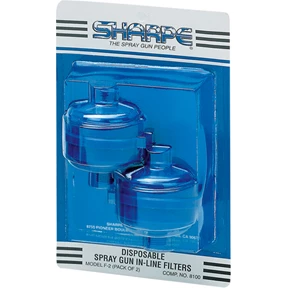
Sharpe 8100 Model F-2 Disposable In-Line Air Filter 2-Pack
Mfg: Sharpe Manufacturing Co
Part #: 8100
Step-by-Step Replacement
Preparation and Safety
Turn off power at both thermostat and furnace electrical disconnect. Gather supplies: replacement filter, flashlight, shop vacuum, gloves, marker. Document old filter orientation with a photo before removal. Expect accumulated debris in severely neglected systems.
Installation
Open the access panel and note old filter orientation. Every filter has directional airflow arrows pointing toward the furnace/air handler—arrows must point this way to catch particles before equipment. Arrows pointing away allows debris to coat the evaporator coil backward. Slide out the old filter and bag it. Inspect the cavity and beyond for gaps where unfiltered air might bypass the filter—seal with aluminum foil tape (not duct tape). Check for debris in the blower compartment. Install the new filter with arrows toward equipment, ensuring it seats completely in the track with no perimeter gaps. Write the installation date on the frame. Restore power and verify normal operation and airflow at registers. Listen for whistling indicating bypass air—if heard, shut down and reseal before restarting.
No products found for "electronic air cleaner conversion kit"
MERV Ratings and System Strain
How MERV Affects Airflow
Filters create airflow resistance measured as static pressure in inches of water column. Residential systems operate optimally at 0.5-0.8 inches. Exceeding this range reduces airflow proportionally. A system moving 1200 CFM at 0.6 inches might only move 800 CFM at 1.2 inches. Reduced airflow causes cascading failures: in cooling mode, insufficient airflow over the evaporator causes coil temperature to drop below freezing, forming ice that further restricts flow. In heating mode, restricted airflow overheats the heat exchanger, tripping high-limit switches and potentially cracking it—allowing combustion gases including carbon monoxide into living spaces. MERV 8-11 filters add 0.1-0.2 inches clean, 0.3-0.5 inches dirty. MERV 13-16 start at 0.3-0.5 inches and can exceed 1.0 inch when loaded. Upgrade to 4-5 inch filter cabinets for higher MERV ratings to compensate with larger surface area.
Recommended MERV Ratings
| Application | MERV | Type | Considerations |
|---|---|---|---|
| Standard Residential | 8-10 | 1-inch pleated | Replace 1-3 months; balances filtration and airflow |
| Allergy/Pets | 11-13 | 4-5 inch | Requires larger cabinet; 6-12 months |
| Medical | 16+ HEPA | Certified HEPA | Professional installation; blower upgrade needed |
For most homes, MERV 8-10 balances particle capture and system protection. Pets or mild allergies warrant MERV 11 in thicker format. Only documented medical needs justify MERV 13+, with professional airflow assessment.
Warning Signs of Excessive Pressure
In cooling mode: frost or ice on refrigerant lines, reduced capacity, longer runtimes, outdoor unit cycling on/off frequently. In heating mode: short burner cycles followed by fan-only operation, high-limit error codes. If symptoms appear after upgrading MERV rating, return to lower MERV or upgrade filter cabinet.
Maintenance and Long-Term Care
Evaporator Coil Cleaning
Coils accumulate dust and organic material, promoting mold and bacteria growth in damp cooling environments. Musty AC odors indicate coil or drain pan contamination. Professional coil cleaning requires careful handling—thin aluminum fins bend easily. Ensure condensate drains stay clear; pour diluted bleach or drain tablets quarterly to inhibit biological growth. ASHRAE guidelines: inspect annually, clean every 2-3 years normally, more frequently in dusty areas or pet homes.
Replacement Schedule
Inspect filters visually rather than following arbitrary schedules. “Change every 30 days” is conservative and may not match your usage. Replace when you can no longer see original material color through dust or when register airflow decreases noticeably. Establish baseline by weekly inspection during first two months. Photo-compare current filter to previous installation to track loading objectively.
Professional vs. DIY
Filter replacement suits DIY. Call professionals for: persistent odors post-replacement, ice on refrigerant lines, unusual blower noises, frequent high-limit trips, or inability to locate the filter. Professional EAC-to-pleated upgrades ensure proper airflow and safety. Have technicians measure static pressure before and after MERV upgrades to confirm blower capacity.
Frequently Asked Questions
Can I use reusable electrostatic filters?
Reusable filters offer MERV 8-10 equivalent filtration when clean but require monthly washing—most owners neglect this. They load faster than disposables, restricting airflow quickly. Use them if disciplined about maintenance; otherwise disposable pleated filters are more practical.
What causes musty AC smells after filter replacement?
Odors indicate biological growth on the evaporator coil or drain pan, not the new filter. Replacing a clogged filter restores airflow, distributing pre-existing contamination throughout the house. Backward installation during previous service allowed debris coating. Solution: professional coil cleaning and drain pan sanitization. Address root cause rather than masking odors.
How often replace filters in extreme climates?
Hot, humid climates: filters accumulate moisture and dust; inspect monthly during cooling season, replace 30-60 days. Cold climates: extended heating accelerates loading; inspect every 30 days, replace 60-90 days. Desert climates: dust loads may require replacement every 2-4 weeks during windy seasons. Inspect regularly and replace based on condition, not generic schedules.
Furnace vs. AC filters—difference?
No functional difference—same component filters return air before entering your HVAC system. Both heating and cooling use one blower and filter. Terminology varies based on housing location or which mode most visibly suffers when clogged. Exceptions: homes with separate systems (baseboard heat/window AC) have dedicated filters.
Do higher MERV filters improve air quality?
Higher MERV captures smaller particles but may not improve measurable indoor air quality. Systems recirculate air; filters only catch particles passing return ducts. Cooking fumes, cleaning products, and off-gassing furniture bypass filters. MERV 8→11 helps pollen/pet dander concerns. MERV 13+ causes airflow problems offsetting benefits. For superior quality, add whole-house purifiers with separate fans or ensure adequate ventilation.
Can a dirty filter cause AC freeze-up?
Yes. Clogged filters restrict airflow below design specs; insufficient warm air passes the evaporator, causing coil temperature to drop below freezing. Ice forms on coil surface, further restricting flow in a self-reinforcing cycle. Solution: immediately replace the filter, turn off AC, allow hours for ice to melt, then restart. See ChrisFix on YouTube for detailed guidance.
Air Filter Replacement Checklist
- ☐ Turn off power at thermostat and furnace disconnect
- ☐ Locate filter, note orientation (photo)
- ☐ Measure dimensions or verify size
- ☐ Select MERV rating (8-11 for most homes)
- ☐ Remove old filter, bag for disposal
- ☐ Inspect cavity for gaps; seal with foil tape
- ☐ Check for debris in blower compartment
- ☐ Install new filter with arrows toward equipment
- ☐ Verify complete seating with no gaps
- ☐ Mark installation date on frame
- ☐ Restore power and verify operation
- ☐ Check for airflow bypass whistling
- ☐ Set inspection reminder (30-60 days)
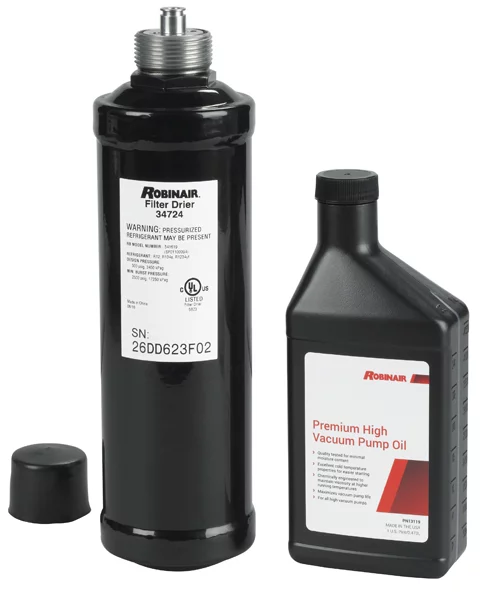
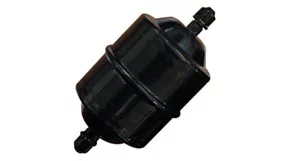
Replacement Filter Dryer for 69000 Refrigerant Recovery System
Mfg: Mastercool
Part #: 69500DR

The Toolsource Technical Team blends decades of real-world automotive service experience with up-to-date technical research. Our writers collaborate with professional mechanics, shop owners, and diagnostic specialists to deliver practical, workshop-ready guidance you can trust.


Follow us on social media