Pulling a transmission pan and finding plastic fragments is never a good sign, but it is diagnosable and repairable with a disciplined process. Most cases trace back to failed chain shields or baffles on pump-drive systems, cracked filter cages, deteriorated plastic separators or check balls in valve bodies, or misinstalled covers after previous service. This article lays out what that debris likely is, how to quickly triage the unit, the teardown and inspection sequence, contamination control, parts and torque best practices, and post-repair verification so you do the job once.

OTC TorqShift Adapter 307-436-01 for Transmission Repair
Mfg: OTC Tools and Equipment
Part #: 307-436-01
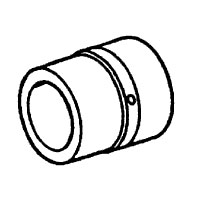
Transmission Fluid Pump Alignment Gauge T74P-77103-A
Mfg: OTC Tools and Equipment
Part #: 307-040

System Smart Insert (SSI) - 2004 Mercedes Benz Transmission
Mfg: OTC Tools and Equipment
Part #: 3306-16
Transmission Jack Adapter for GM 125/440 and Ford E4OD
Mfg: OTC Tools and Equipment
Part #: 61516

What That Plastic Likely Is (Common Sources by Design)
Different transmissions use plastic strategically to manage oil flow, noise, and weight. When it winds up in the pan, the usual suspects include:
- Pump drive chain shield or baffle: Some front-wheel-drive automatics with chain-driven pumps or auxiliary pumps use a plastic shield to contain oil splash and direct lubrication to the chain and pump gear. Impact, chain interference, improper installation, or overheat can crack the cover and send fragments to the pan.
- Filter cage or pickup snorkel: Many filters are plastic-bodied or have plastic end caps. Incorrect installation, over-tightening fasteners, or debris ingestion can break the cage and collapse the media.
- Valve body check balls and separator components: Some valve bodies use plastic or polymer check balls and retainers. Overheat, aggressive solvents, or worn separator plates can deform or break these parts.
- Speed sensor or harness retainers and connector guides: Internal harness clips and sensor retainers are often plastic. Mishandling during prior service, or heat embrittlement, can send small shards to the pan.
- Chain guides and oil deflectors: Secondary plastic guides may be present near chains or rotating groups. Misalignment or chain stretch can erode them.
Note: While there are niche designs with nylon timing gears and other polymers, most internal rotating gearsets are metal. Large curved fragments usually point to shields/baffles or filter housings, not gears.
Symptoms and Quick Triage Before Teardown
Before you dive into a complete teardown, perform a fast triage to determine the scope of damage and whether the unit is a rebuild candidate.
- Scan for transmission DTCs and capture freeze-frame data: Line pressure, slip counters, pump performance codes, speed sensor correlation errors, and overheat events help pinpoint the failure zone.
- Assess fluid: Color, odor, and feel. Burnt odor or dark ATF indicates heat stress. Plastic-only debris with clean fluid is better news than heavy metal contamination mixed with plastic.
- Listen and road-test carefully (if safe): Pump whine, chain rattle, delayed engagement, or neutraling. Do not extend road-test if there’s pressure loss or harsh mechanical noise.
- Line pressure check: If the platform allows, compare commanded vs. actual. Pressure instability can follow a broken shield when aeration or starvation occurs.
- External inspection: Look for previous service signs (non-OE RTV at case seams, witness marks on fasteners). Misinstallation is a common root cause when covers and baffles are involved.
Triage conclusion: If you have stable pressure, minimal metal, but significant plastic, you likely caught a shield/baffle or filter failure before it wiped rotating components. Proceed with controlled teardown and thorough inspection.
Pan Pull and Inspection Workflow (Step-by-Step)
- Prepare the work area: Use clean trays, magnetic parts dishes, and marked zip bags. Debris tracking matters when you need to identify the failed component later.
- Drain and capture ATF: Use a clean container to preserve a sample for inspection. Note volume and contamination level.
- Remove pan and filter: Photograph the pan interior before disturbing anything. Magnet load, debris location, and fragment shapes are valuable diagnostic clues.
- Sort debris: Separate plastic, rubber, friction material, and metal. Inspect magnet for ferrous fuzz vs. chips. Ferrous chips may indicate collateral gear or chain damage.
- Identify plastic by shape and features: Curved, shell-like pieces with molded ribs often come from shields or baffles. Flat pieces with mesh impressions or inletting may be filter cage remnants. Small spheres could be check balls.
- Check chain area and pump drive: With the valve body removed as required by service info, inspect the pump drive chain, sprockets, and shield. Look for chain-to-cover contact patterns, cracked standoffs, missing fasteners, or mis-seated cover edges.
- Inspect filter mount and pickup seal: A broken filter tab or distorted seal allows air ingestion, cavitation, and starvation, which can cascade into pump noise and shield failure.
- Valve body audit: If check balls are polymer, confirm count and condition. Inspect separator plate for imprinting or blow-by that may extrude plastic over time.
- Measure chain deflection: Excessive slack suggests chain stretch or wrong chain length from prior service. Compare to spec using a ruler or caliper at the prescribed measurement span.
- Document everything: Photograph part numbers, break lines, and fastener types. Cross-reference to OE diagrams to ensure no component is missing upon reassembly.
Contamination Control: Clean, Flush, and Verify
Plastic debris tends to distribute widely. Proper cleaning prevents a quick comeback.
- Clean the pan: Remove magnets, wipe with lint-free towels, and wash with an appropriate ATF-compatible cleaner. Avoid leaving solvent residue; follow with compressed air and a final ATF wipe.
- Magnets: Clean and inspect. If magnets were dislodged during the event, replace them. Reinstall in the OE locations to catch future wear.
- Valve body: Avoid harsh chlorinated solvents that can attack polymers. Use a low-residue, ATF-safe cleaner and compressed air sparingly. Do not spin valves with air.
- Cooler and lines: Use a heated transmission cooler flusher with pulsating flow until effluent is clean. A single-pass aerosol is not enough after a plastic failure. Always replace inline filters.
- Torque converter: If the platform uses a non-drainable converter and there was heavy debris, consider replacement. If reusing, extend cooler flush and perform an extra early service interval to catch residuals.
- Work clean: Keep friction surfaces and clutch packs free of paper towel lint. Use lint-free wipes only.
Parts Replacement and Reassembly Best Practices
Replace broken plastic with updated or OE parts and reset the system to baseline.
- Shield/baffle and chain-related parts: Replace the shield/baffle, any guides, damaged fasteners, and inspect both sprockets. If there is any doubt about chain integrity or stretch, replace the chain as an assembly with sprockets per OE guidance.
- Filter and seals: Always install a new filter and correct pickup seal. Verify depth and seating. If the filter uses screws, follow torque specs to avoid plastic cracking.
- Valve body service: Replace deformed plastic check balls with OE-specified material. Some platforms carry updated separator plates and ball materials; apply the latest revision. Inspect solenoids and harness retainers.
- Sealing compounds: Use the OE-specified sealant type (anaerobic, RTV, or gasket) and application pattern. Do not over-apply; excess sealant can break off and mimic plastic debris later.
- Torque-to-yield (TTY) fasteners: Identify which bolts are single-use (common on pump covers, case halves, and valve bodies on certain designs). Replace them. Torque with a calibrated wrench and torque-angle gauge, following sequence and angle steps exactly.
- Fastener threads: Clean with a thread chaser, not a tap that removes base material. Confirm dry vs. oiled torque requirements from service info; apply medium-strength threadlocker only if specified.
- Chain alignment and clearance: Center shields and verify chain clearance by rotating the assembly by hand. There should be no witness marks or rubbing. If available, use the OE alignment fixture.
- Fluid fill and initial start: Use the specified ATF. Fill per temperature-based level procedure. On start-up, verify line pressure, engage gears briefly, and recheck level after reaching the OE temp window.
- Adaptations and relearns: Perform clutch/shift adaptation procedures if required. This helps stabilize pressures after component changes.
Preventing Repeat Failure and Proving the Repair
- Update parts: Many manufacturers revise plastic shields, baffles, or filter designs. Use the latest superseded part numbers and kits that include revised fasteners and gaskets.
- Thermal management: Check for cooling issues. Restricted coolers or stuck thermostatic valves increase fluid temperature and embrittle plastics.
- Service intervals: Adhere to severe-service ATF change intervals, especially on units with known thermal sensitivity. Fresh fluid reduces varnish and heat load on polymers.
- Install discipline: The majority of shield failures after prior service are fitment-related. Follow the OE order of operations, use correct hardware, and verify cover seating along the entire perimeter.
- Post-repair verification: Road-test at varying loads and temperatures. Monitor line pressure PIDs, gear ratio checks, and TCC performance. Re-scan for codes. After 200–500 miles, inspect the pan magnet load at the first follow-up service if contamination was heavy.
Quick Checklist: Before You Button Up
- All plastic fragments accounted for and source identified
- New shield/baffle, filter, seals, and any updated components installed
- TTY fasteners replaced and torqued/angled to spec in proper sequence
- Cooler and lines flushed with heated machine; inline filter replaced
- Pan magnets cleaned and reinstalled at OE locations
- Fluid filled and leveled at specified temperature window
- No interference or contact marks after manual rotation
- Scan tool shows stable line pressure and no new DTCs
FAQs
Is it safe to drive with plastic debris in the transmission pan?
Generally no. Plastic fragments often mean a lubrication baffle, filter, or valve body component has failed. Continued operation risks aeration, pressure loss, and rapid clutch damage. Tow it if you see significant debris or symptoms.
Are there really plastic parts inside automatic transmissions?
Yes. Manufacturers use plastic for shields/baffles, some filter housings, internal harness retainers, and in some cases valve body check balls or guides. These parts manage oil flow, weight, cost, and noise. Rotating gearsets remain metal in most designs.
What causes a pump chain shield or baffle to break?
Common causes include misinstallation after service (misaligned cover or wrong fasteners), chain contact due to improper clearance or chain stretch, overheat that embrittles plastic, or impact from loose internal hardware. Following OE alignment and torque sequences is critical.
Can I reuse torque-to-yield bolts during reassembly?
Do not reuse TTY bolts unless the service information explicitly permits it. TTY bolts permanently stretch when installed. Reusing them risks clamp loss or breakage, especially in high-stress areas like pump covers and case halves.
How do I know if the unit is rebuildable or needs replacement?
If debris is primarily plastic, metal on the magnet is only normal ‘fuzz’, and line pressure is stable, a targeted repair is often viable. If you find heavy ferrous chips, clutch material, severe pump scoring, or converter damage, a full rebuild or replacement is more prudent.
What flushing method should I use after plastic contamination?
Use a heated, pulsating cooler flusher until clear flow is achieved, and replace the inline filter. Avoid relying on cold aerosol flushes alone. If the converter is non-drainable and contamination was severe, consider replacement or schedule an early fluid service to capture residuals.
Shop Automotive Paint & Finishing Tools
After transmission teardown and reassembly, protect and finish pans, brackets, and hardware with tools from Drive Train – Transmission Tools to prevent corrosion and keep work clean.
- Surface prep: abrasives, scuff pads, and cleaners for pans and cases.
- Masking supplies and tack cloths to control overspray near sealing surfaces.
- HVLP and touch-up options for quick coating and part identification.

The Toolsource Technical Team blends decades of real-world automotive service experience with up-to-date technical research. Our writers collaborate with professional mechanics, shop owners, and diagnostic specialists to deliver practical, workshop-ready guidance you can trust.


Follow us on social media