Dealerships quote $650-$950 for PCV valve replacement while the part costs $10-$48. This price gap makes it one of automotive service’s biggest upsells. Understanding when replacement is necessary versus unnecessary can save hundreds of dollars.
PCV Valve Replacement Costs: Dealer vs Independent
The valve itself costs $10-$50, but dealer quotes reach $650-$950. Dealers charge $150-$225/hour labor, apply 40-60% parts markup, and bill inflated “book time” that often exceeds actual work duration. A 15-minute Honda Civic job gets billed at 1.5 hours. They bundle PCV work with fuel system cleaning or throttle body service to justify higher invoices.
Labor Cost Breakdown by Vehicle Model
| Vehicle | Difficulty | Time | Dealer Cost |
|---|---|---|---|
| 2010-2018 Toyota RAV4 (2.5L) | Easy | 10-20 min | $180-$320 |
| 2008-2015 Honda Accord (V6) | Moderate | 30-45 min | $350-$550 |
| 2011-2019 Ford Explorer (3.5L EcoBoost) | Difficult | 2-3 hours | $650-$950 |
| 2009-2017 Chevy Traverse (3.6L) | Very difficult | 2.5-4 hours | $700-$1,100 |
Complex jobs requiring intake manifold removal justify higher costs. Independent shops charge $65-$135/hour—40-50% less than dealers. An accessible replacement costs $85-$175 total; difficult jobs run $350-$550 versus dealer’s $650-$950. Independent shops work well for Japanese and domestic vehicles but may lack tools for complex European engines.
When Your PCV Valve Actually Needs Replacement
PCV valves rarely fail before 100,000 miles. Most manufacturers don’t list replacement in maintenance schedules. Many valves last the vehicle’s entire life unless they clog with oil sludge or the plastic housing becomes brittle with age.
Genuine Failure Symptoms
- Rough idle or misfires: Stuck-open valve creates vacuum leak, leaning air-fuel mixture
- Excessive oil consumption: Stuck-closed valve increases crankcase pressure, forcing oil past rings and seals; causes blue exhaust smoke
- Oil in air intake: Excess crankcase pressure pushes oil vapor into intake, coating throttle body and manifold
- Check engine codes P0171/P0174: Lean condition from stuck-open valve creating unmetered air leak
- Whistling or hissing sounds: Vacuum leak from failing valve or deteriorated hoses
- Oil leaks from gaskets: Elevated crankcase pressure forces oil past sealed surfaces
Quick test: Remove the PCV valve and shake it—you should hear a distinct rattle from the internal check ball. No rattle means it’s stuck closed. However, a rattle doesn’t guarantee proper function; verify with vacuum gauge testing during idle and off-idle conditions.
Check Your Maintenance Schedule
Toyota typically doesn’t specify PCV replacement. Honda inspects at 100,000 miles but doesn’t mandate replacement unless it fails. Ford lists inspection “as needed.” Manufacturers don’t require preventative replacement—dealers recommend it to boost revenue. If your schedule doesn’t list it, you likely don’t need it yet.
DIY Testing Before Authorization
Before approving a $650 repair: Remove the valve and shake it for rattle. Blow through both directions—one should feel light resistance, the other significant restriction. If it rattles and shows directional flow, it’s working. Start the engine, disconnect the PCV valve, and place your thumb over the opening. You should feel strong vacuum suction. No suction indicates a clogged system. Reattach it and remove the oil filler cap running—don’t feel strong suction there if the system works properly. These tests take five minutes and cost nothing.

DIY PCV Valve Replacement Difficulty by Vehicle
Easy (5-30 Minutes): Toyota, Honda, Lexus
Toyota RAV4 (2010-2019): Valve is in a rubber grommet on the valve cover. Pull out the old, press in new, reconnect hose. 10 minutes. Honda Civic (2006-2015): Top of valve cover, same simplicity. Honda Accord 4-cylinder (2013-2017): Requires removing air duct, adds 10 minutes. Lexus models share Toyota platforms—easy access.
Moderate (30-90 Minutes): Ford, Chevy, Nissan
Ford F-150 5.0L V8: Passenger-side valve cover requires engine cover and air intake removal. 30-45 minutes. Nissan Altima/Maxima V6 (2007-2015): Rear valve cover requires intake plenum removal. 60-90 minutes, plus $15-$30 for new gaskets.
Complex: Intake Manifold Removal Required
2011-2019 Ford Explorer 3.5L EcoBoost and GM 3.6L V6 (Traverse, Acadia, Enclave): Valve sits under intake manifold, requiring upper/lower manifold removal, fuel rail disconnection, sensor removal, and new gaskets. 3-4 hours requiring intermediate skills, complete socket set, torque wrench, and vacuum pump. Skip DIY for these—pay a shop.
Identifying Dealer Upselling Tactics
Red Flag Recommendations
Dealers recommend “preventative” PCV replacement at 60,000-90,000 miles on vehicles with zero symptoms, implying manufacturers require it (they don’t). Watch for: PCV recommendations bundled with tire rotation/oil changes; service packages combining PCV work with throttle body cleaning and fuel system service; urgent language about emissions or engine damage when no symptoms exist.
Spot Inflated Labor Estimates
Request detailed written estimates separating parts and labor hours. A quote showing 2.5 hours for Honda Civic PCV replacement—a 20-minute job—signals inflated billing. Check enthusiast forums (Toyota-Nation, Honda-Tech) for actual repair times. Red flag: estimates include unbilled services like intake cleaning or valve cover gasket replacement bundled with PCV work.
Questions to Ask Before Approval
“What symptoms indicate PCV valve failure?” If they can’t cite issues you’ve experienced or diagnostic findings, it’s preventative upselling. “Is this in my manufacturer’s maintenance schedule?” Ask them to show documentation. “Can you show me test results proving the valve failed?” Legitimate diagnosis includes vacuum tests, visual inspection, and trouble code correlation. If they recommend replacement without testing, they’re upselling. “What happens if I decline and wait for symptoms?” Their answer reveals if it’s urgent or optional.

High-Mileage Vehicles & Oil Consumption
How Clogged PCV Valves Cause Oil Burning
PCV systems evacuate crankcase blowby gases, preventing pressure buildup that forces oil past seals and rings. When a valve clogs from oil sludge (common with extended oil intervals or low-quality oil), crankcase pressure builds dramatically, forcing oil past seals and gaskets, causing excessive consumption and blue exhaust. Excessive pressure (above 2-3 inches water column) increases oil consumption 300-500% in high-mileage engines. Conversely, a stuck-open valve creates a vacuum leak, leaning the air-fuel mixture and causing misfires. The valve must regulate flow properly—failure disrupts balance.
100K+ Mile Replacement Strategy
Vehicles exceeding 100,000 miles, especially 10+ years old, face increased failure risk from plastic embrittlement and oil sludge buildup. For high-mileage vehicles with oil consumption, rough idle, or intake oil contamination, PCV replacement makes sense as a diagnostic step before expensive repairs like valve stem seal replacement ($2,000-$4,000). At $10-$50 for the part, testing whether PCV restoration solves oil issues is cost-effective. However, replacing a functioning valve without symptoms remains questionable. Better: inspect every 30,000-50,000 miles after 100,000 total miles and replace only when inspection reveals deterioration or symptoms appear.
Oil Catch Cans as Alternatives
Aftermarket oil catch cans ($60-$200) capture oil vapor before it enters the intake, reducing carbon buildup on intake valves and extending PCV valve life by preventing oil sludge. They require draining every 3,000-5,000 miles. For long-term ownership, catch cans provide better value than repeated replacements by preventing the oil contamination causing failure. However, some states ban catch cans as emissions equipment tampering, so verify local regulations before installation.
PCV Valve Replacement Checklist
- ☐ Verify specific symptoms are present (rough idle, oil consumption, codes P0171/P0174)
- ☐ Check manufacturer maintenance schedule—replacement is rarely listed
- ☐ Perform shake test for internal rattle (indicates valve isn’t stuck)
- ☐ Test for vacuum at PCV valve connection with engine running
- ☐ Request written diagnostic test documentation from dealer showing failure
- ☐ Get multiple quotes from dealer and independent shops
- ☐ Research vehicle-specific access difficulty and required tools for DIY
- ☐ Buy correct OEM or quality aftermarket valve (PCV valves aren’t universal)
- ☐ Work with cold engine to prevent breaking brittle plastic
- ☐ Verify system function post-replacement (proper idle, no vacuum leaks)
- ☐ For intake removal jobs, price new gaskets and factor into comparison
- ☐ Consider oil catch can for better long-term value than repeated replacement
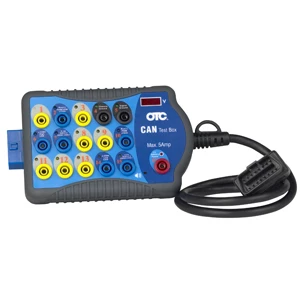
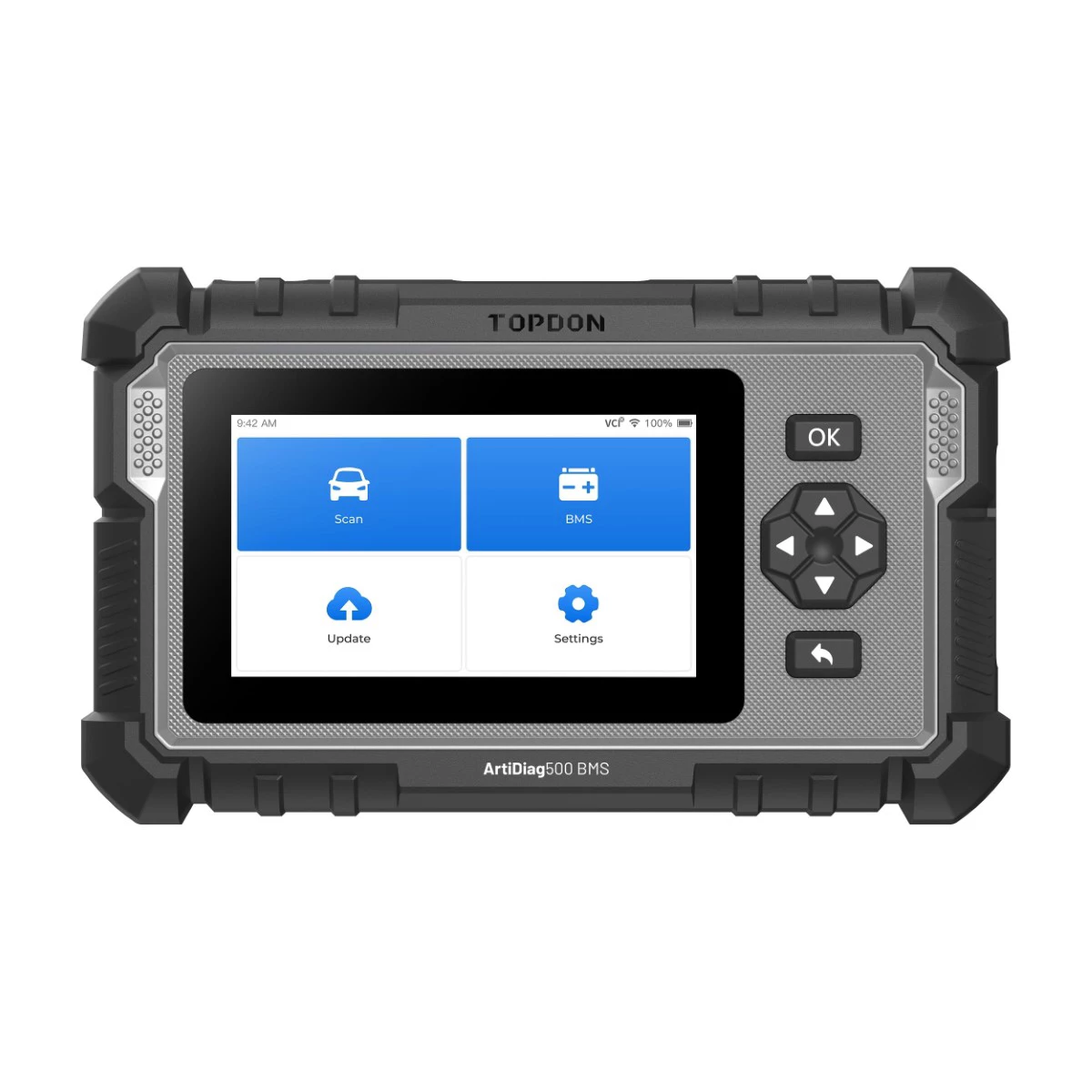
Topdon ArtiDiag500 BMS - 4-System Diagnostic Tool with BMS Reset
Mfg: TOPDON
Part #: AD500BMS
FAQ: PCV Valve Replacement
Is PCV valve replacement covered under warranty?
Yes, for 2 years/24,000 miles (basic emissions warranty) or 8 years/80,000 miles (emissions performance warranty) under EPA law. However, coverage requires proving the PCV valve failure caused emissions test failure or check engine light—simple preventative replacement isn’t covered.
Can I drive with a failing PCV valve?
Short distances to a repair shop are safe, but continued operation accelerates wear. Stuck-closed valves cause oil buildup and consumption leading to low levels and engine damage. Stuck-open valves create vacuum leaks causing rough running, poor fuel economy, and catalyst damage. Address failure within a few hundred miles.
What’s the difference between OEM and aftermarket valves?
OEM valves are factory-identical and guaranteed to meet specs. Reputable aftermarket brands (Dorman, Standard Motor Products, ACDelco) function equivalently at lower cost but may use different materials or spring rates. PCV valves are vehicle-specific—never use “universal” valves. Spend the extra $10-$20 for OEM if unsure about aftermarket quality, especially on complex PCV systems.
How often should PCV valves be replaced?
Most manufacturers don’t specify routine replacement intervals. Replace only when the valve fails or during high-mileage inspections (typically 100,000+ miles). Inspect every 30,000 miles after 100,000 total miles using the shake test—replace when the check ball no longer rattles or you observe physical damage.
Will replacing the PCV valve stop my engine from burning oil?
Yes, if a stuck-closed valve causes the problem. If oil consumption results from worn piston rings, valve stem seals, or turbocharger seals, PCV replacement won’t help. If you’re burning oil with heavy intake contamination and a clogged PCV valve, replace the valve first as the cheapest diagnostic step before pursuing expensive engine teardown.
Do all engines have PCV valves?
Nearly all gasoline engines use PCV systems, but designs vary. Traditional systems use a discrete valve in a rubber grommet on the valve cover. Many modern engines integrate PCV into the valve cover itself with molded internal passages and reed valves—replacing requires replacing the entire cover ($150-$400). European engines use complex pressure-regulated systems with electric pumps and multiple valves. Check your vehicle’s specific design before assuming a simple valve replacement will work.

The Toolsource Technical Team blends decades of real-world automotive service experience with up-to-date technical research. Our writers collaborate with professional mechanics, shop owners, and diagnostic specialists to deliver practical, workshop-ready guidance you can trust.


Follow us on social media