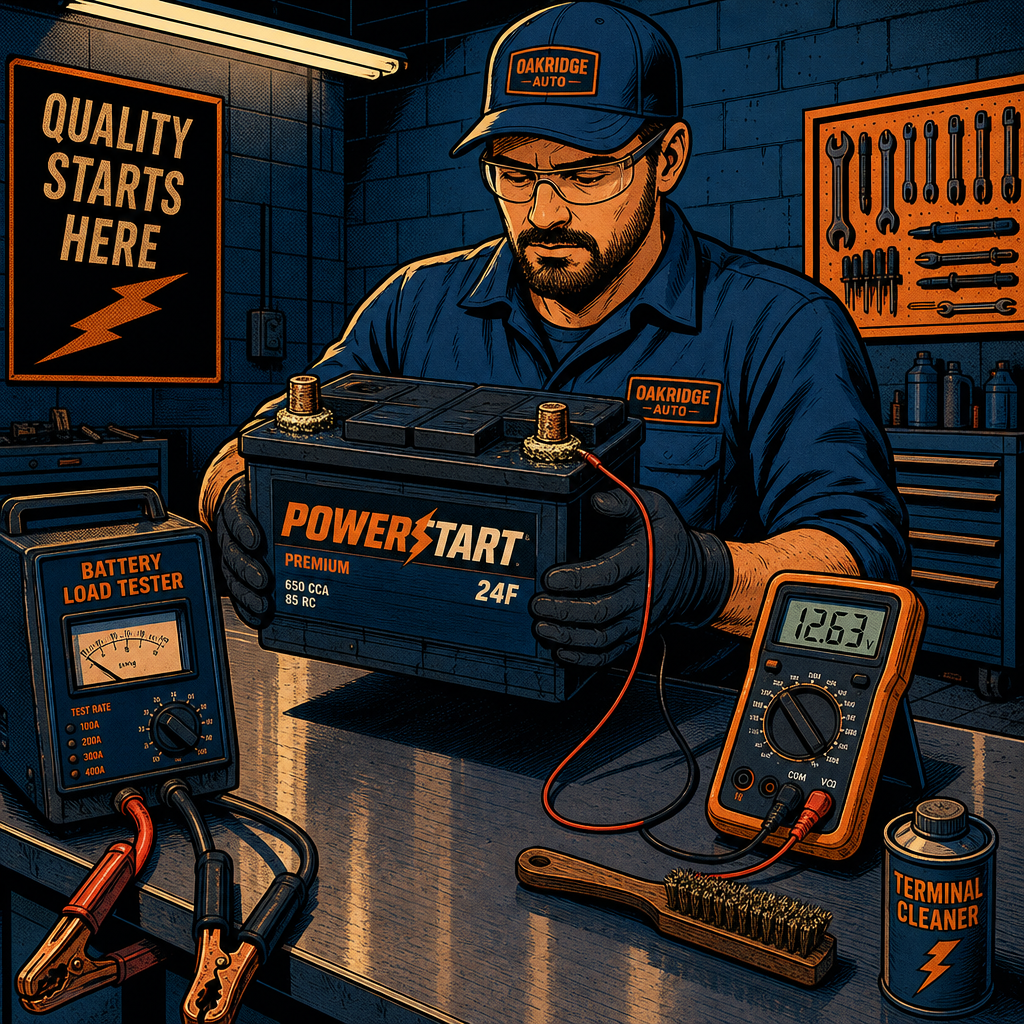
Walk into any shop and you’ll hear technicians discuss the car battery that “just won’t die.” While the automotive industry typically quotes 3-5 years as standard battery lifespan, field experience tells a different story. Some batteries fail at two years, while others soldier on for over a decade. Understanding the variables that separate premature failure from exceptional longevity gives technicians the knowledge to make informed replacement recommendations and helps customers avoid roadside failures.
Understanding Lead Acid Battery Chemistry and Realistic Service Life
Lead acid batteries—whether conventional flooded, AGM (Absorbent Glass Mat), or enhanced flooded—operate on the same fundamental electrochemical principles. Each charge-discharge cycle causes cumulative degradation of the lead plates and sulfation of active materials. Under laboratory conditions with controlled temperature, optimal charging, and regular use, quality lead acid batteries can theoretically last 10-15 years. Real-world conditions rarely match this ideal.
The 3-5 year lifespan quoted by manufacturers represents a conservative average accounting for varied climates, driving patterns, and vehicle electrical demands. AGM batteries typically outlast conventional flooded designs due to superior construction—the glass mat separator prevents active material shedding and enables better resistance to vibration and deep discharge. Premium manufacturers using higher-grade lead alloys and advanced separator materials produce batteries capable of extended service life when conditions favor longevity.
Field reports document batteries lasting 12-18 years in specific circumstances, though these represent statistical outliers rather than expected performance. A 17-year-old Varta battery still cranking 600A after 10 seconds (compared to its 760A rating) demonstrates that exceptional longevity is possible, but relying on such performance puts customers at risk of unexpected failure. The key for technicians is distinguishing between “still functional” and “still reliable.”
Climate Impact: Heat Damages, Cold Exposes Weakness
Temperature represents the single most significant environmental factor affecting battery lifespan. High ambient temperatures accelerate chemical reaction rates inside the battery, speeding up both normal operation and degradation processes. For every 15°F increase above 77°F, chemical reaction rates roughly double—this includes the unwanted reactions that break down active materials and cause grid corrosion.
Shops in hot climates like Arizona, Texas, and Florida routinely see batteries fail at 3-4 years, while the same battery chemistry in moderate climates might reach 6-8 years. Days reaching 95°F+ cause significantly more damage than cold winter temperatures. The heat causes electrolyte evaporation in flooded batteries, warps separator materials, and accelerates positive grid corrosion—the primary failure mode in high-temperature environments.
Cold weather doesn’t damage batteries directly but exposes existing weakness. A battery operating at 50% capacity due to sulfation and plate degradation might start a vehicle adequately in 70°F weather but fail completely at 0°F when cranking demand increases and available capacity drops further. Cold temperatures slow chemical reactions, reducing available current. At 0°F, a battery delivers only about 40-50% of its rated CCA (cold cranking amps). This is why batteries that “suddenly died” in winter were actually degrading throughout the previous summer—the cold simply revealed the damage.
Technicians should factor climate into replacement recommendations. A battery showing marginal test results in October won’t improve over winter. Proactive replacement in fall prevents customer inconvenience and emergency service calls during peak cold periods.
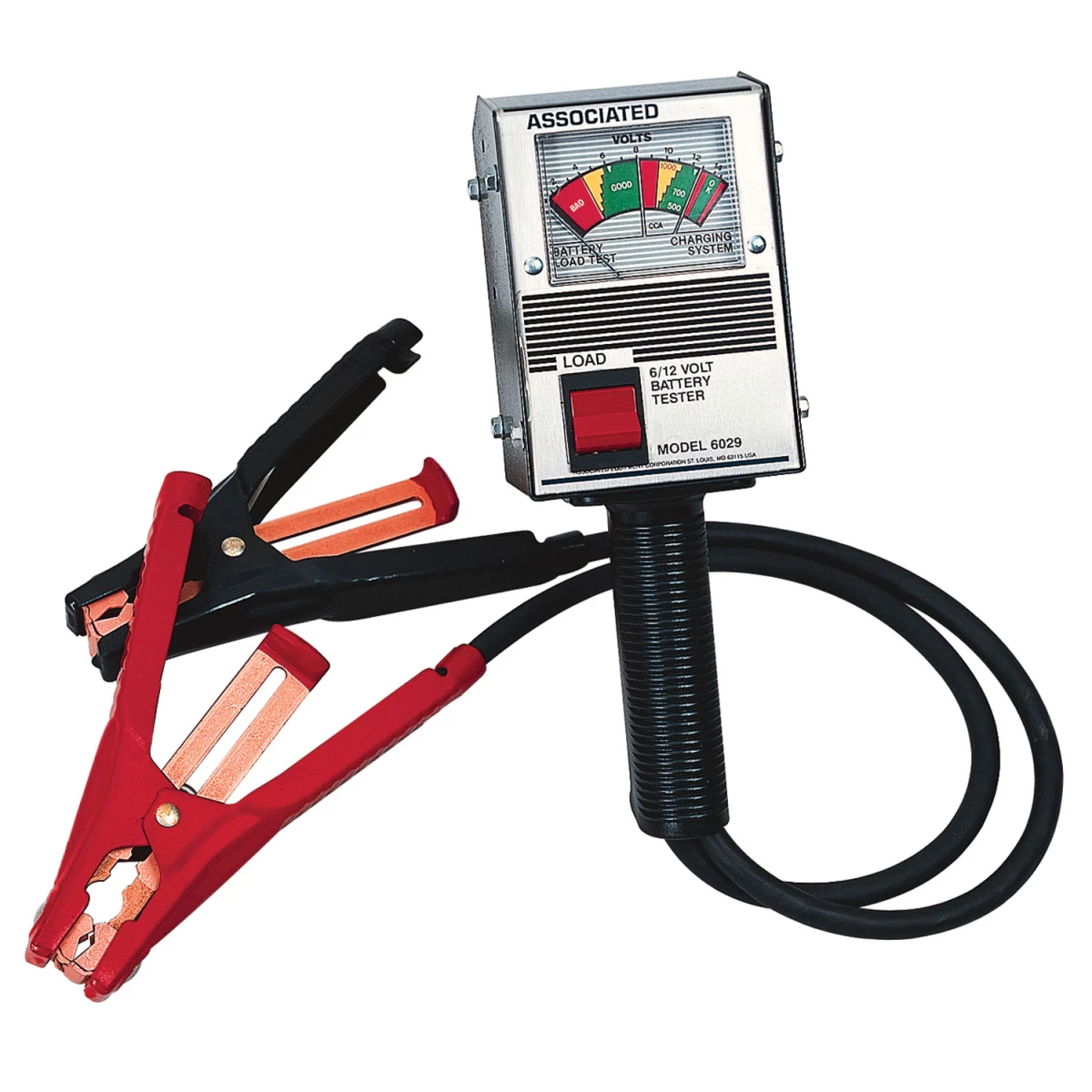
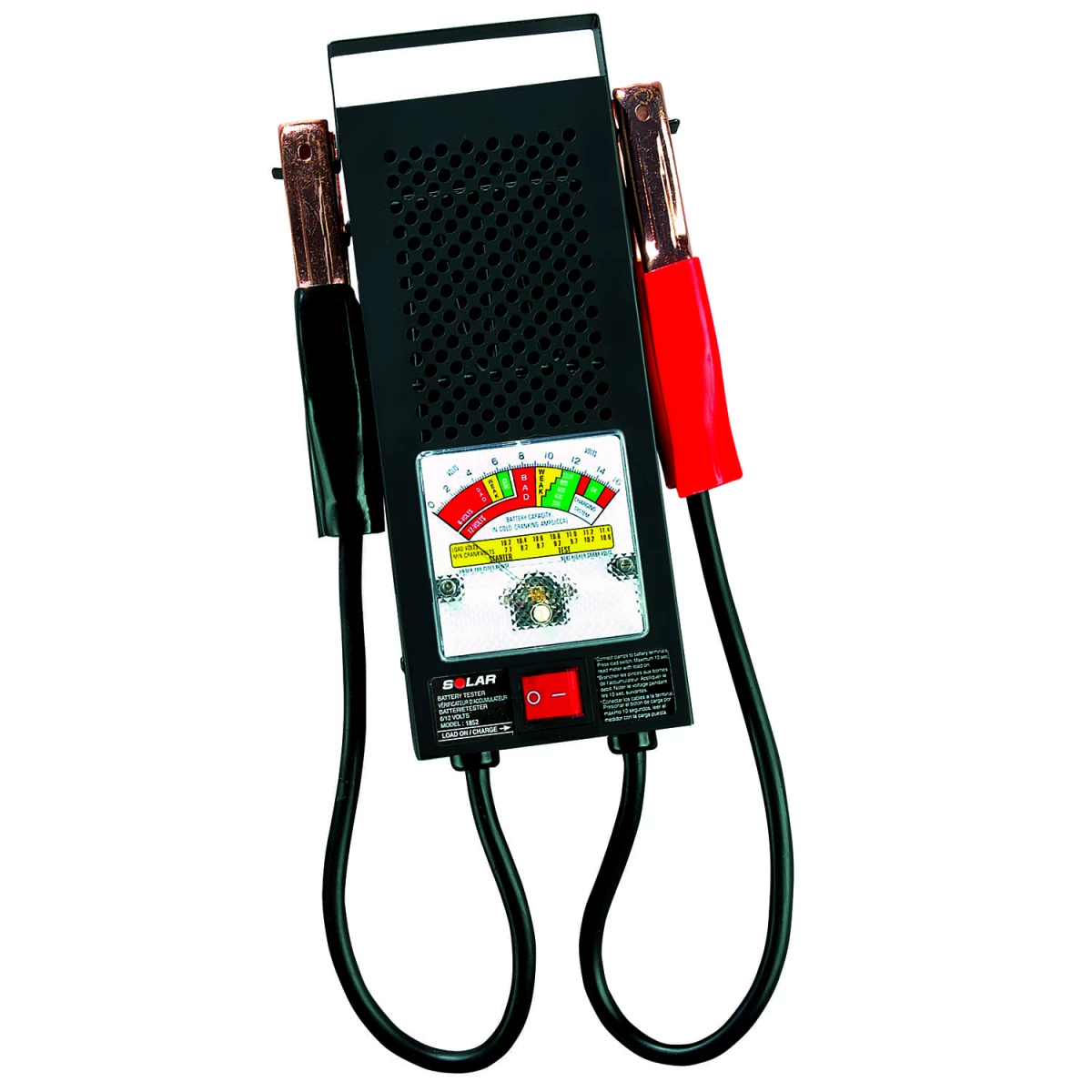
97955 3180 OTC OT3180 OT3180 OTC3180 OTC-3180 100 Amp Battery Load Tester
Mfg: OTC Tools and Equipment
Part #: 3180
ID: 97955
Driving Patterns and Charging System Health
Daily driving patterns significantly impact battery longevity. Vehicles driven regularly—especially trips longer than 20 minutes—maintain batteries in a healthy state of charge. The alternator fully recharges the battery, preventing sulfation and maintaining electrolyte mixing through normal vehicle vibration. Daily drivers can see exceptional battery life if other factors align favorably.
Short trip driving (under 10 minutes) or infrequent use creates problems. The battery discharges during cranking but never receives a full recharge. This leads to chronic undercharging, sulfation of the plates, and stratification in flooded batteries where acid concentration varies between top and bottom of the cells. Vehicles sitting for extended periods experience self-discharge, which can lead to sulfation and capacity loss. Batteries that regularly discharge deeply age much faster than those maintained at high states of charge.
Charging system health directly affects battery lifespan. An alternator producing 14.2-14.8V properly recharges and maintains the battery. Undercharging (below 13.5V) allows sulfation and never brings the battery to full charge. Overcharging (above 15V) causes excessive gassing, electrolyte loss, and heat generation—all reducing lifespan. Voltage regulators that fail and allow charging voltage swings can destroy a battery in months.
Modern vehicles with extensive electronic systems create additional demands. Cars with start-stop systems, multiple computers, and always-on connectivity features stress batteries more than older vehicles. Premium AGM batteries with proper battery management systems (BMS) handle these demands, but installing a standard flooded battery in a vehicle designed for AGM leads to premature failure.
Testing Procedures: Beyond “It Still Starts the Car”
Proper battery testing requires more than observing whether the engine cranks. Technicians need objective measurements to assess actual condition and remaining service life. A multi-step testing protocol provides reliable data for replacement recommendations:
Visual Inspection: Check for physical damage, corrosion, case swelling, and electrolyte leaks. Inspect terminal condition and cable connections. Verify the production date stamp—most batteries display week and year codes on the negative terminal or case label. A battery approaching 5-7 years deserves extra scrutiny regardless of test results.
State of Charge Test: Measure open circuit voltage after the battery sits disconnected for 2-4 hours. A fully charged battery should read 12.6-12.8V. Below 12.4V indicates partial discharge; below 12.0V suggests significant discharge or cell damage. Charge the battery before conducting load tests if voltage is low.
Load Test: Apply a load equal to half the CCA rating for 15 seconds while monitoring voltage. At 70°F, voltage should not drop below 9.6V during the test. Lower temperatures require adjusting pass/fail criteria—use manufacturer specifications. A battery dropping below threshold voltage has insufficient capacity for reliable starting.
Conductance Testing: Electronic testers measure the battery’s ability to conduct current, providing CCA estimates and pass/fail recommendations. These testers work quickly and don’t fully discharge the battery like traditional load testing. Results correlate well with actual performance when the tester is properly calibrated and the battery terminals are clean.
Cranking Voltage Test: Monitor battery voltage during actual engine cranking. Voltage should remain above 9.6V during cranking (at normal temperatures). Significant voltage drop indicates internal resistance from sulfation, plate degradation, or poor connections.
Document test results and compare against previous measurements when available. A battery showing 600A available versus its 760A rating still functions but has lost 21% of capacity. This might start the car reliably in moderate weather but could fail during the next cold snap. Technicians must balance “still works” against “reliable enough to avoid comeback work.”
Proactive Replacement Versus Reactive Failure
The decision to recommend battery replacement involves risk assessment. Waiting until complete failure means potential customer inconvenience, roadside service calls, and damage to the shop’s reputation. Replacing batteries “too early” appears as unnecessary upselling. The balance lies in objective assessment and clear communication.
Recommend proactive replacement when batteries show these indicators:
- Age exceeds 5-7 years in moderate climates or 3-5 years in extreme heat
- Load test or conductance test shows capacity below 75% of rating
- Cranking voltage drops below 9.6V during starting
- Customer reports slower cranking or recent jump-starts
- Vehicle entering winter season with marginal test results
- Battery shows physical deterioration (case swelling, terminal corrosion, electrolyte leaks)
- Charging system recently repaired—old battery may not recover from extended undercharging
Present replacement recommendations with test data. “Your battery tested at 520 CCA versus its 750 CCA rating—that’s 69% capacity. It might start the car now, but winter temperatures will push it past its limit. I recommend replacement before cold weather arrives” provides clear rationale. Customers understand objective measurements better than vague warnings about “old batteries.”
For customers declining immediate replacement, document the test results and recommendation. Schedule a follow-up inspection in 3-6 months, or advise checking the battery before the next seasonal extreme. This protects the shop while respecting customer decisions.
Maintenance Practices That Extend Battery Life

While batteries inevitably age, proper maintenance maximizes service life. Implement these practices for customer vehicles and shop equipment:
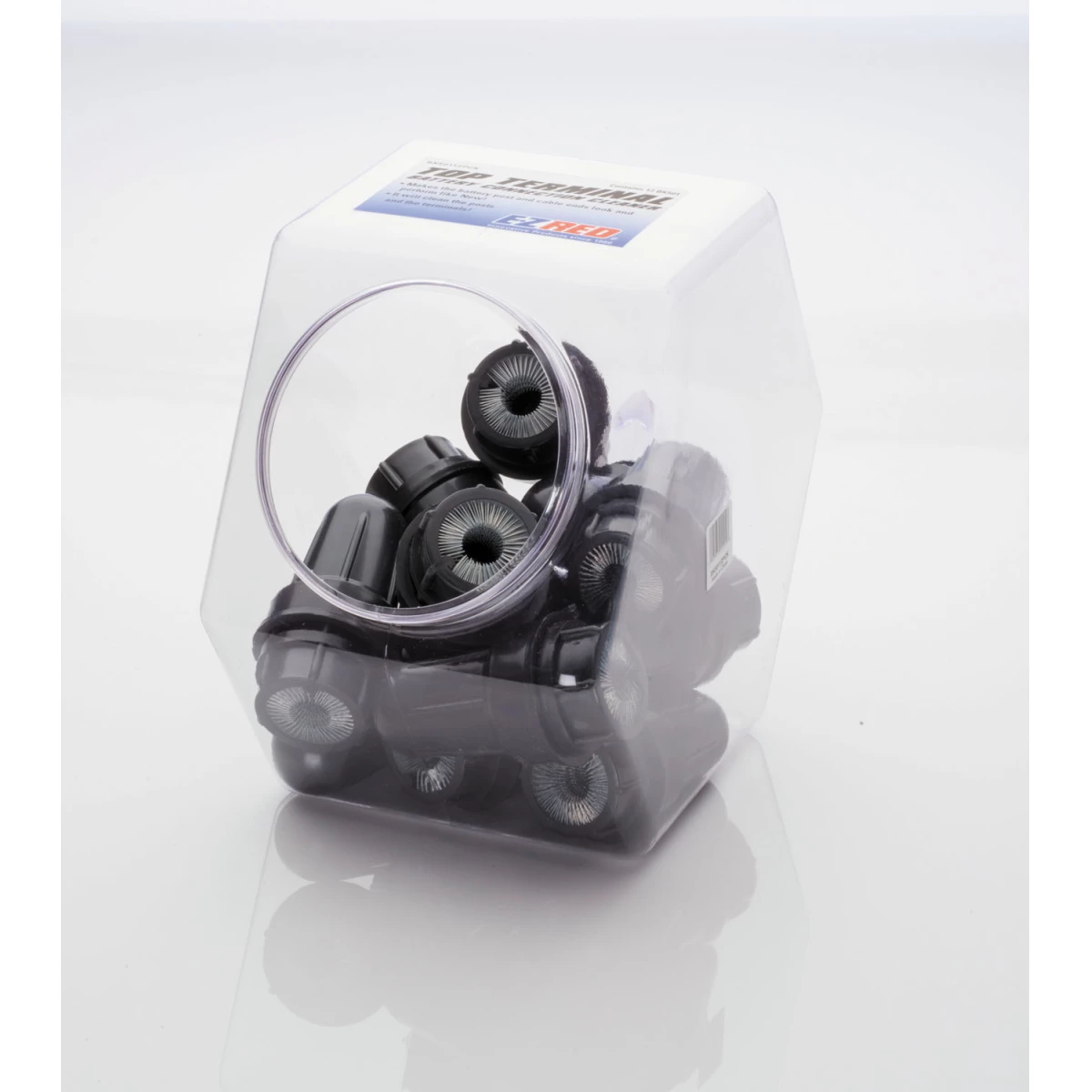
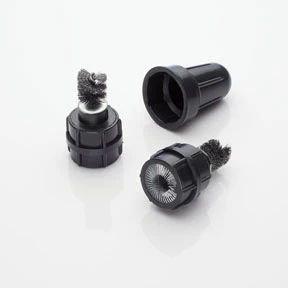
Maintain Clean Connections: Corrosion at terminals increases resistance, creating voltage drop and heat. Clean terminals annually using a wire brush and apply dielectric grease or terminal protector spray. Ensure cable connections are tight—loose connections cause arcing and resistance.
Address Charging System Issues Promptly: Test charging system voltage and output whenever batteries come in for service. Catching alternator problems early prevents battery damage from chronic undercharging or overcharging.
Use Maintainers for Stored Vehicles: Vehicles sitting for extended periods benefit from battery maintainers (trickle chargers with smart charging logic). These devices prevent self-discharge and sulfation during storage. Recommend maintainers for customer vehicles stored seasonally or driven infrequently.
Regular Charging for Infrequent-Use Vehicles: Vehicles driven less than weekly should have batteries charged every 2-3 weeks to maintain full charge and prevent sulfation. A quality multi-stage charger with maintenance mode works better than quick charging.
Check Electrolyte Levels in Flooded Batteries: Batteries with removable caps require periodic electrolyte level inspection. Add distilled water as needed to keep plates covered—never add acid. Check levels more frequently in hot climates where evaporation accelerates.
Verify Proper Battery Specification: Installing the correct battery type (flooded versus AGM) and capacity rating prevents premature failure. Vehicles with start-stop systems or extensive electronics require AGM batteries with appropriate specifications—check OEM recommendations rather than assuming “any battery that fits” will work.
Battery Replacement Quick Reference
Use this checklist when evaluating batteries for replacement:
- Verify battery age from date code stamp
- Perform visual inspection for physical damage
- Measure open circuit voltage after rest period
- Conduct load test or conductance test
- Check cranking voltage during actual start
- Test charging system voltage and amperage output
- Compare current test results against previous measurements
- Factor in climate conditions and upcoming seasonal changes
- Consider driving patterns and vehicle electrical demands
- Document findings and recommendations
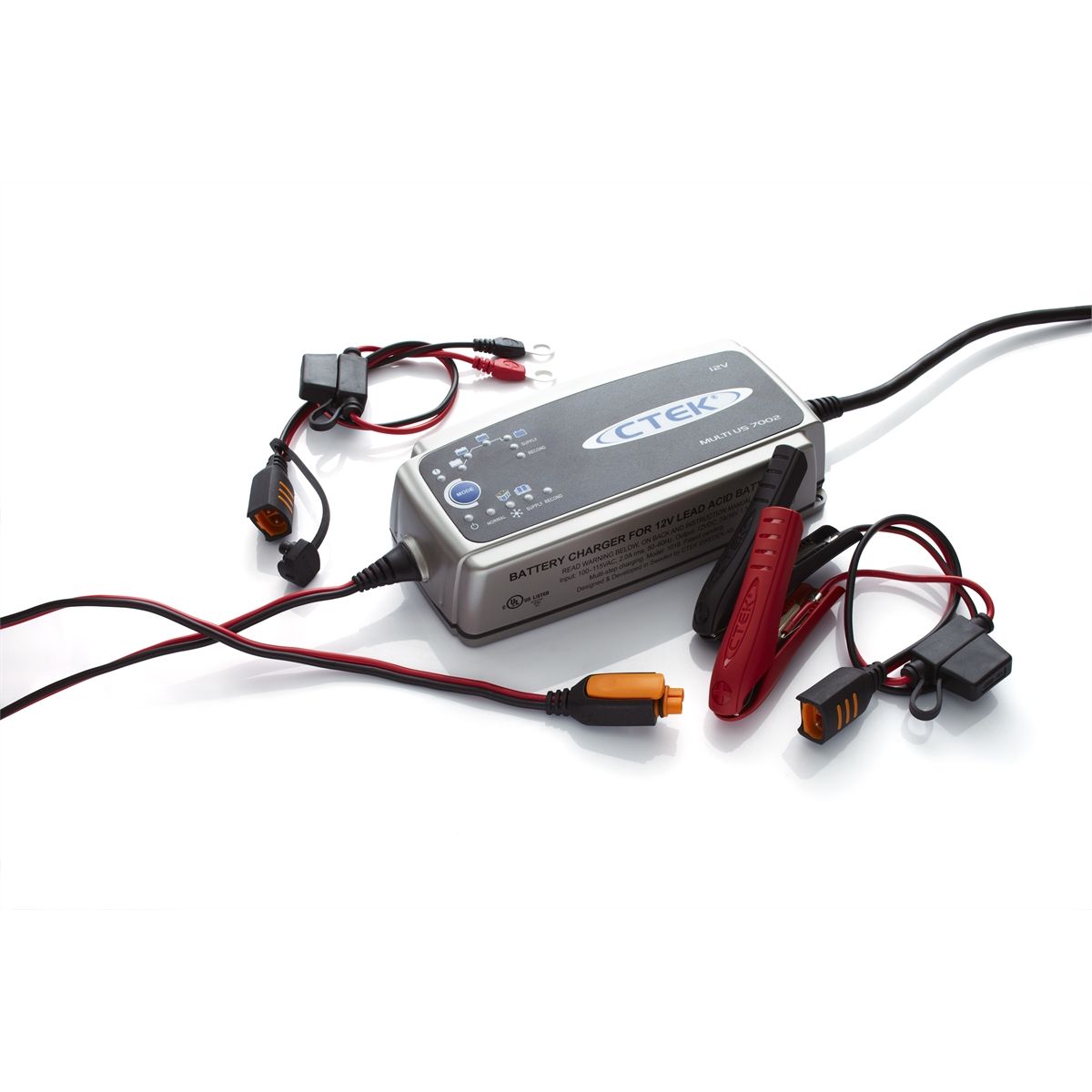
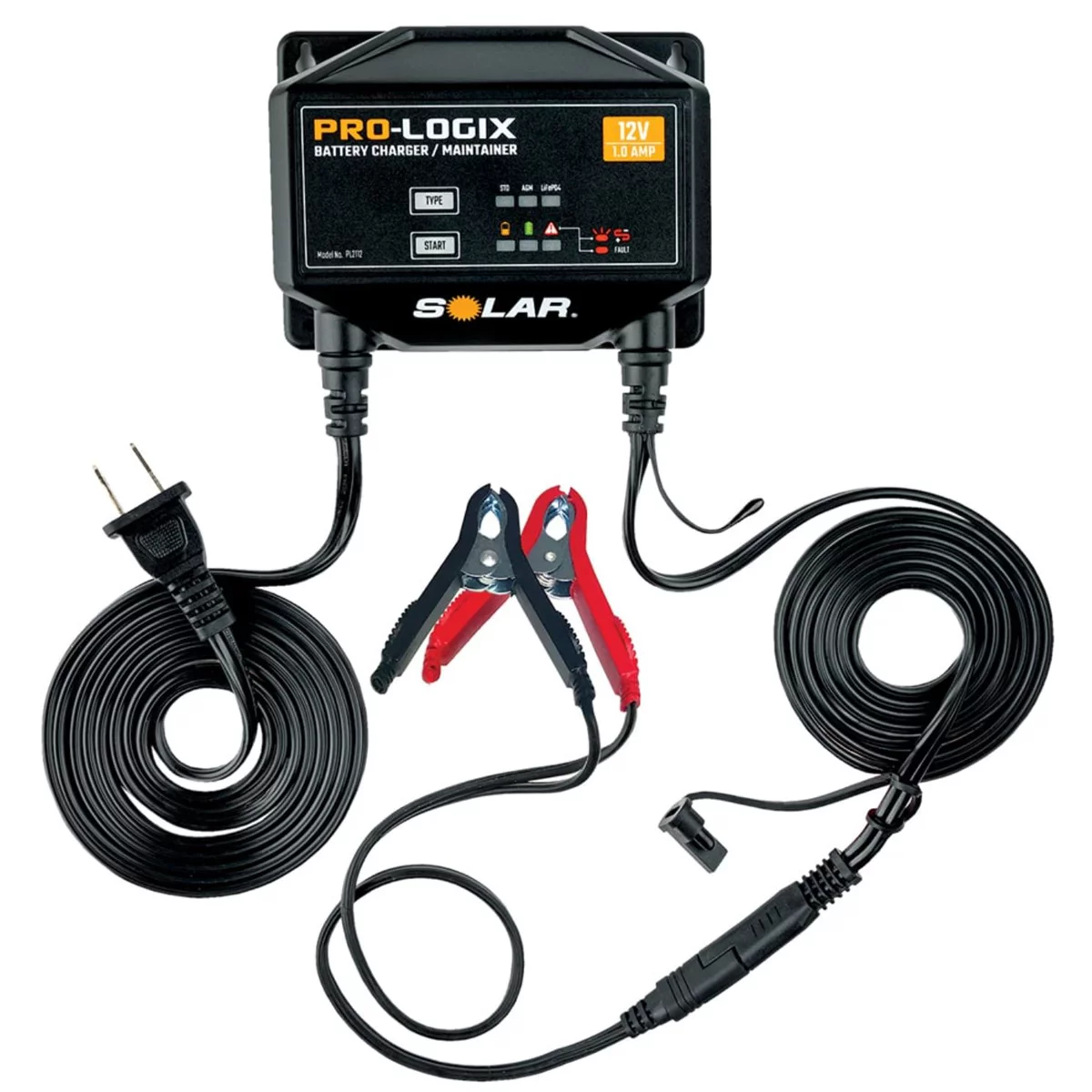
1.0 Amp 12V Intelligent Battery Charger / Maintainer
Mfg: Clore Automotive LLC
Part #: PL2112
ID: 359433
Frequently Asked Questions
Can a car battery really last 10-15 years?
Yes, though it’s uncommon. Exceptional longevity requires optimal conditions: moderate climate, daily driving with sufficient charge time, healthy charging system, and quality battery chemistry. AGM batteries in well-maintained vehicles driven regularly in moderate climates occasionally reach 10-12 years. Expecting this performance from every battery leads to customer failures.
Why do batteries fail more often in hot climates?
High temperatures accelerate chemical reactions inside the battery, speeding up normal degradation processes. Heat causes electrolyte evaporation, separator damage, and grid corrosion—the primary failure modes in hot environments. A battery lasting 7 years in Minnesota might only reach 3-4 years in Arizona despite identical vehicle and usage patterns.
Should batteries be replaced on a fixed schedule regardless of testing?
Scheduled replacement at 5 years provides good risk management, but testing-based replacement is more accurate. A battery testing at 85% capacity at six years still has useful life, while another battery at three years showing 60% capacity needs immediate replacement. Combine age-based guidelines with regular testing for best results.
Do AGM batteries always last longer than flooded batteries?
AGM batteries typically outlast flooded designs due to superior construction and resistance to vibration, deep discharge, and sulfation. However, AGM batteries cost significantly more and must be charged properly—overcharging or undercharging damages AGM batteries as readily as flooded types. The longevity advantage appears primarily in demanding applications with frequent cycling or vehicles with start-stop systems.
What causes a battery to “suddenly fail” when it worked yesterday?
Batteries rarely fail suddenly—they degrade gradually over months or years. What appears as sudden failure usually results from environmental change exposing existing weakness. A battery at 50% capacity might start adequately in warm weather but fail completely when overnight temperatures drop to 0°F. The cold didn’t kill the battery; it revealed degradation that occurred during previous months of high-temperature operation.
Is it worth testing a battery that still starts the car reliably?
Yes. Starting the engine successfully only proves the battery currently has sufficient capacity—it doesn’t indicate remaining service life or reliability margin. Testing reveals degradation before complete failure, allowing proactive replacement rather than roadside emergency service. A battery testing at 65% capacity still starts the car today but will likely fail within the next seasonal temperature extreme.
Battery Diagnostics & Testing Equipment
Proper battery assessment requires objective measurements beyond visual inspection. The testing procedures outlined above—load tests, conductance testing, and voltage monitoring—demand reliable diagnostic tools and charging equipment to make informed replacement decisions.
- Load testers and conductance analyzers for accurate capacity assessment
- Multi-stage chargers for battery maintenance and recovery
- Digital multimeters and specialized diagnostic tools for voltage and charging system verification
Explore our Battery Diagnostics & Charging selection to find the right tools for your shop.
Essential Battery & Electrical Tools
Extend your car battery’s lifespan and handle electrical maintenance like a pro. Our comprehensive selection of battery maintenance and diagnostic tools will help you keep your vehicle running strong for years to come.
- Battery Testers & Chargers – Accurately diagnose battery health and optimize charging cycles
- Multimeters & Electrical Diagnostic Tools – Monitor voltage and identify electrical system issues before they drain your battery
- Battery Terminals & Cable Kits – Replace corroded connections to ensure peak battery performance

The Toolsource Technical Team blends decades of real-world automotive service experience with up-to-date technical research. Our writers collaborate with professional mechanics, shop owners, and diagnostic specialists to deliver practical, workshop-ready guidance you can trust.


Follow us on social media