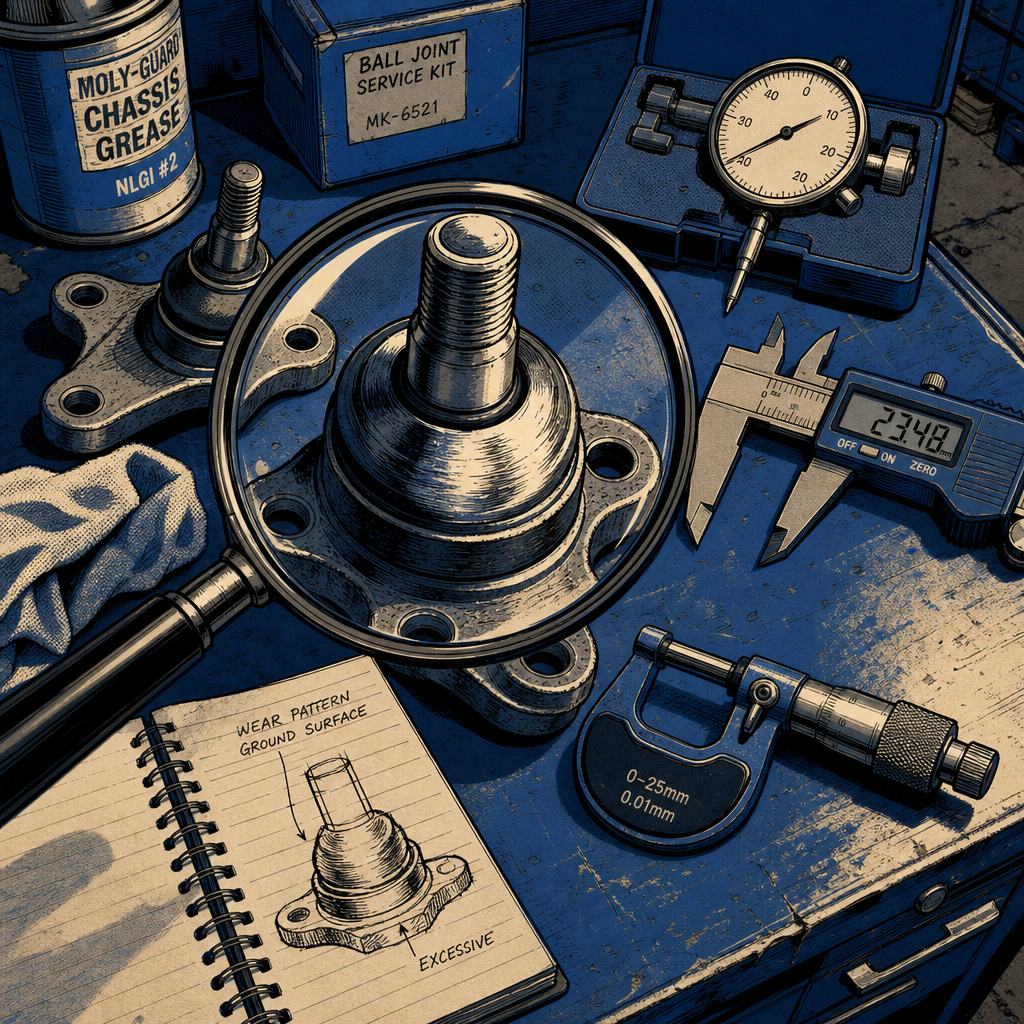
When you open a box of aftermarket ball joints or suspension components and notice rough grinding marks where a logo or part number should be, it’s natural to wonder if you’ve received a defective or refurbished part. The reality is quite different—and far more common than most technicians realize. Those ground-off markings typically indicate you’re holding an Original Equipment (OE) part manufactured by the same Tier 1 supplier that produces components for major automakers, just without the premium branding and dealer markup. Understanding why manufacturers like Lemförder, TRW, Aisin, and Melling remove these identifying marks explains not only the practice itself but also helps you identify quality parts and avoid paying unnecessary premiums for identical components.
Why Manufacturers Grind Off OEM Logos and Part Numbers
The practice of removing cast or stamped logos comes down to contractual obligations and manufacturing economics. Tier 1 suppliers like Lemförder manufacture suspension components for multiple automakers under contract. These contracts typically grant the vehicle manufacturer exclusive rights to their trademark on parts, meaning Lemförder cannot legally sell a ball joint with a BMW, Mercedes, Volkswagen, or Audi logo unless it’s going through that manufacturer’s official distribution channels.
Rather than maintain separate casting molds and tooling for OEM and aftermarket production runs—an enormously expensive proposition—manufacturers use the same dies and molds for both. The OEM logo is cast or stamped into every part during manufacturing. Parts destined for dealership shelves keep the branding intact. Parts sold through independent aftermarket channels have the trademark mechanically removed, usually by grinding or machining, before packaging under the supplier’s own brand name.
This process is significantly cheaper than retooling. A single casting die can cost tens of thousands of dollars or more. The labor to grind off a logo, even if done manually, costs a fraction of that expense when spread across production volumes. You’ll see this practice most commonly with European OE suppliers serving VAG (Volkswagen Auto Group), BMW, Mercedes-Benz, and other premium brands, though it also occurs with domestic suppliers like Melling for Ford components and Aisin for Toyota, Honda, and other Asian manufacturers.
Identifying Legitimate OE Parts With Removed Branding
Not every part with grinding marks is automatically OE quality, but certain indicators help distinguish genuine OE parts from lower-grade aftermarket alternatives. First, examine the brand name on the packaging. Established Tier 1 suppliers include Lemförder (suspension and steering), TRW (steering and braking), Aisin (transmissions, braking, engine components), Gates (belts and tensioners), Hutchinson (mounts and hoses), Sankei (suspension for Asian vehicles), and Melling (oil pumps and engine components for domestic brands).
Second, compare the ground area against the original part removed from the vehicle. The location, size, and shape of the removed marking should align exactly with where the OEM logo appears on dealer parts. The grinding itself may look rough—often performed quickly by hand at the end of the production line—but the surrounding casting quality, machining tolerances, and finish should match OEM standards.
Third, check packaging and documentation. Reputable parts retailers like FCP Euro, RockAuto, and others often explicitly label these parts as “OE” or “OE Quality” rather than “OEM” (a distinction worth understanding—OE means Original Equipment manufacturer, while OEM technically refers to parts sold through the vehicle manufacturer’s channels). Many online listings include photos showing the ground-off area and explain the practice in product descriptions.
Finally, examine the part itself for quality markers beyond the removed logo. Check for clean machining on threaded holes, proper surface finish on mating surfaces, consistent casting quality without porosity or inclusions, and appropriate protective coatings. Legitimate OE parts maintain the same manufacturing standards whether they carry dealer branding or not.
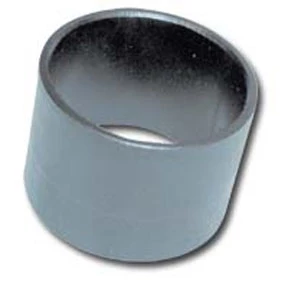
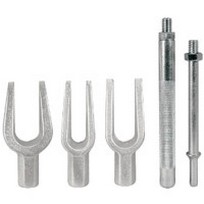
Ball Joint Receiver Tool - 2 1/2 In OD 2 1/4 In ID
Mfg: OTC Tools and Equipment
Part #: 29504
Material Quality and Structural Integrity Concerns
A common concern among technicians encountering ground-off markings for the first time centers on whether removing material compromises structural integrity or accelerates corrosion. In practice, neither issue presents a real-world problem with legitimate OE parts.
The grinding process removes only surface material—typically a few thousandths of an inch from a non-structural boss or flat area specifically designed to carry identification markings. Engineers design these surfaces with sufficient material thickness that minor surface removal doesn’t affect the part’s load-bearing capacity or fatigue life. The grinding occurs on areas like mounting flanges, dust shields, or attachment plates, not on critical stress points like ball stud shanks, bearing races, or suspension arm channels.
Regarding corrosion, most modern ball joints and suspension components use aluminum alloy castings or forgings for weight reduction. Aluminum forms a passive oxide layer that resists further corrosion, making additional surface protection largely unnecessary in these areas. Even on steel components, the ground surface doesn’t receive special anti-corrosion treatment that would be compromised by removal. If you’re working in severe salt-belt environments and want additional protection, a quick coat of spray paint or corrosion inhibitor on the exposed metal takes minimal time and provides peace of mind, though corrosion failure typically isn’t the limiting factor in ball joint or control arm service life anyway.
One caveat: be wary of parts with grinding in unusual locations or that show evidence of attempting to hide damage or poor casting quality. Legitimate logo removal occurs in predictable locations (where OEM branding appears on dealer parts) and shows relatively uniform grinding depth. Irregular grinding, removal of part numbers from critical surfaces, or grinding that appears to hide casting flaws suggests a different kind of problem entirely.
The Economics: Understanding OE Versus OEM Versus Genuine Parts
The terminology around automotive parts confuses even experienced technicians, but understanding the distinctions helps explain pricing and value. “Genuine” parts come in OEM packaging with the vehicle manufacturer’s branding and are sold through dealership parts departments. These carry the highest price point due to dealer overhead, branding premiums, and guaranteed fitment/warranty support through the manufacturer.
“OEM” technically means Original Equipment Manufacturer and should refer to Genuine parts, but the term has been diluted through marketing to sometimes mean “OEM quality” or “meets OEM specifications.” This ambiguity makes it less useful as a purchasing criterion.
“OE” means Original Equipment and refers to parts manufactured by the same Tier 1 supplier that produces Genuine parts, but sold under the supplier’s brand name through independent channels. These are the parts with ground-off logos we’re discussing. They’re manufactured to the same specifications, on the same tooling, often in the same production runs as Genuine parts, but cost 30-70% less because you’re not paying for dealer distribution and manufacturer branding.
“Aftermarket” is a broad category encompassing everything from premium OE suppliers to bargain-basement reproductions. Quality varies enormously. Some aftermarket parts exceed OE specifications with upgraded materials or improved designs. Others barely function and fail prematurely. Brand reputation and supplier relationships matter significantly in this category.
For suspension and steering work where safety and longevity matter, OE parts from recognized Tier 1 suppliers offer the best value proposition for most repairs. You get OEM-equivalent quality at aftermarket pricing. Reserve Genuine parts for warranty work, customer preference, or situations where you need absolute documentation of parts provenance. Use budget aftermarket cautiously and only where failure won’t compromise safety or lead to expensive comebacks.
Installation Considerations and Quality Control Steps
Installing OE parts with removed branding requires the same procedures as any suspension work, but a few additional quality control steps help ensure you’re getting what you paid for. Before installation, perform a visual comparison between the old and new parts. They should be identical in dimensions, mounting hole locations, thread pitch and diameter, ball stud taper, and overall geometry. The only difference should be the ground-off marking area.
Check critical dimensions with calipers if anything looks questionable. Ball stud taper, mounting bolt hole spacing, and overall length should match within normal manufacturing tolerances (typically ±0.5mm for most suspension components). Verify thread engagement on ball stud nuts and mounting bolts—threads should be clean, properly formed, and engage smoothly without cross-threading or excessive resistance.
Inspect boots, seals, and dust shields for proper fit and quality. These components often differentiate quality parts from cheap reproductions. OE parts use proper elastomer compounds with correct durometer ratings and include proper retaining clips or crimps. Budget aftermarket parts frequently cut corners here with thin rubber boots that tear during installation or deteriorate rapidly in service.
During installation, follow torque specifications precisely and use proper installation techniques. Many ball joint and suspension component failures stem from improper installation rather than part quality issues. Use the correct press adapters, drive ball stud tapers fully home before torquing nuts, and apply thread locking compound where specified. Don’t assume parts are interchangeable across model years even within the same platform—verify fitment before installation, especially when using cross-referenced part numbers.
After installation, perform a thorough inspection of the work area. Verify that boots aren’t twisted or torn, all fasteners are properly torqued, nothing interferes with suspension travel through full range of motion, and alignment geometry appears correct before final alignment. Document the parts installed including brand name and part number for warranty purposes and future reference.
Common Applications and Supplier Relationships
Certain manufacturer-supplier relationships appear so frequently that they’re worth memorizing for efficient parts sourcing. Lemförder dominates German suspension and steering components, manufacturing OE parts for Volkswagen, Audi, BMW, Mercedes-Benz, and Porsche. When you see Lemförder ball joints, control arms, tie rods, or stabilizer links with ground-off markings, they almost certainly carried VAG or BMW branding originally.
TRW supplies steering and suspension components across multiple manufacturers but is particularly common in Ford, GM, and European applications. Aisin manufactures transmissions and related components for Toyota but also supplies braking, steering, and engine parts across Asian and domestic brands. Melling produces oil pumps and engine components primarily for Ford applications. Gates supplies timing belts, serpentine belts, and tensioners across virtually all manufacturers. Hutchinson manufactures engine mounts, transmission mounts, and hoses for European brands particularly.
Understanding these relationships helps with parts sourcing and cross-referencing. If you’re looking for a lower control arm for a VW and find a Lemförder part at a fraction of dealer price with a ground-off logo area, you can proceed with confidence. If you’re sourcing brake components for a Toyota and find Aisin parts similarly marked, same situation. Building familiarity with which Tier 1 suppliers serve which manufacturers accelerates parts identification and helps avoid both overpaying for branding and falling for low-quality reproductions.
Pre-Installation Checklist for Parts With Removed Branding
- Verify the supplier is a recognized Tier 1 OE manufacturer (Lemförder, TRW, Aisin, Melling, Gates, Hutchinson, Sankei, etc.)
- Compare the new part directly against the removed component for dimensional accuracy
- Inspect the location and appearance of ground-off markings—should match OEM logo location
- Check casting and machining quality for porosity, rough threads, or poor surface finish
- Examine boots, seals, and dust shields for proper material quality and fit
- Verify thread pitch and engagement on all threaded connections
- Confirm part number cross-reference matches your specific vehicle year and model
- Test-fit critical clearances before final installation when possible
- Document installed parts including brand, part number, and date for warranty purposes
Frequently Asked Questions
Are parts with ground-off logos refurbished or used?
No. These are new parts manufactured by OE suppliers using the same tooling as dealer parts. The grinding removes contractual branding to allow sale through independent channels. Quality and materials are identical to Genuine parts.
Will grinding off the logo cause rust or corrosion problems?
Not in practice. Most modern suspension components use aluminum alloys that resist corrosion naturally. The grinding removes only surface material from non-structural areas. If working in severe salt environments, a quick coat of paint adds protection, but corrosion at the ground surface rarely causes failure before normal wear-out.
Why does the grinding look so rough and inconsistent?
Manufacturers typically remove logos manually with handheld grinders at the end of the production line since it’s cheaper than retooling. The rough appearance doesn’t indicate poor quality—the part underneath was manufactured to the same standards as dealer parts. The grinding is cosmetic removal of intellectual property, not precision machining.
Can I trust aftermarket brands I’ve never heard of with ground-off markings?
Stick with recognized Tier 1 suppliers: Lemförder, TRW, Aisin, Melling, Gates, Hutchinson, and similar established manufacturers. Unknown brands with ground-off markings may be attempting to disguise low-quality reproductions. Verify the manufacturer’s reputation before trusting critical suspension or steering components.
Do these parts carry the same warranty as dealer parts?
Warranty terms depend on the retailer, not the manufacturer. Many online parts suppliers offer lifetime warranties on OE parts that exceed dealer warranty periods. Read warranty terms carefully and keep documentation. The parts themselves are identical in quality to dealer parts even if warranty coverage differs.
Is it legal for manufacturers to grind off logos and sell parts this way?
Yes, completely legal. Manufacturers own the tooling and have the right to sell parts they produce. Grinding off the vehicle manufacturer’s trademark complies with licensing agreements that restrict use of those marks to authorized dealer channels. Snap-On unsuccessfully sued Harbor Freight over this practice, establishing legal precedent that it’s permissible.
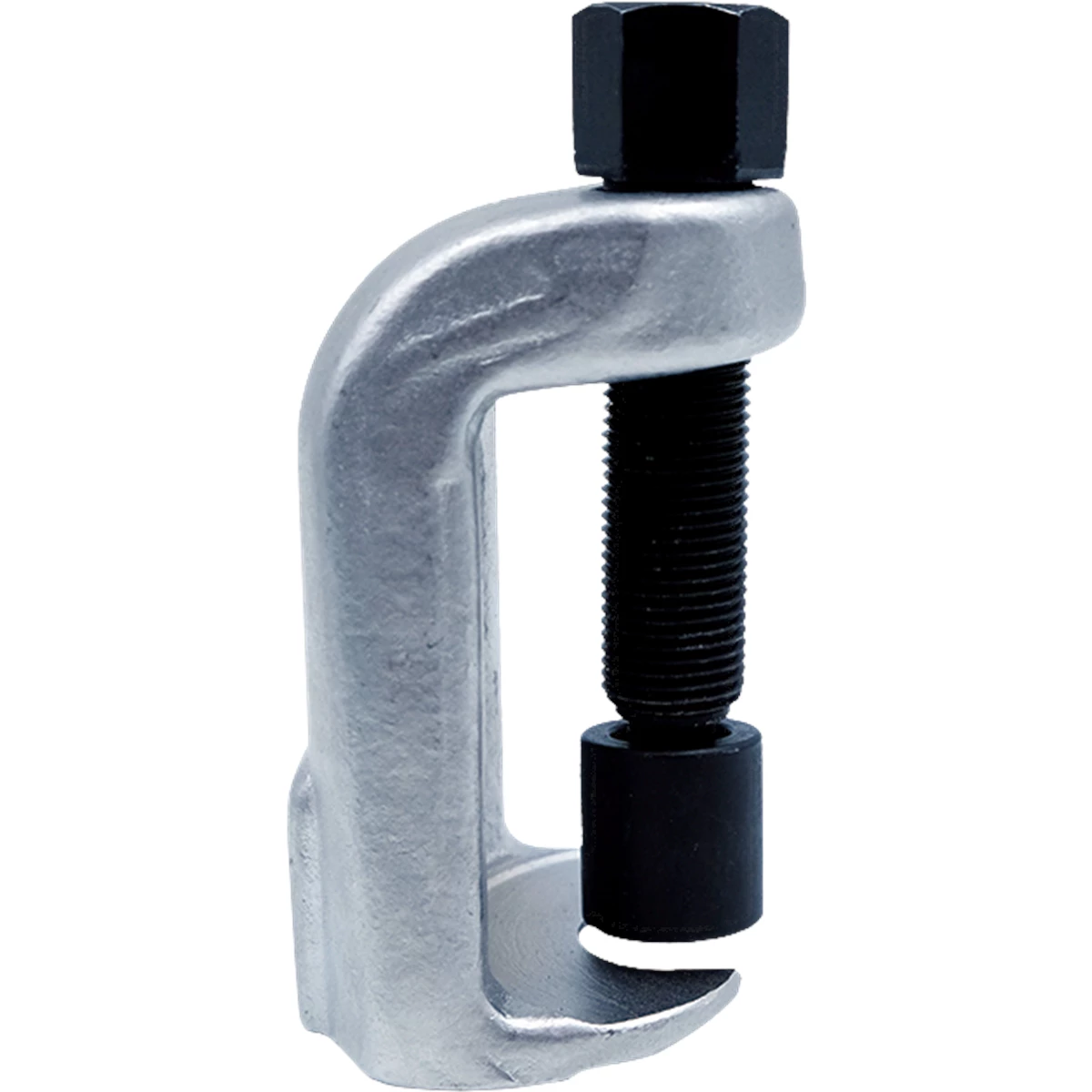
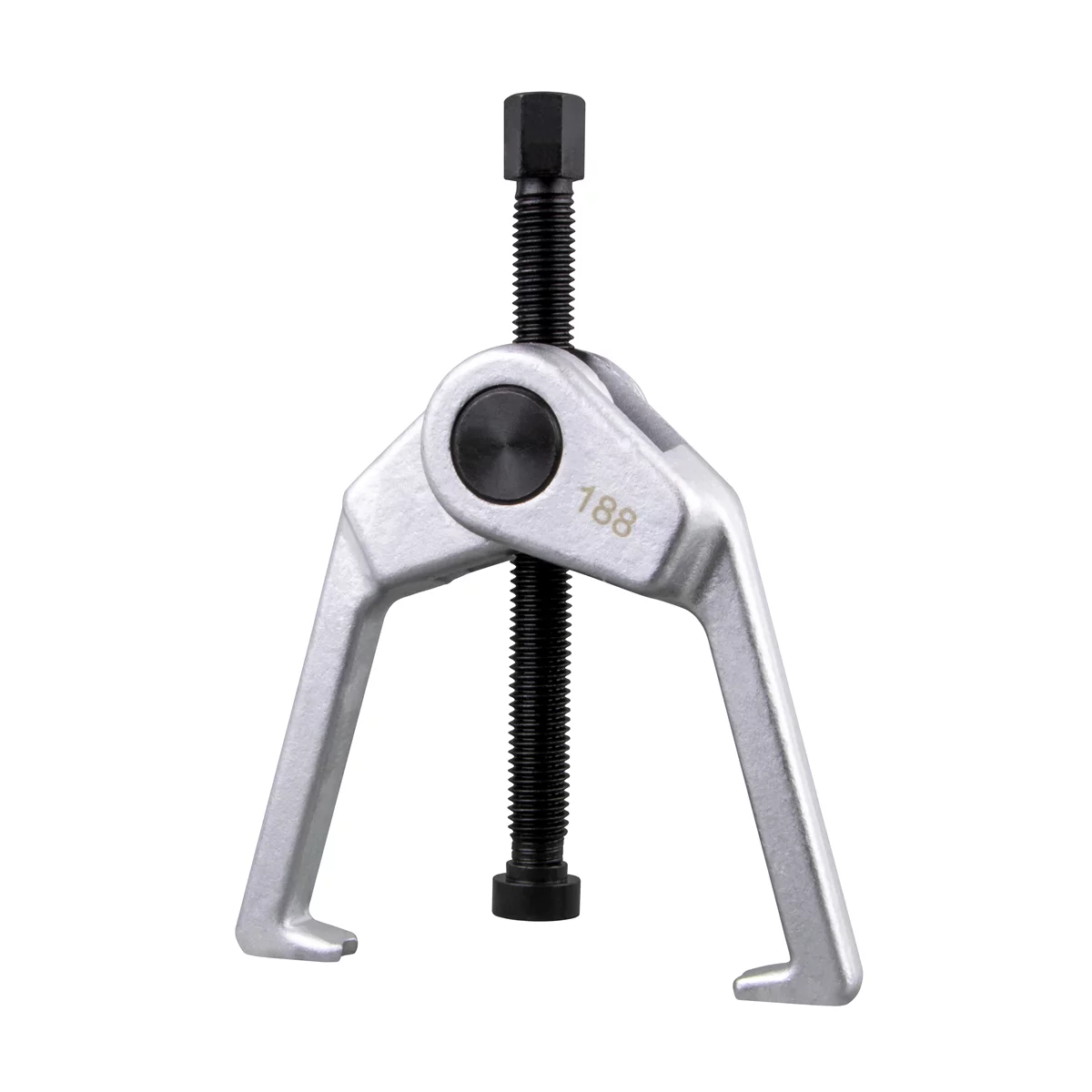
Recommended Tools for Ball Joint & Tie Rod Work
Proper installation of ball joints and tie rod components requires the right tools to ensure accurate fitment and correct torque specifications. Our Ball Joint – Tie Rod Tools selection includes everything needed for safe, precise suspension work.
- Press adapters and pullers for proper component removal and installation
- Torque wrenches and sockets for specification-accurate fastening
- Measurement and comparison tools for dimensional verification

The Toolsource Technical Team blends decades of real-world automotive service experience with up-to-date technical research. Our writers collaborate with professional mechanics, shop owners, and diagnostic specialists to deliver practical, workshop-ready guidance you can trust.


Follow us on social media