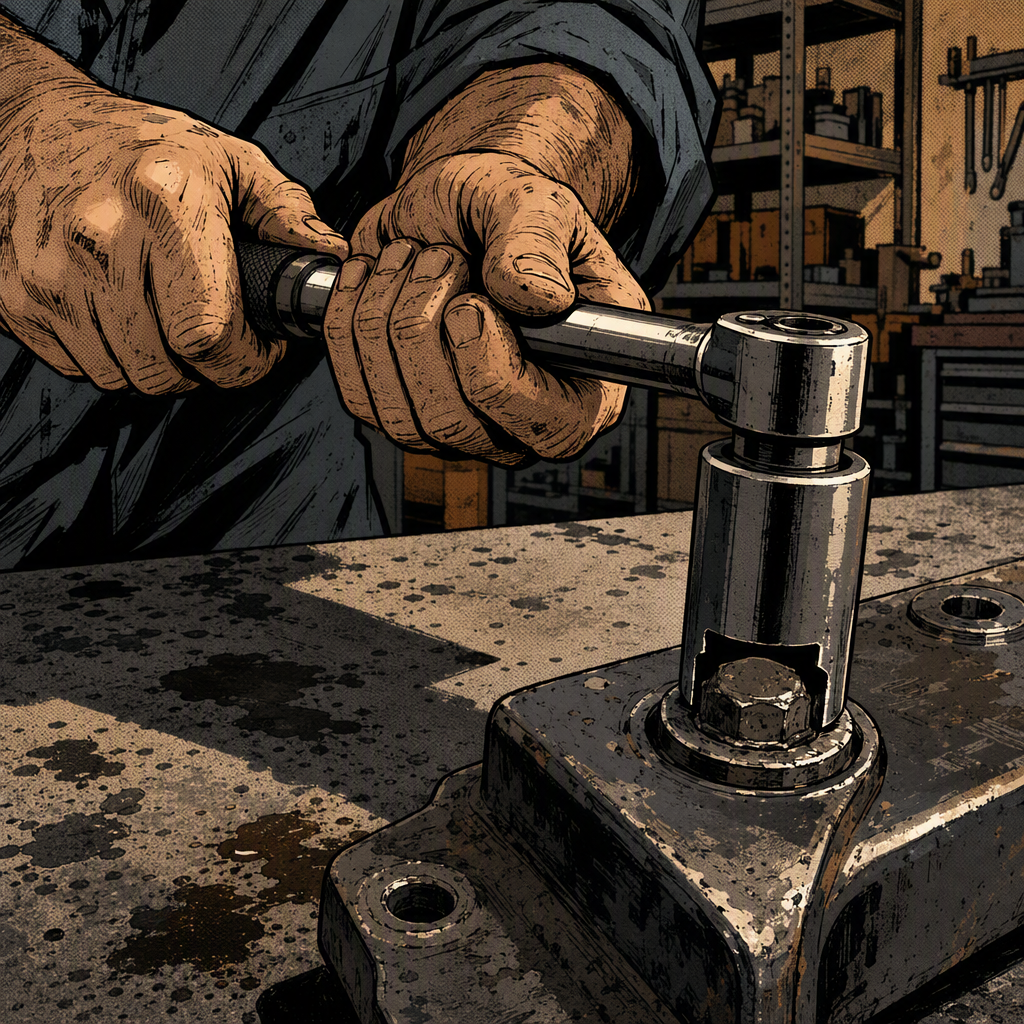
Every technician eventually meets a bolt that’s already been rounded off by someone else’s impact gun or a bad Allen key — and it always seems to happen on the one fastener you can’t get a vise grip on. Grip-edge extractor sockets, sold under names like Mac Tools RBRT, Matco Gripedge, and a handful of “nano” or “turbo” socket lines, are built to solve exactly that problem. This guide breaks down how they work, when they’re the right call versus drilling or welding, and what separates a set worth buying from one that’ll sit in a drawer.
What Grip-Edge and Nano Extractor Sockets Actually Are
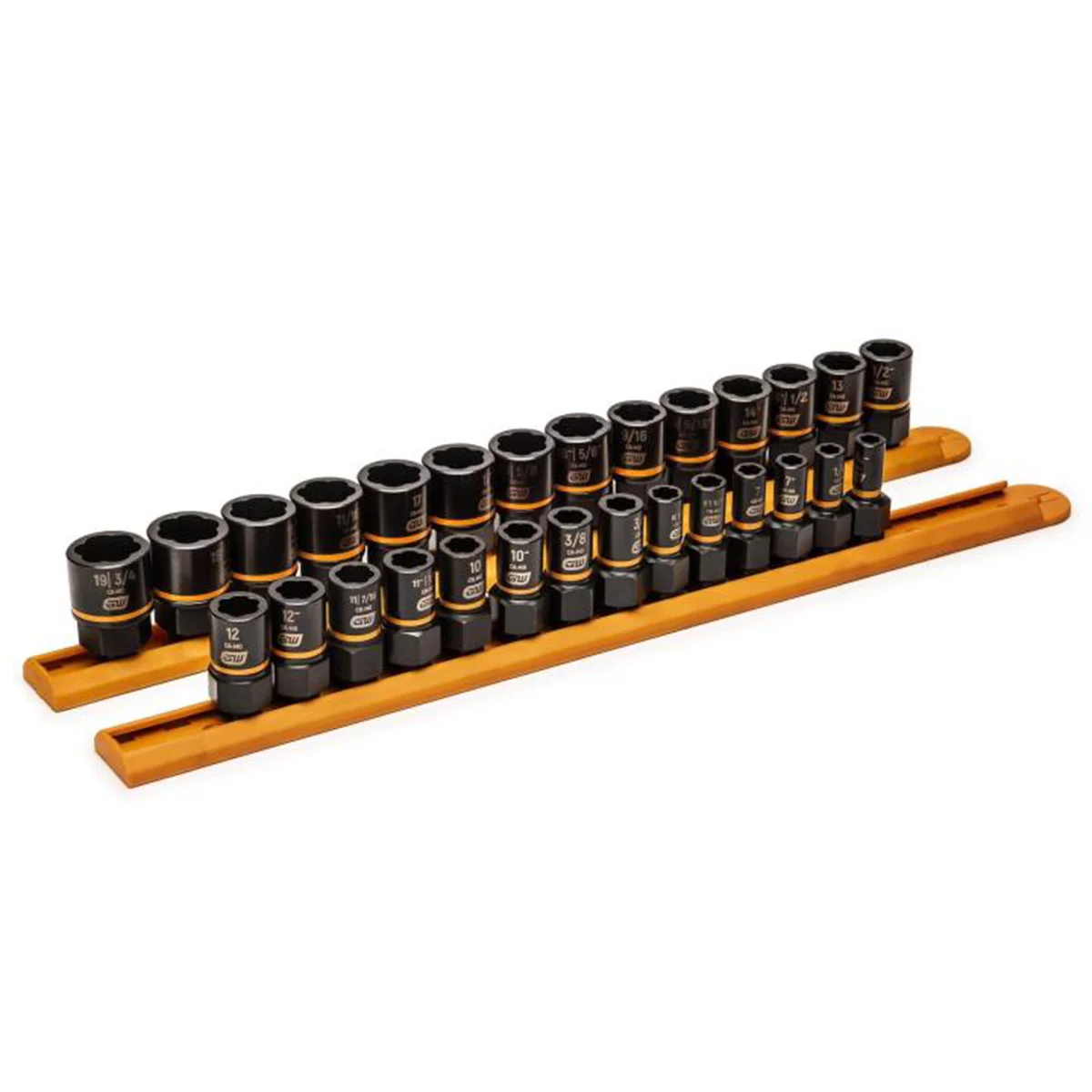
These sockets look like standard 6-point or 12-point sockets at a glance, but the internal walls are cut with sharp, angled edges instead of flat faces. As you apply torque, those edges dig into the rounded or worn corners of a bolt head or nut instead of slipping over them. Most sets on the market today are reverse-engineered from the same basic design, so functionally the Mac Tools RBRT, Matco Gripedge (made by the same manufacturer, Gripedge), Craftsman’s version, and Gearwrench’s extractor socket line all work on the same principle, even though quality and grab strength vary between them.
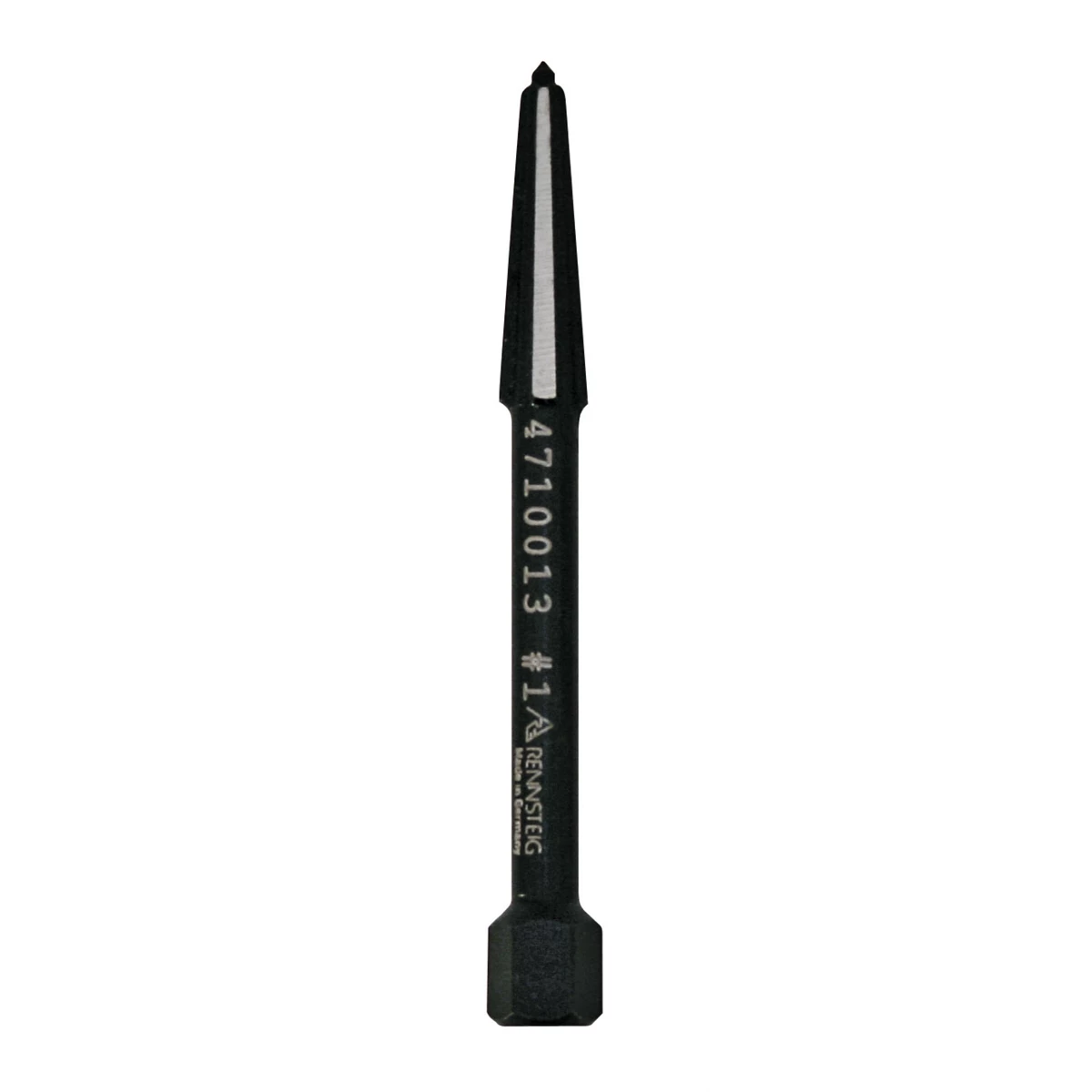
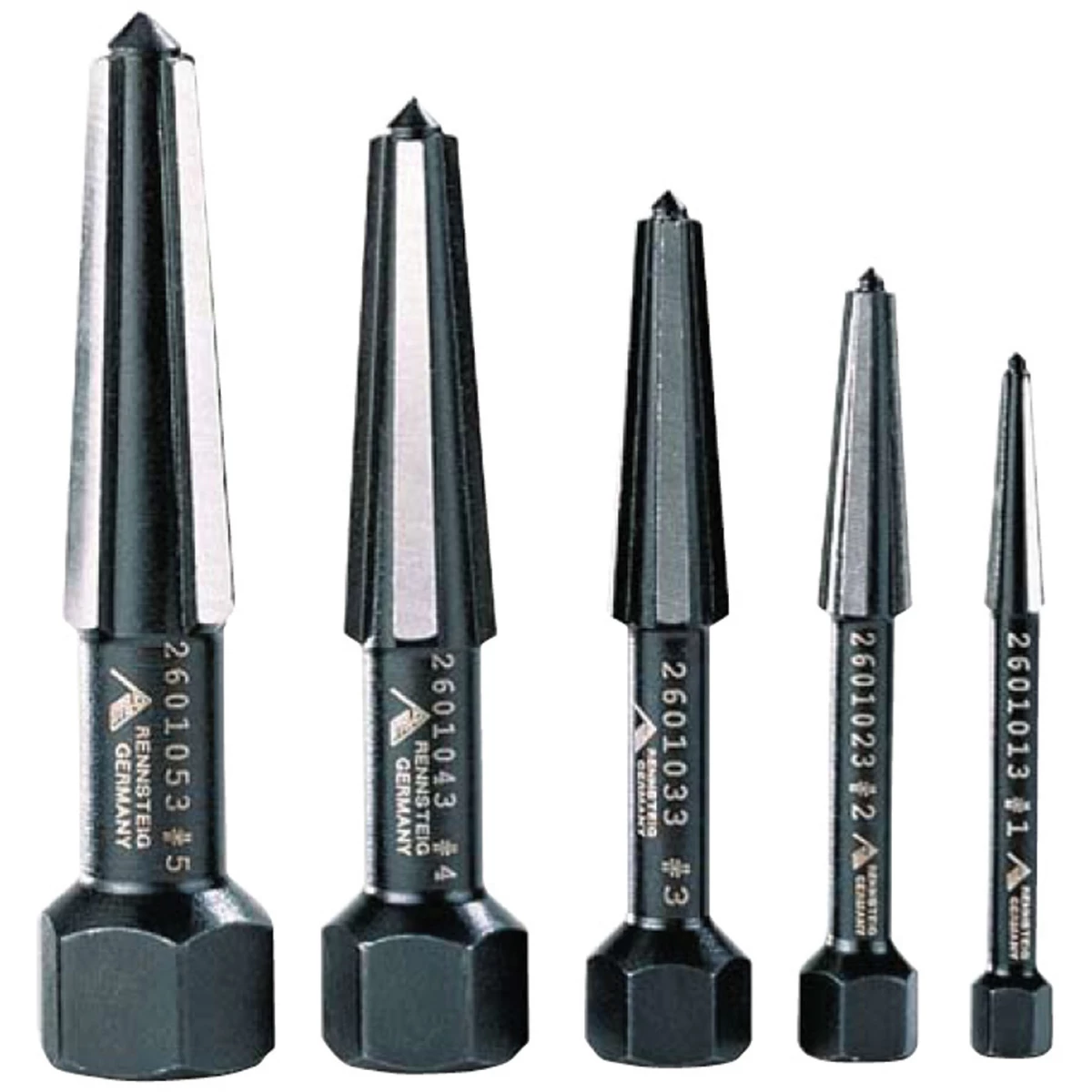
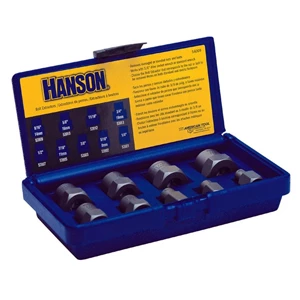
These aren’t the same tool as the older “twist” or spiral-flute extractor sockets — the type popularized decades ago and still sold by brands like Irwin and Blue-Point. Twist sockets use a tapered spiral cut that tightens down onto the fastener as you turn, similar to how a screw extractor bites into a drilled hole. Some techs get better results with twist-style sockets on certain fasteners, others prefer the grip-edge design — it often comes down to how far gone the bolt head is and personal experience with a specific brand. It’s worth having both styles on hand rather than assuming one replaces the other.
When to Reach for Extractor Sockets vs. Other Methods
Extractor sockets are the right first move whenever a fastener still has a head to grab — even a partially rounded hex head, a chewed-up Allen socket, or a nut that’s spinning instead of tightening. They’re faster and less destructive than drilling, and they don’t require disassembling anything around the bolt to get access for a torch or an easy-out. Reach for them before you reach for heat or a cutting wheel; you can always escalate to more invasive methods if the socket doesn’t grab.
They’re less useful once a bolt head has sheared off completely, snapped below the surface, or is rusted solid into the threads with no head geometry left to bite. In those cases, you’re back to traditional methods: penetrating oil and heat cycles to break the rust bond, then drilling and a screw extractor, or welding a nut on top of what’s left if there’s enough material exposed. A few techs in the field report using heat plus a sharp hammer shock on seized fasteners before trying the extractor socket, which loosens the bond enough for the grip edges to get a bite instead of just spinning uselessly.

Step-by-Step: Removing a Rounded or Stripped Bolt
The process is straightforward, but a few details make the difference between success and rounding the head out completely.
- Clean the fastener first. Wire-brush off rust, paint, or grime so the socket seats fully on whatever head geometry remains.
- Select the closest matching size, not a smaller “cheat” size. Going undersized to find a fresh bite point rounds the head further and gives the extractor socket less material to grab.
- Seat the socket by hand, then tap it on with a hammer. A firm seat matters more with these than with standard sockets, since the grip edges need full contact to dig in on the first turn.
- Apply steady torque, not sudden shock, on the initial break. A breaker bar or low-speed ratchet gives better control than an impact gun for the first crack loose — impacts work well once the fastener starts moving freely.
- Use the threaded ejector or extension if the set includes one. Several of these kits ship with a threaded rod or ejector accessory specifically for pushing the bolt back out once it’s backed out partway, which several techs single out as the most useful piece in the kit.
- Add penetrating oil and heat if the socket spins without progress. A stuck extractor socket usually means the fastener is bound by corrosion, not just rounded — treat it like any seized bolt before trying again.
Allen, Hex-Bit, and Torx Versions for Internal Fasteners
The same grip-edge concept is available in Allen/hex-bit and Torx configurations, and these tend to get even stronger praise than the standard socket sets because internal drives strip out faster and are harder to weld or grab externally once damaged. A rounded Allen bolt normally means drilling it out; a grip-edge hex bit will frequently pull a fully rounded 4mm or 5mm socket-head bolt without needing to disassemble anything. The same goes for Torx heads on brake calipers, electronics housings, and trim fasteners, where a stripped drive usually leaves no other realistic extraction option short of drilling.
If you’re only going to buy one variant, the hex/Allen set is the one most technicians report reaching for repeatedly, since internal-drive fasteners strip more often than external hex heads and have fewer backup extraction options.
Buying Guide: What Separates Good Sets from Junk
Not every grip-edge set performs the same, and the design gets copied at a wide range of price points. A few things matter more than the marketing:
- Sharpness and depth of the grip edges. Budget knockoffs often have shallow, rounded-over cutting edges that barely improve on a standard socket. Handle the tool before buying if possible, or buy from a brand with a return policy.
- Metal quality and heat treatment. These sockets take more abuse per use than a standard socket because they’re deliberately biting into hardened bolt heads. A soft or poorly hardened socket will round out itself before it grips.
- Clearance around tight areas. The grip edges add wall thickness compared to a standard socket, which can be a problem on fasteners recessed close to other components. This is a real limitation worth knowing about before you buy a set expecting it to replace your everyday sockets — it won’t, and isn’t meant to.
- Included accessories. Sets with a threaded ejector rod, extension, and a dedicated ratchet or driver handle tend to get more consistent field reports than bare socket-only kits.
Reputable mid-to-premium brands (Mac Tools, Matco/Gripedge, Snap-on, Wurth, Gearwrench) show up repeatedly as reliable in shop use. Bargain-bin versions with no brand backing are a common source of disappointment — they tend to dull or round out on the first genuinely stubborn bolt.
Limitations and When They Won’t Work
These sockets aren’t a universal fix. They need a head to grab, so they’re no help on fasteners that have already sheared flush or snapped below a surface. The added wall thickness of the grip edges can also prevent the socket from fitting into tight clearances where a standard thin-wall socket would seat fine — check fit before committing to that fastener in a tight spot. And while they excel on rounded and stripped heads, they won’t out-torque a fastener that’s genuinely seized by corrosion; skipping penetrating oil and heat on a rusted bolt just wears out the extractor socket faster.
Quick Reference Checklist
- Clean the fastener before attempting removal
- Match the exact size — don’t downsize to find a fresh bite
- Seat the socket fully by hand and tap it on before applying torque
- Use steady torque to break it free, not sudden impact, on the first attempt
- Apply heat and penetrating oil first if the fastener is corroded, not just rounded
- Check clearance around the fastener before assuming the thicker-wall socket will fit
FAQs
Do grip-edge extractor sockets work on both bolts and nuts?
Yes. They work the same way on any external hex fastener that’s lost its clean corners, whether it’s a bolt head or a nut.
Are these the same as the “as seen on TV” extraction sockets?
They’re built on a similar wall-drive concept, but quality varies widely between novelty versions and shop-grade tools from established brands. Buy based on brand reputation and metal quality, not packaging.
Can I use an impact gun with these sockets?
Most techs recommend breaking the fastener loose with steady hand torque first, then switching to an impact gun once it’s turning freely. Impacting a fully seated, rounded fastener from the start increases the risk of the grip edges slipping.
Do I need both the twist-style and grip-edge-style sockets?
It’s common practice among techs to keep both, since results vary by fastener condition and personal technique. Neither style outperforms the other in every situation.
Will these damage a fastener I plan to reuse?
Yes, to some degree — the grip edges are designed to bite into the material, which can further deform the head. Plan to replace any fastener extracted this way rather than reinstalling it.
What’s the single most useful size to buy first?
Based on how often internal-drive fasteners strip compared to external hex heads, a hex/Allen grip-edge set in common metric sizes (3mm–8mm) tends to get the most use in general shop work.
Complete Your Extraction Toolkit
A quality set of extractor sockets should be part of every technician’s toolkit. Browse our Extractors – Stud Removers category to find grip-edge, twist-style, and specialty removal tools in multiple drive configurations.
- Grip-edge and nano-style extractor socket sets in hex, Allen, and Torx drives
- Twist-flute extractor sockets for alternative fastener gripping
- Extraction accessories including ejector rods, extensions, and specialized ratchet handles

The Toolsource Technical Team blends decades of real-world automotive service experience with up-to-date technical research. Our writers collaborate with professional mechanics, shop owners, and diagnostic specialists to deliver practical, workshop-ready guidance you can trust.


Follow us on social media