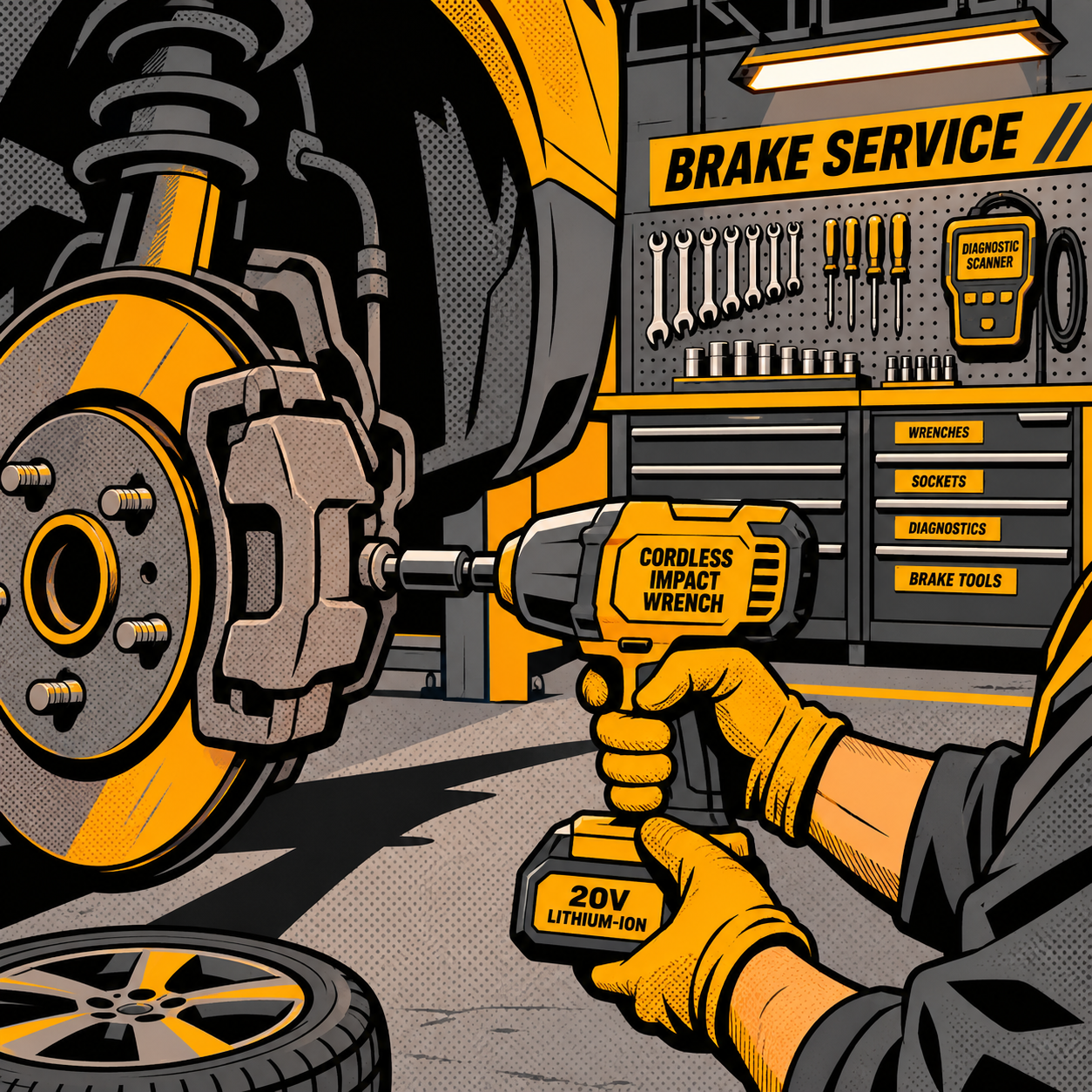
Every shop talks about pay differently — flat rate, hourly, production bonus, book time — and it’s easy for a technician to look at a paycheck and not understand why the number is lower than expected. A lot of the confusion isn’t about how much a shop pays; it’s about how pay structures, bonus withholding, and productivity actually translate into take-home dollars. This guide walks through the mechanics of flat rate and hourly pay, why bonus checks get hit harder by taxes, and what a technician can actually control to raise their real effective hourly rate.
Flat Rate vs. Hourly: Know What You’re Actually Being Paid For
Flat rate pay means you’re paid a set number of “book hours” for a given job regardless of how long it actually takes you. If a brake job pays 1.5 hours and you finish it in 45 minutes, you still get paid 1.5 hours. If it takes you 3 hours because the caliper bolts are rusted solid, you still only get 1.5. Hourly pay, by contrast, pays for every clock hour worked regardless of how many jobs you complete.
Neither structure is universally “better” — it depends on shop volume, your speed, and how predictable the work is:
- Flat rate rewards speed and efficiency. A fast tech in a busy shop can out-earn an hourly tech by a wide margin.
- Hourly pay protects you when the shop is slow or when jobs run long due to rust, stripped fasteners, or parts delays.
- Low appointment volume is the silent killer of flat rate pay — you can be a skilled tech and still bring home less if the shop simply isn’t busy enough to keep you flagging hours.
Before taking a flat rate position, ask the shop directly what the average tech flags per week and how consistent the appointment book has been over the last few months. A shop that’s slow 30% of the year will erase a lot of the upside flat rate otherwise offers.
Why Your Bonus Check Looks Smaller Than Expected
A common surprise for techs who get a production bonus on top of a regular paycheck is seeing a huge chunk disappear in withholding. This isn’t a mistake on the shop’s part — it’s how payroll systems handle supplemental pay. When a bonus is paid in the same check as regular wages, the payroll system often annualizes that single pay period’s total and withholds as if you earn that amount every period for the year. A $1,000 bonus stacked on a normal check can get taxed at a much higher marginal rate for that pay period than your actual average tax rate.
The important thing to understand: withholding is not the same as your actual tax liability. If too much was withheld on a bonus, that money typically comes back as part of your refund (or reduces what you owe) when you file your return — it isn’t gone, it’s just front-loaded. If this catches you off guard every bonus cycle, ask your shop’s payroll or HR whether bonuses can be run as a separate check using the flat supplemental withholding rate instead of being combined with a regular paycheck — this often results in more predictable withholding.

IQV12 Series 3/8 Inch Drive 12V Cordless Impactool Wrench Kit w
Mfg: Ingersoll Rand
Part #: W1130-K2

3/4" 20V Cordless Impact Wrench Bare Tool, 2000 ft-lb Torque, Fr
Mfg: Ingersoll Rand
Part #: W8171
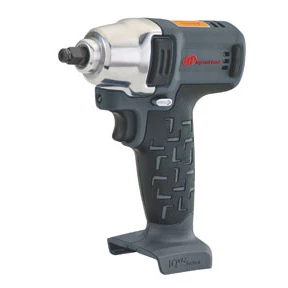
IQV12 Series 3/8 Inch Drive 12V Cordless Impactool Wrench - Tool
Mfg: Ingersoll Rand
Part #: W1130
Retirement Contributions and Employer Matching Are Part of Your Real Compensation
When comparing job offers or shops, don’t just look at the hourly rate or flat rate percentage — look at what’s being contributed to retirement accounts (RRSP matching, 401(k) match, pension contributions). An employer match is effectively free money that doesn’t show up in your take-home pay but absolutely counts as compensation. A slightly lower hourly rate with a strong match can outperform a higher rate with no match over the span of a career.
When evaluating total compensation, add up:
- Base hourly or flat rate percentage
- Employer retirement match (as a percentage of gross pay)
- Health benefits and what’s deducted from each check to cover them
- Paid time off and how it’s accrued under a flat rate system (some shops pay PTO at a lower average rate than what you’d normally flag)
Regional Pay and Tax Differences Make Simple Comparisons Misleading
Comparing take-home pay across regions or countries without matching the full picture leads to bad conclusions. Tax rates, mandatory payroll deductions (like CPP/EI in Canada or Social Security/Medicare in the US), and what those deductions actually fund (healthcare, pensions, unemployment insurance) are different systems with different tradeoffs. A technician in one region paying more in payroll deductions may also be paying less out-of-pocket for medical care, while a technician elsewhere with lower payroll deductions may be paying a separate monthly premium that doesn’t show up on a pay stub at all.
If you’re deciding between job offers in different regions, build a real comparison instead of relying on gross pay:
- Estimate net pay after all mandatory deductions, not just income tax
- Add in employer-paid or employee-paid insurance premiums
- Factor in cost of living, especially housing, since regional pay differences often track housing cost differences closely
How to Raise Your Effective Hourly Rate Under Flat Rate
If you’re on flat rate, your real earning lever is turnaround time on routine jobs, not working more hours. A few practical habits move the needle:
- Standardize your bay setup so common jobs (brakes, oil changes, alignments) have a consistent tool layout — seconds saved per step add up across a full day.
- Invest in tools that cut time on high-frequency jobs: a good impact wrench, a quality diagnostic scan tool, and organized tool storage reduce the time spent searching or fighting stuck fasteners.
- Track your own flagged hours vs. clock hours weekly. If you’re consistently flagging under 1.0 for your clock time, identify which job types are dragging you down and address the bottleneck (tooling, parts lookup, lift availability).
- Communicate with service writers about realistic book times on jobs that routinely run long due to corrosion, rare fasteners, or vehicle-specific quirks — chronic underpayment on specific job types is worth flagging to management.
Quick Checklist: Evaluating a Flat Rate or Hourly Position
- Confirm average flagged hours per tech over the last 3-6 months, not just the advertised flat rate percentage
- Ask how bonuses are processed (combined check vs. separate supplemental check)
- Get the retirement match percentage in writing, not just “we offer a match”
- Compare total compensation (pay + benefits + match), not just gross hourly rate
- Ask how PTO is calculated under flat rate — hours paid vs. hours typically flagged
- Walk the shop floor and assess tool organization and lift-to-tech ratio, both of which affect how many hours you can realistically flag

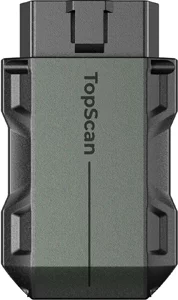
Pocket-Size Bluetooth Scan Tool w/Bi-Directional Controls
Mfg: TOPDON
Part #: TOPSCANPRO

FAQ
Is flat rate pay better than hourly pay for technicians?
It depends on shop volume and your speed. In a consistently busy shop, a fast technician usually earns more on flat rate. In a slow shop, hourly pay provides more predictable income because you’re paid for clock time regardless of how many jobs come through.
Why was my bonus taxed so much more than my regular paycheck?
Payroll systems often withhold more on bonus pay because they calculate withholding as if that higher amount is your normal pay for every period in the year. The extra withholding isn’t necessarily extra tax owed — it typically gets reconciled (often as part of a refund) when you file your annual return.
How do I know if a shop’s flat rate percentage is actually good?
The flat rate percentage alone doesn’t tell you much. Ask what techs typically flag per week on average. A high flat rate percentage in a slow shop can pay less than a lower percentage in a consistently busy shop.
Does an employer retirement match really matter that much?
Yes. An employer match is additional compensation that doesn’t show up in your paycheck but adds directly to your long-term savings. Over a career, a strong match can be worth more than a modest difference in hourly rate.
What’s the fastest way to increase my take-home pay on flat rate?
Reduce the time spent on routine, high-frequency jobs through better tool organization, reliable diagnostic equipment, and efficient bay setup. Earning more under flat rate comes from turnaround speed on jobs you already do well, not from working longer hours.
Should I compare pay between regions using gross wages alone?
No. Gross wages ignore mandatory payroll deductions, employer-provided benefits, insurance premiums, and cost of living differences. A full comparison needs to include net pay after all deductions plus the value of benefits provided.
Recommended Tools for Faster Diagnostics
Under flat rate pay, turnaround speed directly translates to earnings. A quality diagnostic scan tool helps you identify issues faster and reduce troubleshooting time, increasing the number of hours you can flag per day. Explore our selection of automotive diagnostic tools and equipment designed to improve your shop efficiency.
- Scan tools and code readers for quick, accurate diagnostics
- Equipment for specialized systems (transmission, ABS, engine management)
- Tools that reduce troubleshooting time and improve diagnostic accuracy

The Toolsource Technical Team blends decades of real-world automotive service experience with up-to-date technical research. Our writers collaborate with professional mechanics, shop owners, and diagnostic specialists to deliver practical, workshop-ready guidance you can trust.


Follow us on social media