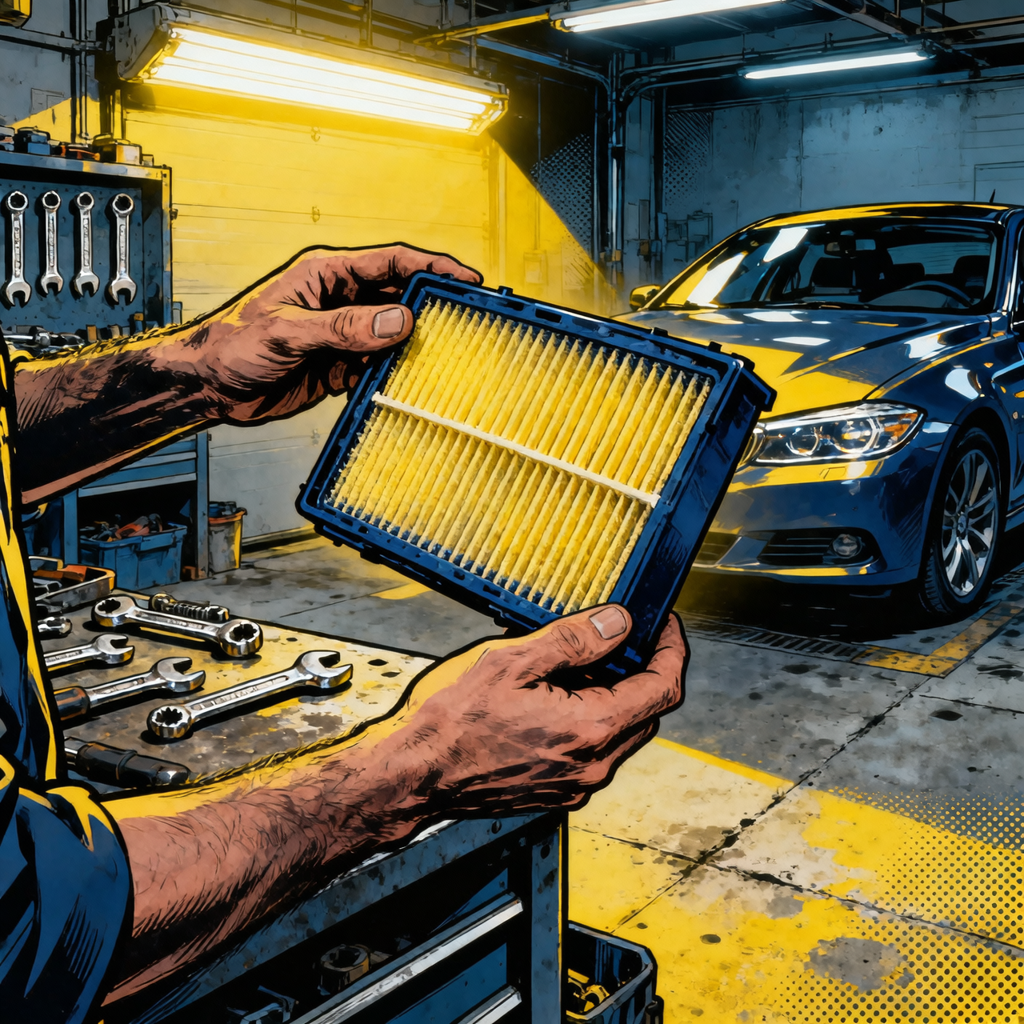
Dealerships charge $75-$150 for cabin air filter replacement, a service taking less time than pumping gas. This guide shows you how to replace it yourself in 5 minutes, saving hundreds of dollars while improving interior air quality.
Why Dealerships Overcharge for Air Filters
Most vehicle owners don’t know their cabin air filters are accessible and require no tools, so service departments exploit this by bundling inspections with oil changes and presenting dirty filters as urgent safety concerns.
The Markup Explained
Dealerships mark up filters 200-400% over retail. A $12 filter costs $45-$65 on a service invoice. But labor is where they profit: they bill 0.3-0.6 hours ($30-$75) for a job taking 90 seconds. Your service advisor dramatically shakes dust from the old filter, claiming your air quality poses health risks—designed to discourage price shopping before you can reconsider.
Actual Prices at Different Sources
| Location | Price | Selection | Convenience |
|---|---|---|---|
| Dealership | $45-$85 | OEM only | Installation included |
| AutoZone/O’Reilly | $15-$28 | 3-5 brands | Same-day pickup |
| RockAuto | $10-$22 | 8-12 brands | 2-5 day shipping |
| Amazon | $12-$25 | 6-10 brands | Prime shipping |
Replacement in 5 Minutes
The process is remarkably simple across most makes and models. Manufacturers designed cabin air filters for tool-free replacement by service technicians.
Tools You Need
85% of vehicles (2005+) need zero tools. The remaining 15% might need a flathead screwdriver, socket wrench, trim panel tool, or flashlight depending on location.
How to Replace (Behind Glove Box—Most Common)
- Empty glove box completely
- Locate plastic stops on either side preventing full opening
- Squeeze glove box sides inward or press tabs to disengage stops
- Drop glove box to reveal filter housing
- Release housing cover tabs (usually two clips)
- Slide out old filter, noting airflow direction arrows
- Insert new filter matching arrow direction (typically down toward engine)
- Snap housing cover closed
- Reinstall glove box
Under-Hood Location: Some vehicles have filters in the cowl beneath windshield wipers. Remove plastic covers, then slide filter out. Takes 5-7 minutes.
Behind Lower Dashboard: Certain European cars require removing lower panels with trim tools. Takes 10-15 minutes for first-timers.
Difficulty by Vehicle Type
Easy (2-3 minutes, no tools): Honda Accord/Civic, Toyota Camry/Corolla, Nissan Altima/Sentra, Ford F-150/Explorer, Chevrolet Silverado/Equinox, Mazda3/CX-5, Subaru Outback/Forester
Moderate (5-7 minutes): Honda CR-V (2007-2011), Toyota RAV4, Lexus ES/RX, BMW 3/5, Mercedes C/E-Class, Volkswagen Jetta/Passat
Challenging (10-15 minutes): Audi A4/A6, Volkswagen models, Mini Cooper variants
YouTube channels like ChrisFix have step-by-step videos for most models. Watch yours before starting.

Engine vs Cabin Air Filters
These two systems do different things, and dealerships capitalize on confusion to sell both at once.
What Each Does
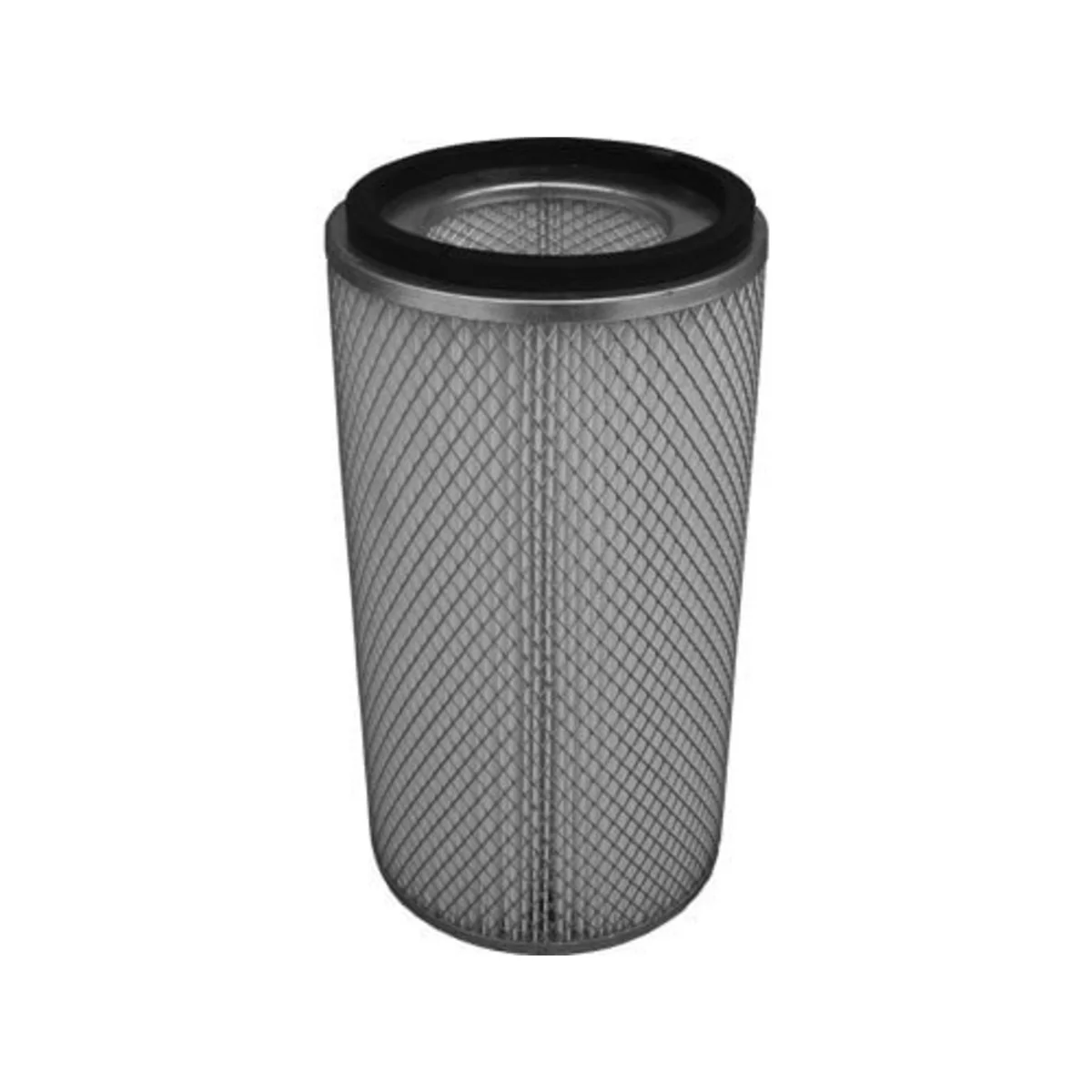
Engine Air Filter: Prevents dirt and debris from entering the combustion process. A severely clogged filter reduces horsepower, decreases fuel economy by 6-10%, and risks damaging cylinder walls. It directly affects performance.
Cabin Air Filter: Cleans air entering your HVAC system, removing pollen, dust, and odors. A clogged cabin filter reduces vent airflow and causes musty smells but has zero impact on engine performance, fuel economy, or mechanics. It affects only comfort.
Key difference: Engine filter condition affects how your car runs. Cabin filter condition affects your breathing comfort. One is critical; one is lifestyle.
Replacement Intervals
Engine Air Filter: Every 15,000-30,000 miles under normal conditions, or annually in dusty environments. Turbocharged engines need more frequent replacement.
Cabin Air Filter: Every 12,000-15,000 miles or annually. High-pollution areas, wildfire season, or regular smokers should replace every 6,000-8,000 miles.
These are maximums. Your actual needs depend on environment and driving patterns.
Real Consequences
Only engine filter affects vehicle systems. Delaying cabin filter replacement risks no mechanical damage. Worst case: reduced airflow and poor air quality.
That said, cabin filters matter if you have allergies, asthma, or respiratory sensitivities—they become health maintenance rather than comfort items.
Know When Replacement Is Actually Needed
Dealerships profit from scheduled replacement, not condition-based replacement. Learn to assess your filter yourself to avoid unnecessary changes.
Visual Inspection
- Color: New filters are white/light gray/light blue. Gray or tan after 8,000-12,000 miles is normal. Dark gray or black indicates heavy contamination
- Debris: Visible leaves or seeds don’t necessarily require replacement
- Pleats: Should stay accordion-shaped. Collapsed, matted, or compressed pleats reduce efficiency
- Moisture/Mold: Musty odors, mold, or dampness demand immediate replacement
- Damage: Tears, holes, or separated media allow unfiltered air bypass
Hold the filter to bright light. If light passes through most of it, it’s functional. If fewer than 30% of pleats allow light, replace it.
Cleaning vs Replacing
Standard paper filters can be extended with compressed air. Blow from the clean side toward the dirty side to push debris out rather than deeper in. This extends life by 3,000-5,000 miles in low-contamination areas.
Never wash paper filters with water—it destroys the media. Only use washable filters designed for water cleaning. These premium filters cost $40-$60 but last 50,000+ miles with periodic cleaning—significant long-term savings.
Compressed air cleaning works best after light-to-moderate contamination (8,000-15,000 miles). Heavily soiled filters with collapsed pleats won’t respond well.
Regional Factors
High Pollen Areas: Southeast/Midwest spring months require replacement every 6-8 months if allergies worsen in your vehicle
Desert/Dust: Arizona, Nevada, high-desert regions require 8,000-10,000 mile intervals
Wildfire Regions: Western states should replace immediately after extended smoke exposure. Use activated charcoal filters for superior smoke filtration
Urban/High-Pollution: 10,000-12,000 mile intervals
Smoking in Vehicle: Monthly replacement needed if daily smoking occurs. Consider this a monthly consumable
Where to Buy Quality Filters for $10-$25
Sourcing outside dealerships gives competitive pricing and more options.
Best Online Sources
RockAuto.com: Lowest prices, $10-$18 per filter plus $5-$8 shipping. 8-12 brands available. 3-5 day delivery.
Amazon: Prime shipping convenience, $12-$25 filters. Customer reviews flag fit issues. Subscribe & Save reduces costs 5-15%.
AutoZone/O’Reilly/Advance Auto: $15-$28 filters with same-day pickup and free installation advice. Pay the convenience premium if you need filters immediately.
Local Auto Parts: Check email lists for seasonal promotions bringing prices closer to online levels.
OEM vs Aftermarket
OEM filters carry the vehicle manufacturer’s logo but are made by suppliers like Denso, Valeo, or Mann. These identical filters appear on dealership invoices at premium prices. Aftermarket suppliers often source from the same manufacturers.
OEM (Online Dealers): $20-$35. Guaranteed fitment and warranty assurance.
Premium Aftermarket (Bosch, Mann, Wix, ACDelco): $12-$22. Wix and Mann actually supply OEM filters for many manufacturers, so their aftermarket versions are functionally identical to dealer versions.
Standard Aftermarket (Fram, Purolator, Motorcraft): $10-$18. Reliable, slightly less dense media than premium options.
For cabin filters, premium brands offer marginal benefits over standard aftermarket. Performance differences justify premium pricing for engine filters but not cabin filters, where consequences are comfort-based rather than mechanical.
Washable Alternatives
K&N produces washable cabin filters lasting 50,000+ miles with periodic cleaning. Cost $45-$65 initially but eliminate replacement costs, potentially saving $200-$400 depending on ownership length.
Cleaning requires K&N’s kit ($15-$20) and 20 minutes: spray solution, rinse, air dry, reinstall. Clean every 12 months or when restriction appears.
Cost-benefit favors washable filters if keeping your vehicle beyond 60,000 miles. Break-even typically occurs around year three, with everything after representing pure savings. For frequent leasers or traders, disposable filters make more sense.
DIY Replacement Checklist
- ☐ Purchase correct filter using VIN or owner’s manual
- ☐ Verify filter location via YouTube tutorial
- ☐ Gather required tools (screwdriver, socket, trim tool, flashlight)
- ☐ Empty glove box if applicable
- ☐ Remove access panels
- ☐ Photograph old filter orientation
- ☐ Note airflow direction arrows
- ☐ Vacuum housing
- ☐ Insert new filter matching airflow direction
- ☐ Secure housing cover
- ☐ Reinstall panels
- ☐ Test HVAC airflow
- ☐ Record mileage/date for next interval
Frequently Asked Questions
How often should cabin air filters be replaced?
Manufacturers recommend every 12,000-15,000 miles or annually. But actual needs depend on environment. Urban/high-pollution drivers or those in wildfire season should replace every 8,000-10,000 miles. Highway drivers in clean air can extend to 20,000 miles by checking condition. Replace immediately if you notice reduced vent airflow or musty odors regardless of mileage.
Does smoking degrade filters faster?
Yes dramatically. Cigarette smoke contains tar, nicotine, and hundreds of particulates accumulating much faster than environmental contaminants. Daily smoking may require monthly replacement. Once saturated with tar, filters release odors back into the cabin. Consider monthly replacement a consumable expense if regular smoking occurs, or use high-capacity activated charcoal filters designed for odor absorption.
Do non-OEM filters void warranty?
No. The Magnuson-Moss Warranty Act protects you from mandatory OEM parts requirements. Manufacturers cannot require dealer parts for routine maintenance unless provided free. An aftermarket filter causing damage to a warranted component is extremely unlikely since filters don’t contact mechanical systems. Use reputable brands (Bosch, Mann, Wix, Fram), keep receipts, and your warranty stays intact.
Standard vs activated charcoal filters—what’s the difference?
Standard filters use pleated paper/synthetic media to trap particles through mechanical filtration. Charcoal filters add carbon-treated media that chemically absorbs odors, gases, and volatile compounds escaping standard filters. Charcoal costs $5-$10 more and provides superior odor control in high-traffic areas, near industrial zones, or during wildfire season. Charcoal becomes saturated over time and shouldn’t be extended beyond recommended intervals or cleaned with compressed air as both reduce odor-absorption capacity.
Can I drive without a cabin air filter?
Technically yes, but don’t for extended periods. Your HVAC works without it, and airflow actually increases. But unfiltered air—dust, pollen, leaves, seeds, insects—enters your system and passenger compartment. Contamination accumulates on your evaporator core, causing expensive musty-odor cleaning and mold growth. A few days without a filter is fine if waiting for delivery or temporarily cleaning. Extended operation degrades HVAC cleanliness and interior air quality significantly.
Why is my new filter whistling?
Improper installation—the filter isn’t seated correctly, creating gaps for air bypass. Remove the filter, inspect housing for debris or obstructions, verify you have the correct filter (similar models aren’t identical), and ensure airflow arrows match direction. The housing cover must seal completely. Some vehicles need slight compression or specific insertion angles. Check model-specific videos on 1A Auto for detailed guidance. Proper installation produces silent operation.
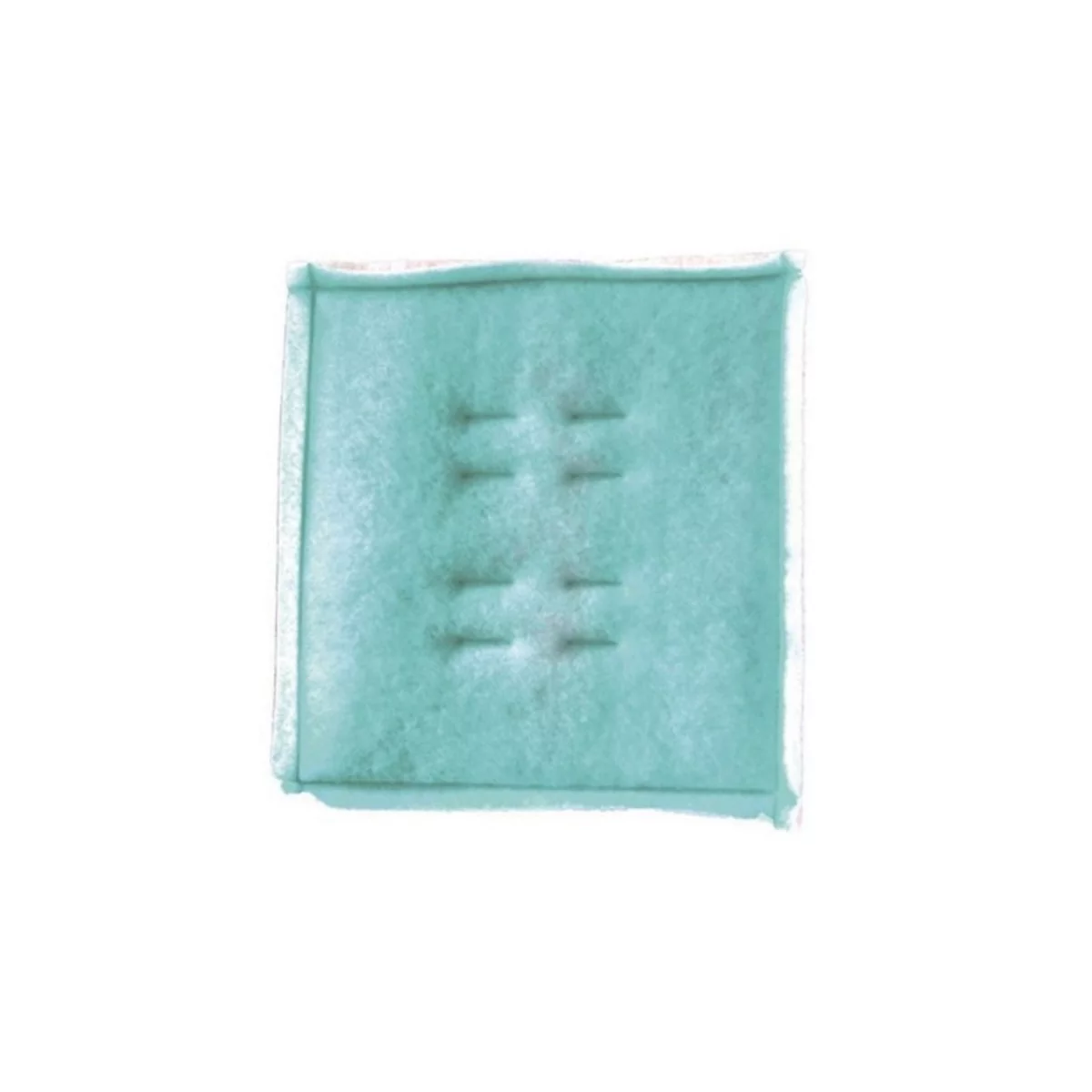
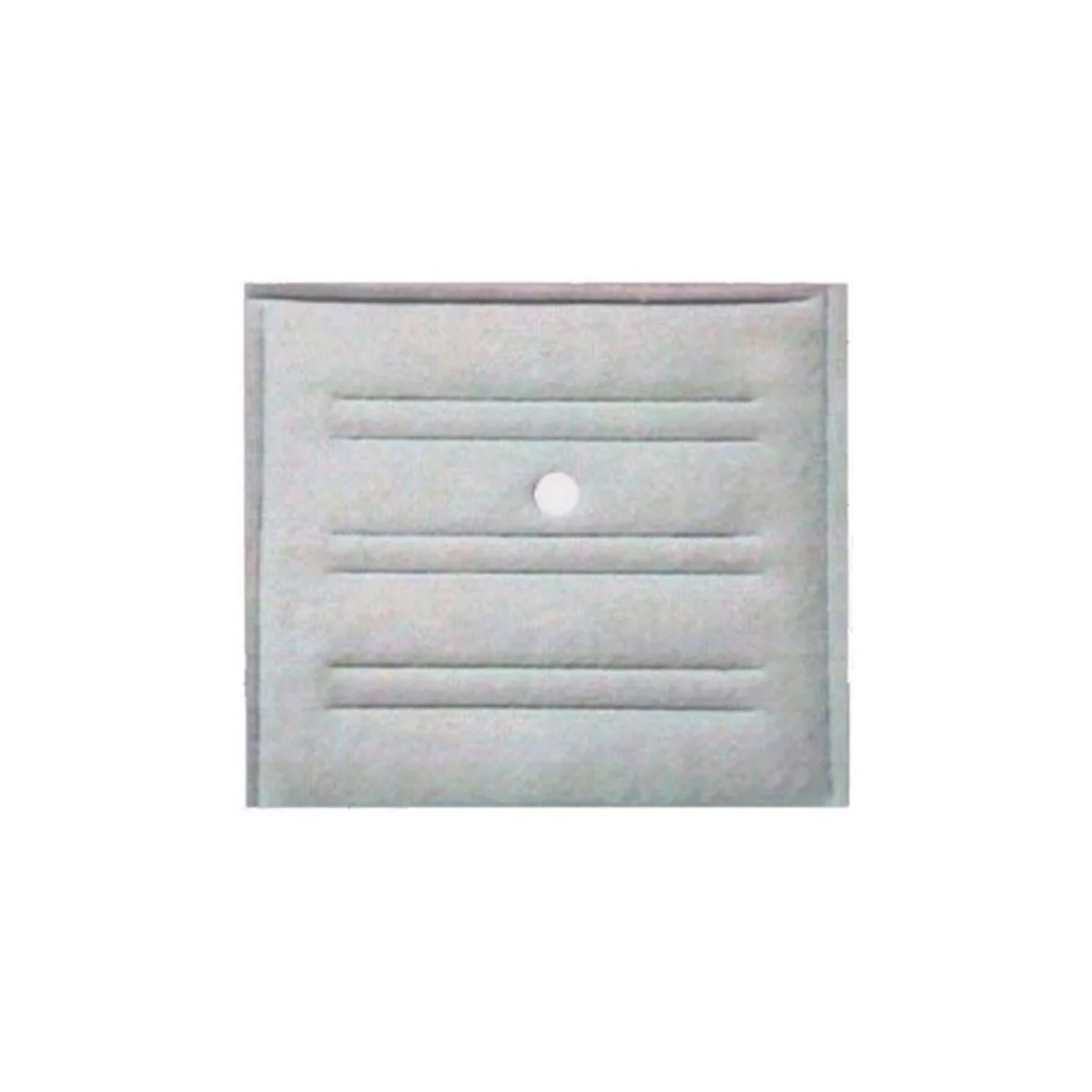
Viskon-Aire Filters 20"W x 48"H Series 45 Intake Filter
Mfg: Viskon-Aire
Part #: VIS.4508-2048
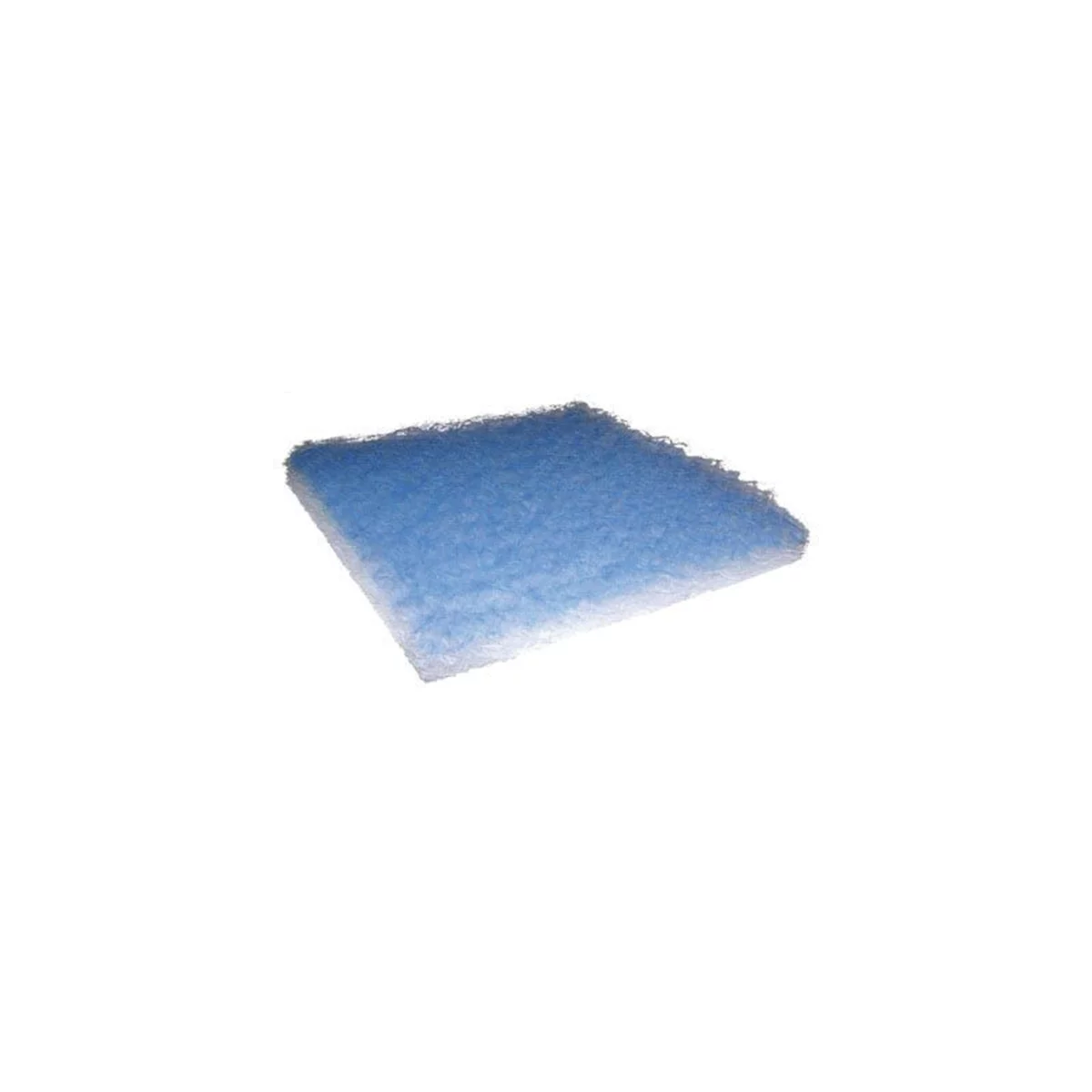
Viskon-Aire Filters 20"W x 50"H Series 55 Intake Filter
Mfg: Viskon-Aire
Part #: VIS.464-100
Viskon-Aire Filters 48"W x 100 (FT) x 2.five inchD 107X Paint Arrestor
Mfg: Viskon-Aire
Part #: VIS.017-244

The Toolsource Technical Team blends decades of real-world automotive service experience with up-to-date technical research. Our writers collaborate with professional mechanics, shop owners, and diagnostic specialists to deliver practical, workshop-ready guidance you can trust.


Follow us on social media