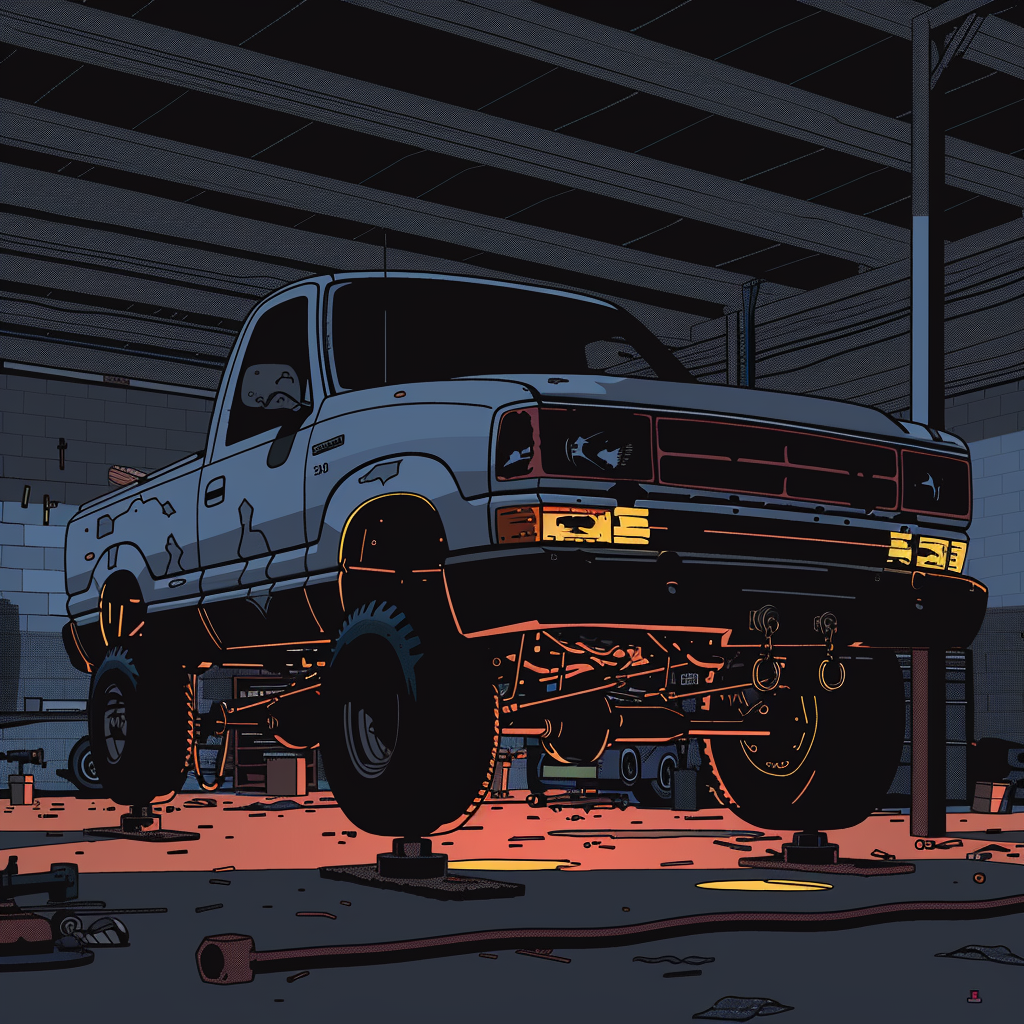
Catalytic converter theft remains a high-frequency loss for older trucks and SUVs, especially first-generation Toyota Tacomas (1995–2004). The converters sit low and exposed, and the trucks’ ride height makes quick cuts easy. If you found a torn exhaust hanger on the ground or your truck suddenly sounds like open headers, use this technician-oriented guide to confirm what happened, document it properly for insurance, choose legal replacement parts, execute a reliable repair, and harden the vehicle against repeat theft.
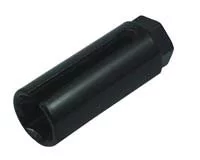
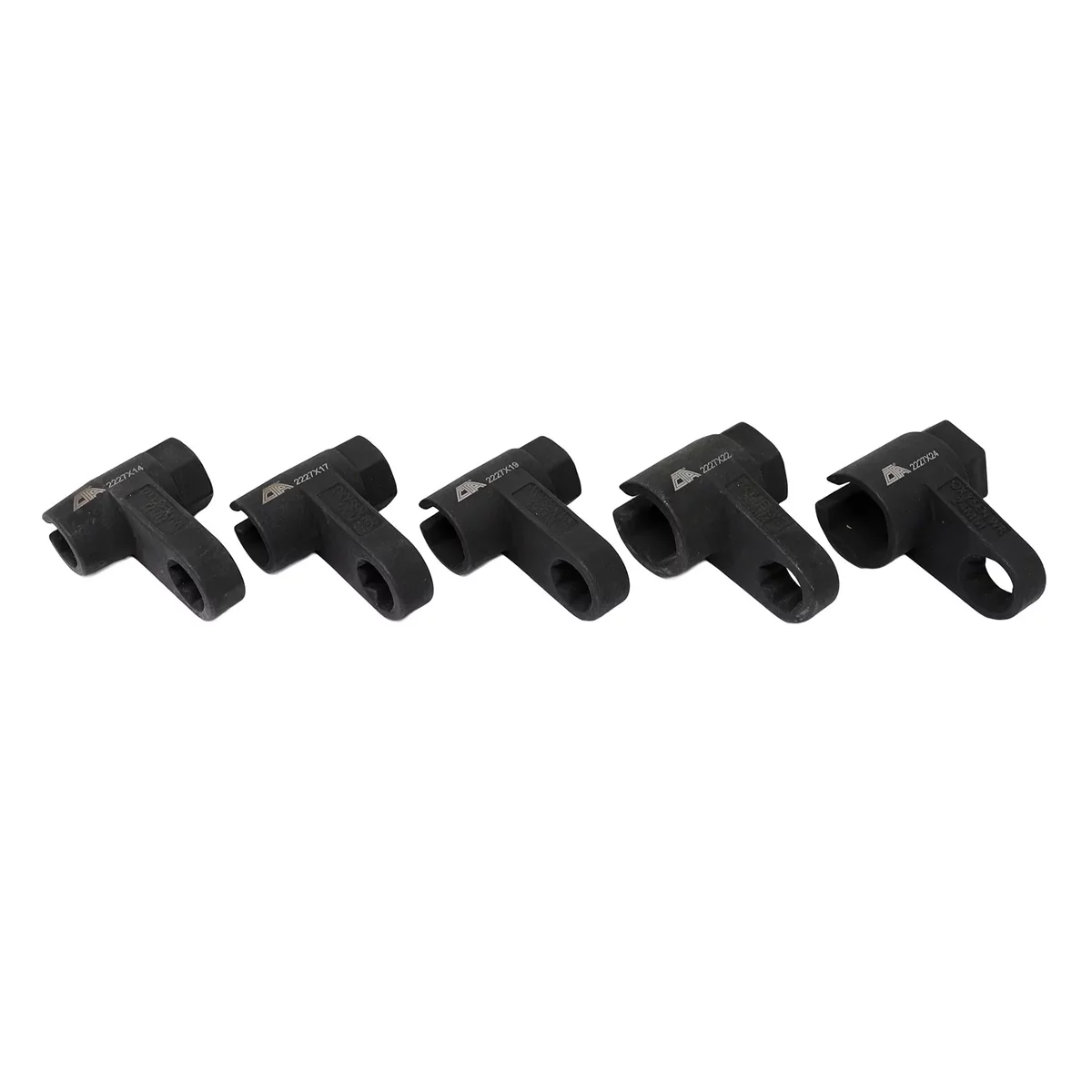
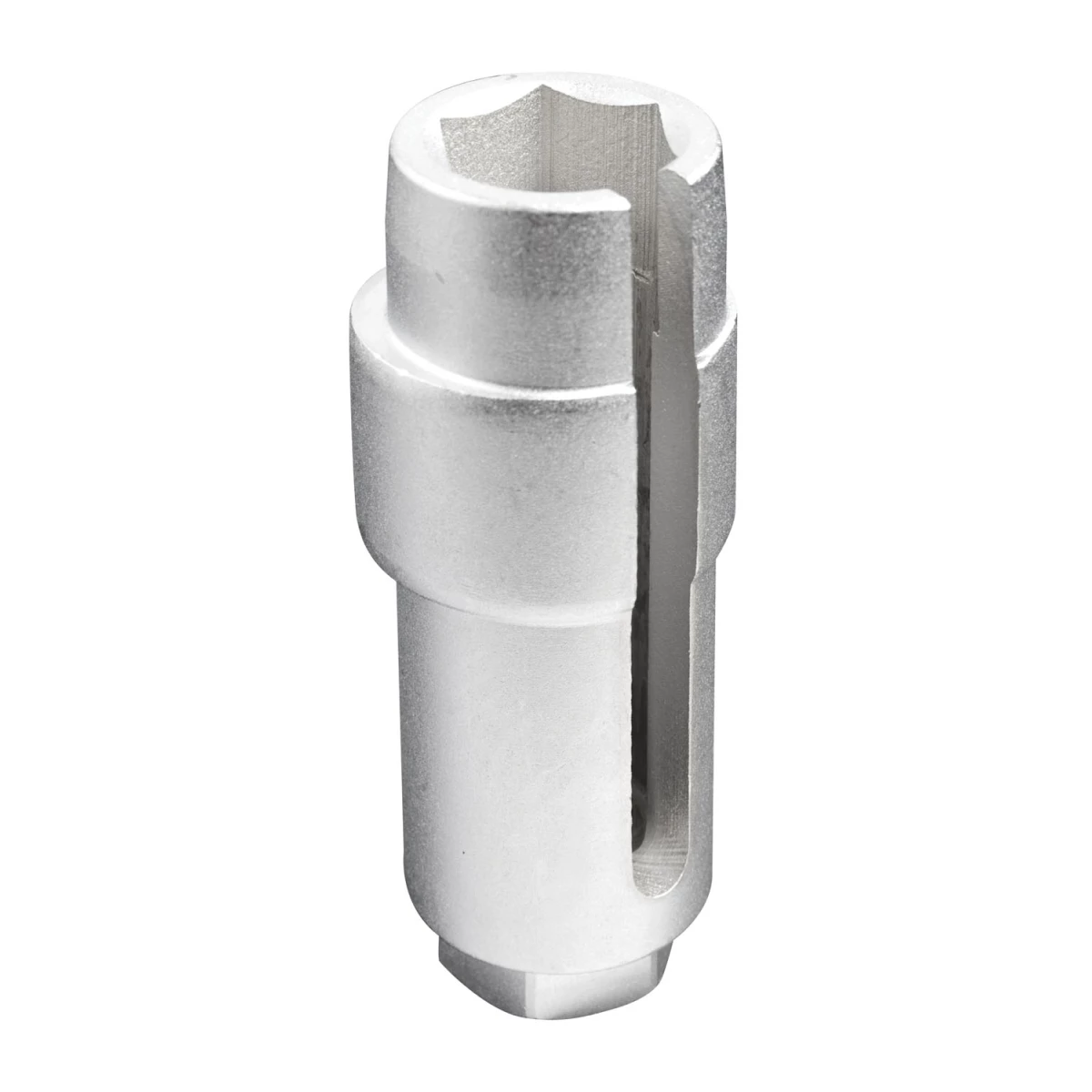
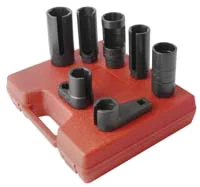
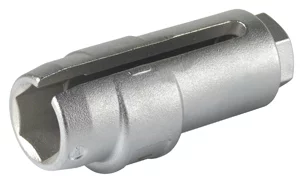
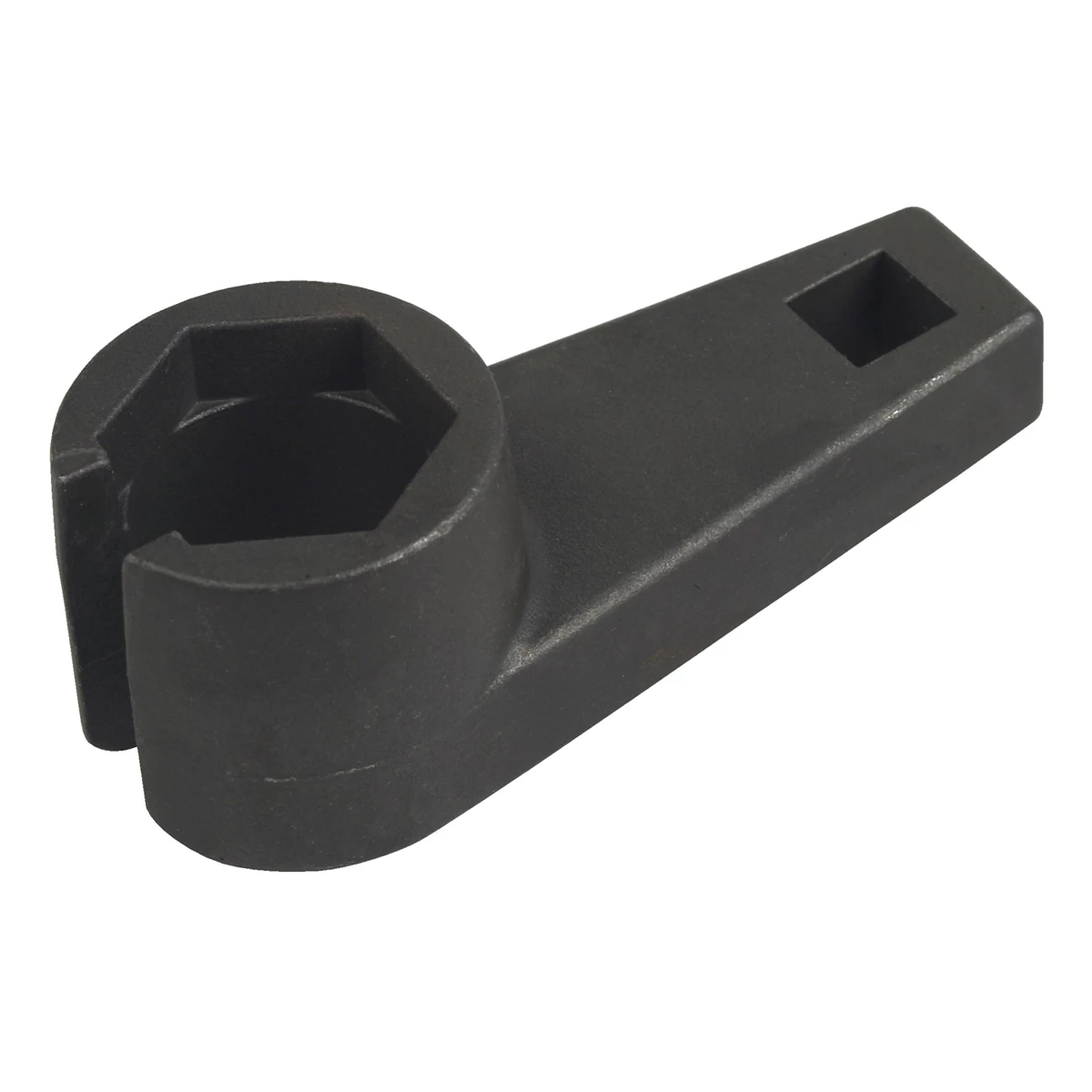
7/8" (22mm) Low Profile Offset 3/8" Drive Oxygen Sensor Socket
Mfg: OTC Tools and Equipment
Part #: 4673-7
1) Diagnose: Stolen Catalytic Converter vs. Exhaust Failure
Start with quick triage. A missing catalytic converter and a collapsed rusted exhaust can look similar from a distance, but a few signs separate them.
- Sound on startup: A stolen converter makes the exhaust dramatically louder the instant the engine fires—often a harsh, raspy bark under the cab. A broken hanger or muffler skin is usually less extreme unless a large gap opened.
- Visual clues under the truck: Use a light. A theft typically leaves clean, straight cuts on the pipe sections, often near welds or flanges. On Gen 1 Tacomas, thieves commonly cut either side of the converter can and may cut through rubber hangers to drop the section. A random piece of rubber/metal with razor-straight edges on the ground often indicates intentional cutting rather than age-related tearing.
- Missing sections: If there’s an obvious gap where the converter canister used to be—between the front pipe and the mid/rear section—the cat is gone. If the system is present but a bracket or hanger is missing, you may just have a failed isolator or broken muffler shell.
- Oxygen sensor status: Thieves sometimes cut O2 sensor pigtails or remove sensors. Look for severed wires near the cuts. On Tacoma applications you’ll have upstream and downstream sensors; downstream sensor wiring damage is common when the cat is taken.
- OBD-II codes: Scan for codes. A missing cat won’t immediately set P0420/P0430 until a drive cycle completes, but cut O2 wiring often triggers heater and circuit codes (e.g., P0135, P0141). If the cat is present but internally empty (less common), you’ll typically see P0420/P0430 after monitors run.
- Odor and fumes: With a large upstream leak, you may detect exhaust odor around the cab. Do not run the engine long in enclosed areas.
Note: It’s illegal to straight-pipe a vehicle. If the converter is gone, plan for a compliant replacement before driving beyond a tow or short move to a repair bay.
2) Inspect Safely and Document Everything
When theft is likely, photos and a clean inspection process save time, money, and headaches.
Safety setup
- Park on level ground, set the parking brake, chock wheels.
- Let the exhaust cool completely; the system can be dangerously hot.
- Lift as needed using the factory jack points; support with rated jack stands. Never rely on a jack alone.
- PPE: safety glasses, gloves, hearing protection if running the engine.
Documentation for insurance and repairs
- Take wide shots of the vehicle position, then detailed photos of the cut locations on both ends of the missing section.
- Photograph any severed O2 sensor wires, missing sensors, and damaged hangers or brackets.
- Note any additional damage: heat shields bent, transmission cooler lines scuffed, fuel or brake lines affected (rare but critical to check).
- Snap the dash odometer, license plate, and VIN tag. File a police report number; insurers typically ask for it.
Check related components
- Exhaust hangers: Identify which isolators are torn, cut, or missing. A straight slice is consistent with theft.
- Flanges and studs: Surface rust is normal on older Tacomas; severe corrosion may force you into a weld-in repair if fasteners won’t extract.
- O2 bungs: Confirm the threads are intact if sensors were removed. Damaged bungs can be re-tapped or replaced with weld-in bungs.
3) Repair Planning: Parts, Legal Compliance, and Cost
Know your legal requirements
- Federal law prohibits tampering with emissions equipment. Reinstall a catalytic converter that meets EPA requirements.
- In CARB states (CA, CO, NY, ME), you must install a CARB-certified aftermarket converter or OEM. Verify EO numbers match your vehicle’s engine family and model year.
- Used catalytic converters cannot legally be installed on most on-road vehicles.
Parts selection
- Direct-fit vs. universal: Direct-fit cats reduce fabrication time, align O2 sensor placements, and include correct flanges. Universal cats can save money but require precise welding and correct sizing.
- OEM vs. aftermarket: OEM typically lasts longer and fits perfectly but is expensive. Quality aftermarket (EPA or CARB-certified as applicable) can be a cost-effective choice if sourced from reputable brands.
- Oxygen sensors: If wiring is cut or sensors are seized, replace with OEM or high-quality aftermarket. Use an O2 sensor socket and nickel anti-seize on threads (avoid the sensing tip). Typical torque is 27–33 ft-lb unless otherwise specified.
- Hardware and gaskets: Replace all gaskets, flange springs/bolts, and broken hangers. Consider stainless hardware where compatible.
- Hangers and brackets: Universal rubber isolators and clamp-on hangers can restore support if a bracket was cut; weld-on tabs are more durable if you have a welder.
Cost ranges (typical, varies by market)
- EPA direct-fit converter: ~USD $300–$900.
- CARB-compliant direct-fit converter: typically higher than EPA; check EO-specific pricing.
- OEM Toyota converter: can exceed USD $1,200–$2,500 per unit.
- O2 sensors: USD $40–$180 each.
- Labor: 1.5–3.0 hours for bolt-on; 2–4+ hours for weld-in/fabrication, more if studs are seized.
Insurance considerations
- Comprehensive coverage usually applies to theft. Older vehicles can total if OEM-only parts are required and parts/labor exceed ACV.
- Ask the adjuster about OEM parts endorsements and CARB compliance requirements in your state.
- Provide your photos and the police report number to streamline approval.
4) Replacement Procedure Overview (Bolt-On or Weld-In)
This is a high-level procedure; always follow vehicle-specific service data and torque specs where available.
Tools and supplies
- Jack, stands, wheel chocks, PPE
- Penetrating oil, wire brush
- Metric socket set, O2 sensor socket
- Torque wrench
- Gasket scraper, new gaskets
- Band clamps or V-band kits (if applicable)
- MIG welder and weld-in bungs/tubing (for universal installs)
- Exhaust hanger pliers and new isolators
- High-temp exhaust sealer (as specified by the clamp manufacturer)
- OBD-II scanner
Step-by-step
- Prep and soak: Disconnect the battery negative if welding or if O2 harness work is planned. Soak flange bolts and O2 sensors with penetrating oil. Brush off rust.
- Remove damaged sections: If you still have partial exhaust connected, unbolt flanges where possible. Cut corroded fasteners if necessary. Preserve factory flange geometry for alignment.
- Address O2 sensors: Remove upstream and downstream sensors from the old section if reusable. If wires were cut, locate the harness connectors and plan for new sensors or OE-style pigtail repairs with sealed heat-shrink butt splices (never twist-and-tape). Avoid extending O2 harnesses unless specified; altered harness length can affect signal integrity.
- Mock-up the new converter: For direct-fit units, loosely assemble with new gaskets and hardware. For universal installs, position the cat with correct flow orientation (arrow toward the tailpipe) and maintain OEM-like distance between O2 sensors and catalyst. Ensure adequate clearance to crossmembers, lines, and driveline components.
- Welding or clamping: If welding, place the ground clamp near the weld area to protect electronics. Use clean, tight-fitting joints; stitch weld around the circumference to avoid pinholes. For band clamps, de-burr tubing, align, and torque per the clamp spec (commonly 35–45 ft-lb). Avoid overlapping joints that trap condensation.
- Install O2 sensors: Apply a small amount of nickel anti-seize to threads only. Torque typically 27–33 ft-lb. Route harnesses away from heat and rotating parts; secure with high-temp ties and clips.
- Restore hangers and supports: Replace cut or torn rubber isolators. If a bracket was removed, weld on a new tab or use a clamp-on hanger to reestablish proper support and angle. The system should sit centered in the tunnel without tension.
- Leak check: Start the engine. With gloves, briefly cover the tailpipe outlet to build slight backpressure and listen for hissing at joints. You can also use a low-pressure smoke machine for precision.
- Clear codes and confirm monitors: Use your scanner to clear faults. Perform a drive cycle to set O2 and catalyst monitors. On many Toyotas, steady-state cruising at 40–60 mph for 10–15 minutes helps run the catalyst test. Re-scan to confirm no pending or stored codes.
Typical torque references (verify per model): M10 flange hardware 25–35 ft-lb; band clamps 35–45 ft-lb; O2 sensors 27–33 ft-lb.
5) Prevention: Security Upgrades and Smart Parking
Once replaced, protect the new converter. Repeat theft is common without deterrents.
- Converter shields and cages: Bolt-on aluminum/steel shields or welded cages make cutting slow and loud. Use tamper-resistant hardware with backing plates or rivnuts. Choose kits designed for your Tacoma’s engine and frame layout.
- Welded barriers: Short lengths of 3/8″ steel rod or flat bar welded across the pipe near the cat add cut time. Don’t weld to the converter shell; secure to adjacent pipes or brackets.
- Security fasteners: Where flanges are used, replace with security bolts or stake/peen standard fasteners after torqueing.
- Marking and traceability: Etch the VIN/plate number and apply bright high-temp paint to the converter. Some programs provide registration with a national database. Marked parts are harder to fence and easier to trace.
- Alarms and sensors: Tilt/incline sensors, shock sensors, and dedicated converter alarms with cable straps can alert during an attempt. Dashcams with motion and parking mode help with documentation.
- Parking strategy: Park with the converter side tight to a wall or curb to block saw access. Choose well-lit, visible spots. For home, add motion lighting under the vehicle area.
Quick checklist (post-repair and daily habits)
- Shield/cage installed and fasteners torqued
- VIN etched and converter painted
- Wiring secured; no exhaust leaks
- O2/catalyst monitors set with no codes
- Park tight to a wall, under lighting, cameras active
6) FAQs
How do I know for sure my catalytic converter was stolen?
Look for straight, tool-made cuts on the exhaust pipe with the converter canister missing. The truck will be significantly louder on startup. You may also find a cut exhaust hanger or severed O2 sensor wiring. Photos and a quick scan for O2 circuit codes help confirm.
Can I drive without a catalytic converter?
It’s unsafe and illegal to operate on public roads without a functioning converter. Exhaust can enter the cabin, you’ll likely trigger fault codes after a drive cycle, and you risk fines and failing inspection. Limit driving to moving the vehicle into a bay or onto a tow truck and install a compliant converter promptly.
What kind of converter should I install on a Gen 1 Tacoma?
Use an OEM or a reputable direct-fit aftermarket converter that meets EPA standards (or CARB-certified if you’re in CA, CO, NY, or ME). Verify the emissions certification for your specific engine family and model year. Direct-fit units simplify installation and sensor placement; universal units require careful welding and measurement.
Why are Tacomas and hybrids targeted?
Older Tacomas have ground clearance and exposed converter locations that speed up removal. Hybrids tend to have catalysts with higher precious metal loading, which increases scrap value. Thieves choose vehicles that let them work quickly and with lower risk.
What else gets damaged during a theft?
Common collateral damage includes cut O2 sensor wiring, torn rubber hangers, bent heat shields, and occasionally mangled flange studs. Inspect brake and fuel lines near the tunnel (damage is uncommon but critical if present). Replace damaged hangers and sensors during the repair.
Will insurance cover it, and could the truck be totaled?
Comprehensive coverage typically covers catalytic converter theft. If OEM parts are required or if the truck needs multiple converters and sensors, older vehicles can reach total loss thresholds. Provide photos, a police report number, and a detailed estimate. Ask about OEM parts endorsements and CARB-compliant coverage where applicable.
Shop Exhaust Service Tools
Need to replace sensors, seal joints, or restore supports after a theft? See our exhaust and O2 sensor tools to streamline catalytic converter repairs and prevention work.
- Oxygen sensor sockets, thread chasers, and wiring tools
- Exhaust hanger pliers, clamps, and gasket tools
- Torque wrenches, smoke/leak-check tools, and install essentials

The Toolsource Technical Team blends decades of real-world automotive service experience with up-to-date technical research. Our writers collaborate with professional mechanics, shop owners, and diagnostic specialists to deliver practical, workshop-ready guidance you can trust.


Follow us on social media