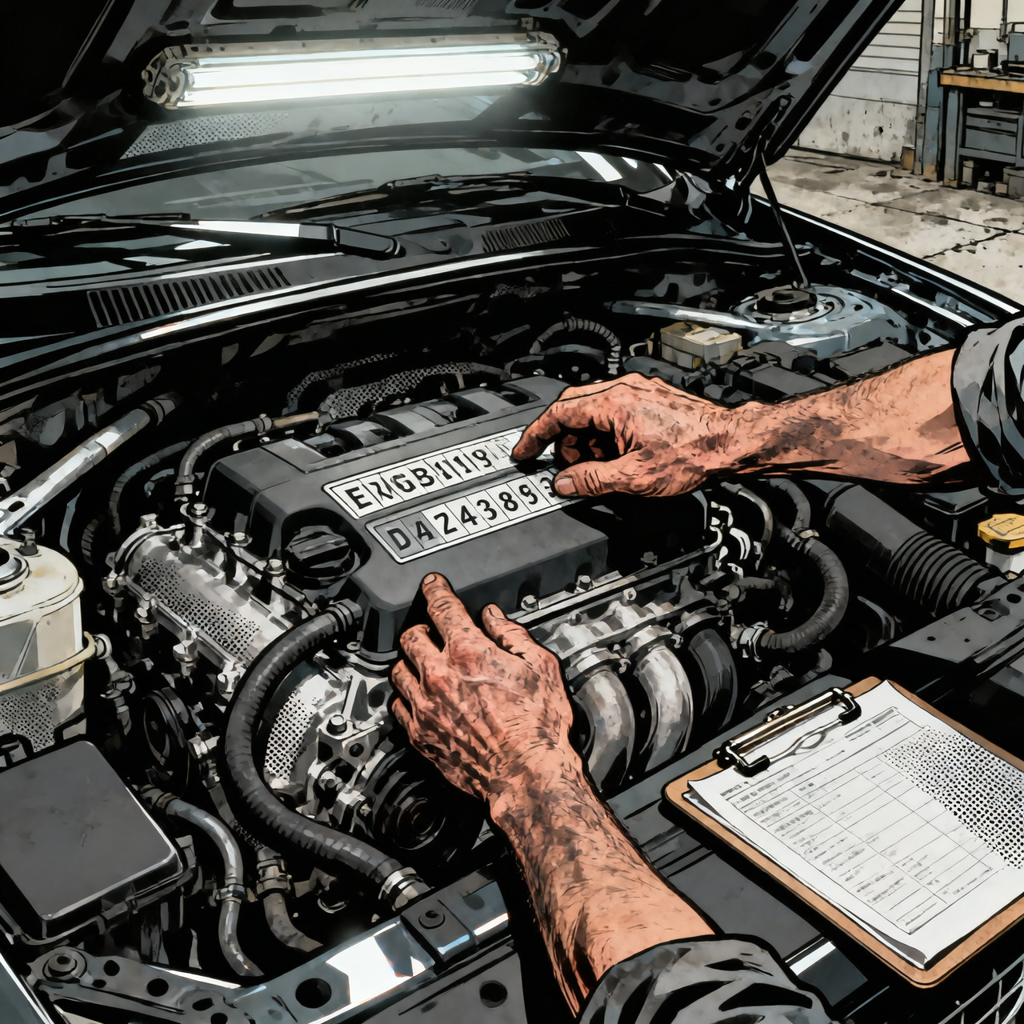
When replacing catalytic converters on vehicles registered in California, technicians face requirements that don’t exist in most other states. The California Air Resources Board (CARB) mandates specific approval for every aftermarket catalytic converter installed, and understanding these regulations is critical to avoiding comebacks, failed smog inspections, and frustrated customers. This guide breaks down the practical steps technicians need to follow when selecting, installing, and documenting catalytic converter replacements in California.
Understanding CARB Approval and Executive Order Numbers
California law requires that all aftermarket catalytic converters carry a CARB Executive Order (EO) number. This isn’t a suggestion or a best practice—it’s a legal requirement that will be checked during every biennial smog inspection. The EO number must be permanently stamped or etched onto the converter body itself, and smog technicians are required to physically inspect and record this number during testing.
There’s an important distinction to understand: OEM (Original Equipment Manufacturer) converters do not carry EO numbers because they’re already certified as part of the vehicle’s original emissions system. Only aftermarket replacements require Executive Orders. When a smog technician inspects a vehicle, they’re looking for either an OEM part or an aftermarket converter with a valid EO number stamped on it.
The term “universal catalytic converter” is widely misused in the automotive aftermarket. While some converters may be approved for multiple vehicle applications, there is no truly universal converter that works legally on every vehicle. Each EO number approves a specific converter for specific engine families, and using the wrong one—even if it physically fits—will result in a failed smog inspection.
Technicians should verify CARB approval before ordering parts using the official CARB aftermarket parts database at arb.ca.gov. This searchable database shows which converters carry valid Executive Orders for specific vehicle applications. If a part number doesn’t appear in this database, it cannot legally be installed on a California-registered vehicle, regardless of what the parts supplier claims.
Decoding Engine Family Numbers and Emissions Packages
One of the most common mistakes technicians make is ordering a catalytic converter based solely on year, make, model, and engine size. In California, this approach will frequently result in ordering the wrong part. The critical specification is the engine family number, which appears on the vehicle’s underhood emissions label.
For example, a 2009 Honda Accord with a 2.4-liter engine might have several different engine family numbers depending on whether it was built as a ULEV (Ultra Low Emission Vehicle) or SULEV (Super Ultra Low Emission Vehicle). These aren’t just marketing terms—they represent fundamentally different emissions control systems with different catalytic converter requirements and drastically different part costs.
SULEV vehicles typically require much more expensive catalytic converters, often in the $800-$1,200 range for aftermarket CARB-approved units. If you’re seeing quotes near $900 for what seems like a standard vehicle, you’re likely working on a SULEV model. The emissions components on these vehicles are engineered to meet exceptionally stringent standards, which is why replacement parts cost significantly more.
The underhood emissions label contains all the information needed for proper part selection. Look for the engine family number (typically a long alphanumeric code), the emission standard designation (LEV, ULEV, SULEV, etc.), and the engine displacement. Cross-reference this information against the CARB database or provide it to your parts supplier to ensure you’re getting the correct converter with the appropriate EO number for that specific engine family.
OEM vs. CARB-Approved Aftermarket: Making the Right Choice
Technicians have two compliant options when replacing catalytic converters in California: OEM parts or CARB-approved aftermarket converters. Each approach has distinct advantages and considerations that affect both immediate cost and long-term reliability.
OEM catalytic converters represent the safest choice for guaranteed compliance and longevity. They’re designed specifically for the vehicle, they’ll never fail a smog inspection, and they typically offer the best durability. The trade-off is cost—OEM converters often run two to three times the price of aftermarket alternatives. For customers planning to keep vehicles long-term or for high-mileage applications, this premium may be justified by reduced risk of early failure.
CARB-approved aftermarket converters from reputable manufacturers like Magnaflow, Walker, and others offer a middle ground. These parts have undergone testing and received Executive Orders from CARB, confirming they meet California’s emission standards for specific applications. Quality varies by manufacturer, but established brands with solid track records provide reliable service at significantly lower cost than OEM.
Price differences are substantial. While OEM converters might cost $1,500-$2,500 or more for many applications, CARB-approved aftermarket units from suppliers like RockAuto often range from $350-$800. This price gap makes aftermarket converters attractive for older vehicles where total repair costs must be balanced against vehicle value.
Field experience with aftermarket converters shows mixed results depending on brand and application. Some technicians report excellent longevity with major-brand CARB-approved converters, passing multiple smog cycles over four or more years. Others have experienced early failures with check engine lights returning within weeks or months, particularly on certain vehicle platforms. The key is sticking with established manufacturers, verifying the EO number match, and setting realistic customer expectations about warranty coverage.
Installation Documentation and Smog Inspection Requirements
Proper installation goes beyond just bolting the converter in place. California regulations require specific documentation, and understanding what smog technicians will inspect prevents comebacks and customer frustration.
When you install a CARB-approved aftermarket catalytic converter, it should come with a printed certificate showing the Executive Order number and approved applications. Keep a copy of this certificate for your records and provide the original to the customer. While smog technicians are required to physically inspect the EO number stamped on the converter itself rather than accepting paperwork, having the certificate available helps verify you installed the correct part if questions arise.
During smog inspection, the technician will crawl under the vehicle and record the EO number stamped on the converter. This number gets entered into the California DMV database along with the smog test results. If the EO number doesn’t match an approved application for that vehicle’s engine family, the vehicle fails inspection immediately—there’s no margin for error or flexibility in this requirement.
The visual inspection also checks for proper installation, including secure mounting, no exhaust leaks, and correct positioning of oxygen sensors. Any CEL (check engine light) related to the emissions system will result in automatic failure, so confirm all sensor connections are secure and all fault codes are cleared before sending the customer for testing.
Timing matters for smog testing after converter installation. The vehicle’s onboard diagnostics need to complete readiness monitors before smog testing. Driving the vehicle through various operating conditions (city, highway, cold start, etc.) allows these monitors to set. Sending a customer directly to smog inspection immediately after converter installation often results in a “not ready” status and wasted time. A 50-100 mile drive cycle with varied conditions typically completes the necessary monitors.
Common Pitfalls and How to Avoid Them
Several recurring mistakes plague catalytic converter installations in California. Recognizing these patterns helps technicians avoid expensive comebacks and customer disputes.
The most frequent error is installing an EPA-certified converter that lacks CARB approval. Federal EPA certification is not sufficient in California—the part must carry a California-specific Executive Order. Parts suppliers outside California sometimes ship EPA-only converters, especially for online orders where California requirements aren’t specified. Always verify CARB certification before installation, not after the customer fails smog inspection.
Ordering based on “universal fit” claims without checking the EO number database creates guaranteed problems. Even if a converter physically bolts on and looks correct, it must match the engine family number exactly. The database search takes five minutes and prevents expensive parts returns.
Assuming that higher price automatically means better compliance is another trap. Some expensive imported converters lack CARB approval despite premium pricing. Conversely, some reasonably priced converters from established manufacturers carry proper certification. Price correlates with quality and longevity, but certification requires checking the actual EO number.
Technicians sometimes encounter early failure of aftermarket converters, with check engine lights appearing weeks or months after installation. This problem varies significantly by vehicle platform and converter manufacturer. Some applications seem particularly sensitive to aftermarket converters, while others accept them readily. Certain Jeep models, for example, have shown higher failure rates with aftermarket converters in field use. When patterns of early failure emerge on specific platforms, switching to OEM parts for those applications prevents repeated comebacks.
Failing to provide customers with proper documentation and explanation of smog requirements creates confusion later. Give customers the EO certificate, explain that the number will be checked during smog inspection, and advise them on the drive cycle needed before testing. This prevents panicked calls when the smog technician crawls under their vehicle or when monitors show “not ready” status.
Sourcing Parts: Where to Find CARB-Approved Converters
Finding the right CARB-approved catalytic converter at a reasonable price requires knowing which suppliers reliably stock compliant parts and provide accurate application information.
RockAuto has emerged as a reliable source for CARB-approved aftermarket converters. Their website specifically indicates Executive Order numbers in search results, making it easy to identify compliant parts. Prices typically run $350-$600 for many common applications, significantly below OEM costs while maintaining CARB certification. The detailed application information helps ensure correct part selection when engine family numbers are properly specified.
Major parts retailers with California locations generally stock CARB-approved options, though prices may run higher than online sources. The advantage is immediate availability and the ability to physically verify EO numbers before purchase. When a vehicle is down and waiting, paying a premium for local stock may be worth it to avoid shipping delays.
Dealer parts departments supply OEM converters at the highest prices but with guaranteed fitment and compliance. For warranty work, customer preference, or applications where aftermarket converters have shown poor longevity, OEM parts eliminate uncertainty. Building relationships with parts department personnel can sometimes yield better pricing on expensive emissions components.
Manufacturer-direct sources like Magnaflow and Walker sell CARB-approved converters through various distributors. These established brands have proven track records and extensive EO number coverage. While not always the cheapest option, their reliability reduces comeback risk compared to unknown brands.
Regardless of source, always verify the EO number against the CARB database before ordering. Don’t rely solely on supplier claims or catalog listings—check the official database to confirm the specific part number carries a valid Executive Order for your vehicle’s engine family. This verification step takes minutes and prevents expensive mistakes.
Pre-Installation Checklist
- Locate and photograph the underhood emissions label showing engine family number and emission standard
- Verify the specific engine family code, not just year/make/model/engine size
- Search the CARB aftermarket parts database to confirm available EO numbers for your application
- Cross-reference the part number you’re ordering against the CARB database to verify EO number match
- Confirm the converter includes a printed certificate with EO number and application list
- Physically verify the EO number is permanently stamped on the converter body before installation
- Inspect all oxygen sensor threads and replace any damaged sensors before installing new converter
- Check exhaust system mounting points and replace degraded hangers or brackets
- Verify you have appropriate high-temperature anti-seize for oxygen sensor installation
- Clear all emission-related fault codes after installation and verify no new codes set
- Provide customer with EO certificate and explain 50-100 mile drive cycle before smog testing
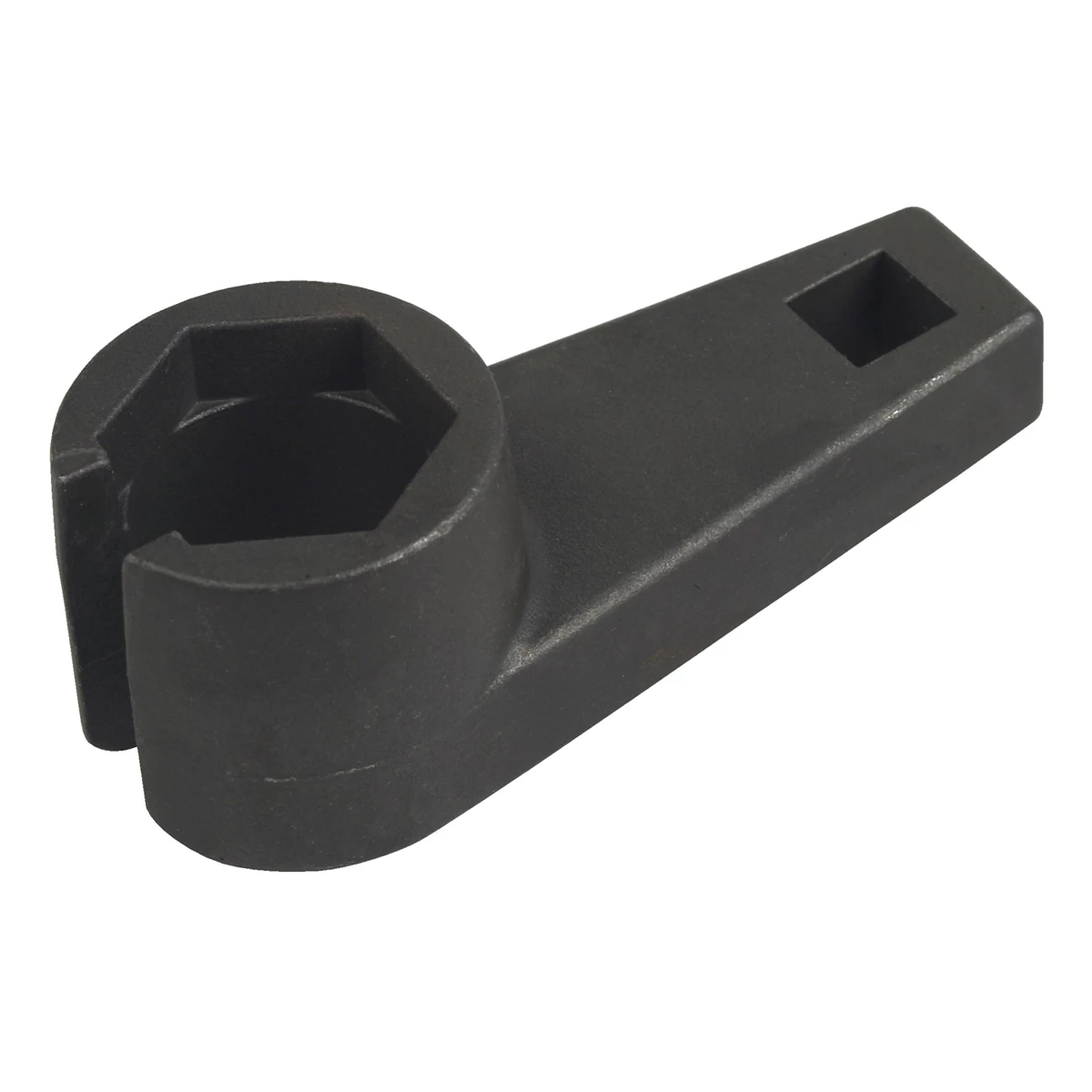
7/8" (22mm) Low Profile Offset 3/8" Drive Oxygen Sensor Socket
Mfg: OTC Tools and Equipment
Part #: 4673-7

Frequently Asked Questions
Can I install a federal EPA-certified catalytic converter that doesn’t have a CARB Executive Order number?
No. California law specifically requires CARB approval for all aftermarket catalytic converters. EPA certification alone is not sufficient, and the vehicle will fail smog inspection during the visual check when the technician cannot find a valid EO number stamped on the converter.
Why do some catalytic converters for the same vehicle cost $400 while others cost $1,500?
Price differences reflect several factors: OEM vs. aftermarket, precious metal content, manufacturing quality, and emissions package. SULEV vehicles require more expensive converters with higher catalyst loading. OEM parts always cost more than aftermarket alternatives. Quality and longevity vary significantly across price ranges.
How do I find the engine family number on a vehicle?
The engine family number appears on the underhood emissions label, typically located on the underside of the hood or on the radiator support. It’s usually a long alphanumeric code that may include the model year, manufacturer code, and emission standard. If the label is missing or illegible, you can sometimes find this information in the vehicle’s service records or by contacting the dealer with the VIN.
What should I do if the smog technician says the EO number doesn’t match?
First, verify that the EO number was recorded correctly—transcription errors happen. Then check the CARB database to confirm the EO number is valid for your specific engine family. If the wrong converter was installed, it must be replaced with a properly certified unit. Keep documentation of what was ordered and what was supplied if you need to pursue a parts warranty claim or supplier error.
Do CARB-approved aftermarket converters last as long as OEM parts?
Longevity varies by manufacturer and application. Quality CARB-approved converters from established brands like Magnaflow and Walker provide good service life for many applications, with some technicians reporting successful operation through multiple smog cycles over four-plus years. However, some vehicle platforms show higher failure rates with aftermarket converters, particularly certain Jeep models and other applications. OEM converters generally offer the best longevity but at significantly higher cost.
Can I submit paperwork instead of having the EO number stamped on the converter?
No. California regulations require smog technicians to physically observe and record the EO number stamped on the actual converter during inspection. They cannot accept certificates, receipts, or other documentation as a substitute for the stamped number. The paperwork serves as your record and helps verify correct installation, but it doesn’t satisfy the inspection requirement.
Recommended Tools for Catalytic Converter Work
Proper catalytic converter replacement requires the right diagnostic and installation tools. Whether you’re verifying CARB compliance, inspecting emissions components, or performing pre- and post-installation diagnostics, having reliable automotive emissions tools on hand ensures accurate work and prevents comebacks.
- Diagnostic scanners and code readers for emissions system verification and fault code clearing
- Oxygen sensor sockets and installation tools for proper sensor seating and anti-seize application
- Exhaust system inspection tools for detecting leaks and verifying secure mounting

The Toolsource Technical Team blends decades of real-world automotive service experience with up-to-date technical research. Our writers collaborate with professional mechanics, shop owners, and diagnostic specialists to deliver practical, workshop-ready guidance you can trust.


Follow us on social media