Now I’ll compress this to under 2000 words while maintaining all HTML structure, headings, lists, and FAQs:
Your charging system failing can cost $50 for DIY repair or $800 at a dealership. Rebuilding vs. replacing depends on shop costs, parts availability, and vehicle design. Professional rebuilds often beat cheap remanufactured units, especially for high-output diesel alternators.
When to Repair vs Replace Your Alternator
Diagnosing the problem first
Before deciding to repair or replace, confirm the alternator is the culprit. Use a digital multimeter to check battery voltage while running—you should see 13.8-14.4 volts at idle. Below 13.5 or above 14.8 volts indicates alternator or voltage regulator problems. Test at different RPM levels; failing alternators often charge fine at highway speeds but struggle at idle.
Many shops skip proper diagnosis and immediately sell new alternators. The real issue might be corroded battery terminals, a worn serpentine belt, or loose ground connections. Have an auto parts store bench-test your alternator for free—it tells you if the alternator itself failed or if wiring/connection problems exist.
Age, mileage, and vehicle value
Alternators typically last 80,000-150,000 miles. Beyond 150,000 miles, replacement makes more sense than repair since other components are worn out too. Your vehicle’s value matters: for cars you’ll keep years, invest in factory alternators or professional rebuilds. For a $3,000 vehicle, a $50 salvage yard alternator makes sense even if it lasts only 30,000 miles.
Cost comparison
DIY bearing replacement: $15-40 parts, 2-3 hours. Voltage regulator swap: $25-75. Full DIY rebuild: $60-120. Professional rebuild: $150-300 with 1-2 year warranty. Remanufactured: $100-250. New factory: $250-600. Shop labor: $90-200.
Diesel trucks change the math: new 250-amp alternators cost $500-700, but professional rebuilds at $250-350 often last longer since shops replace every worn part, not just the broken one.
Alternator Repair Options: DIY, Professional, or Remanufactured
Rebuilding yourself
Alternators are simple: a rotor creates current, a stator converts it, a diode pack converts to DC, a voltage regulator controls output. Common failures: worn brushes, bad bearings, failed voltage regulators, heat-damaged diodes. DIY brush and bearing replacement is doable for mechanically inclined people.
Access varies by vehicle. Honda Civics and Toyota Corollas expose alternators on top (30-45 minutes access). Subarus, transverse V6s, and European cars bury them deep (2-3 hours access). Once on a workbench, disassembly reveals the problem—worn brushes shrink visibly, bad bearings make noise when spinning the shaft, voltage regulators test with a multimeter.
RockAuto, Summit Racing, and DB Electrical stock rebuild kits ($40-80). YouTube channels like ChrisFix show step-by-step processes. Main DIY challenge: load testing requires equipment most home mechanics don’t own.
Professional rebuild shops
Quality rebuild shops are rare. Most “rebuilt” units at auto parts chains only swap the failed part—voltage regulator replaced but brushes and bearings remain original and worn. That’s why budget remanufactured alternators fail fast.
Good shops replace every wear item, test under load, and offer 1-2 year warranties at $150-300. Ask: Do you replace all parts or just the failed one? What warranty? Can you rebuild high-amp alternators? Search for shops specializing in starters/alternators with 15+ years experience serving commercial fleets. Fleet mechanics won’t return if reliability fails, so these shops have strong reputations.
Remanufactured vs new vs used
Quality remanufactured units (Bosch, Denso, Motorcraft) replace all worn parts. Budget remanufactured from no-name brands get minimal work. New factory alternators offer maximum reliability but cost 2-3× more. Use them for long-term ownership; skip them if trading in next year.
Used alternators from salvage yards work great—a used unit with 60,000 miles often beats sketchy remanufactured ones. Salvage yards offer 30-90 day warranties for $40-100. Check for corrosion/damage and request bench-testing. Unknown history is the risk: was the donor car flooded or neglected?
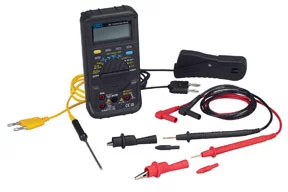
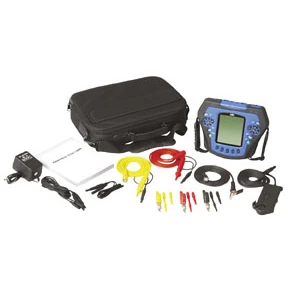
100 Series Autoranging Automotive Multimeter
Mfg: OTC Tools and Equipment
Part #: 3505A
Cost Breakdown: Labor, Parts, and Warranties
Labor costs by vehicle
Easy cars (Honda Accord): 45 minutes. Difficult cars (Subaru Forester, buried alternators): 2-3 hours. Independent shops: $80/hour. Dealerships: $140-180/hour. Mobile mechanics: $60-100/hour but may lack diagnostic tools.
Pricing table
| Type | Price | Warranty | Best For |
|---|---|---|---|
| New OEM | $250-600 | 3 years / 36k miles | Long-term ownership |
| Quality Remanufactured | $150-300 | 1-3 years | Balanced cost/reliability |
| Budget Remanufactured | $80-150 | 1-2 years | Short-term ownership |
| Professional Rebuild | $150-350 | 1-2 years | Diesel trucks, heavy equipment |
| Used from Yard | $40-100 | 30-90 days | Budget builds, older vehicles |
Diesel trucks (200+ amps) cost $400-700 new. Hybrids with integrated starter-generators: $1,000+.
Understanding warranties
“Lifetime warranty” usually covers only the part, not reinstallation labor ($100-180). Multiple claims mean high total costs. Real warranties cover parts and labor for a set period. Factory 3-year/36,000-mile warranties include labor reimbursement. Professional rebuilds offer 1-2 year warranties on both parts and labor.
Check exclusions—many warranties skip failures from bad installation, other electrical problems, or “environmental damage.” Some void if you DIY. Calculate true cost including warranty replacement labor.
Diagnostic Guide: Test Before Buying
Multimeter testing
Engine off: battery should read 12.4-12.6 volts. Engine running: 13.8-14.4 volts at idle. Below 13.5 = undercharging. Above 14.8 = overcharging (bad voltage regulator). With full electrical load (headlights, blower, defroster): voltage stays above 13.2V. At 2,000 RPM: 14.0-14.4V. Low idle output but good highway output = worn brushes.
Switch to AC volts: under 0.5 AC is normal. Higher readings mean bad diodes letting AC through, damaging electronics. This needs diode pack replacement or alternator swap.
Identifying failed parts
Voltage regulator failure: Overcharging (above 14.8V) or RPM-dependent undercharging. Many have external regulators (separate $25-75 replacements, 30 minutes work) instead of internal ones.
Bearing failure: Grinding, squealing, or rumbling at higher RPMs. Spin alternator pulley by hand—rough or noisy = bad bearings. Costs $15-30 but needs machine shop pressing for DIY.
Brush wear: Easiest to spot and fix. Brushes should stick out 5mm+ from holders. Short brushes need replacement ($10-25). Symptoms: spotty charging, better at high RPM, or no charging.
When partial repair makes sense
Single failed parts on alternators under 100,000 miles justify $25-75 part replacements. Risk: other worn components may fail soon. Professional rebuild shops know which models handle partial repair well. Some Ford alternators constantly fail voltage regulators while everything else lasts fine.
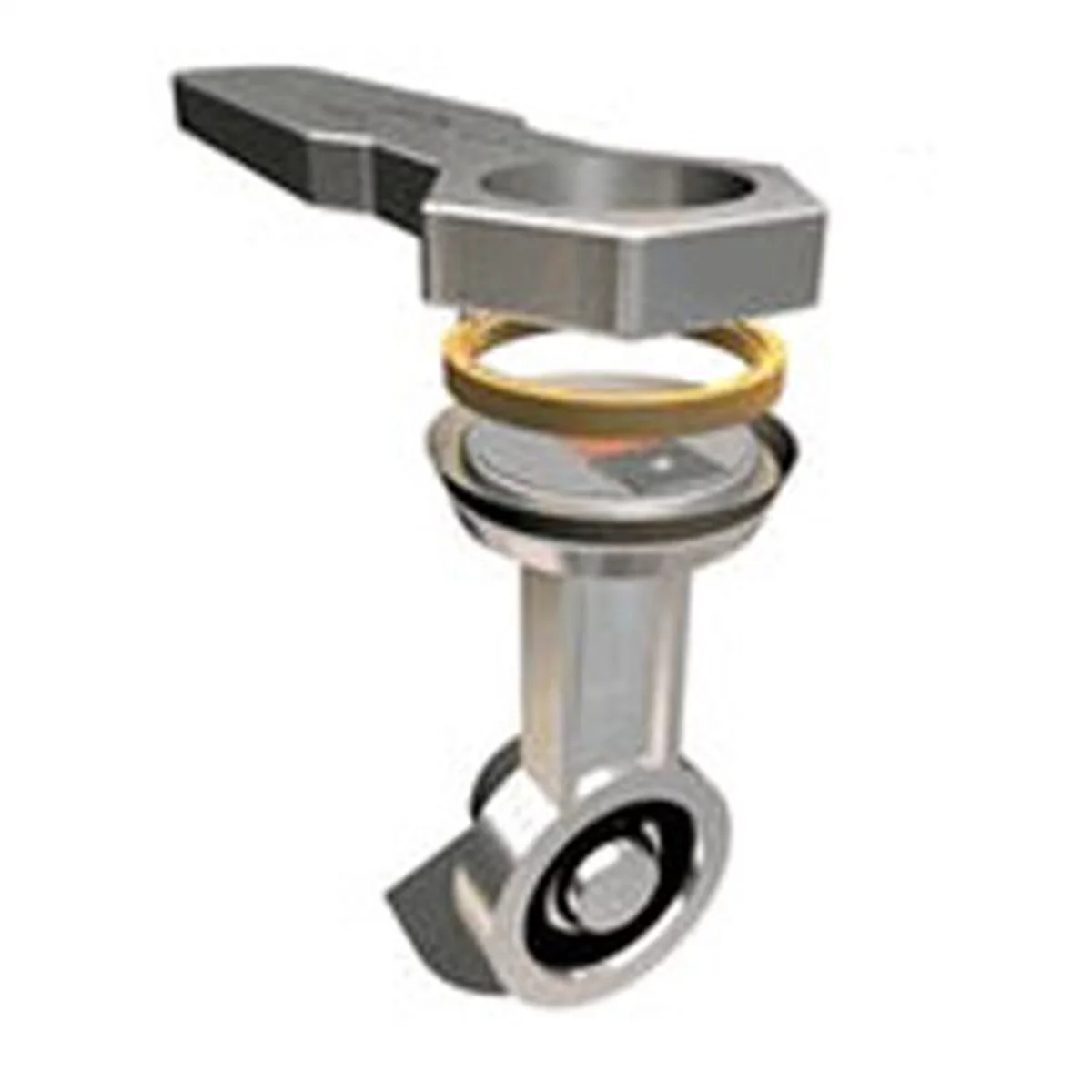

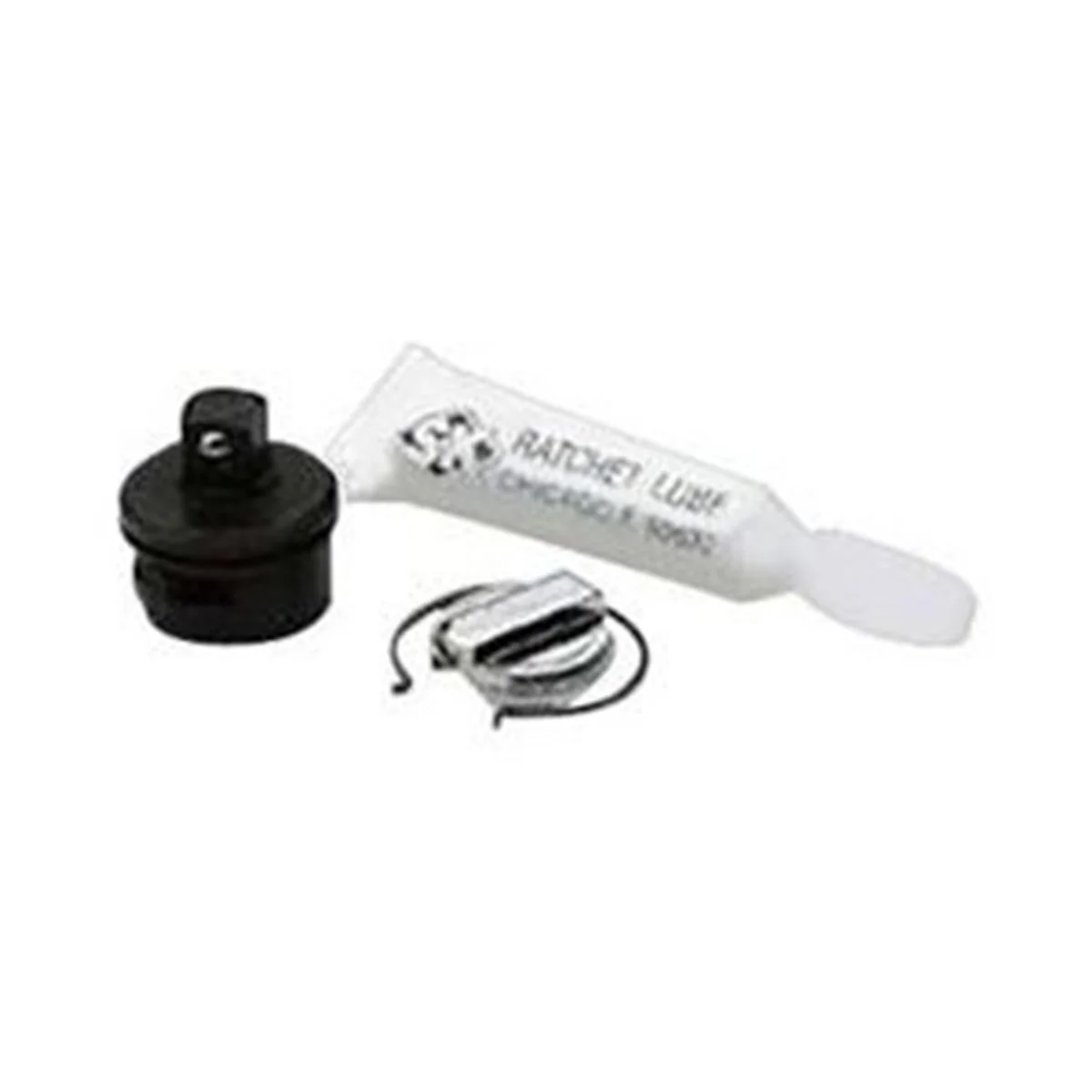
Vehicle-Specific Decisions and Parts
Easy vs difficult by vehicle
Honda/Toyota sedans (2000s-2010s): top-mounted, accessible in under 1 hour. Subaru boxer engines: buried low and deep, 2-3 hours access. European cars: behind engine, need motor mount removal. Chrysler minivans 3.8L: behind engine, requires intake manifold removal (3-4 hours even for pros).
Diesel trucks: new 200-300 amp alternators cost $500-700. Professional rebuild $250-400, often outlasts remanufactured units. For diesel trucks, professional rebuild wins financially.
Finding quality parts
RockAuto: three quality tiers for same alternator. Check reviews for hundreds of 4.5+ star ratings. Factory dealer parts: pricey but bulletproof. Specialty makers (DB Electrical, TYC, Quality-Built): sell direct cheaper than retail. Always verify part numbers match exactly.
Heavy equipment and diesel trucks
New alternators: $600-1,200. Professional rebuilds: $300-500, often superior because specialists replace every component and load-test. Construction/commercial operations use rebuild specialists since downtime costs exceed parts. Find them by asking fleet mechanics and equipment dealers for “heavy equipment electrical repair” or “industrial alternator rebuild.”
Alternator Repair Decision Checklist
- ✓ Test charging voltage with multimeter (13.8-14.4V normal)
- ✓ Perform AC voltage test at battery (under 0.5V acceptable)
- ✓ Check for external voltage regulator (cheaper replacement)
- ✓ Assess alternator accessibility for your vehicle
- ✓ Calculate total cost: parts + labor + warranty
- ✓ Consider vehicle age, mileage, planned ownership
- ✓ For diesel/heavy equipment, get rebuild specialist quotes
- ✓ Verify warranty covers labor, not just parts
- ✓ Check used alternator availability locally
- ✓ Compare DIY rebuild cost vs remanufactured delivered
- ✓ Test new/rebuilt alternator under load before install
- ✓ Inspect serpentine belt condition during service
Frequently Asked Questions About Alternator Repair
Why do remanufactured alternators fail so quickly?
Most remanufactured units only swap the broken part. Replace a bad voltage regulator but leave original worn brushes, bearings, diodes with 80,000 miles? Those fail in months. Quality remanufacturers (Bosch, Denso) replace everything. Budget no-name units get minimal work.
Can I use a used alternator from a salvage yard?
Yes, especially for common vehicles. A 60,000-mile used unit from a newer car often beats sketchy remanufactured ones. Salvage yards offer 30-90 day warranties for $40-100. Check for corrosion/damage and request bench-testing. Get donor vehicle mileage if possible. Unknown history is the only risk.
What’s the difference between lifetime and limited warranties?
“Lifetime warranty” usually covers only the part, not reinstallation labor ($100-180 each time). Multiple claims cost more total. Limited warranties (1-3 years) specify mileage caps and may cover labor. Factory warranties beat budget “lifetime” ones because they include labor reimbursement. Read fine print for exclusions.
How do I find a good alternator rebuild shop?
Ask fleet mechanics, truck dealers, and diesel equipment operators for recommendations. Quality shops: 15+ years in business, serve commercial fleets (won’t return if unreliable), emphasize quality over price. Call and ask: Replace all parts or just failed ones? What warranty? Rebuild high-amp alternators? Good shops explain their process, mention load testing, offer 1-2 year warranties. Avoid shops just installing remanufactured units.
Can I replace an alternator myself if I’m not a pro mechanic?
Yes, if accessible. You need basic hand tools, serpentine belt diagram (under hood or online), and 1-3 hours. Disconnect battery negative terminal first. Release belt tension, remove belt, unplug connector and power cable, remove 2-3 mounting bolts. Installation reverses this. Challenge: some vehicles bury alternators where basic tools won’t reach. Search YouTube for your specific vehicle first. Some need specialty tools or major disassembly, making pro installation worth the cost.
What symptoms mean I need alternator repair?
Battery warning light, dimming headlights at idle (bright at higher RPM), electrical accessories losing power at low speeds, repeatedly dead batteries—these suggest alternator problems. But could also mean corroded terminals, slipping belt, dead battery, or poor ground connections. Proper diagnosis requires multimeter testing: voltage should be 13.8-14.4V running and stay above 13.2V under full load. If voltage holds above 13.2V with everything on, alternator is fine—something else is wrong. Many shops skip diagnosis and sell alternators for $15 terminal cleaning issues. Always verify with voltage testing before authorizing repair.
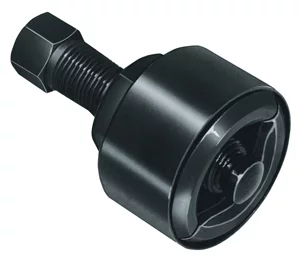
Power Steering Pump / Alternator Pulley Remover
Mfg: OTC Tools and Equipment
Part #: 7185


The Toolsource Technical Team blends decades of real-world automotive service experience with up-to-date technical research. Our writers collaborate with professional mechanics, shop owners, and diagnostic specialists to deliver practical, workshop-ready guidance you can trust.


Follow us on social media