
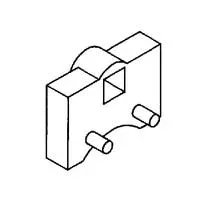
Mopar Essential Tools MD998767
Your Price:












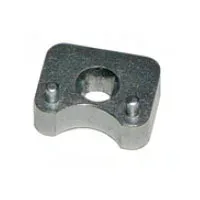
Baum Tools T40009
Your Price:
List Price: $30.25% off







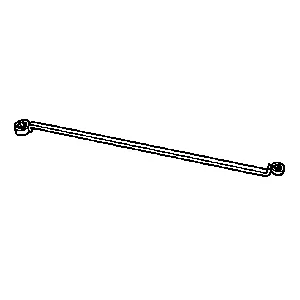





CTA Manufacturing Corp. 8983X03
Your Price:
List Price: $54.9930% off




Engine drive belts and timing belts need the right tension to run quietly and last. This category covers tools to release, set and check that tension: serpentine belt tools that rotate a spring-loaded tensioner in tight spaces, belt tension gauges that measure tension on a belt run, and vehicle-specific tensioner, holding and timing chain wedge tools. Auto repair technicians, dealership technicians and fleet shops use them for serpentine belt replacement, timing belt jobs and tracking down belt noise.
Most modern engines use one serpentine belt kept tight by an automatic tensioner. To take the belt off, the tensioner has to be rotated against its spring. A serpentine belt tool is a long, thin bar with a set of sockets or adapters, such as a 13 mm socket, that fit the tensioner bolt or square hole. The long handle gives leverage, and the low profile slips between the engine and the radiator or fender where a ratchet will not fit.
On drives with a manual adjuster, a belt tension gauge reads tension on a belt span so the belt can be set to spec, neither loose and slipping nor tight enough to load the bearings. Vehicle-specific tools hold a tensioner, cam or chain in place during a job, such as a timing chain wedge for one Ford engine or a serpentine belt tool made for one model. Check the application before ordering.
Before removing a belt, take a photo or check the routing label so it goes back on the same way. Rotate the tensioner slowly and let it back down under control, since a tensioner that snaps back can damage the tool or pinch fingers. Spin the tensioner and idler pulleys by hand while the belt is off to check for noise or wobble.
Brands include OTC, Lisle, Baum, CTA, Kent-Moore and Mopar Essential Tools. Camshaft tools and timing tools are in the nearby Engine Repair Tools categories.














Follow us on social media