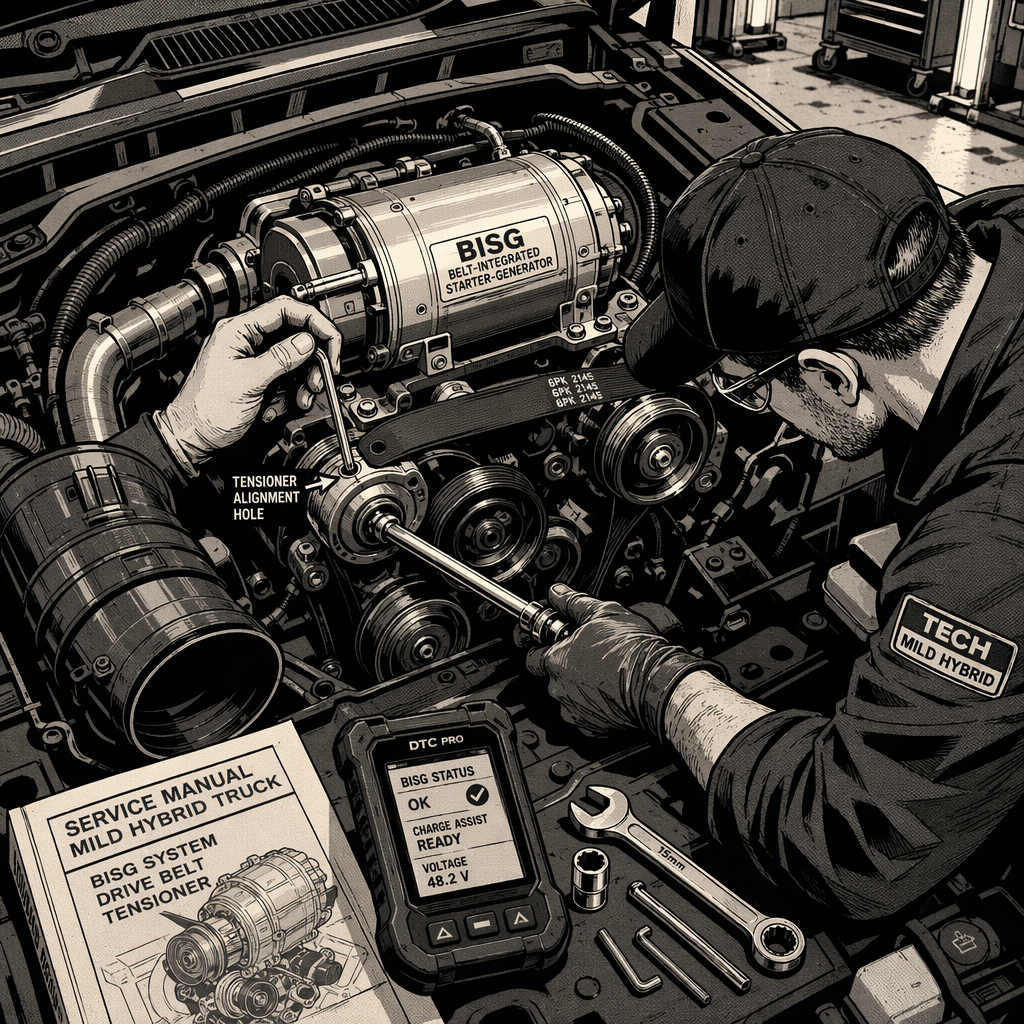
Mild hybrid trucks have quietly replaced the conventional starter and alternator with a single 40–48V unit that lives on the belt, and it’s catching a lot of techs off guard the first time one rolls into the bay. Whether it’s badged as a BISG (belt-integrated starter-generator), an MGU (motor-generator unit), or Ram’s eTorque module, the job is the same: start the engine, add low-end torque assist, and recharge a small hybrid battery — all from a belt-driven unit that looks nothing like the alternator it replaced. This guide covers what these systems actually do, how to diagnose a failure, where the labor time really goes, and what to tell a customer before you pull the belt.
What a BISG/MGU Actually Is
A belt-integrated starter-generator combines three jobs into one housing: primary starter, alternator, and torque-assist motor. Instead of a 12V starter motor engaging a flywheel, the engine is spun up through the accessory belt using a higher-voltage motor (commonly 40–48V, though architecture varies by OEM). That’s why these systems restart noticeably faster and smoother than a traditional starter-based stop/start setup — there’s no gear engagement noise, just an immediate spin-up.
You’ll see this technology under different names depending on the platform:
- Ram 1500 eTorque — a 48V BISG paired with a small lithium battery pack, used for both the mild-hybrid stop/start trucks and the full hybrid (BAS-style) Hemi applications.
- Ford PowerBoost / F-150 hybrid — Ford’s version is essentially the same concept, integrated between the engine and transmission on the hybrid variant.
- BMW/Audi 48V mild hybrid — a more compact, OEM-integrated version of the same idea, generally easier to access than the domestic truck implementations.
- GM BAS (Belt Alternator Starter) — an earlier version of the same concept on GM hybrids.
The core takeaway for diagnostics: this is not “just an alternator.” A no-start, a no-charge, and a rough/failed stop-start cycle can all trace back to the same component, so scan tool data and battery state-of-charge need to be part of your first pass, not an afterthought.
Diagnosing a Failing BISG or MGU
Because the unit does three jobs, failure symptoms overlap with multiple systems. Work through these in order before you condemn the unit:
- Confirm it’s not a battery or charging system fault first. These trucks run a separate 48V (or similar) hybrid battery in addition to the standard 12V battery. A weak or faulted hybrid battery can mimic BISG symptoms — check state of charge and battery health codes before pulling the unit.
- Pull codes from the hybrid/eTorque module, not just the PCM. Generic OBD-II codes won’t always flag a BISG fault; you need the manufacturer-specific module in the scan tool’s menu.
- Listen for belt noise on start/stop cycling. A whining, grinding, or chirping noise specifically during the stop-start transition (not during normal idle) points at the unit or its coupling, not the alternator function.
- Check for stop-start disable messages on the dash. Many of these systems will silently disable auto stop-start and default to conventional charging when the BISG is degrading — that’s often the first customer complaint you’ll hear, well before a full failure.
- Verify belt tension and belt condition independently. A stretched or glazed belt will throw symptoms that look electrical but are purely mechanical — don’t replace a four-figure part because of a $40 belt.
If you’re stocking diagnostic gear for this segment, look for a scan tool with confirmed OEM-level coverage of hybrid/eTorque modules, not just generic OBD-II — aftermarket tools vary a lot in how deep they read into these systems.
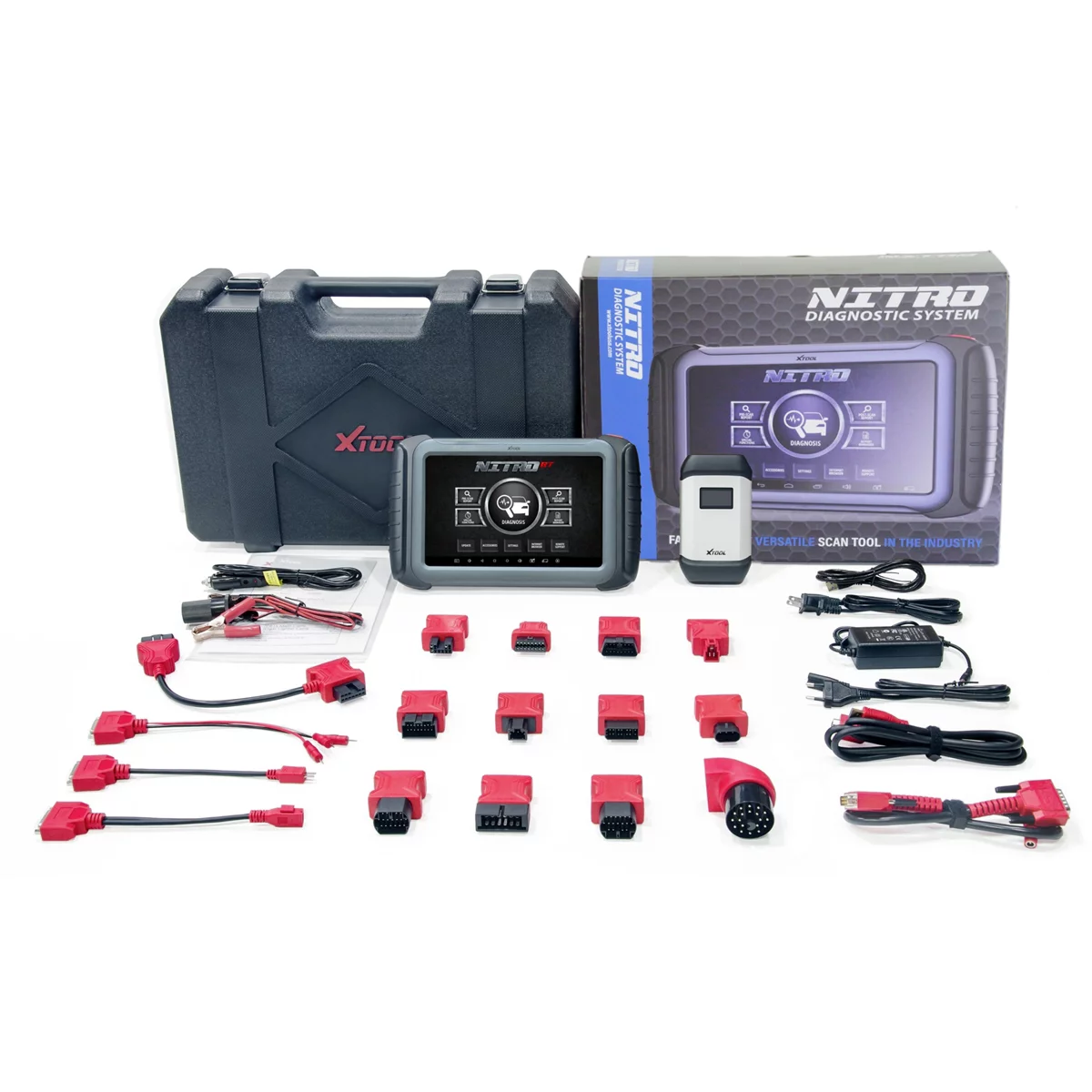
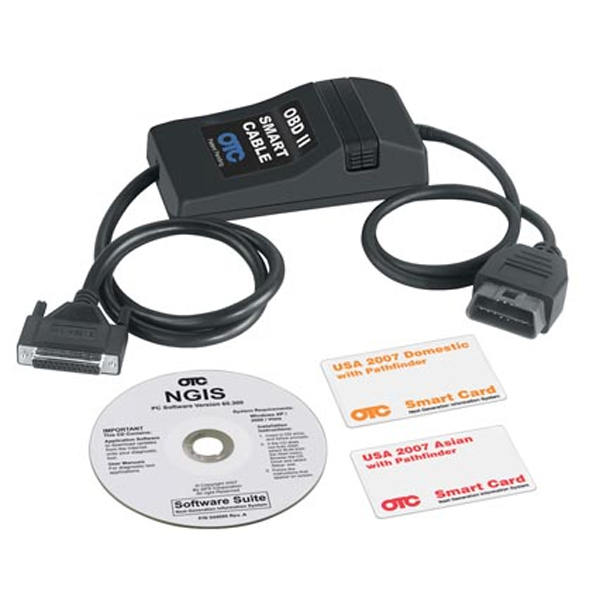
Genisys USA 2007 Scan Tool Super Bundle Cable with Asian and Dom
Mfg: OTC Tools and Equipment
Part #: 3421-100
The Belt Tensioner Is the Real Time Sink
Ask any tech who’s done a handful of these and the complaint is consistent: the unit swap itself isn’t bad, but the belt tensioner design on several of these platforms is genuinely unfriendly. On eTorque-equipped Rams in particular, techs report the tensioner alone eating close to an hour of labor when it fights back — well beyond what the part itself should require.
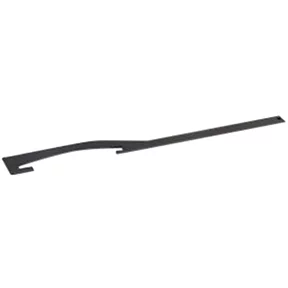
- Some techs use two pin/Allen-key style tools inserted into the tensioner’s alignment holes to hold it in a compressed position while the belt is worked off and on, rather than fighting it with a single breaker bar.
- Have the correct offset box wrench or crowfoot for the tensioner bolt on hand before you start — generic combination wrenches often can’t clear the surrounding brackets.
- Don’t force the tensioner past its rated travel. If it feels like it’s binding rather than compressing, stop and re-check your access point; forcing it risks damaging the tensioner arm or spring.
- Budget the job time accordingly when quoting labor — if you price this like a standard alternator swap, you will lose money on the tensioner alone.
Access, Packaging, and Design Quirks to Watch For
These units tend to be buried. On several platforms the engine bay is engineered tightly enough that components are pushed back under the cowl, which turns what should be a bolt-and-connector job into a partial teardown. A few specific things to flag before you quote a job:
- Cowl and intake clearance. Expect to remove intake ducting, and in some cases additional brackets, just to get a socket on the mounting bolts.
- Oil drain plug placement. On some of these engine platforms, the oil drain plug sits directly above an electronic control module, meaning a routine oil change can drip directly onto sensitive electronics if a splash shield or seal is missing or degraded. Inspect and note the condition of any drain shielding during routine service, and don’t skip it just because it “was fine last time.”
- Weight and support. These units are heavier than a standard alternator. Support the assembly properly during removal — don’t let it hang on the belt or a single bracket while you’re working around it.
- Parts lead time. Several dealership techs report month-plus backorders on eTorque BISG units due to demand outpacing supply. Set customer expectations on turnaround early, and check availability before you promise a repair date.
Cost, Warranty, and Talking to the Customer
These units are expensive — MSRP on some current-generation eTorque BISG units runs in the $1,400–$1,500+ range before labor, and shops report charging close to $2,000 out the door once labor and tensioner time are factored in. A few things worth confirming before you deliver a quote:
- Check hybrid/electrification warranty coverage first. Several manufacturers cover the hybrid drivetrain, including the BISG/MGU, under an extended warranty (commonly in the 8–10 year / 80,000–100,000 mile range) separate from the standard powertrain warranty. Pull the VIN warranty status before quoting a customer-pay repair — you may be quoting a job that’s actually covered.
- Present aftermarket options where they genuinely exist. On some platforms aftermarket alternator-style units are available at a fraction of OEM cost; on true BISG/MGU integrated units, aftermarket support is much thinner or nonexistent, so don’t assume it’s an option without checking first.
- Be upfront about lead time, not just price. A customer who hears “$1,800 and it’ll be here in a month” upfront is in a much better spot than one who hears it after the vehicle’s already on the lift.
For shops taking on more of this work, it’s worth reviewing your bay’s tool inventory for hybrid-rated equipment — insulated tools, proper high-voltage/48V-rated meters, and belt service kits sized for these specific tensioner designs.
Quick Reference Checklist
- Confirm hybrid battery state of charge before condemning the BISG/MGU
- Pull codes from the hybrid/eTorque-specific module, not just generic OBD-II
- Rule out belt condition and tension as a standalone cause
- Check VIN warranty status for hybrid drivetrain coverage before quoting customer-pay
- Confirm parts availability and lead time before promising a delivery date
- Inspect oil drain shielding on platforms where the drain sits above a control module
- Quote labor time realistically, accounting for tensioner and cowl-area access

Frequently Asked Questions
Is a BISG the same thing as a regular alternator?
No. It combines starter, alternator, and torque-assist motor functions in one belt-driven unit, typically running at 40–48V instead of the 12V of a conventional alternator. Diagnosing it means checking starting, charging, and stop-start behavior together, not in isolation.
Why does the belt tensioner take so long on some of these jobs?
On certain platforms, notably eTorque-equipped Ram trucks, the tensioner design requires holding it in a compressed position (often with pins or Allen keys through alignment holes) while manipulating the belt, and tight surrounding clearance makes standard tools awkward to use. Budget extra labor time for it specifically.
Are these units covered under warranty?
Often yes — many manufacturers cover hybrid/electrification components, including the BISG/MGU, under an extended hybrid warranty separate from the base powertrain warranty. Always check VIN-specific coverage before quoting a customer-pay repair.
Why is my BISG/MGU replacement part on backorder for weeks?
Demand for these units has outpaced OEM supply on some platforms, with dealership techs reporting month-plus waits. Check parts availability before committing to a repair timeline with the customer.
Can I use an aftermarket unit instead of OEM?
It depends on the platform. Some mild hybrid systems have aftermarket alternator-style alternatives; true integrated BISG/MGU units on trucks like eTorque Rams generally have limited to no aftermarket support. Verify part-specific availability rather than assuming.
What symptoms show up before a full failure?
Watch for auto stop-start silently disabling itself, unusual belt noise specifically during start/stop cycling, or dash messages referencing the hybrid or stop-start system. These often precede a complete no-start or no-charge condition.
Recommended Tools for Hybrid System Service
Servicing BISG and MGU systems requires more than standard alternator tools — you’ll need scan tool coverage for hybrid modules, specialty belt service equipment, and voltage-rated meters. Explore our EV and Hybrid Tools for the diagnostic and service gear these platforms demand.
- Scan tools with OEM hybrid module access for complete diagnostics
- Belt tensioner and drive service kits designed for hybrid platforms
- High-voltage meters and insulated hand tools rated for 48V systems

The Toolsource Technical Team blends decades of real-world automotive service experience with up-to-date technical research. Our writers collaborate with professional mechanics, shop owners, and diagnostic specialists to deliver practical, workshop-ready guidance you can trust.


Follow us on social media