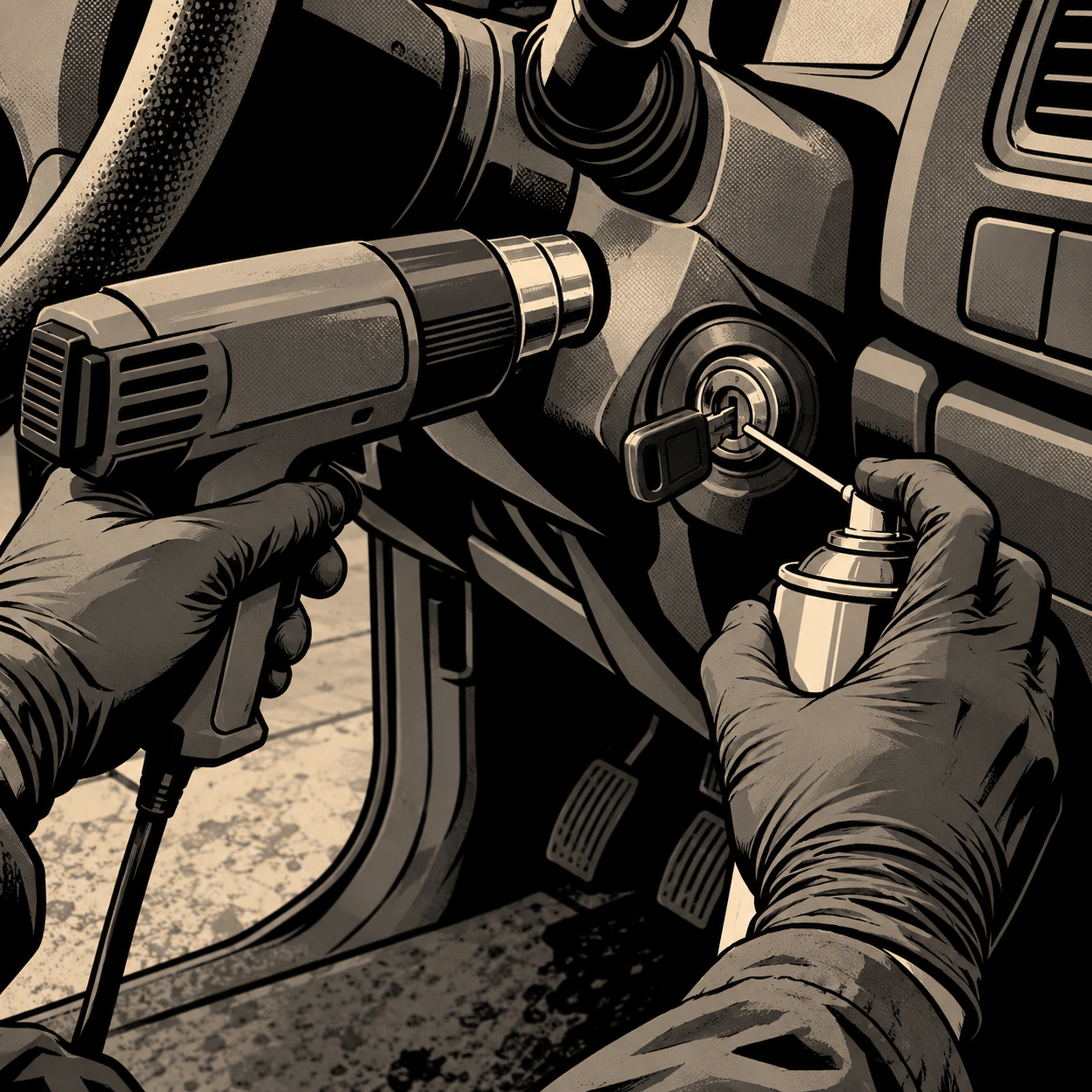
Every shop eventually gets a version of the same question: a key picked up wax, grease, dirt, or some other residue, and now the owner wants to know if it’s safe to keep using before anything gets inspected. The short answer is almost always the same—if the key turns and the engine starts, the car is drivable—but “is it safe” and “is it good for the lock long-term” are two different questions. Here’s a practical, no-drama process for diagnosing a contaminated ignition cylinder, cleaning it correctly, and deciding whether lubrication or a cylinder swap is the right call.
First, Confirm the Car Actually Starts
Before troubleshooting anything, verify the basics. Insert the key and try to start the vehicle normally. If it starts and the key turns smoothly, the contamination is cosmetic for now and there’s no immediate safety issue. If the key is hard to insert, doesn’t turn, or the car cranks but won’t fire, that’s a different conversation—one involving the ignition switch, the transponder/immobilizer system, or a mechanical obstruction in the tumbler, not just surface residue.
A quick way to separate “lock problem” from “security system problem” on modern vehicles: if the key turns but the car still won’t start, check for a security/immobilizer warning light on the dash. Many factory anti-theft systems read the transponder chip via a coil around the ignition barrel. If that light is flashing, the issue is electronic, not mechanical, and no amount of cylinder cleaning will fix it.
Understand What the Contaminant Actually Does
Wax, candle wax specifically, has a long history as an improvised lubricant—it’s used on bicycle chains and skate rails because it stays semi-solid and attracts less grit than oil-based lubricants. In a lock cylinder, a light wax coating on the key blade is unlikely to cause corrosion or electrical problems, since wax is non-conductive and non-corrosive. The bigger practical risk isn’t the wax itself—it’s what the wax picks up over time. A tacky residue inside the tumbler can attract dust and debris, which gradually makes the cylinder stiffer to turn.
Transponder (chip) keys are a separate concern from the mechanical lock. Most factory chip keys communicate with the vehicle’s immobilizer through short-range inductive coupling, not physical electrical contact, so a waxy or oily film on the key’s plastic head generally won’t block that signal. The exception is aftermarket or failing readers, and any situation where corrosion has reached actual metal contacts (common in some aftermarket remote-start or alarm installs that do use contact pins). When in doubt, scan for stored fault codes related to the immobilizer before assuming it’s purely mechanical.


Clean the Cylinder the Right Way
If the key sticks or drags, don’t reach for an open flame, a lighter, or anything that heats the lock assembly directly—that risks melting surrounding plastic trim, damaging the ignition switch’s electrical contacts, or igniting fuel vapor near the fuel door. The safer approach:
- Use a low-heat hair dryer or a heat gun on its lowest setting, held several inches away, to gently soften the wax without scorching plastic.
- Insert and remove the key repeatedly while warm to work softened wax out along the blade—this also helps distribute it as a light lubricant rather than letting it build up in one spot.
- Follow with a blast of electronics-safe contact cleaner or a dedicated lock cleaner/degreaser aerosol with a thin straw nozzle, aimed into the keyway. These are formulated to evaporate cleanly and won’t leave the sticky residue that general-purpose degreasers can.
- Use low-pressure compressed air to blow out loosened debris after the solvent flashes off.
- Wipe the key blade clean with a lint-free cloth between insertions so you’re not reintroducing the same wax you just removed.
Repeat the cycle two or three times rather than oversaturating the lock in one pass. Most of these jobs clear up in under ten minutes without removing the ignition housing.
Choose the Right Follow-Up Lubricant
Once the cylinder is clean, resist the urge to soak it in WD-40 or a general oil-based spray. Oil-based lubricants stay wet, which means they attract and hold dust and grit over time—exactly the stiffening problem you’re trying to avoid. For lock cylinders specifically, dry lubricants perform better long-term:
- Graphite powder – traditional choice, but can leave black residue on hands and door panels if overused.
- PTFE (Teflon) dry lubricant spray – cleaner to apply, doesn’t attract dirt the way oil does, and is safe on the plastic and rubber components near most ignition switches.
- Silicone-based dry spray – a solid middle ground, often sold specifically for locks and sliding mechanisms.
Interestingly, the original wax contamination, in small amounts, isn’t far off from what some lock techs intentionally use—wax-based lubricants are a known (if nonstandard) choice precisely because they resist attracting moisture and grit better than oil. The problem is dosage and mess, not chemistry. A thin, controlled layer of a purpose-made dry lubricant gets the same benefit without the buildup risk.
Know When to Stop Troubleshooting and Replace the Cylinder
Cleaning solves the vast majority of contamination complaints. Escalate to inspection or cylinder/switch replacement when any of these show up:
- The key turns but the car cranks intermittently or not at all, suggesting worn internal contacts in the ignition switch itself (separate from the tumbler).
- There’s visible corrosion or green/white buildup on metal contacts, not just wax or dirt.
- The immobilizer light stays on or flashes even with a known-good key, pointing to an electronic fault rather than a mechanical one.
- The key binds or requires excessive force even after cleaning, which can indicate worn tumbler pins or a bent key blade rather than residue.
A clean, well-lubricated cylinder shouldn’t require force to insert, turn, or remove the key. If you’re stocking supplies for jobs like this, a shop-grade option worth having on the bench is a dry PTFE lock lubricant spray with a precision straw nozzle—it clears light contamination without oversaturating surrounding trim or leaving the sticky residue that drives repeat comebacks.
Quick Reference Checklist
- Confirm the key inserts and turns before assuming a bigger problem exists.
- Check for an immobilizer/security light if the car cranks but won’t start.
- Never apply direct flame or high heat to an ignition cylinder.
- Use gentle heat + contact cleaner, not oil-based sprays, to clear wax or grease.
- Follow cleaning with a dry PTFE, silicone, or graphite lubricant—not WD-40.
- Escalate to switch/cylinder replacement if corrosion, binding, or electronic faults persist after cleaning.
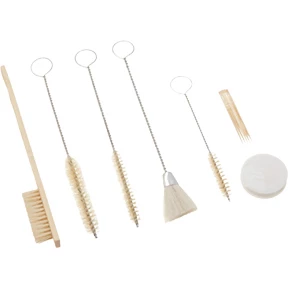
Beyond a single contaminated key, it’s worth keeping a small kit of lock-specific cleaning and lubrication supplies on hand, since this type of comeback is common with new vehicle owners, teen drivers, or anyone who’s borrowed someone else’s keys. A lock and key maintenance kit covering cleaner, dry lubricant, and key blade files handles the majority of these calls without a full cylinder teardown.
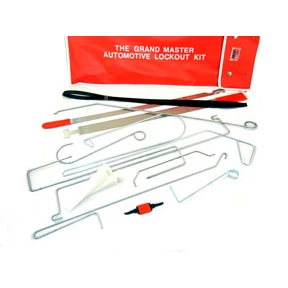
Grand Master Automotive Lockout Kit LT-500
Mfg: Lock Technology LTI by Milton
Part #: 500
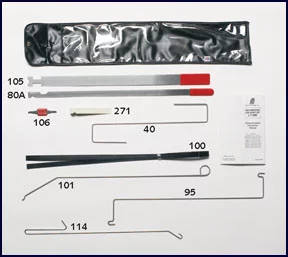
Mini Master Automotive Lockout Kit LTI200
Mfg: Lock Technology LTI by Milton
Part #: 200

Super Multi-Piece Easy Access and Inflate-A-Wedge Kit
Mfg: Lock Technology LTI by Milton
Part #: 145
FAQs
Will wax on a key damage the ignition cylinder?
Not in normal amounts. Wax is non-conductive and non-corrosive, so it won’t harm electrical contacts or cause rust. The main risk is it attracting dirt over months, which can make the key stiffer to turn.
Can I use a lighter or open flame to melt wax out of the lock?
No. Direct flame near the ignition risks melting dashboard plastic, damaging the switch, and is a fire hazard near fuel vapor. Use a hair dryer or heat gun on low instead.
Is it safe to drive if the key still starts the car normally?
Yes. If the key inserts, turns, and the engine starts without unusual resistance or warning lights, the vehicle is safe to drive. Clean the cylinder when convenient, not urgently.
Will a waxy key block a transponder or chip reader?
Usually not. Most factory transponder systems use short-range inductive signals, not direct electrical contact, so a thin coating on the plastic key head typically doesn’t interfere. Corrosion on actual metal contacts is a separate issue.
What’s the best lubricant for a lock cylinder long-term?
Dry lubricants—PTFE, silicone, or graphite sprays—outperform oil-based products like WD-40 because they don’t stay wet and attract grit over time.
When should I stop DIY cleaning and have a shop look at it?
If the key still binds after cleaning, if there’s visible corrosion, or if an immobilizer/security warning light stays on despite a known-good key, have the ignition switch and cylinder professionally inspected.
Tools for Ignition Maintenance
Keeping specialized cleaners and lubricants on hand makes ignition maintenance faster and prevents repeat comebacks. Stock up from our Ignition Tools selection.
- Lock-specific cleaners and contact degreasers
- Dry lubricants (PTFE, silicone, graphite) that resist attracting debris
- Key files, replacement cylinders, and related hardware

The Toolsource Technical Team blends decades of real-world automotive service experience with up-to-date technical research. Our writers collaborate with professional mechanics, shop owners, and diagnostic specialists to deliver practical, workshop-ready guidance you can trust.


Follow us on social media