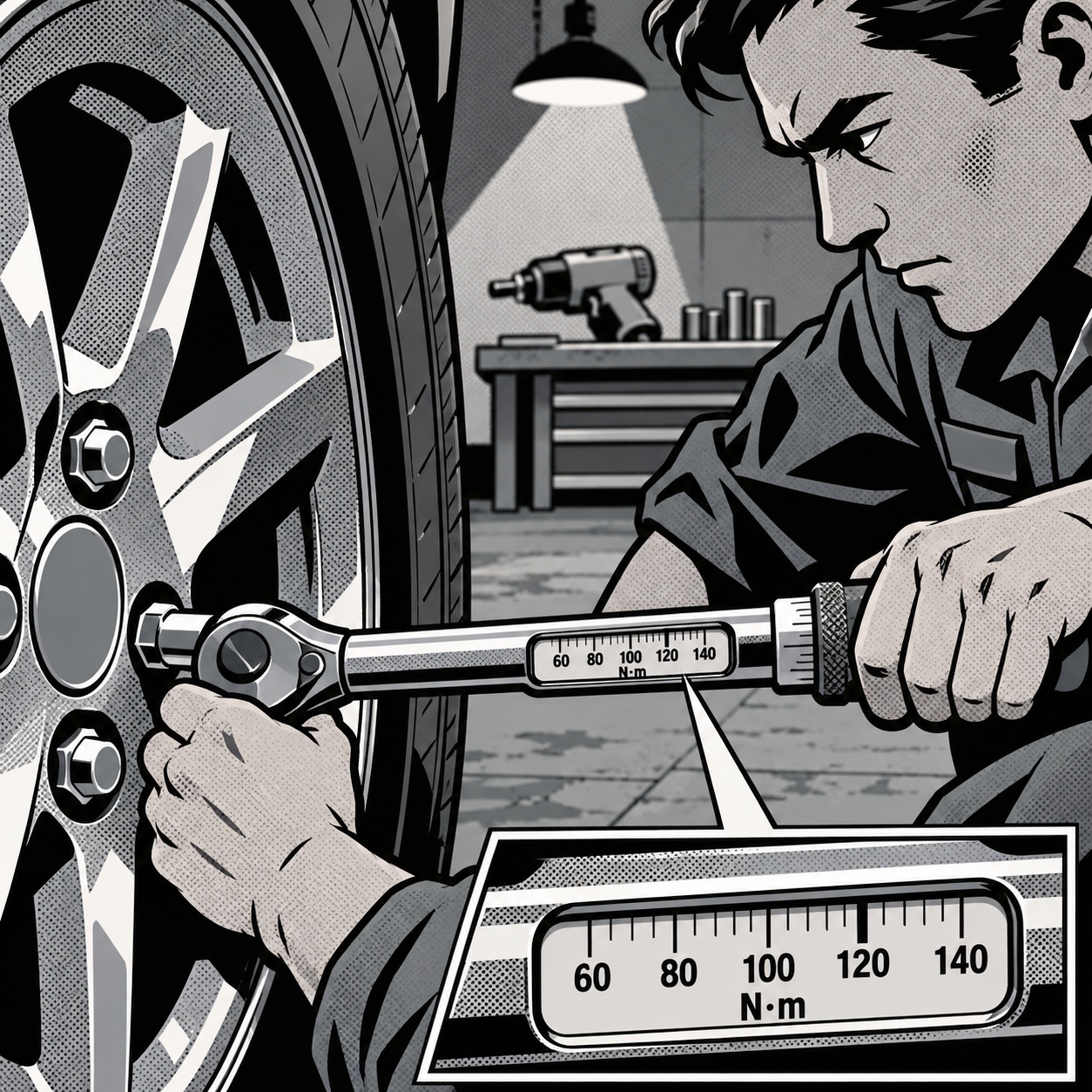
Torque sticks show up in nearly every tire bay and quick-lube shop, but there’s a persistent amount of confusion about what they actually do. Used correctly, they speed up wheel installs and reduce the chance of snapped studs. Used incorrectly — as a substitute for a torque wrench — they’ve been blamed for everything from stretched studs to wheels coming loose on the highway. Below is a practical breakdown of how experienced techs use torque sticks, where they fail, and what shop policy should actually look like.
What a Torque Stick Actually Does
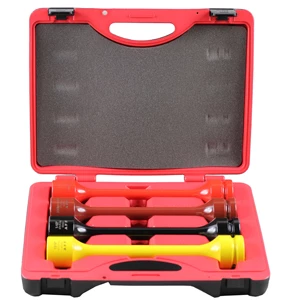
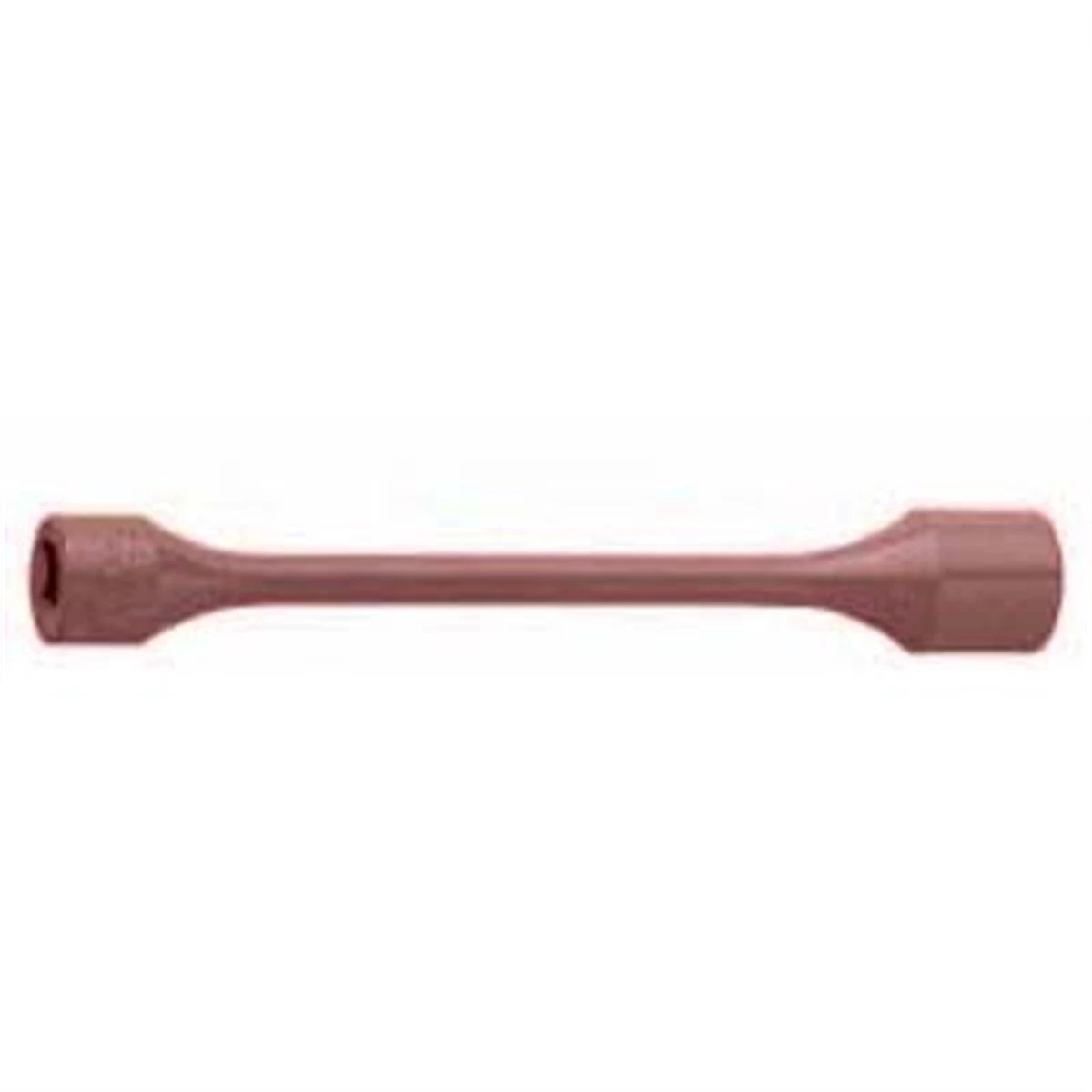
A torque stick is a color-coded impact extension, usually sized to a specific foot-pound rating, that’s designed to flex and absorb rotational energy once the fastener reaches roughly its target torque. The stick acts like a torsional spring — as resistance builds, the stick twists slightly instead of transferring full impact force directly to the fastener. That flex is what prevents the gun from continuing to hammer the bolt well past spec.
The key word is “prevents,” not “sets.” A torque stick is a torque-limiting device, not a torque-setting device. It’s built to stop you from overtightening; it was never engineered to guarantee an exact final number. Treating the click or stall of a torque stick as a finished, verified torque value is the single most common misunderstanding techs run into.
The Correct Workflow: Step-Down and Verify
The technique that consistently gets endorsed by experienced technicians is the step-down method:
- Select a stick rated below your final torque spec — commonly 10-20 ft-lbs under, or roughly 80% of the target value.
- Run the impact until the stick starts to flex and the fastener stops advancing. Don’t lean on the trigger trying to force it past that point.
- Lower the vehicle (for wheels) or otherwise get the fastener into its final working position.
- Finish with a calibrated torque wrench to bring every fastener up to exact spec, in the proper tightening sequence.
Done this way, the torque stick’s only job is to get you close and keep you safe from over-torquing while running the impact. The torque wrench does the real work of hitting the number. Most techs report needing only a small amount of additional rotation — often less than an eighth of a turn — to bring a stick-tightened fastener up to final spec, which tells you the stick got you most of the way there.

Air Guns vs. Cordless/Electric Impacts
This is where torque sticks run into real trouble, and it’s not a minor detail. Torque sticks were designed and tested around traditional pneumatic impact wrenches, which have a relatively low hit (blow) rate. The stick has time to flex and dissipate energy between hits.
Modern cordless and electric impacts hit much faster. At higher blow rates, the stick doesn’t have time to fully flex and recover before the next hit lands, so torque keeps climbing past the stick’s rated limit. Independent torque-stick testing (the Torque Test Channel on YouTube is frequently cited for this) backs up what shops have found anecdotally: sticks perform decently on lower-hit-rate air guns, but become unreliable — sometimes significantly over spec — on higher-hit-rate electric and cordless guns.
Practical takeaway: if your shop runs electric or high-output cordless impacts, don’t assume a torque stick is doing its job. Either dial back the gun’s power setting and verify output against a torque wrench, or use the stick only on a lower-output pneumatic tool and finish every fastener by hand with a torque wrench regardless of what tool tightened it initially.
[PRODUCT_SEARCH: impact wrench torque stick sets]
Common Mistakes That Cause Failures
Most torque stick complaints trace back to a handful of avoidable errors:
- Using the stick as final torque. Laying the gun down and walking away because the stick stopped flexing skips the one step that actually confirms the fastener is correct.
- Mismatched tool and stick. Sticks are rated for a specific impact size, air pressure, and blow rate. A 1/2″ stick rated for a 90 psi air gun won’t behave the same way on a high-torque cordless unit or an undersized gun.
- No calibration checks. Like any torque-sensitive tool, sticks should be periodically checked against a known-good torque wrench. A stick that’s been dropped, overheated by friction, or simply worn from years of use can drift well outside its rated tolerance — some techs report sticks being off by as much as 20-30% from spec when not routinely checked.
- Starting a fastener you don’t plan to finish immediately. A common shop rule: never spin on a bolt or drain plug unless your very next step is torquing it to spec. Finger-tight fasteners left “for later” are a leading cause of come-backs.
- Shop policies that replace torque wrenches entirely. Some chains have pushed procedures where a torque stick sets the wheel and a wrench is only used to “spot-check” at a lower value than factory spec. This defeats the purpose of having a torque spec in the first place and shifts real liability onto the technician and shop.
Calibration and Verification Habits
Treat a torque stick the same way you’d treat a torque wrench that’s due for calibration — don’t assume it’s accurate just because it’s new or because it’s a recognizable brand. A few habits keep sticks reliable:
- Test each stick against a calibrated torque wrench when it’s new, and periodically afterward, using the same gun and air pressure (or battery/power setting) you’ll actually use it with in the field.
- Keep a log of which stick/gun/pressure combination hits which real-world torque value, since the printed rating on the stick is a nominal target, not a guarantee.
- Replace sticks that show visible wear, cracking, or have taken a hard impact — the flex mechanism is a wear item.
- Never use a torque stick as a substitute for manufacturer-specified tightening sequences (star pattern on wheels, etc.) — the stick doesn’t change the order fasteners need to be brought to spec.
Quick Reference Checklist
- Use torque sticks only to get close to spec — never as the final step.
- Choose a stick rated 10-20 ft-lbs (or ~80%) below the target torque.
- Match the stick to a lower-hit-rate pneumatic gun; avoid relying on sticks with high-speed electric/cordless impacts.
- Finish every fastener with a calibrated torque wrench in the correct sequence.
- Periodically verify stick accuracy against a known-good torque wrench with your actual gun/pressure setup.
- Never leave a fastener finger-tight if the next step isn’t torquing it fully.
[PRODUCT_SEARCH: torque wrenches and impact wrenches]


FAQs
Can torque sticks replace a torque wrench entirely?
No. They’re torque-limiting accessories for impact guns, not calibrated measuring tools. Every fastener should still be brought to final spec with a torque wrench.
Do torque sticks work with cordless impact wrenches?
Inconsistently. Their flex mechanism was designed around the lower blow rate of pneumatic guns. Many high-output cordless and electric impacts hit fast enough to push well past the stick’s rated limit, especially on higher power settings.
How far under torque spec should I size my stick?
A common approach is to pick a stick rated roughly 80% of final spec, or about 10-20 ft-lbs under, then finish with a torque wrench. This avoids relying on the stick’s accuracy for the last, most critical portion of tightening.
Are name-brand torque sticks more accurate than budget sets?
Not dramatically, according to many shop reports — construction and consistency matter more than brand name. What matters most is verifying actual output against a torque wrench with your specific gun and air pressure, regardless of brand.
Why do some shops set torque sticks to a value lower than factory spec and call it “double-checked”?
This is a flawed shortcut, not an accepted practice. If the final verification number is lower than the manufacturer’s torque spec, the fastener is never actually brought to true spec. Techs should push back on policies that treat a reduced “double-check” value as sufficient.
What’s the biggest safety risk with torque sticks on lug nuts?
Under-torquing is often the bigger hidden risk — over-tightened lugs are at least obviously tight, while an inconsistent stick (worn, mismatched gun, high blow-rate impact) can leave some lugs well under spec without any obvious sign, which is exactly what a final torque wrench check is meant to catch.
Recommended Tools
Executing a step-down workflow with periodic verification requires the right tools and references on hand. The Torque Sticks and Charts section carries sets, individual sticks, and specification guides.
- Torque stick sets in standard sizes rated for different pneumatic and cordless tools
- Individual color-coded sticks matched to specific fastener torque specifications
- Torque reference charts and calibration guides for verification procedures

The Toolsource Technical Team blends decades of real-world automotive service experience with up-to-date technical research. Our writers collaborate with professional mechanics, shop owners, and diagnostic specialists to deliver practical, workshop-ready guidance you can trust.


Follow us on social media