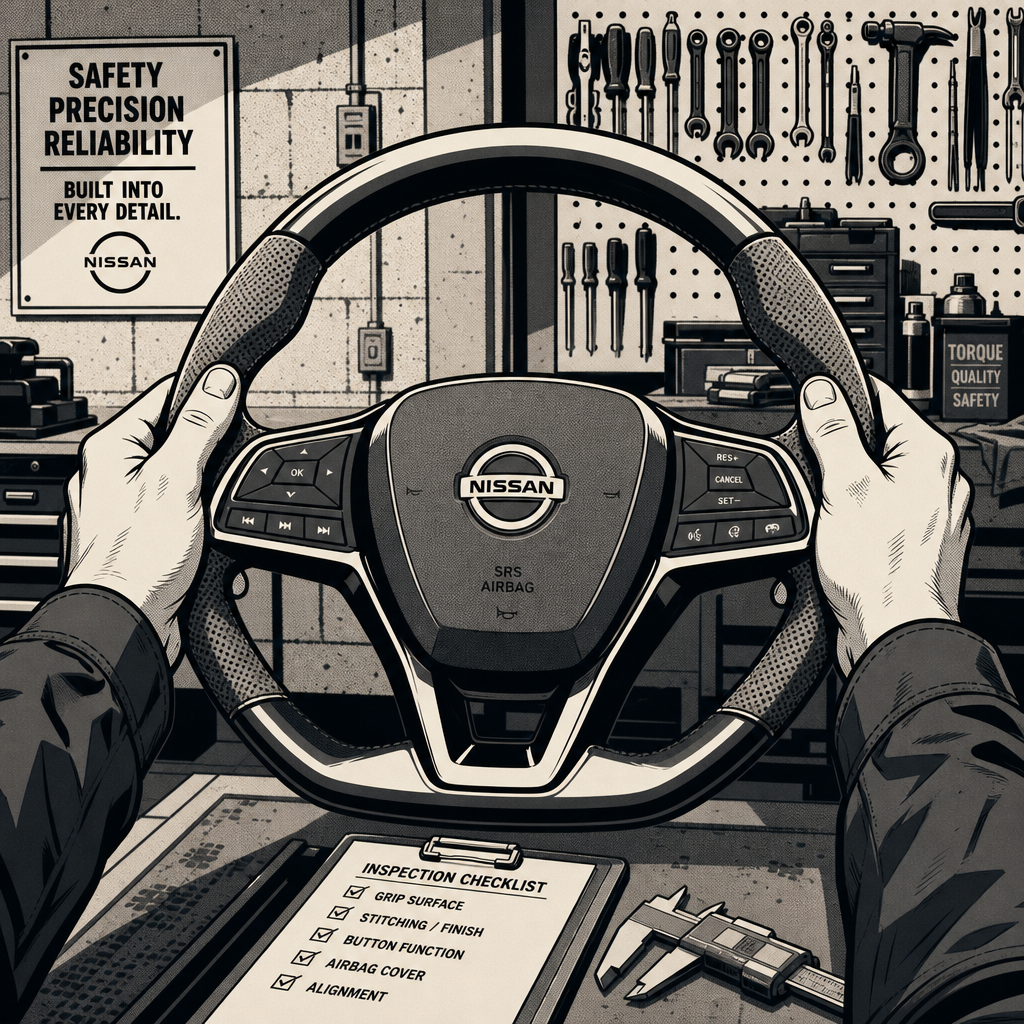
Personalizing a vehicle—especially a first car—is a natural impulse for many drivers. From decals and seat covers to dashboard accessories, there are countless ways to make a vehicle feel like your own. However, not all customizations are created equal when it comes to safety. One modification that consistently raises red flags among automotive professionals is adding decorations directly to the steering wheel itself. While crochet wheel covers, attached ornaments, and other decorative elements might seem harmless or even charming, they introduce multiple safety hazards that can compromise vehicle control and significantly increase injury risk during collisions. Understanding why these modifications are dangerous—and what alternatives exist—is essential knowledge for any driver or technician.
The Critical Role of Steering Wheel Design
Modern steering wheels aren’t simply circular grips—they’re precisely engineered safety components designed to work in conjunction with airbag systems, provide optimal tactile feedback, and facilitate proper hand positioning. The diameter, grip texture, and surface consistency of a steering wheel are calculated to give drivers maximum control with minimum effort, particularly in vehicles equipped with power steering.
When you add decorative elements to a steering wheel, you fundamentally alter its designed interface. Crochet covers, for instance, create an irregular surface with gaps and openings where fingers, rings, or other jewelry can catch. This isn’t just a theoretical concern—even a momentary snag during a turn or emergency maneuver can result in delayed reaction time or unintended steering input. In a vehicle traveling at 60 mph, you cover 88 feet per second; even a half-second delay translates to 44 feet of uncontrolled travel.
The material consistency matters as well. Factory steering wheels use specific compounds that provide grip without being tacky, maintain their properties across temperature ranges, and offer predictable friction characteristics. Adding layers of fabric, yarn, or other materials changes how your hands interact with the wheel, potentially reducing precision during critical driving situations. For technicians evaluating customer vehicles, any aftermarket steering wheel modification should prompt a conversation about these safety implications.
Understanding Modern Hand Position Standards
Driving instruction has evolved significantly over the decades, and hand positioning recommendations have changed accordingly. The traditional “10 and 2” position—with hands placed as if on a clock face—was standard when vehicles lacked power steering and required more physical effort to turn. This higher hand placement provided better leverage for muscular steering input.
However, since the widespread adoption of airbag-equipped steering wheels in the 1990s, the recommended hand position has shifted to “9 and 3” or even “8 and 4” for several critical reasons. First, these lower positions keep hands and forearms out of the primary airbag deployment zone. When an airbag deploys at speeds exceeding 200 mph, hands positioned at 10 and 2 can be forcefully driven into the driver’s face, causing broken noses, jaw injuries, and even forearm fractures.
Second, the 9 and 3 position actually provides superior control in modern vehicles. With power steering reducing the effort required for turns, the priority shifts from leverage to precision. The 9 and 3 position allows for smoother steering inputs, better vehicle feedback through the wheel, and reduced fatigue during extended driving. It also enables proper push-pull steering technique, where one hand pushes up while the other pulls down, maintaining constant contact with the wheel without crossing arms.
An additional technical consideration: at 9 and 3, thumbs should rest along the wheel’s surface rather than wrapping underneath the rim. This “thumbs up” position prevents thumb injuries if the wheel kicks back due to hitting a pothole or curb, particularly in vehicles without modern electric power steering systems that dampen such feedback.
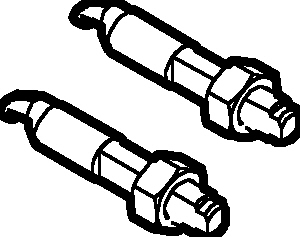
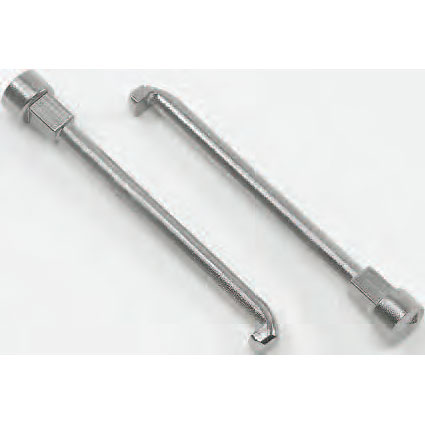

Universal puller for steering wheels with large pull slots, up t
Mfg: Kukko Quality Tools Inc
Part #: 34-1
Airbag Deployment Risks and Steering Wheel Obstructions
The center of a modern steering wheel houses a sophisticated airbag system designed to deploy within 20-30 milliseconds of impact detection. This explosive deployment is necessary to position the airbag between the driver and steering wheel before forward momentum brings them into contact. Any objects attached to or covering the steering wheel center become projectiles during this deployment.
Decorative stickers, emblems, or attached ornaments on the airbag cover will be propelled toward the driver at tremendous velocity. Even lightweight items become dangerous when accelerated to these speeds. More concerning, objects that partially obstruct the airbag cover can interfere with proper deployment, causing the bag to tear incorrectly, deploy asymmetrically, or fail to fully inflate—all scenarios that reduce occupant protection during the collision.
Crochet covers or thick fabric wraps present a different problem. While they typically don’t obstruct the airbag cover itself, they can affect deployment dynamics by adding material between the driver and the airbag. This changes the intended interaction between occupant and safety system. Additionally, these covers can shift during airbag deployment, potentially creating folds or bunches in the material that cause irregular contact patterns and increase localized pressure on the driver’s body.
From a technician’s perspective, any steering wheel modification that involves adhesives, fasteners, or thick coverings should be considered an airbag system alteration. While you might not see an airbag warning light on the dashboard, the modification has nonetheless changed how the safety system will perform in a real-world collision scenario. This is particularly important when evaluating used vehicles or performing safety inspections.
Safe Alternatives for Vehicle Personalization
The good news is that steering wheel safety requirements don’t mean sacrificing personal expression. Numerous vehicle areas can be customized without compromising safety systems or vehicle control. Here’s a practical approach to safe personalization:
Seat and Interior Textiles: Seat covers, seatbelt covers, headrest accessories, and floor mats offer extensive personalization opportunities. These items don’t interfere with vehicle operation or safety systems. When selecting seatbelt covers, ensure they don’t interfere with the belt’s retraction mechanism or latch function—the cover should be positioned on the shoulder portion of the belt, away from the buckle and retractor.
Dashboard and Console Accessories: Non-slip dash pads, console organizers, and air vent accessories can add personality without safety concerns. The key consideration is ensuring nothing obstructs the driver’s view or could become a projectile during sudden braking or collision. Items should be secured and positioned away from airbag deployment zones in the dashboard.
Exterior Personalization: Decals, window stickers (following local visibility regulations), wheel covers, and antenna accessories allow external customization. While these might affect resale value on newer vehicles, they present no safety issues when properly applied. On older vehicles with existing paint wear, stickers can actually protect against further UV damage.
Functional Accessories: Phone mounts, organizational systems, and upgraded floor mats serve both practical and aesthetic purposes. When installing phone mounts, position them where they don’t obstruct critical controls or sight lines. The optimal location is typically the lower right corner of the windshield or attached to an air vent on the center stack.
Lighting Modifications: Interior ambient lighting, particularly in footwells or under seats, can dramatically change a vehicle’s appearance. Ensure any lighting doesn’t interfere with visibility of dashboard instruments and complies with local regulations regarding interior lighting colors and brightness.
For items originally intended as steering wheel decorations—like the crochet pieces mentioned in driver discussions—repurposing them as seatbelt covers or headrest accessories provides a safe alternative that maintains their decorative value without introducing hazards.
Safety Checklist for Vehicle Personalization
Before adding any accessory or decoration to your vehicle, run through this quick safety verification:
- Does this modification affect any control surface (steering wheel, shifter, pedals)? If yes, reconsider.
- Could this item become a projectile during hard braking or collision? If yes, secure it properly or relocate it.
- Does this obstruct any airbag deployment zone (steering wheel center, dashboard, side pillars)? If yes, remove it.
- Will this interfere with visibility of mirrors, instruments, or road view? If yes, reposition or choose an alternative.
- Could this catch on jewelry, clothing, or fingers during normal operation? If yes, find a different location.
- Does this use adhesives that could damage surfaces or leave residue? If yes, consider removable alternatives.
- Is this positioned where it could interfere with emergency control inputs? If yes, relocate it.
Technical Considerations for Older Vehicles
While the discussion of steering wheel safety applies universally, older vehicles present some unique considerations. Cars manufactured before the mid-1990s may lack airbags entirely, which removes one category of concern regarding steering wheel modifications. However, this doesn’t make steering wheel decorations safe—the control surface issues and snagging hazards remain relevant regardless of vehicle age.
Older vehicles also frequently lack power steering or use older hydraulic systems that provide less assistance than modern electric power steering. This makes proper hand positioning even more critical, as these vehicles require more steering effort and provide more kickback through the wheel when encountering road irregularities. Any steering wheel covering that reduces grip or creates an irregular surface is particularly problematic in these applications.
From a maintenance perspective, older vehicles often show steering wheel wear—cracking, smoothing of texture, or material degradation. While the impulse might be to cover this wear with a decorative element, the safer approach is replacing the steering wheel with a proper factory or aftermarket wheel designed for the application, or using a proper steering wheel cover specifically designed for safety and grip enhancement rather than decoration.
For first-time car owners inheriting older vehicles, it’s worth noting that these cars often have lower resale values where cosmetic modifications matter less. However, safety considerations remain paramount regardless of a vehicle’s market value. An 18-year-old economy car deserves the same safety-focused approach as a new luxury vehicle.
[PRODUCT_SEARCH:1]
Professional Perspective: What Technicians Should Tell Customers
As a technician or service advisor, you’ll encounter personalized vehicles regularly. When you spot steering wheel decorations during routine service, it’s worth having a brief conversation with the customer. The approach should be informative rather than judgmental—most drivers genuinely don’t understand the risks they’re introducing.
A effective framework for this conversation: “I noticed you’ve added some decorations to your steering wheel. While they look great, I want to make you aware of a couple safety concerns we see with wheel modifications.” Then briefly explain the airbag deployment risks and the potential for snagging during emergency maneuvers. Conclude with alternative suggestions: “These would look great as seatbelt covers or headrest decorations where they won’t interfere with the safety systems.”
This approach acknowledges the customer’s personalization efforts while educating them about genuine hazards. Most customers appreciate the information and will make changes once they understand the reasoning. For customers who are resistant, document that you provided the safety information—this protects both you and your shop from liability concerns.
When performing pre-purchase inspections or safety checks, steering wheel modifications should be noted in your report. While they might not constitute a “failure” in the same way as worn brakes or bad tires, they represent a safety concern that the buyer should be aware of. This is particularly important for younger drivers purchasing their first vehicles, who may not have the experience to recognize these hazards independently.
[PRODUCT_SEARCH:2]
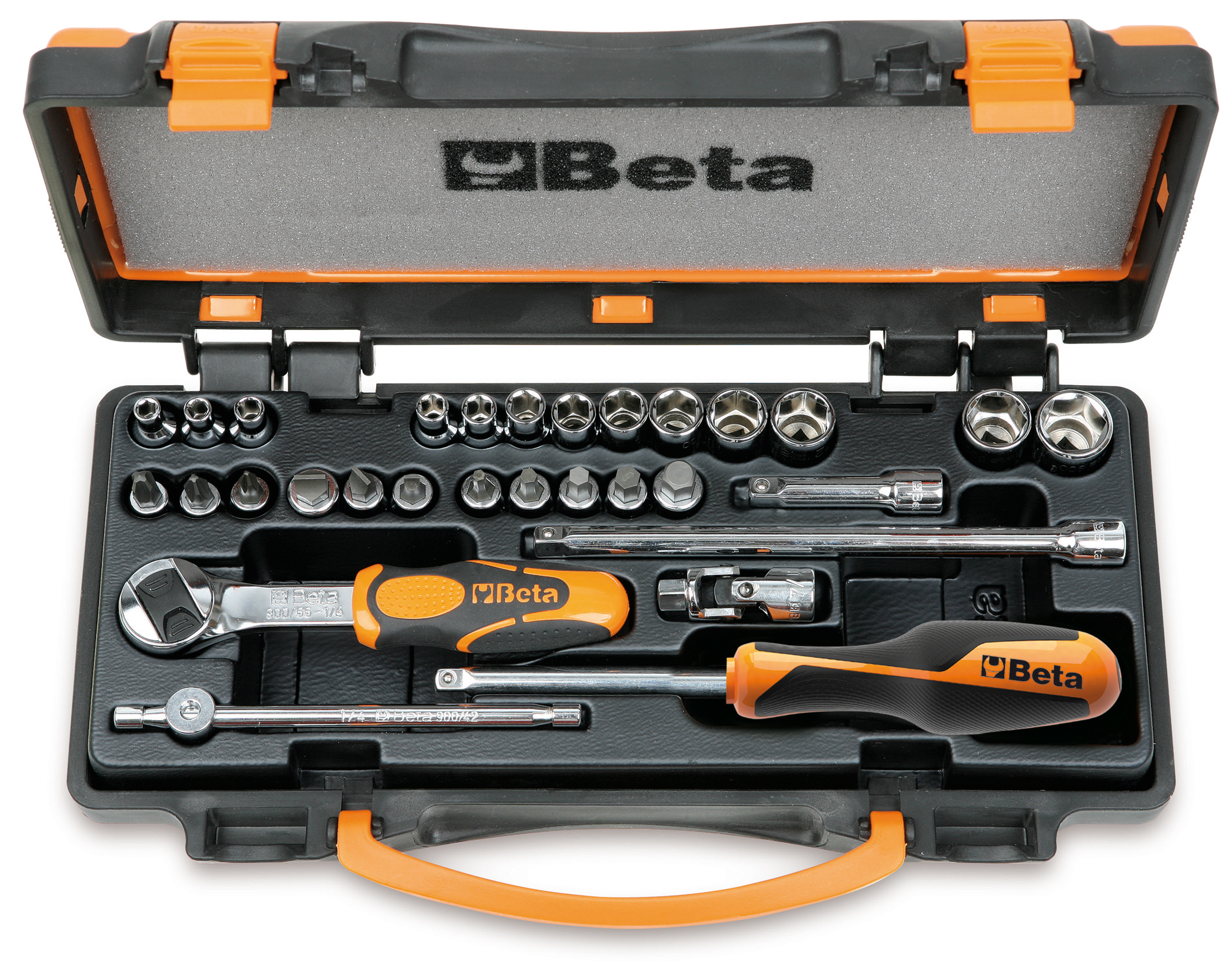
Beta 900MC/C24 30 Piece Socket and Accessories Mechanics Tools S
Mfg: Beta Tools
Part #: 900/MC/C24

Frequently Asked Questions
Q: Are factory-installed steering wheel covers from auto parts stores safe?
A: Steering wheel covers specifically designed and marketed as safety-oriented grip enhancements are generally acceptable, provided they fit securely without rotating on the wheel and don’t add excessive diameter. However, they still slightly alter the intended steering feel and airbag deployment dynamics. If your steering wheel grip has degraded to the point where you’re considering a cover, replacing the steering wheel itself is the better solution. Decorative covers not designed for safety purposes should be avoided entirely.
Q: What if my steering wheel decorations are really securely attached?
A: Secure attachment doesn’t address the fundamental safety issues. The concerns aren’t primarily about items falling off during driving—they’re about airbag deployment interference, snagging hazards, and altered control surface characteristics. Even perfectly secured decorations create these problems. Additionally, “secure” attachment often means adhesives or fasteners that could themselves interfere with airbag function or create sharp edges.
Q: Is the 9 and 3 hand position always better than 10 and 2?
A: For vehicles equipped with airbags—which includes virtually all cars manufactured since the mid-1990s—yes, 9 and 3 (or 8 and 4) is definitively safer. The only exception might be certain vehicles without power steering during low-speed parking maneuvers where temporary repositioning to 10 and 2 provides needed leverage. However, at road speeds, 9 and 3 should always be used in airbag-equipped vehicles.
Q: Will decorating my steering wheel really void my airbag warranty?
A: While warranty terms vary by manufacturer, any modification to airbag system components—including the steering wheel and airbag cover—can potentially affect warranty coverage for that system. More importantly, if an airbag deploys improperly due to steering wheel modifications and causes injury, you may face liability issues. The warranty question is secondary to the genuine safety concerns.
Q: Are there any steering wheel accessories that are actually safe?
A: Very few. Steering wheel locks (like The Club) are designed to be removed before driving. Steering wheel desk trays are meant for stationary use only. There really aren’t legitimate “accessories” for steering wheels during driving beyond potentially a proper steering wheel cover designed specifically for grip enhancement. The steering wheel is a safety-critical control surface that should remain as close to its factory configuration as possible.
Q: How do I remove decorations without damaging my steering wheel?
A: For adhesive-backed items, heat from a hair dryer can soften the adhesive, allowing gentle removal. Adhesive residue can typically be cleaned with isopropyl alcohol or dedicated adhesive remover—test in an inconspicuous area first. For sewn or tied-on items like crochet covers, carefully cut and remove stitching, being extremely careful not to damage the underlying wheel material or airbag cover. If you’ve used fasteners that penetrate the steering wheel, the wheel may need professional inspection or replacement to ensure the airbag system wasn’t compromised.
Steering Wheel Replacement and Maintenance
If your steering wheel has become worn, damaged, or you need to remove decorative elements, proper replacement or repair may be necessary. Our Steering Wheel Pullers help technicians safely remove steering wheels for inspection, repair, or replacement without damaging the column or airbag system.
- Professional-grade pullers for safe, controlled steering wheel removal
- Essential for proper wheel replacement or airbag system service
- Prevents damage to steering column and horn pad assemblies

The Toolsource Technical Team blends decades of real-world automotive service experience with up-to-date technical research. Our writers collaborate with professional mechanics, shop owners, and diagnostic specialists to deliver practical, workshop-ready guidance you can trust.


Follow us on social media