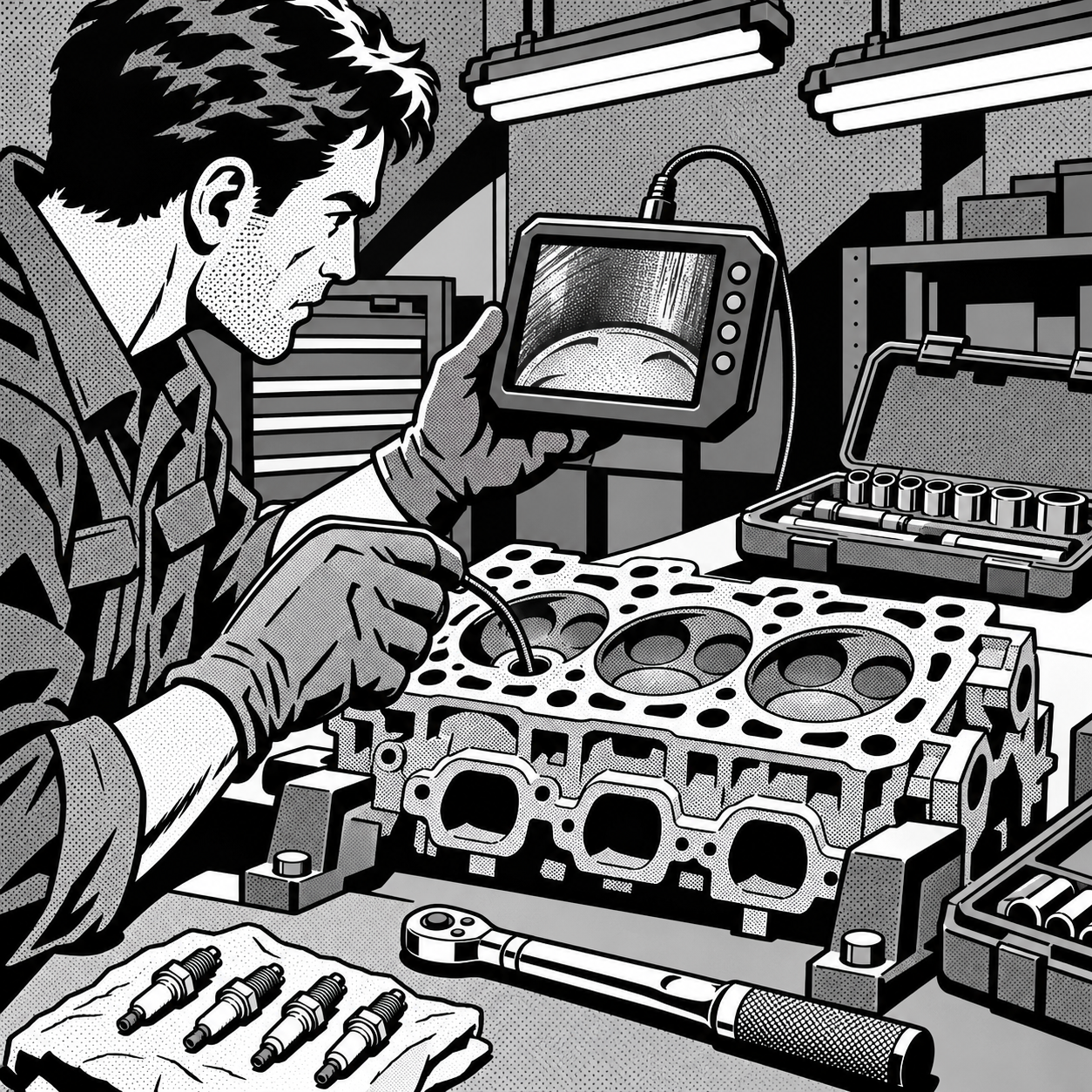
A spark plug that crumbles or snaps during removal is one of those jobs that goes from routine maintenance to a potential teardown in about two seconds. The ceramic insulator is brittle by design, and once it starts breaking apart, pieces can drop straight down the spark plug hole and into the combustion chamber. Sometimes the engine gets lucky — debris gets pushed out through an open exhaust valve during the exhaust stroke and the engine keeps running with no obvious symptoms. Other times a fragment lodges against a valve seat, gets caught between the piston and cylinder wall, or causes a scored cylinder that shows up as a knock a few hundred miles later. This post covers how to assess the situation methodically instead of guessing, how to retrieve what you can, and how to keep it from happening again.
Why Spark Plugs Crumble or Snap in the First Place
Before you worry about what’s inside the cylinder, it helps to know why the plug failed, because that affects what you’re looking for. Common causes include:
- Age and heat cycling. Plugs left in far past their service interval become brittle from thousands of heat/cool cycles, especially on aluminum heads where anti-seize or thread lubricant wasn’t used originally.
- Corrosion at the shell. Moisture and carbon buildup around the plug boot can corrode the shell-to-insulator bond, weakening the porcelain long before you ever touch a socket.
- Over-torqued or cross-threaded installation. A plug installed too tight, or started at an angle, stresses the insulator unevenly and sets it up to fail on the next removal.
- Wrong extraction technique. Breaking a seized plug loose with excessive force, using a worn or cracked socket, or applying side-load with an extension instead of a swivel can shatter the ceramic before the threads ever move.
- Pre-ignition or detonation damage. In rarer cases the insulator nose cracks from abnormal combustion long before removal, and the plug simply falls apart in your hand once you break the seal.
Knowing which of these applies tells you whether you’re dealing with a single bad plug or a condition (corrosion, detonation) that may affect the other cylinders too.
What Actually Happens When Debris Drops Into the Cylinder
The firing order and piston position at the moment of breakage matter a lot. If the piston was near top dead center on the exhaust stroke with the exhaust valve open, small fragments can get swept out with the exhaust gases — which is the “it went out the valve” scenario techs sometimes see and why an engine can keep running seemingly unaffected. But that’s not guaranteed, and you should never assume it happened without checking:
- Valve damage. A piece of ceramic caught between an open valve and its seat can chip the valve face or seat, causing a compression leak on that cylinder.
- Piston and ring damage. Fragments resting on top of the piston get crushed against the head on the next compression stroke, which can crack the piston crown or embed grit in the ring lands.
- Cylinder wall scoring. Hard fragments trapped between the piston and bore will scratch the cylinder wall, leading to oil consumption or a ticking noise over time.
- No damage at all. It’s entirely possible the piece was small enough and expelled cleanly with no measurable effect — but “the engine still runs” isn’t the same as “no damage occurred.” Running rough or fine for a while doesn’t rule out a slow leak developing.
[PRODUCT_SEARCH: inspection borescope camera for engine cylinders]

How to Check for Damage Before You Reassemble Anything
Don’t button the engine back up on hope. Work through these checks in order:
- Visual inspection first. Pull the other plugs if needed and shine a light down the hole. Note the piston position — if you can see the piston crown and valves, do it now before cranking the engine and potentially driving debris further in.
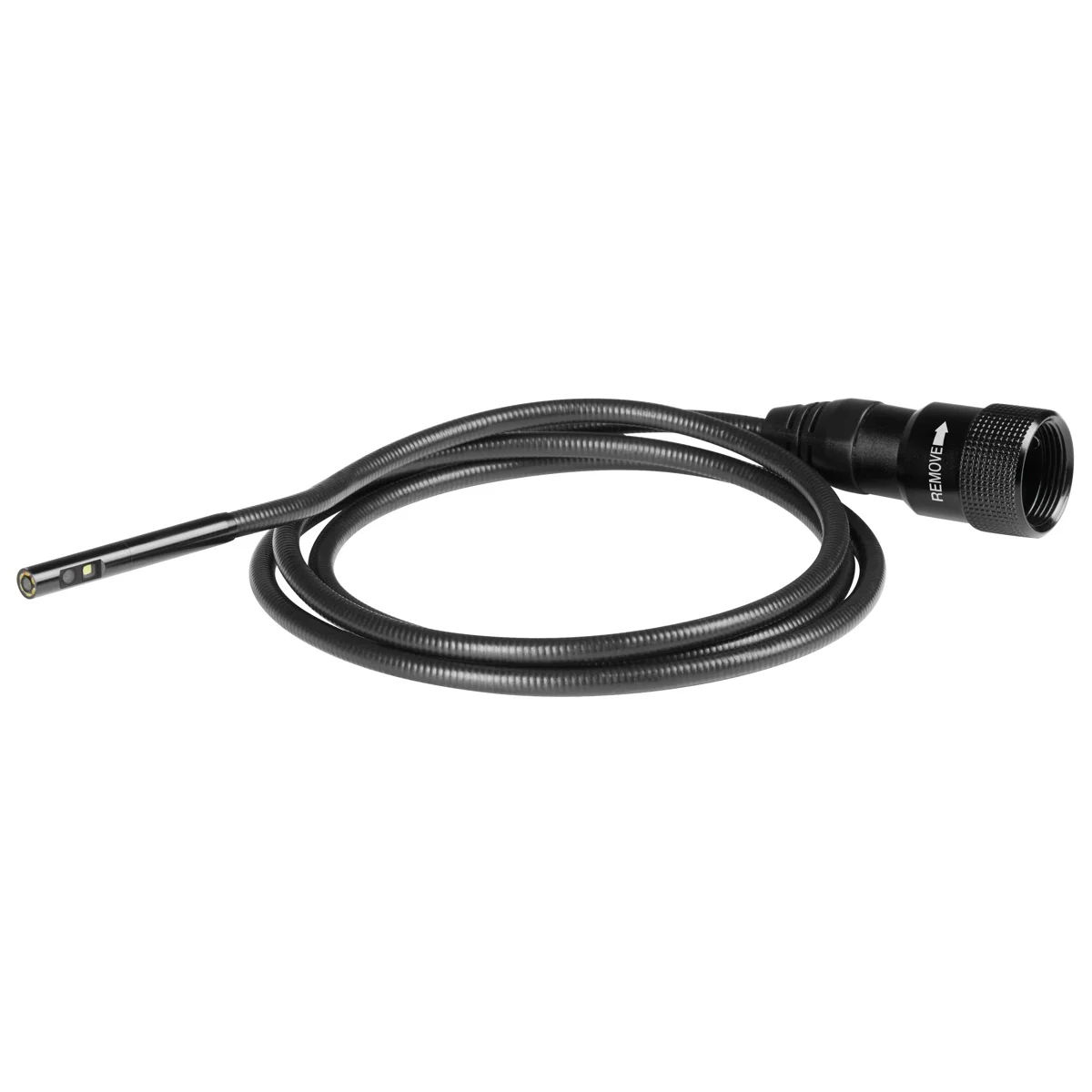
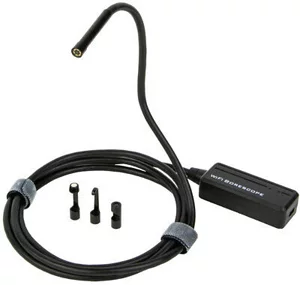
- Borescope the cylinder. A flexible inspection camera through the spark plug hole lets you see the piston top, valve faces, and visible cylinder wall without pulling the head. Look for bright metal scratches, chipped valve edges, or embedded ceramic fragments.
- Rotate the engine by hand. With the plug out, bump the engine over by hand (not the starter) using a breaker bar on the crank bolt or by bumping the key in short pulses with a shop vac over the hole to catch anything loose. Listen and feel for binding, which suggests something is still jammed.
- Run a compression or leak-down test. Once the plug is replaced, a compression test on that cylinder compared to the others tells you if a valve or ring seal was compromised. A leak-down test is more precise and will tell you whether a leak is past the rings, the intake valve, or the exhaust valve based on where you hear the air escaping.
- Listen on first start. Start the engine and listen for knocking, ticking, or a miss. Check the tailpipe for unusual smoke and monitor for a rough idle that wasn’t there before.
Extracting Broken Plug Fragments Safely
If you can see fragments but they haven’t fallen past the piston, several methods work depending on what’s left:
- Shop vacuum with a hose extension. A thin vacuum hose lowered into the spark plug hole can pull out loose ceramic chips sitting on top of the piston, especially with the piston at or near top dead center to minimize the drop depth.
- Magnetic or grease-tipped pickup tools. Ceramic isn’t magnetic, but a long flexible pickup tool with a bit of grease on the tip can grab small fragments by sticking to them. This works well combined with a borescope for visual guidance.
- Dedicated spark plug extractor kits. If the metal shell separated from the insulator and is still threaded in the hole, an extractor (left-hand thread biting tool, or a slide-hammer style extractor) removes the remaining shell without having to pull the head.
- Bringing the piston to TDC. Positioning that cylinder’s piston at top dead center before any extraction attempt reduces how far debris can fall and makes small pieces easier to retrieve.
- Know when to pull the head. If fragments are confirmed below the piston (unlikely with rings in good condition, but possible with a stuck or bad ring) or compression/leak-down numbers point to valve damage, head removal is the only reliable fix — don’t chase it indefinitely with tools through the plug hole.
Preventing a Repeat Next Time
- Use anti-seize (per manufacturer spec) and the correct torque. Many modern plugs with plated threads don’t need anti-seize, but if the OEM calls for it, use a thin coat and torque to spec with a torque wrench — not “snug plus a quarter turn” by feel.
- Replace plugs on schedule, not past it. Waiting well beyond the service interval increases the odds of a brittle, corroded plug breaking on removal.
- Let the engine cool before removal. Pulling plugs from a hot aluminum head increases the risk of thread galling and shell separation.
- Use a swivel socket and steady, straight pressure. Side-loading a plug with an extension bar is a common way to snap the insulator.
- Inspect old plugs as you pull them. A plug that already looks cracked or has a loose shell on inspection should be removed carefully with extra caution, anticipating it may come apart.
[PRODUCT_SEARCH: spark plug removal and extraction tool kit]
Quick Checklist: Broken Spark Plug in the Cylinder
- Stop — don’t crank the starter repeatedly hoping it clears itself
- Note piston/crank position if possible
- Borescope the cylinder before reassembly
- Vacuum or pick out any visible loose fragments
- Reinstall a new plug and run compression/leak-down tests
- Start the engine and listen for new knocks, ticks, or misses
- Monitor oil consumption and performance over the next several hundred miles
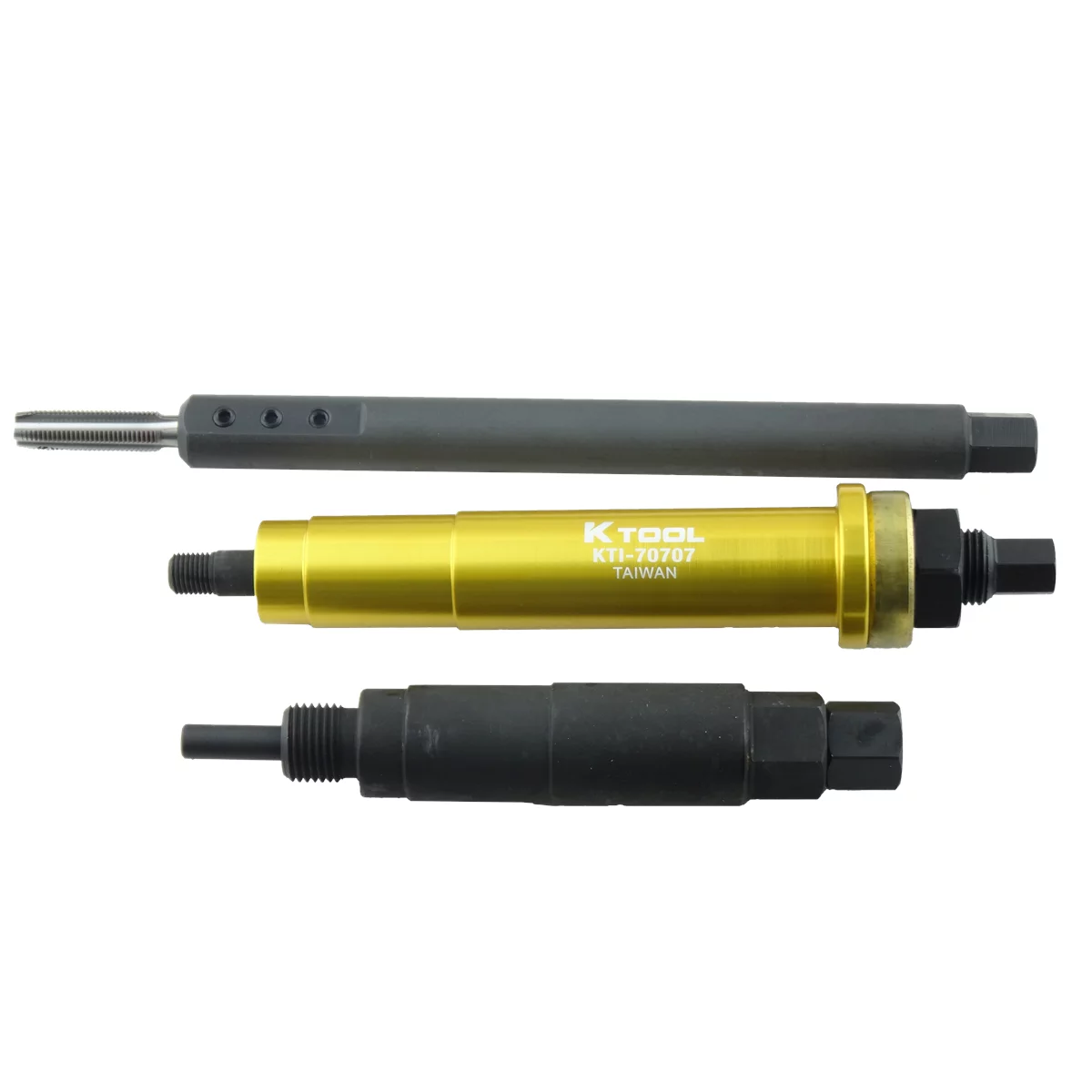
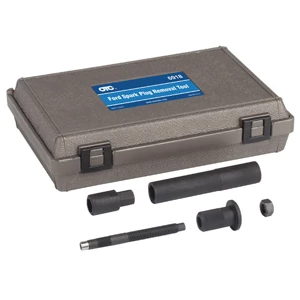
Ford Broken Spark Plug Remover Tool Kit 14mm 16mm
Mfg: K Tool International
Part #: KTIF0003

FAQs
Can a crumbled spark plug really exit through the exhaust valve?
Yes — if the fragment is small and the exhaust valve happens to be open during the exhaust stroke when it breaks loose, it can be swept out with the exhaust gases. This is possible but not guaranteed, so it should never be assumed without inspection.
The engine still runs fine — do I still need to check for damage?
Yes. Minor valve or ring damage doesn’t always cause an immediate, obvious symptom. A compression or leak-down test is the only reliable way to confirm nothing was compromised.
Is it safe to just crank the engine to try to blow debris out?
Not recommended as a first step. Repeated cranking can drive a fragment further into the cylinder or force it between the piston and wall. Inspect with a borescope and remove what you can first.
Do I need to pull the cylinder head if a fragment fell in?
Not necessarily. Most loose ceramic fragments resting on the piston can be retrieved through the spark plug hole. Head removal is generally only needed if testing confirms valve damage or debris is stuck somewhere inaccessible.
How do I know if a plug is at risk of crumbling before I even start?
Check service history and mileage since the last plug change. Plugs well past interval, especially on aluminum heads without anti-seize, or any plug that looks corroded at the shell, should be treated as high-risk during removal.
What’s the biggest mistake people make when a plug breaks?
Reassembling without inspecting the cylinder, or assuming “it still runs” means “no damage.” Skipping the borescope/compression check is how a $5 part turns into an engine teardown down the road.
Shop Spark Plugs
Preventing a broken plug starts with choosing quality replacements and following proper installation techniques. Browse our spark plug selection to find the correct type and heat range for your engine.
- OEM and aftermarket options for most vehicles
- Copper, ceramic, and premium electrode materials
- Correct heat range and thread size for your application

The Toolsource Technical Team blends decades of real-world automotive service experience with up-to-date technical research. Our writers collaborate with professional mechanics, shop owners, and diagnostic specialists to deliver practical, workshop-ready guidance you can trust.


Follow us on social media