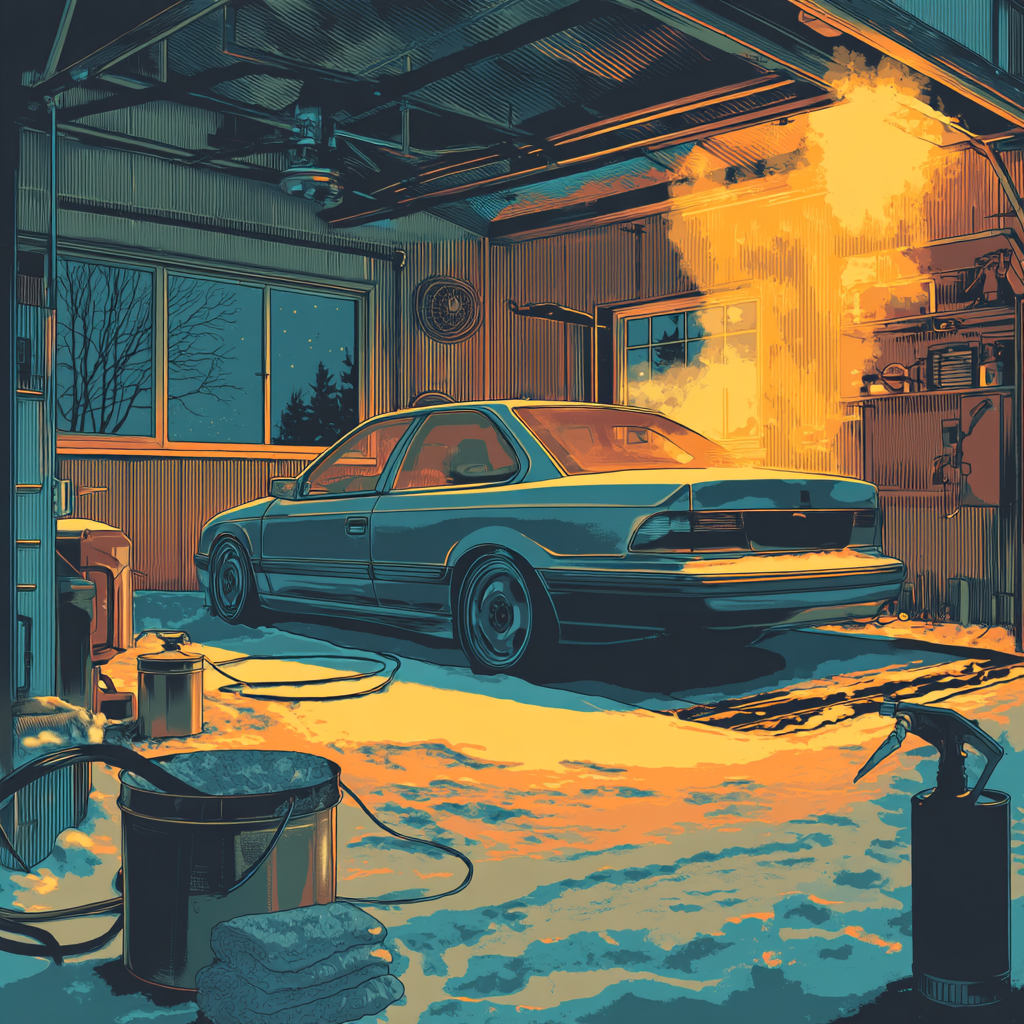
When the thermometer reads −15°C (5°F) or worse, “just wash the car” becomes a logistics exercise. Water freezes on contact, hoses are winterized, and any runoff turns into a skating rink. Still, customers expect the safest possible path to remove salt and grime, avoid frozen doors, and limit corrosion. This guide focuses on practical workflows you can actually execute in harsh winter: rinseless in a garage, self-serve bay tactics, touchless strategies when it’s simply too cold, and undercarriage/anti-corrosion best practices. Choose the method that matches your temperature, water access, and workspace. The goal isn’t concours-level clean; it’s risk-managed maintenance that prevents long-term damage until spring.

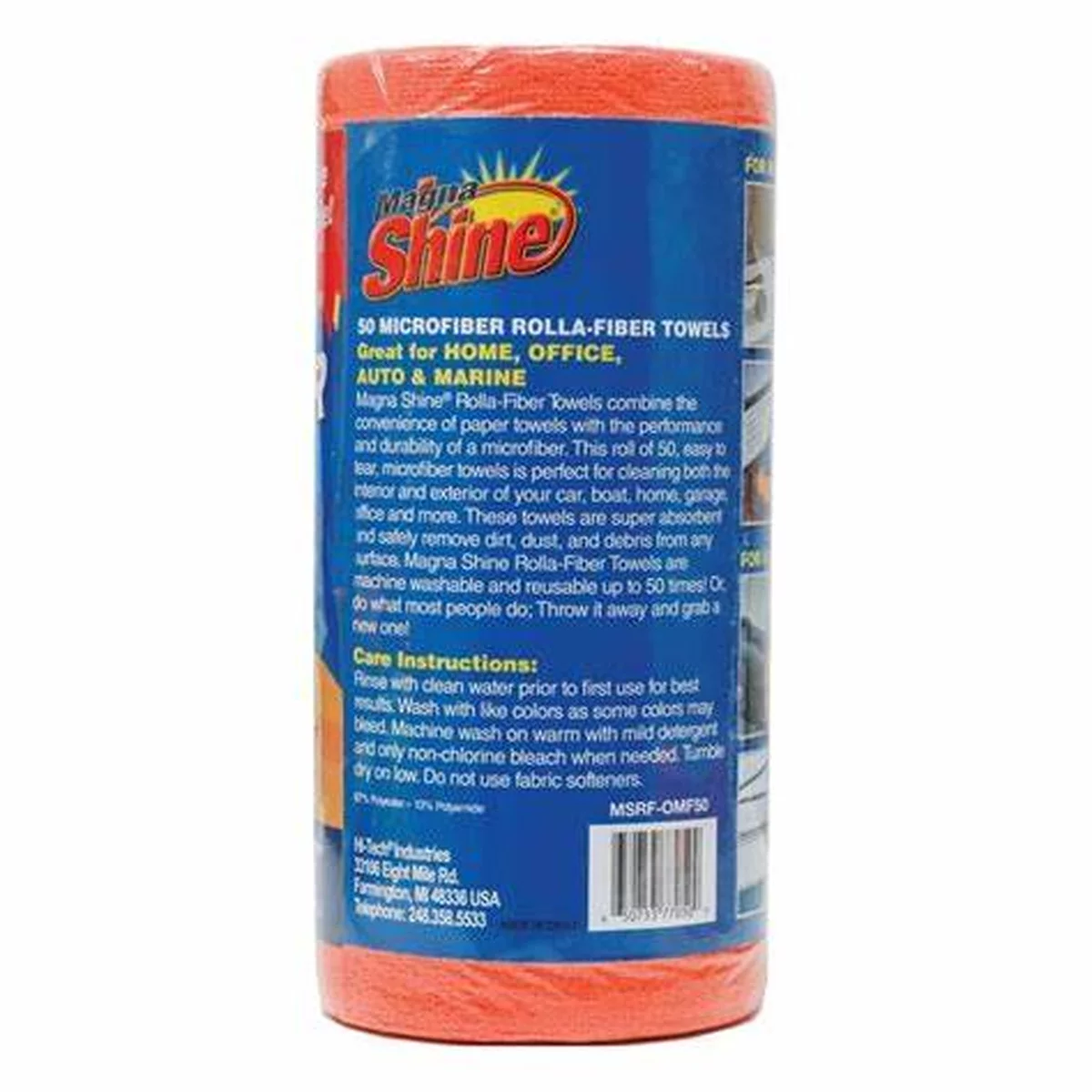
RBL Products (6) MAGNA SHINE MICROFIBER TOWELS
Mfg: RBL Products
Part #: RBL.MSRF-OMF50
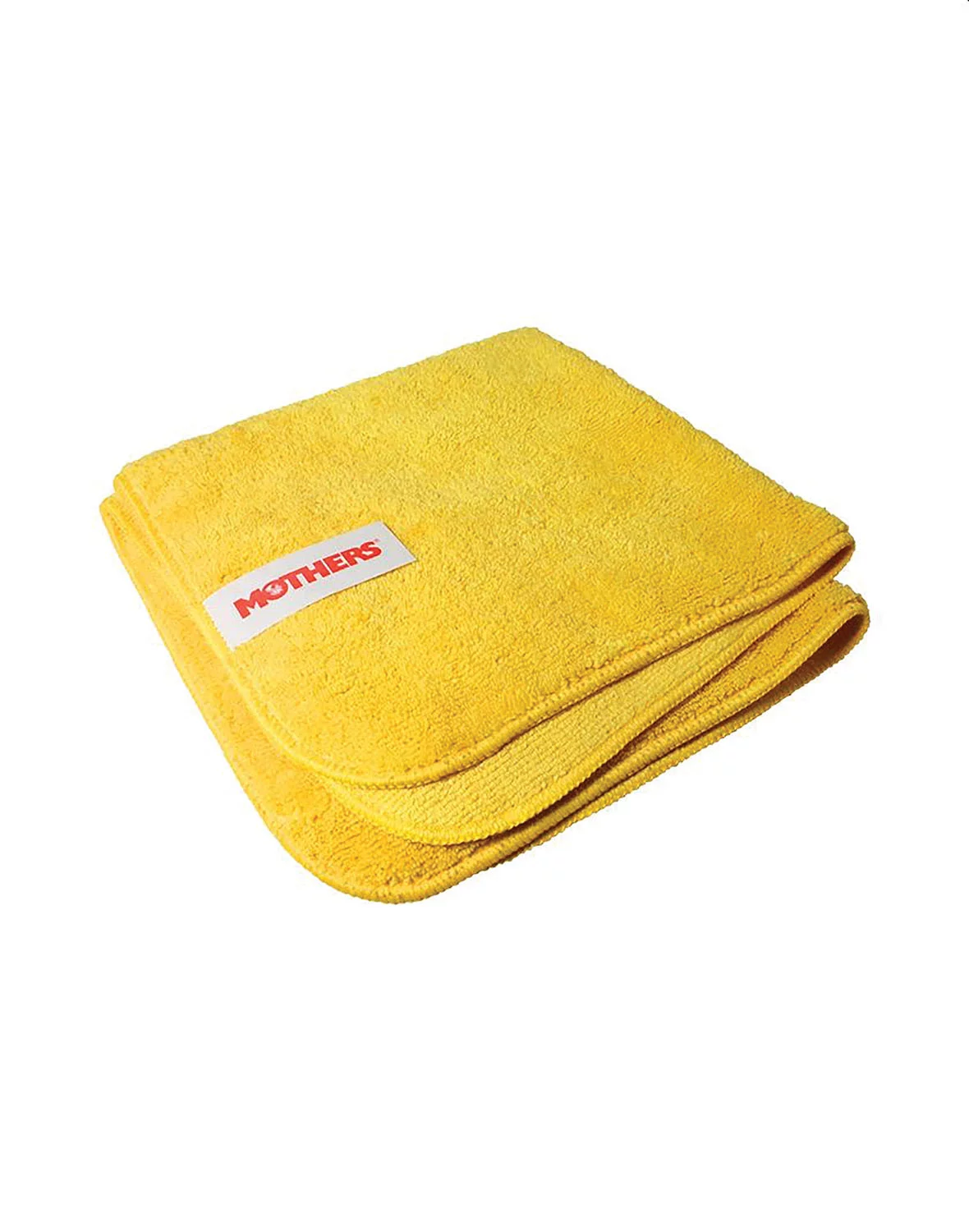
Mothers Professional Grade Premium Microfiber Towels (12-pac
Mfg: Mothers Wax & Polish
Part #: 90-90004
Assess Conditions First: Temperature, Water Access, and Workspace
Before selecting a workflow, confirm what Mother Nature and your facility will allow:
- Temperature bands and recommended approach:
- 0 to −5°C (32 to 23°F): Outdoor washing possible with caution. Manage runoff/ice. Rinseless or low-water workflows preferred.
- −5 to −15°C (23 to 5°F): Prioritize indoor rinseless or self-serve bays with undercarriage rinse. Limit dwell times and exposed water.
- ≤ −20°C (≤ −4°F): Skip outdoor contact washing. Use touchless with undercarriage or minimal rinseless spot-cleaning for lights/cameras until a warm spell.
- Water access realities:
- House spigots often shut off. Use warm buckets, insulated containers, battery-powered sprayers/cleaners that siphon from a bucket, or self-serve bays.
- Hot water is ideal for pre-rinse and dissolving salt but avoid thermal shock on glass and trim. Keep water in the 30–50°C range for contact steps.
- Workspace constraints:
- Garage (heated or unheated): Rinseless wash with multiple towels is safest. Put down rubber mats or absorbent runners to manage runoff.
- Apartment/condo: Favor self-serve bays or touchless tunnels with undercarriage. Dry in a warmer underground car park if possible.
- Driveway: Only attempt when temps hover around freezing and you can mitigate ice formation and runoff hazards.
- Safety and compliance:
- Control ice risk: Use traction granules on the ground. Keep runoff off sidewalks/roadways where it can be a hazard.
- Avoid washing over drains that feed directly to storm systems where prohibited. Use indoor bays with oil-water separators when possible.
Method A: Rinseless Wash in a Garage (Unheated or Heated)
Best for: −5 to −15°C outdoors, or when outside spigots are off. This method brings water inside in controlled quantities and reduces ice hazards.
Tools and supplies:
- Rinseless wash concentrate (e.g., ONR or equivalent)
- Two buckets with lids and grit guards, warm water (30–40°C)
- 15–25 clean plush microfiber towels (folded into eighths)
- Pump sprayer or spray bottles for pre-soak
- Dedicated wash sponge or mitt for heavily soiled lower panels (optional)
- Drying towels and/or a small blower
- Rubber floor mats, absorbent runners, squeegee, floor fan
- Silicone spray for weather seals; small brush for latches/hinges
Procedure:
- Stage the bay: Lay mats/runners under the car’s perimeter. Set up a fan to keep air moving and reduce condensation.
- Mix chemistry: Prepare a pump sprayer with rinseless pre-spray per label. Fill a “wash bucket” with warm rinseless solution. Load 8–10 microfiber towels into the bucket to soak.
- Pre-soak by section: Starting with the roof, spray a liberal amount of rinseless solution on a single panel. Let dwell for 30–60 seconds.
- Wipe with clean fiber: Pull one saturated towel, lightly wring, and wipe in straight lines with minimal pressure. Flip to a clean face frequently. Retire the towel to a “used” bucket.
- Dry immediately: Follow with a dry towel or gentle blower. In an unheated space, shorter sections and immediate drying prevent re-freeze.
- Progress downward: Upper panels first, then mid-body, then the dirtiest lower panels last. For very heavy lower contamination, pre-spray again and use a dedicated rinseless sponge with extremely light pressure.
- Jambs, seals, and latches: Open one door at a time. Wipe jambs with a rinseless towel; dry thoroughly. Spray silicone on a towel and wipe weather seals. Brush/wipe latches and lightly lubricate hinges/latches with an appropriate product.
- Floor management: Squeegee excess water toward a drain if available, or into absorbent pads. Rotate towels as they become dirty; do not reintroduce used towels into the clean bucket.
Pro tips:
- Use more towels than feels necessary—this is your scratch insurance when salt and fine grit are present.
- If the garage temp is near freezing, keep your wash/dry towels in an insulated tote so they don’t chill and stiffen.
- Consider a bucket heater or frequent refresh with warm water to maintain solution temperature.
Method B: Self-Serve Bay Workflow (Touchless + Minimal Contact) in Subzero
Best for: −5 to −20°C when you need an undercarriage rinse and can work quickly under cover.
Bring with you:
- Two sealed buckets (one warm soapy for your mitt/sponges, one empty for used towels)
- Pump sprayer with pre-wash or rinseless solution
- 2–4 wash mitts/sponges; 6–10 microfiber towels
- Wheel cleaner and brush (optional, if time allows)
- Silicone spray, small towel for seals
- Portable blower or high-absorbency drying towels
Procedure:
- Pre-rinse undercarriage first: Use the bay’s underbody lance if available. Spend at least 60–90 seconds to flush salt from seams and brake lines.
- High-pressure pre-rinse top-down: Remove as much grime as possible without touching. Avoid blasting directly into wheel bearings or close-up at door seals.
- Foam/dwell: If the bay offers foam, apply a generous layer and allow a short dwell (30–60 seconds). In very cold temps, do not over-dwell—foam can freeze and trap dirt.
- Quick contact wash only where needed: Use your own mitts preloaded with warm soapy water for mid and upper panels. Skip or lightly touch the heaviest lower panels unless pre-rinsed extremely well. Do not use the bay’s communal brush on paint.
- Final rinse and spot-free cycle: Use spot-free if offered. Work efficiently; limit standing water.
- Exit to a warmer location to dry: If you have access to a covered or underground car park, move there immediately to dry with towels and a blower. Wipe door jambs and apply silicone to seals to prevent freezing.
Notes:
- If doors freeze easily, crack each open after the final rinse to clear trapped water, then dry jambs and seals thoroughly.
- In strong cold (≤ −15°C), prioritize “rinse-only” plus undercarriage and defer contact steps until safer conditions.
Method C: Barely-Above-Freezing Driveway Procedure (0 to +2°C)
Best for: Those rare calm, near-freezing days with sun and minimal wind, when you must wash at home.
Tools and tactics:
- Warm feed: Hot tap into a pressure washer, or a battery-powered washer drawing from a warm bucket/insulated container.
- Pre-wash: Dedicated traffic film remover or snow foam designed for winter (follow label dilutions). Rinse thoroughly.
- Contact wash: Two-bucket or rinseless hybrid using many clean towels/mitts.
- Drying: Blower plus high-absorbency towels; quick detailer or drying aid safe for cold temps.
Procedure highlights:
- Pre-treat lower panels and wheel wells first. Keep dwell short to prevent freezing.
- Rinse top-down with warm water; avoid thermal shock on glass/trim by keeping spray moving and temperature moderate.
- Contact wash in small sections and dry immediately. If water starts to freeze on the surface, stop and switch to rinseless indoors or defer.
- Ground safety: Broadcast traction granules where you’ll walk and where runoff travels. Keep runoff away from sidewalks/roads and your own steps.
Water spotting tip: If your winter water is very hard, a small portable DI filter can reduce spotting when drying time is slow in the cold.
Method D: When It’s Just Too Cold (≤ −20°C): Minimum Viable Clean and Corrosion Control
At extreme cold, stick to low-touch options and strategic maintenance:
- Touchless tunnels with undercarriage rinse: Prefer a facility that uses fresh water pre-rinse and includes a strong underbody spray. Frequency: after each major salt event or whenever a warm spell allows.
- Self-serve rinse-only: If a bay is open, a top-down rinse plus undercarriage is still valuable even without contact wash.
- Keep critical surfaces clean: Use a warm rinseless solution in a spray bottle to clean headlights, taillights, cameras, sensors, mirrors, and glass. These small, safe wipes maintain visibility and ADAS function without soaking the vehicle.
- Anti-corrosion layer: Apply a lanolin-based underbody protectant (e.g., Fluid Film/Woolwax) before winter. Top up high-spray areas mid-season when you can access a warm bay.
Why this works: De-icing salts (NaCl, CaCl2, MgCl2) form hygroscopic brines that stay active below freezing, wicking moisture into seams. While corrosion accelerates as temperatures warm, removing salt whenever possible reduces the reactants available when the next warm-up arrives. Conversely, warming a salt-covered vehicle in a garage can accelerate corrosion—so if you garage the car, keep it cleaner.
Drying, Door Seals, and Freeze Prevention
Drying is where winter washes succeed or fail. The goal is to remove liquid water from critical interfaces before it refreezes:
- Air first: Use a small blower to blast water from mirrors, handles, fuel door, badges, lug recesses, panel gaps, and jambs.
- Then towel: Follow with high-GSM drying towels. Replace as they become saturated and cold.
- Doors and seals: Open one door at a time, dry jambs, then apply silicone spray to a towel and wipe seals. Cycle doors a few times to shed trapped water.
- Latches and locks: Lightly lube latches/hinges. Keep lock de-icer handy, but do not spray de-icer onto paint.
- Wipers: Lift, wipe blades and cowl area dry. Do not leave wipers frozen to the glass.
Checklist: Winter Wash Go‑Bag
- Rinseless concentrate + pump sprayer
- 10–25 plush microfiber towels (bagged clean)
- 2 buckets with lids + grit guards
- Warm water in insulated container
- Wash mitts/sponges (multiple)
- Drying towels + compact blower
- Silicone spray for seals
- Nitrile liners + insulated waterproof gloves
- Traction granules/kitty litter for ground
- Headlamp and compact squeegee
FAQs
Is “dry salt” safe to leave until spring?
No. Chloride salts remain hygroscopic and can attract moisture, forming brines that creep into seams. While corrosion rates climb with temperature, removing salt whenever feasible (quick rinse, touchless with undercarriage, or rinseless) reduces long-term risk.
Will a touchless tunnel damage ceramic coatings?
Reputable touchless systems generally do not harm quality ceramic coatings. Strong alkaline/acid pre-soaks may reduce beading temporarily, but coatings recover. The benefit of frequent undercarriage rinses outweighs minor, short-term hydrophobicity changes in winter.
How do I avoid frozen doors after a coin-op wash?
Crack each door after the final rinse to let water fall out, then dry jambs thoroughly. Wipe seals with a towel sprayed with silicone. If possible, relocate immediately to a warmer covered area to finish drying. Avoid saturating door handles and key cylinders.
Is hot water safe below freezing?
Yes, within reason. Use warm, not scalding, water (30–50°C). Keep the jet moving. Don’t shock cold glass or plastic with very hot water at close range. Warm water increases salt dissolution and slows re-freeze on surfaces.
What’s the safest contact method on a very dirty winter car?
Rinseless with many clean towels. Flood the panel with pre-spray, wipe with minimal pressure using a soaked towel face once, flip to a clean face, and discard the towel into a used bin. The “many towels” approach minimizes dragging abrasive grit.
How often should I rinse the undercarriage?
After each major salt event or at least every 1–2 weeks during active salting. Use a self-serve underbody lance, a dedicated undercarriage wand at home (on warmer days), or select a touchless tunnel that includes a robust undercarriage cycle.
Shop Winter Wash Tools
Need gear for subzero cleaning? Explore professional winter wash equipment to support rinseless, touchless, and quick-dry workflows.
- Pump sprayers, sealed buckets, grit guards, and warm-water handling.
- Microfiber towel packs, wash mitts, and compact blowers for safe drying.
- Undercarriage wands and silicone sprays for salt removal and seal care.

The Toolsource Technical Team blends decades of real-world automotive service experience with up-to-date technical research. Our writers collaborate with professional mechanics, shop owners, and diagnostic specialists to deliver practical, workshop-ready guidance you can trust.


Follow us on social media