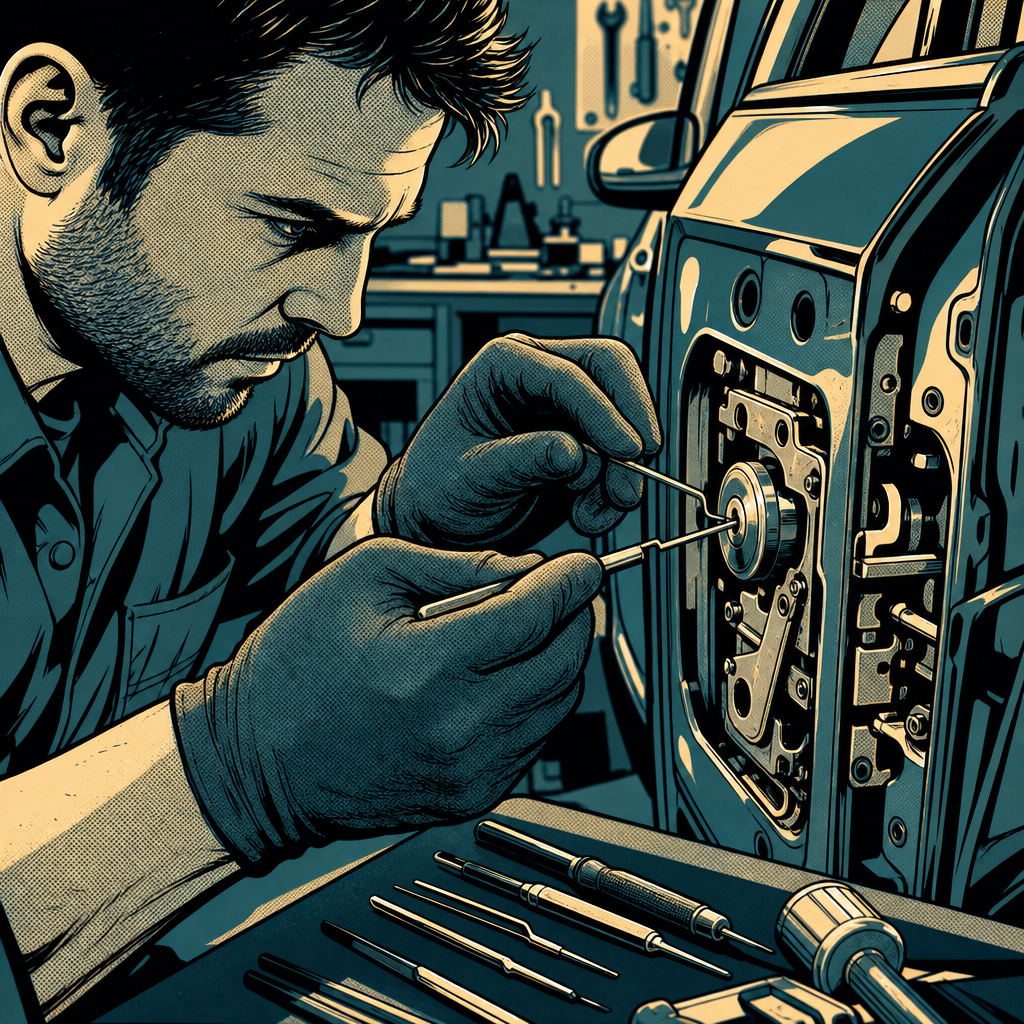
Modern vehicles present a unique challenge when the battery dies: most drivers don’t realize that their physical backup key only works in one specific door, and that keyhole is often hidden behind a cover that looks like part of the handle assembly. What appears to be a simple mechanical backup becomes a diagnostic puzzle when you’re standing in a parking lot with a dead battery and a key that won’t unlock anything. Understanding where lock cylinders actually exist on contemporary vehicles—and why some doors have non-functional or mismatched hardware—can save you from a costly locksmith call or tow truck fee.
Understanding Modern Car Door Lock Cylinder Locations
The first critical fact that catches most vehicle owners off-guard: modern cars typically have only one working mechanical lock cylinder on the exterior, and it’s almost always on the driver’s door. This represents a significant departure from older vehicles that featured keyholes on every door. Manufacturers eliminated redundant lock cylinders as a cost-saving measure once keyless entry systems became standard equipment.
On most vehicles built after 2010, you’ll find the following configuration:
- Driver’s door: Single working lock cylinder, usually hidden behind a plastic cover
- Passenger doors: No lock cylinder at all, just blank door handles
- Rear doors: No lock cylinders (despite what the handle design might suggest)
- Trunk/liftgate: Occasionally includes a lock cylinder, but increasingly rare on newer models
The confusion multiplies when you encounter a vehicle that appears to have keyholes on multiple doors. This situation typically indicates one of three scenarios: aftermarket parts installation, a parts mix-up during previous repairs, or a factory assembly error during early production runs. First-year models of new platforms are particularly susceptible to manufacturing inconsistencies as suppliers work through parts bin issues.
Some vehicles from the 2012-2014 era show evidence of mid-production design changes where engineers switched from keyed to non-keyed rear door handles, creating variation even within the same model year. If you’re working on a vehicle where the rear door appears to have a keyhole that doesn’t function, you’re likely looking at a driver’s door handle that was incorrectly installed on a rear door position—possibly during collision repair or parts replacement.
Locating and Accessing the Hidden Keyhole Cover
The driver’s door lock cylinder on most modern vehicles hides beneath a small plastic cover that’s flush with the door handle assembly. This cover is designed to maintain the clean aesthetic of the handle while protecting the lock mechanism from weather and debris. Many drivers own their vehicles for years without realizing this cover is removable.
To access the hidden keyhole, follow this procedure:
- Inspect the driver’s door handle carefully under good lighting
- Look for a small rectangular or oval cap on the handle face, typically on the side closest to the front of the vehicle
- Locate the access slot—usually a small notch or hole at the bottom edge of the cover
- Insert the metal emergency key blade into this access slot
- Apply gentle prying pressure to pop the cover out of its retaining clips
- Once removed, you’ll see the lock cylinder behind it
The cover typically snaps into place with two or three plastic retaining clips. It should remove with moderate pressure—if you’re forcing it hard enough to risk breaking the plastic, you’re either prying at the wrong spot or the clips have become brittle with age. In cold weather, warming the handle with your hands for 30-60 seconds can make the plastic more pliable.
If the lock cylinder isn’t behind the cover—meaning you find just a metal blank or an empty cavity—someone has removed the lock mechanism entirely. This sometimes happens during repair work or part-out situations. In this case, you may see a small hole where the lock cylinder’s actuator rod would connect to the door latch mechanism. A flathead screwdriver inserted into this hole can sometimes manually actuate the lock, though this requires understanding the specific geometry of your vehicle’s latch assembly.
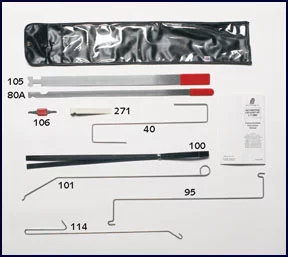
Mini Master Automotive Lockout Kit LTI200
Mfg: Lock Technology LTI by Milton
Part #: 200
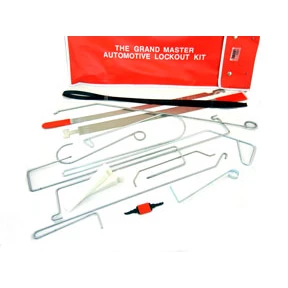
Grand Master Automotive Lockout Kit LT-500
Mfg: Lock Technology LTI by Milton
Part #: 500
Diagnosing Why Your Key Won’t Turn or Unlock the Door
Once you’ve located the actual working lock cylinder, several mechanical issues can prevent the key from functioning properly. Understanding these failure modes helps you determine whether you’re dealing with a quick fix or a situation that requires professional intervention.
Lock cylinder binding: Some vehicles, particularly certain Ford and Mazda models from the 2008-2015 range, are notorious for lock cylinders that require excessive force to turn. Owners report needing to grip the key with pliers or vise-grips to generate enough torque without breaking the key blade. This binding typically results from internal wear, corrosion, or inadequate lubrication in the lock wafers. If you encounter significant resistance, try these steps before applying more force:
- Pull the door handle outward while turning the key to reduce pressure on the latch mechanism
- Insert and remove the key several times to work lubricant into the cylinder
- Try turning the key while applying slight inward or outward pressure on the key itself
- Spray a small amount of graphite lubricant or lock de-icer into the cylinder (if you have access to these products)
Disconnected actuator rod: Inside the door, a metal or plastic rod connects the lock cylinder to the door latch mechanism. This rod can become disconnected due to impact damage, worn clips, or improper reassembly after previous service work. When this rod is disconnected, the key will turn freely in the lock cylinder but won’t actually move the latch. The lock feels like it’s working, but the door remains secured. This failure mode requires door panel removal to reconnect the rod—not something you can accomplish while locked out.
Partially seated lock cylinder: During manufacturing or repair, lock cylinders occasionally fail to fully seat into their mounting position. The cylinder sits 2-3mm proud of where it should be, preventing the internal mechanism from properly engaging with the actuator rod. Locksmiths report that removing the lock mechanism from the door edge (accessible once you’re inside) and fully seating the “plus sign” shaped actuator connection often resolves this issue immediately. The key works perfectly once the cylinder is properly positioned.
Incorrect key cut: In rare cases, dealerships provide emergency keys that don’t match the door lock cylinder, even though they work in the ignition. This happens when lock cylinders are replaced without updating the vehicle’s key records, or when keys are cut from incorrect code numbers. If your key has never worked in the door lock but operates the ignition normally, you’re likely dealing with a key-to-cylinder mismatch that requires rekeying or lock cylinder replacement.
Alternative Entry Methods When the Primary Lock Fails
When the driver’s door lock cylinder won’t cooperate, you need alternative access points. Modern vehicles offer several backup entry routes, though none are as straightforward as simply unlocking a door.
Trunk access method: Many sedans retain a mechanical lock cylinder in the trunk lid, even when other exterior locks have been eliminated. If your vehicle has a trunk lock, this provides the most straightforward alternative entry:
- Use your physical key to unlock the trunk lid
- Enter through the trunk opening
- Locate the rear seat release mechanism (usually pull-straps or levers near the seat back)
- Fold down the rear seats to access the cabin
- Reach forward to unlock a door from inside or access the hood release
This method works well on traditional sedans but is obviously not available on vehicles without separate trunks. Some manufacturers have eliminated trunk lock cylinders entirely on newer models, making this option unavailable even on sedan body styles.
Under-hood battery access: If you can safely access the underside of the vehicle, you may be able to restore electrical power without entering the cabin. This approach requires a jack, jack stands, and appropriate safety precautions—never work under a vehicle supported only by a jack. The procedure involves:
- Safely elevating the vehicle and securing it on jack stands
- Locating the starter motor or positive battery cable from beneath
- Connecting a jump pack or external 12V battery to restore system power
- Using the key fob to unlock the doors once power is restored
Some technicians create a permanent solution by installing a small wiring harness connected to the electrical system that runs to an accessible location under the front edge of the hood. This harness terminates in a connector that can accept jumper cables or a jump pack without opening the hood. The connector end is stored outside the vehicle (not inside the locked cabin), and the installation takes about 20 minutes of work. This preventive modification can eliminate future lockout situations entirely.
Hood release access from below: On certain vehicle designs, you can actuate the hood release mechanism by reaching up from underneath the front bumper area. This requires knowing the specific release cable routing for your vehicle model and having tools to manipulate the cable or latch. This method varies significantly between manufacturers and models—research your specific vehicle before attempting this approach.
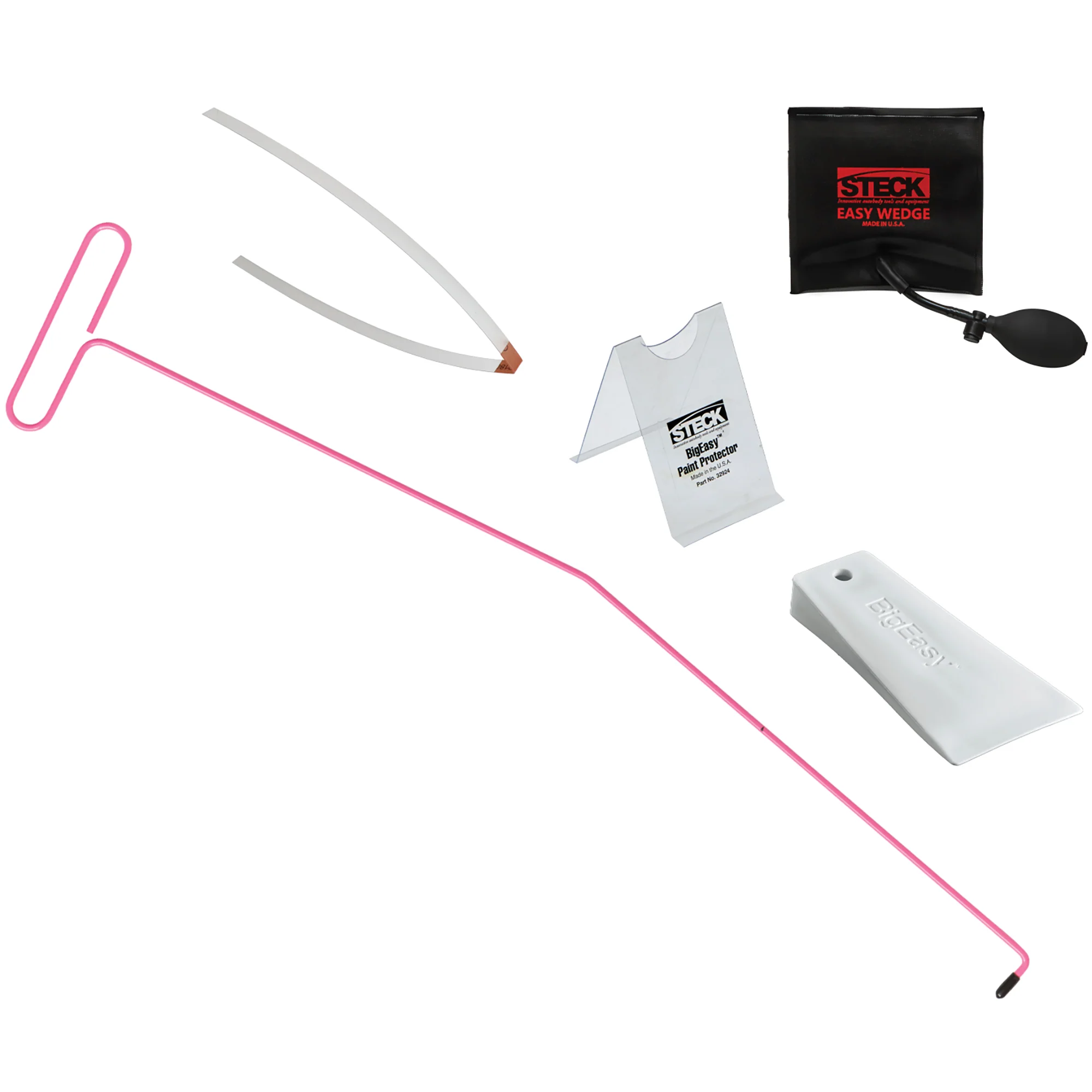
Professional entry tools: Lockout kits using inflatable wedges (bladders) and long reach tools represent the professional approach to gaining entry without damage. These kits cost $30-80 from automotive tool retailers and work by:
- Inserting a wedge at the top corner of the door frame
- Inflating the wedge to create a gap between the door and frame
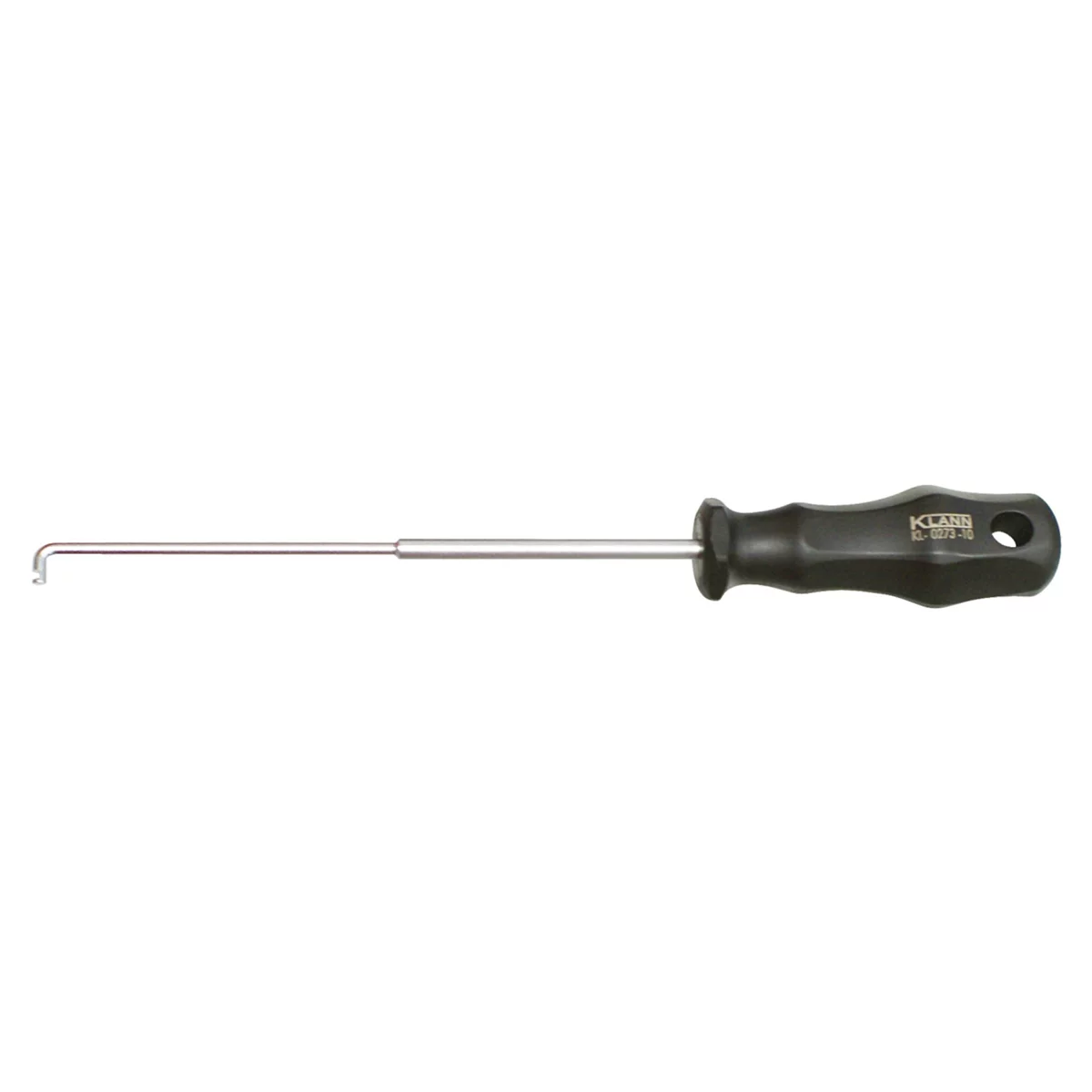
- Threading a long reach tool through the gap to flip the interior lock button or pull the interior door handle
This technique requires practice to avoid damaging weather stripping or door seals, but it’s the same method professional locksmiths use. If you’re not confident in your ability to use these tools without causing damage, the $80-150 cost of a locksmith service call is money well spent.
Quick Reference Lockout Troubleshooting Checklist
Work through this diagnostic sequence before calling for professional assistance:
- □ Confirmed you’re attempting to unlock the driver’s door (not passenger or rear doors)
- □ Located and removed the keyhole cover from the driver’s door handle
- □ Verified a lock cylinder is present behind the cover
- □ Attempted turning the key while pulling the door handle outward
- □ Tried slight inward/outward pressure on the key while turning
- □ Checked if the trunk has a mechanical lock cylinder
- □ Verified the key you’re using is the correct one (try all keys on your keyring)
- □ Assessed whether professional lockout tools or service is the better option
- □ Confirmed you have safe access to attempt under-vehicle procedures (if applicable)
- □ Determined the approximate cost of locksmith service vs. DIY entry tools
Preventive Measures and Long-Term Solutions
Once you’ve regained access to your vehicle, take steps to prevent future lockout situations and address the underlying mechanical issues.
Lock cylinder maintenance: Exercise the lock cylinder monthly by inserting the key and cycling it through several lock/unlock operations. This movement distributes lubricant and prevents internal components from seizing. Once or twice per year, apply graphite-based lock lubricant—never use oil-based products like WD-40, which attract dirt and can cause lock failures over time.
Door panel removal and rod inspection: If your key turns but doesn’t actuate the lock, you’ll need to remove the interior door panel to inspect the actuator rod connection. This procedure varies by vehicle but generally involves:
- Removing door panel fasteners (typically Phillips or Torx screws)
- Releasing plastic retaining clips around the panel perimeter
- Disconnecting electrical connectors for switches and speakers
- Accessing the lock cylinder mechanism from inside the door cavity
- Verifying the actuator rod is connected and the lock cylinder is fully seated
If you find the lock cylinder sitting proud of its proper position, remove it from the door edge (usually held by a retaining clip or screw) and reseat it until the connection mechanism fully engages. This often resolves issues where the key turns but nothing happens.
Handle replacement for mismatched parts: If you’ve discovered that someone installed a driver’s side handle on a rear door position (creating a non-functional keyhole), correct this by obtaining the proper rear door handle for your vehicle. Door handles are side-specific and position-specific—a right rear handle differs from a left rear handle, and both differ from front handles. Use your VIN when ordering parts to ensure you receive the correct component.
Emergency power access installation: For vehicles where lockouts are a recurring concern, consider installing a permanent external power access point. This involves running a small gauge wire from the battery positive terminal (or another hot post-ignition point) to a connector positioned where it’s accessible without opening the hood. Use appropriate fusing (10-15 amp) and weather-resistant connectors. Store the mating connector with jumper cables in your garage or with your roadside kit—never inside the vehicle.
Spare key strategy: Beyond the obvious advice to keep a spare key accessible, consider these specific approaches:
- Store a spare physical key in a magnetic hide-a-key box attached to the vehicle frame (not near the door locks)
- Leave a spare with a nearby family member or coworker who can bring it if needed
- Keep a spare at work if you have a secure location
- Photograph your key code tag (usually in the owner’s manual kit) and store it in cloud storage for locksmith reference
Lock cylinder replacement: If your lock cylinder is severely worn, requires excessive force to operate, or has failed mechanically, replacement is straightforward on most vehicles. Aftermarket lock cylinders cost $25-60, and the installation requires only basic hand tools. When replacing the cylinder, you can either have it rekeyed to match your existing key or replace all cylinders (driver’s door and ignition) as a set. Rekeying by a locksmith typically costs $50-80 per cylinder, while replacement cylinder sets come pre-keyed and include new keys.
When to Call a Professional vs. DIY Entry
Assessing the cost-benefit of professional service versus DIY approaches depends on several factors: your tool availability, mechanical skill level, time constraints, and risk tolerance for potential damage.
Call a locksmith when:
- You’ve never used lockout tools before and your vehicle has delicate weather stripping
- The vehicle is in a high-traffic area where working safely is difficult
- You need immediate access and don’t have time for trial-and-error troubleshooting
- The lock cylinder appears to need replacement or rekeying anyway
- Your roadside assistance or insurance policy covers lockout service
Professional lockout service typically costs $80-150 during business hours, with higher rates for after-hours or weekend calls. Mobile locksmiths can usually arrive within 30-60 minutes in urban areas and can handle entry plus any necessary lock cylinder service in a single visit.
DIY entry makes sense when:
- You have access to lockout tools or can borrow them from a parts store tool-loan program
- The vehicle is in a safe location where you can work without time pressure
- You’re comfortable with basic automotive procedures
- You want to add lockout tools to your personal tool collection for future use
- The cost difference between DIY and professional service is significant to your budget
Lockout tool kits provide value beyond a single use—once you own the tools, you can assist friends and family with similar situations. The skills you develop also transfer to other automotive tasks requiring door panel removal or interior access.
Tow truck consideration: Some roadside assistance plans include lockout service through tow truck dispatch. If you have AAA or similar coverage, this may be your most cost-effective option. However, tow truck operators typically use the same inflatable wedge technique that DIY kits employ—they’re not specialized locksmiths. They can gain entry but generally can’t diagnose or repair mechanical lock failures.
Frequently Asked Questions
Why doesn’t my car have keyholes on all the doors like older vehicles?
Manufacturers eliminated redundant lock cylinders when keyless entry systems became standard equipment. Since the key fob unlocks all doors electronically, additional mechanical cylinders were deemed unnecessary. The single driver’s door lock cylinder serves as an emergency backup when the battery dies or the electronic system fails. This design reduces manufacturing costs and eliminates potential water intrusion points in the door structure.
Can I install a lock cylinder in a door that doesn’t have one?
Technically yes, but it requires replacing the door handle with a version designed to accept a lock cylinder, plus adding the internal linkage to connect the cylinder to the latch mechanism. The parts cost $100-200 per door, and you’ll need to have the new cylinders keyed to match your existing key. For most vehicle owners, this modification isn’t cost-effective compared to simply ensuring the driver’s door lock stays functional and maintaining alternative entry methods.
How can I tell if my rear door keyhole is real or just decorative?
Remove the small cover (if present) and look inside. A functional lock cylinder will have visible wafer or pin components and a defined keyway. A decorative or blanked opening will be either completely solid or show just an empty cavity with no lock mechanism. If you can insert your key partway but it won’t turn or engage anything, you’re looking at a mismatched handle installed in the wrong position—typically a driver’s door handle incorrectly installed on a rear door.
What should I do if my key turns but the door doesn’t unlock?
This indicates the internal actuator rod has disconnected from either the lock cylinder or the door latch mechanism. You’ll need to gain entry through an alternative method (trunk access, professional lockout service, etc.), then remove the door panel to reconnect the linkage. Sometimes the lock cylinder itself isn’t fully seated in its mounting position, preventing proper engagement with the actuator rod. Removing and reseating the cylinder often resolves this issue.
Is it safe to drill out the lock cylinder to gain entry?
Drilling the lock cylinder is a destructive entry method that should be reserved for absolute last-resort scenarios. While it does work, you’ll need to replace the lock cylinder afterward (cost plus labor), and the drilling process can damage surrounding components if not done correctly. Professional locksmiths can gain entry non-destructively using specialized tools, making this a better first option. If you must drill, use a drill bit slightly larger than the cylinder pin chamber and drill at the shear line—but understand this permanently destroys the lock.
Why does my Ford require so much force to turn the key in the door lock?
Certain Ford and Mazda models from the late 2000s through mid-2010s are known for lock cylinders that bind severely, sometimes requiring pliers to grip the key for sufficient leverage. This results from a combination of tight tolerances, inadequate factory lubrication, and internal wear over time. Regular lubrication with graphite-based lock lubricant can improve operation, but many owners simply accept that their door locks require more force than normal. Replacement cylinders sometimes have the same issue, suggesting it’s a design characteristic rather than a defect in individual units.
Professional Lockout Tools
If you decide to handle a lockout yourself, the right tools make the process straightforward and damage-free. Professional-grade lockout kits use inflatable wedges and long-reach tools—the same equipment that locksmiths rely on—and can be purchased affordably from automotive suppliers. Browse our lockout tools selection to find kits that work with your vehicle type and skill level.
- Inflatable wedge systems for safe door gap creation
- Long-reach tools designed for interior lock manipulation
- Complete kits with multiple tool configurations for different vehicle designs

The Toolsource Technical Team blends decades of real-world automotive service experience with up-to-date technical research. Our writers collaborate with professional mechanics, shop owners, and diagnostic specialists to deliver practical, workshop-ready guidance you can trust.


Follow us on social media